REVIEW · UBUD
Balinese Cooking Class at Organic Farm
Book on Viator →Operated by Mai Organic Farm · Bookable on Viator
A cooking class that starts on a real farm. Here you’re not just watching someone else cook—you’re learning how Mai Organic Farm grows its produce, then cooking Balinese favorites on a traditional wood-fired setup. I really like the small group format and the hands-on ingredient picking, plus the smooth round-trip pickup from central Ubud areas. One thing to consider: this is outdoors, and the experience depends on good weather.
If you want Bali in a single morning, food is the fastest route. This class mixes farming education, community support, and proper cooking steps so you leave with dishes you can actually make at home. You also get a drink lineup beyond plain tea—think infused water, herbal drinks, Balinese coffee, and lemongrass tea.
In This Review
- Key Things You’ll Notice Right Away
- From Ubud Pickup to Mai Organic Farm in Pejeng
- The Welcome Drink and the Organic Farming Lesson That Actually Connects
- Picking Ingredients: Where the Class Becomes Truly Yours
- The Mai Organic Farm Center: Refreshing Juice Before Cooking
- Cooking Six Balinese Dishes on a Wood-Fired Stove
- What You’re Learning, Beyond the Recipes
- The Drink Lineup: Infused Water, Herbal Sips, Coffee, and Lemongrass Tea
- Communal Lunch in a Gubuk Hut With New Friends
- How Much It Costs (and Why $40 Feels Fair Here)
- Who Should Book This Ubud Cooking Class
- Practical Tips for a Smooth, No-Stress Morning
- Should You Book Mai Organic Farm’s Cooking Class?
- FAQ
- How long is the Balinese cooking class?
- Where does the experience take place?
- Is pickup included?
- How many dishes will I cook?
- What drinks are included?
- How many people are in the group?
- Do I get a mobile ticket?
- When will I get confirmation after booking?
- Can I cancel for a full refund?
- What happens if the weather is poor?
Key Things You’ll Notice Right Away
- Small group size that keeps it hands-on, not a spectator show
- Farm-to-table ingredient picking right before you cook
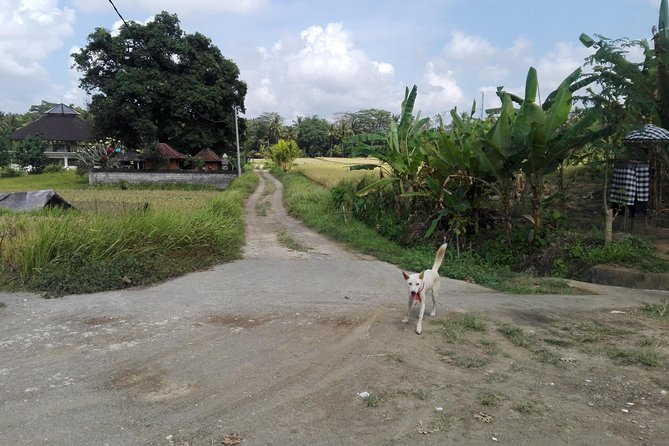
- UNESCO-protected subak system and how irrigation shapes farming in Bali
- Wood-fired stove cooking for that real Balinese feel and smoky flavor
- A communal meal eaten together in a quiet gubuk hut setting
- Fresh drinks and coffee built into the experience, not just an afterthought
From Ubud Pickup to Mai Organic Farm in Pejeng
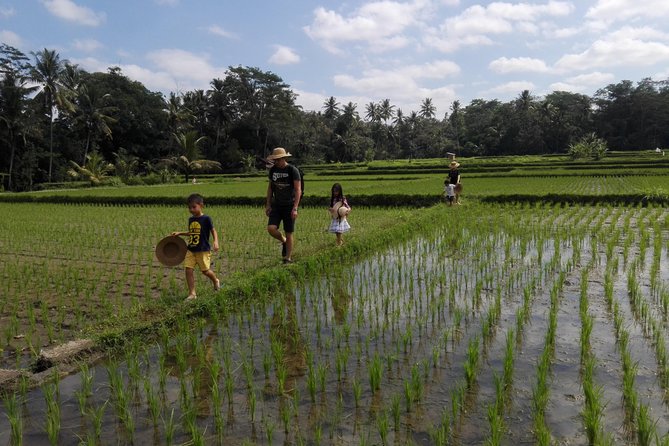
Most Ubud cooking classes feel like a drive, a quick visit, then a kitchen show. This one starts with a proper transfer. You’re picked up from central Ubud hotels and rentals, then taken to Mai Organic Farm in the Pejeng area (near Tampaksiring, in Gianyar Regency). The time you have matters here: you’ve got about 5 hours, so you want the day to feel purposeful rather than rushed.
When you arrive, you’re in a farming environment instead of a classroom. That tone shift is the point. The hosts guide you into the story of what you’ll cook, why the ingredients taste the way they do, and what organic farming looks like on the ground.
A practical note: you’ll likely be walking on uneven farm paths. Wear shoes you don’t mind getting a little dusty.
You can also read our reviews of more cooking classes in Ubud
The Welcome Drink and the Organic Farming Lesson That Actually Connects
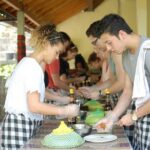
You begin on the farm with a welcome drink and a shaded start where the hosts set the tone. Instead of listing facts, they explain how their community movement supports local farmers and villagers. That matters because you’re not just buying a ticket—you’re joining a working system.
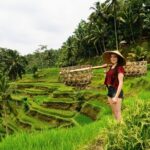
Then the walking starts. You’ll tour the community farm, learn what organic farming means in practice, and get introduced to the subak system. Bali’s subak is a UNESCO-recognized water-irrigation culture. Even if you don’t remember every detail, you’ll leave with a clear sense of how rice-and-water logic influences what grows and how people farm year to year.
From there, the experience naturally turns into preparation. You’re shown where ingredients come from, then you see the garden in a new way: not as decor, but as a pantry with roots.
Picking Ingredients: Where the Class Becomes Truly Yours
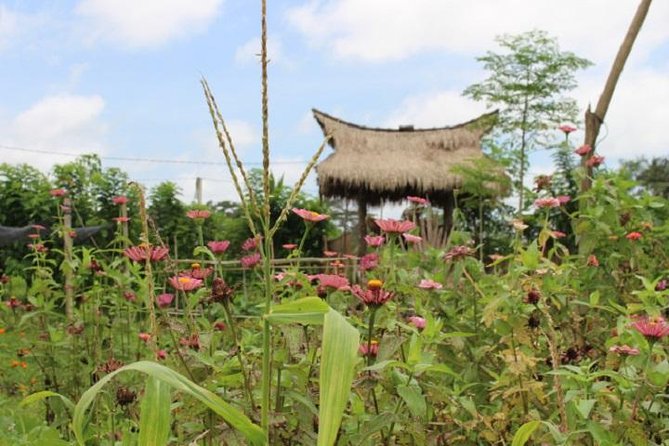
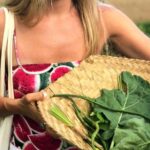
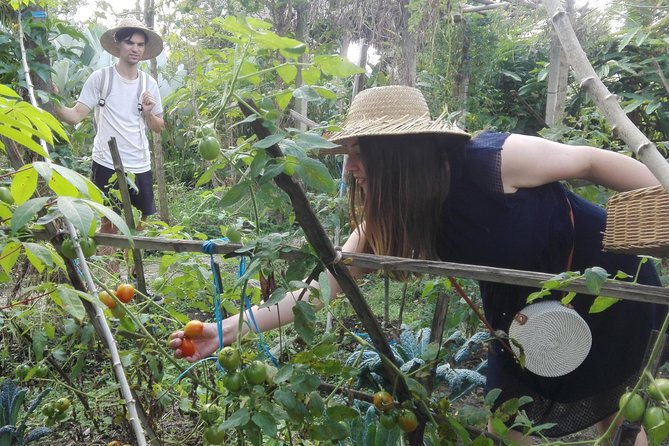
The best cooking classes aren’t about recipes. They’re about decision-making. Here, you walk the farm and pick the ingredients you’ll cook later. That’s the moment where it clicks: you start recognizing herbs, aromatics, and fruit with your hands, not just with your eyes.
It’s also why the class stays fun for different ages and skill levels. The participation is flexible—you can jump in more or less, depending on your comfort and energy. This is especially nice if you’re traveling with kids or a group with mixed cooking confidence.
A useful tip: go slow and smell everything. Herbs can look similar until you crush them lightly between fingers (only if your guide shows you it’s okay). The point is to connect scent to flavor so the cooking steps make sense later.
The Mai Organic Farm Center: Refreshing Juice Before Cooking
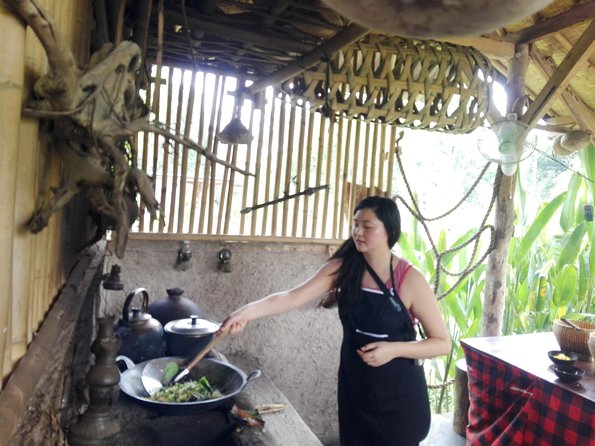
After the farm walk, you head toward the center of the community, Mai Organic Farm. Before you cook, you get a refreshing juice made from vegetables and fruit from local farms. This is a smart reset. It cools you down, wakes up your palate, and gives you a taste of the ingredients’ natural sweetness and acidity before heat hits.
This is where the day starts behaving like a real meal plan, not a demo. You’re already tasting the output of the farm while the hosts explain what comes next.
Cooking Six Balinese Dishes on a Wood-Fired Stove
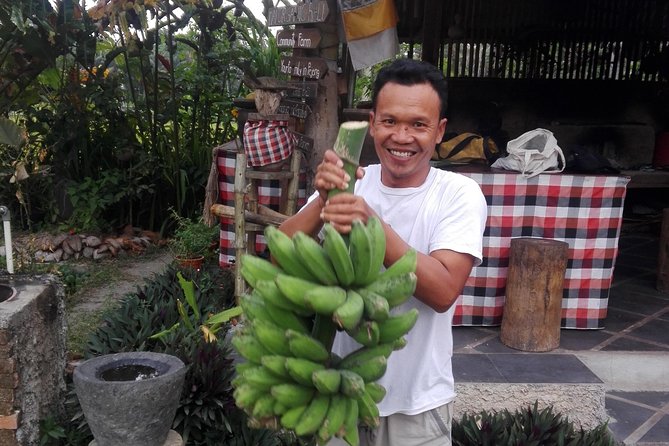
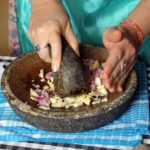
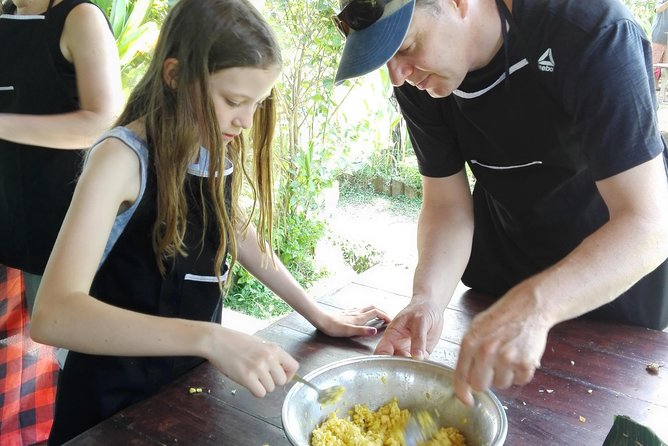
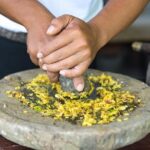
Now for the part you came for. You prepare six Balinese dishes, including sate lilit kebab. You also cook items such as tuna sate and corn fritters. The exact dish list is built into the experience, so you’re not shopping around or making your own menu from scratch. Instead, you follow the class flow and learn the logic behind the flavors.
A standout detail: you cook traditional-style using a wood-fired stove and outdoor grill/fire-stove methods. That changes everything. Food doesn’t just cook—it develops aroma and character. If you’ve only cooked with indoor burners, this method gives you a new reference point for heat, smoke, and how quickly things can change.
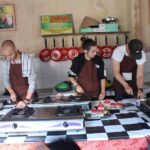
Group size helps here. With numbers capped around eight (the activity also lists a maximum of 10), you’re not stuck waiting. You get real time at the work area, and the cooks can adjust instructions as you go.
What I like most is how participation feels structured but not rigid. The hosts guide you through what to prep, what to combine, and how to season. Then you help with the steps that make your own lunch happen.
You can also read our reviews of more tours and experiences in Ubud

What You’re Learning, Beyond the Recipes
Even if you never cook these exact dishes at home, you’ll learn:
- how Balinese seasoning builds depth (aromatics first, then spice blends)
- how texture matters in fritters and kebab-style shapes
- how sweet-sour-herbal balance shows up across multiple courses
That’s what turns a cooking class into cultural literacy. Food becomes a language you can read.
The Drink Lineup: Infused Water, Herbal Sips, Coffee, and Lemongrass Tea
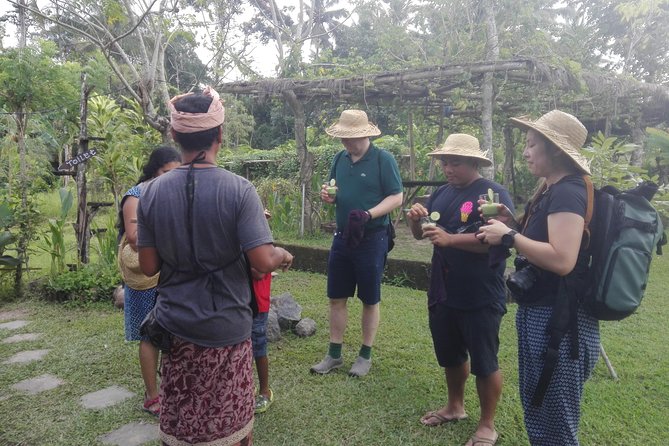
This class doesn’t treat drinks as a side accessory. You get a lineup that supports the food experience:
- infused water
- sip juice
- herbal drinks
- Balinese coffee
- lemongrass tea
Why this matters: in tropical cooking, drink and food balance each other. Herbal sips help clear the palate between heavier savory dishes. Lemongrass and coffee add familiar comfort notes while still feeling distinctly Balinese.
If you’re the type who always asks what people drink where they live, this is a big win. You leave with ideas for at-home drinks, not just recipes for food.
Communal Lunch in a Gubuk Hut With New Friends
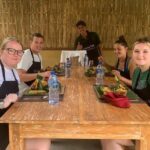
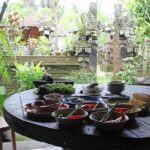
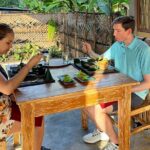
After cooking, you eat together in a tranquil gubuk (hut). This is more than a photo stop. It’s where the class becomes a shared experience. You’re all working the same ingredients, reacting to the same flavors, and then comparing notes in a relaxed setting.
This communal style also makes the experience easier socially. Even if your group is small, the structure creates natural conversation: Who picked the best herb? Who learned something new about subak? What dish surprised you?
The meal feels like an earned reward. You didn’t get your lunch handed to you. You made it, mostly with your own hands.
How Much It Costs (and Why $40 Feels Fair Here)
At $40 per person for about 5 hours, this is priced like a serious activity, not a quick add-on. The value comes from a few combined factors:
- you get round-trip pickup in central Ubud areas
- you cook multiple dishes, not just one
- the class includes farm walking and ingredient picking
- you also get multiple drinks, including coffee and tea
- the small group cap keeps instruction time meaningful
Could you find a cheaper cooking class in Bali? Sure. But this one’s spending its money in the right places: on ingredients, on staff time, and on the farm setting that makes the teaching credible.
If you’re a couple, or you’re traveling with kids (several groups highlighted how enjoyable it was for children ages 6 to 13), this format can be a smart use of a half day. Everyone can participate, even if the cooking skills vary.
Who Should Book This Ubud Cooking Class
This is a great fit if you:
- want an organic farm context, not a rushed market stop
- care about how Bali’s subak system shapes farming and ingredients
- like hands-on cooking with limited group size
- enjoy learning through tasting—juice, herbs, coffee, and tea included
You might want to skip it (or at least manage expectations) if you:
- want a fully custom menu or heavy vegetarian/vegan customization (the class focuses on six set dishes)
- dislike outdoor walking in heat or wet weather
- need a very quick activity under 2 hours (this is closer to a half day)
Practical Tips for a Smooth, No-Stress Morning
A few practical things will help you enjoy the day more:
- Bring a hat and sunscreen. You’ll spend time outdoors during the farm walk.
- Wear closed-toe shoes. Farm paths can be rough.
- Expect hands-on prep. Even if you choose to participate lightly, you’ll likely touch ingredients.
- Go in hungry, but don’t over-stuff before. You’re eating your way through the class, from juice to lunch.
- If you’re sensitive to smoke from wood-fired cooking, know it’s part of the method. You might find yourself closer to the cooking area at times, since the experience is participatory.
Also, weather matters. The experience requires good conditions, and if it can’t run due to poor weather you’ll be offered another date or a full refund.
Should You Book Mai Organic Farm’s Cooking Class?
Yes, if you want Bali food that comes with context. This class does what the best cooking experiences do: it connects the ingredients you pick to the dishes you cook, and it ties that to how people actually farm in Bali.
It’s especially worth it if you like small groups, traditional cooking methods, and a relaxed communal meal. And if you care about supporting local farmers through the community movement behind Mai Organic Farm, this is one of the more direct ways to do it with your time and money.
If you’re short on time in Ubud, treat this as a half-day “anchor” activity. It’s the kind of tour where the flavors stick, and the farm details give you something real to talk about afterward.
FAQ
How long is the Balinese cooking class?
The class lasts about 5 hours (approx.).
Where does the experience take place?
It starts at Mai Organic Farm Bali, Subak Kana, Banjar Panglan, F7RW+M98, Pejeng, Kec. Tampaksiring, Kabupaten Gianyar, Bali 80552, Indonesia.
Is pickup included?
Pickup is offered from central Ubud hotels and rentals.
How many dishes will I cook?
You will learn to cook six different Balinese dishes.
What drinks are included?
You’ll have sip juice, infused water, herbal drinks, Balinese coffee, and lemongrass tea.
How many people are in the group?
The experience is capped at just eight travelers, and the activity also lists a maximum of 10 travelers.
Do I get a mobile ticket?
Yes, a mobile ticket is included.
When will I get confirmation after booking?
Confirmation is received within 48 hours of booking, subject to availability.
Can I cancel for a full refund?
Yes. Free cancellation is available, and you can cancel up to 24 hours in advance for a full refund.
What happens if the weather is poor?
The experience requires good weather. If it’s canceled due to poor weather, you’ll be offered a different date or a full refund.