REVIEW · UBUD
Ubud Private Nature and Temple Tour
Book on Viator →Operated by See Bali Now · Bookable on Viator
A good day in Ubud starts with monkeys and ends with holy water. This private tour ties together temples, rice terraces, and Bali’s dramatic waterfalls, while a local guide helps you move smart and skip the guesswork. I especially like the private transportation (door-to-door comfort for 8 to 10 hours) and the mix of iconic sights with cultural stops like Tirta Empul; a key consideration is that several major entrances are not included, so your final cost will be higher once admission is added.
You’ll start at Ubud Palace, then spend a full day bouncing through the green hills around Ubud with one group. It’s a great fit if you want structure, flexibility, and a guide who can explain what you’re looking at—just keep an eye on the weather, because the tour depends on it.
In This Review
- Key things I’d center in this Ubud tour
- Private Ubud day: why this mix of nature and temples feels right
- Price and value: what $30.55 covers (and what it doesn’t)
- Starting at Ubud Palace: timing, comfort, and how to avoid rushing
- Sacred Monkey Forest Sanctuary: fun, chaos, and safety basics
- Tegallalang rice terraces and the Subak irrigation system
- Tirta Empul temple: purification pools and the melukat ritual
- Pemulan Bali coffee plantation: spices, soil, and a quick sensory break
- Tegenungan Waterfall: big drop, cool plunge, and weather reality
- How the guide style shapes the whole experience
- Who should book this, and who might want a different day
- Should you book this Ubud Private Nature and Temple Tour?
- FAQ
- What places are included on this Ubud private nature and temple tour?
- How long is the tour?
- Is hotel pickup included?
- Are entrance fees included?
- Which stops have free admission?
- Is bottled water included?
- Is this tour private?
- What happens if the weather is bad?
Key things I’d center in this Ubud tour
- Private driver + parking + bottled water for a long day without logistics stress
- Sacred Monkey Forest with free-roaming macaques and a real need to watch your sunglasses
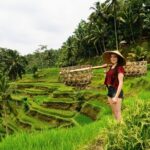
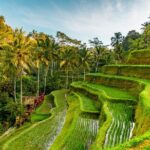
- Tegallalang Rice Terraces built on the Subak irrigation system
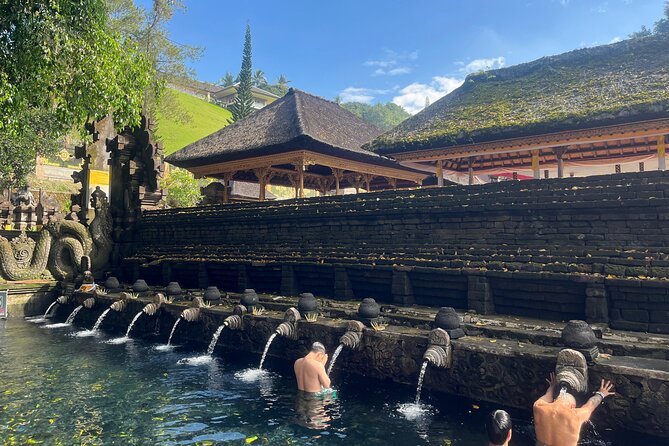
- Tirta Empul Temple and the spring-fed purification pools with the melukat ritual
- Coffee & spice gardens at Pemulan Bali (Arabica/Robusta plus spices) with entry listed as free
- Tegenungan Waterfall with a big drop (about 15–30 meters) and a plunge pool that may be swimmable
Private Ubud day: why this mix of nature and temples feels right
Ubud can be overwhelming in a hurry. One minute you’re admiring rice terraces, and the next you’re trying to figure out how long it takes to get to a temple that’s worth it. This tour is built around a full day with one local guide and private transport, so you’re not spending your time solving directions, pricing, or timing.
What I like most is how the day flows from wild to sacred to scenic. You start in the Sacred Monkey Forest, where the experience is energetic and a little unpredictable. Then you shift into quieter cultural rhythm at Tirta Empul, where the focus is purification and spiritual practice. After that, it relaxes again with coffee gardens and ends with the kind of waterfall view that makes you stop taking photos and just stare for a minute.
The one drawback to plan for: admission fees aren’t included for some stops. Even if several parts are free, you’ll still want spending money set aside for the sites that do charge.
You can also read our reviews of more private tours in Ubud

Price and value: what $30.55 covers (and what it doesn’t)
At $30.55 per person, the value here is in the “getting around” portion of the day. You get private transportation, parking fees, and bottled water. For an 8 to 10 hour outing, that’s often the difference between having a smooth day and getting worn down by small hassles.
But the tour also clearly separates what’s included from what’s not. Meals aren’t included (bottled water is). And entrance fees are not included, with admission starting at about IDR 50,000 per person. Some specific stops are listed as free (like Tegallalang and Pemulan Bali Coffee Plantation), while others charge.
If you’re trying to estimate your total, do this: keep your budget flexible and assume at least a couple of the paid sites will add up. The good news is that you can still enjoy a lot of the scenery and cultural context without feeling nickel-and-dimed at every turn.
Starting at Ubud Palace: timing, comfort, and how to avoid rushing
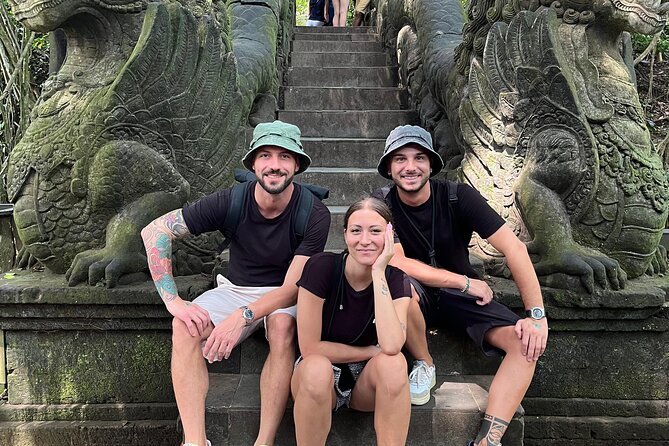
This tour runs about 8 to 10 hours, with the activity operating 7:00 AM to 9:00 PM. It starts at/near Ubud Palace and ends back at the same meeting point. That return-to-start detail matters: you won’t be stuck hunting for your pickup at the end while everyone else is already gone.
Because it’s a private activity, you’re not sharing the day with strangers. That means you can move at a realistic pace—time for photos, time to ask questions, time to slow down when something catches your attention. Reviews-style comments you’ll often see around guides like Wayan, Nyoman, or Ratni (names that come up repeatedly) point to the same theme: they don’t just drive; they explain and help the day feel personal and un-rushed.
One practical thing: the tour requires good weather. If it’s canceled due to poor weather, you’ll be offered a different date or a full refund, so don’t book it as your only flexible option.
Sacred Monkey Forest Sanctuary: fun, chaos, and safety basics
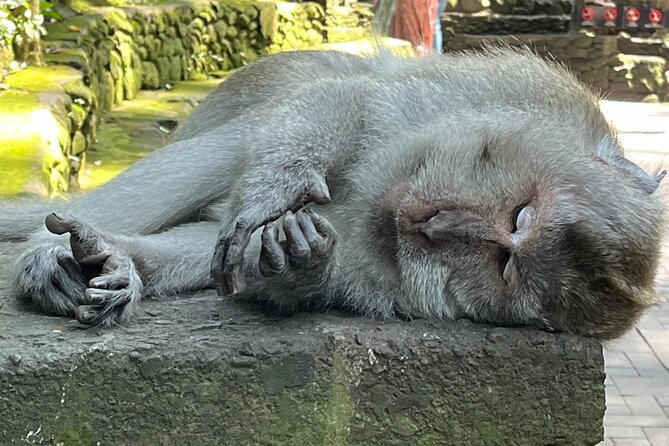
The Sacred Monkey Forest Sanctuary is one of those places where you can’t fully “control” the experience—and that’s part of the appeal. You’re walking through a forest environment with over 1,000 long-tailed Balinese macaques. Expect them to play, groom, climb, and yes, sometimes take interest in loose items.
The most useful mindset here is simple: treat it like a wildlife encounter, not a zoo visit. Keep your valuables secured. If you’re wearing sunglasses or a bag with an easy opening, you’ll want it closed and easy to manage. The forest is described as full of macaques that may cheekily swipe at items, so you’ll get the most enjoyment by staying alert but relaxed.
Your guide’s role becomes important at this stop. A good local helps you time your walk along safer paths and gives you context about why the forest is sacred. You’ll likely spend around 1 hour here, which is enough to see their behavior without turning it into a marathon.
Tegallalang rice terraces and the Subak irrigation system
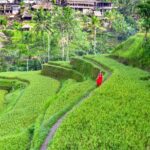
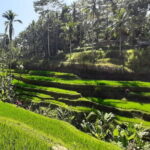
After the monkey energy, Tegallalang feels like the reset button. The Tegalalang area is known for its famous tiered paddies and the Subak irrigation system, a centuries-old method still tied to Balinese water management and farming culture.
This stop is listed as about 1 hour, and admission is free. That’s a big plus for value. You’re paying mainly for time and guide context, not for tickets.
What makes this rice terrace experience more meaningful than just looking at views is understanding the Subak system. The terraces aren’t random stairs of green—they follow a traditional approach to water flow, canals, and dams. When a guide explains how that irrigation pattern shapes the landscape (and keeps the farms working), you start noticing details: where water would travel, how terraces relate to each other, and why people care about this land beyond tourism photos.
Practical tip: if you’re the type who hates walking on uneven ground, wear shoes you trust. The photos look smooth; real life has rocks, steps, and slippery spots.


Tirta Empul temple: purification pools and the melukat ritual
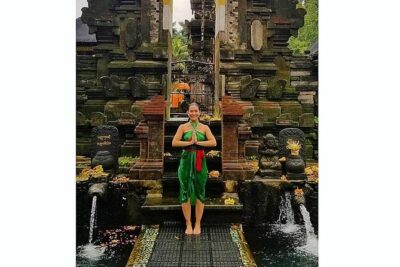
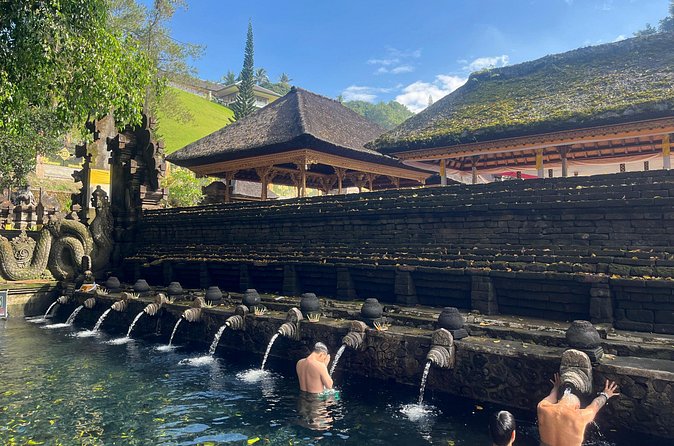
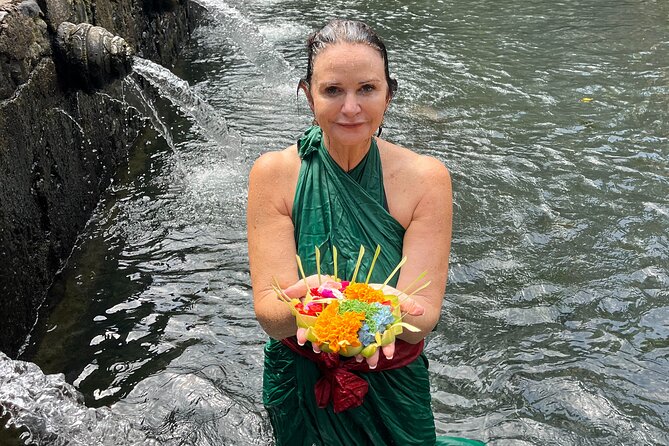
Tirta Empul Temple is the spiritual anchor of this day. At its heart is the petirtaan bathing complex fed by a perennial spring believed to be holy (amritha). Devotees perform melukat, a purification ritual under rows of stone water spouts.
Even if you’re not participating in the ritual, this is one of those places where your brain slows down. You watch water flow in a very deliberate way, and you see people moving with intention. The guide can help you understand what you’re seeing—how the spring-fed pools connect to belief and practice—so it doesn’t stay a visual-only stop.
This site is listed as about 1 hour, and admission is not included. That matters for your budgeting. Also, since it’s a sacred place, the tone is different. You’ll want to respect the space: be aware of where people are performing rites, keep voices low, and follow any guidance from your driver/guide.
This is also where “optional purification” fits into the day. If you want to do the melukat experience, you can treat it as a personal choice rather than a must-do checklist item.
Pemulan Bali coffee plantation: spices, soil, and a quick sensory break
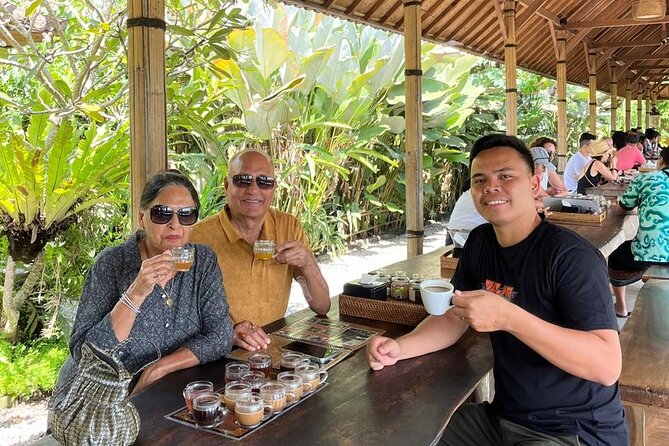
After temples, a coffee and spice stop is a nice change of pace. At Pemulan Bali Coffee Plantation, you wander through gardens where you’ll find Arabica and Robusta coffee bushes mixed with spices like vanilla, cacao, coconut, and ginger.
This stop is listed as about 1 hour, and admission is free. That makes it a smart value-add: you get a structured break from driving while still learning something about what grows in the area.
What you’ll likely enjoy most is the sensory side. Plants are easier to remember when you connect them to smell and taste, even without a big production. With volcanic highland soil referenced for the region, you also get a sense of why these crops do well around Ubud’s higher terrain.
Even if you’re not a coffee fanatic, this kind of stop can help you travel with more context. You stop treating Bali as just scenic stops and start treating it like a working place where people farm, trade, and live with the land.
Tegenungan Waterfall: big drop, cool plunge, and weather reality
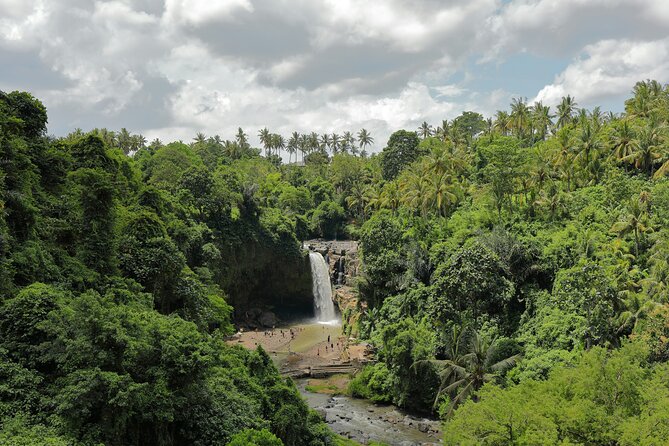
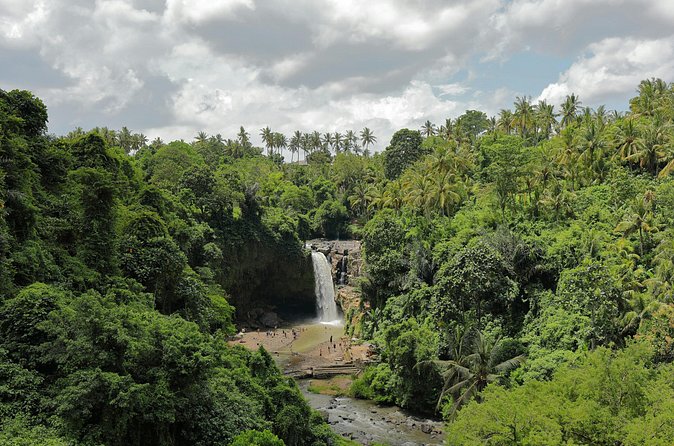
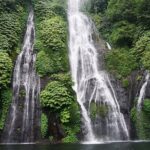
The final nature hit is Tegenungan Waterfall. Expect a powerful cascade dropping roughly 15–30 meters into a lush ravine. There’s also a plunge pool described as safe to swim in, depending on current conditions.
This is the part of the day where you want to be practical about your expectations. Waterfall views are great; wet rocks and changing water levels are real. If the pool is swimmable that day, great—if not, you’ll still get the main attraction: the sight, the sound, and the photos.
The stop is listed at about 1 hour, and admission is not included. So if you’re counting total costs, save your budget for this and Tirta Empul. Also remember the tour’s weather dependence. Heavy rain or unsafe conditions can affect not just what you see, but what you can do around the pool.
If you want your day to end on a win, this is a strong choice. Just keep a towel or dry layer plan in mind so you’re not stuck cold and damp on the ride back.
How the guide style shapes the whole experience
A tour like this lives or dies on the guide. The best ones don’t just recite facts—they help you see the place correctly and move efficiently between spots.
Names that come up often in this kind of service include Wayan, Nyoman, and Ratni, and the consistent praise themes are striking: warm welcome, strong communication, and a sense of professionalism that makes the day feel smooth. People also mention that guides recommend good local restaurants, and that they’re flexible with plans if needed. Even without a guarantee of last-minute changes, that “backup thinking” matters on Bali’s busy roads and uneven schedules.
Here’s what you can take from that: when you book, ask your guide in plain terms what’s worth skipping if time runs tight. You’re on a tight loop—Monkey Forest, terraces, Tirta Empul, coffee gardens, waterfall—so the right guide helps you prioritize.
Also, if you care about authentic context, this is the tour that rewards it. The day isn’t only about seeing famous spots; it’s about understanding why they matter.
Who should book this, and who might want a different day
This tour fits best if you want a private, structured Ubud day with a local guide and don’t want to coordinate transportation across multiple locations yourself. It’s also a good choice if you like variety: wildlife energy at Monkey Forest, agricultural culture at Tegallalang, spiritual practice at Tirta Empul, and nature finale at Tegenungan Waterfall.
You might want a different option if you hate paying extra at ticketed sites. Even with some free stops, admission fees aren’t included for key parts like Monkey Forest and Tirta Empul, and budgeting matters.
It also works well for honeymoon-style or couples’ schedules, since the pace and privacy keep the day from feeling like a checklist scramble. If you’re traveling with family, the tour notes an infant seat requirement and cost, so you’ll want to plan for that early.
Should you book this Ubud Private Nature and Temple Tour?
Book it if you want one well-packed day that covers the big Ubud trio: temples, rice terraces, and a waterfall, with a guide who can explain what you’re seeing. The included private transport, parking, and bottled water make the day easier, especially when you’re traveling in an area where routes can get confusing fast.
Hold off or adjust your expectations if you’re trying to keep the total cost strictly low. Admission fees are not included, and the tour relies on decent weather. Still, if you plan for those realities, you’ll likely end the day feeling like you understood Ubud better—not just photographed it.
FAQ
What places are included on this Ubud private nature and temple tour?
The tour includes Sacred Monkey Forest Sanctuary, Tegallalang rice paddies, Tirta Empul Temple, Pemulan Bali Coffee Plantation, and Tegenungan Waterfall.
How long is the tour?
It runs about 8 to 10 hours.
Is hotel pickup included?
Pickup is offered, and the tour starts at Ubud Palace (Jl. Raya Ubud No.8).
Are entrance fees included?
No. Admission fees are not included for some stops, and the tour notes admission can start around IDR 50,000 per person.
Which stops have free admission?
Tegallalang and Pemulan Bali Coffee Plantation are listed as admission free.
Is bottled water included?
Yes. Bottled water is included, but meals are not included.
Is this tour private?
Yes. It’s a private tour/activity, so only your group participates.
What happens if the weather is bad?
The experience requires good weather. If it’s canceled due to poor weather, you’ll be offered a different date or a full refund.