REVIEW · KUTA
Private Beginner 1 on 1 Surfing Lesson at Kuta Beach without transfer
Book on Viator →Operated by 27 Surf School Bali · Bookable on Viator
Learning to surf in Kuta feels simple. The magic is 1-on-1 coaching and how fast you go from theory to water. You get a focused instructor who watches your stance and gives specific fixes, plus a lesson built around your confidence—so standing up isn’t just a hope, it’s a goal.
Two things I really like: you’re not sharing attention with a big class, and the session is designed with break-time feedback so you improve between attempts. One thing to consider: Kuta can have strong undertow, so even if the waves look beginner-friendly, you’ll want to trust the instructor’s guidance and stay calm.
In This Review
- Key highlights you’ll care about
- Why Kuta Beach is a smart first-surf choice
- Private 1-on-1 coaching: what you’re really paying for
- The 90-minute flow: from ground basics to your first wave
- 1) Meet, check in, and start with a quick introduction
- 2) Theoretical introduction: the why behind the basics
- 3) Surf instruction: first on land, then in the ocean
- 4) Break time and review between sessions
- 5) End-of-session review and guidance for what’s next
- Gear, zinc/sunscreen, and the in-water photo/video
- Price and value: why about $14 can make sense
- Safety reality check in Kuta: waves, undertow, and staying relaxed
- Who should book this beginner surf lesson?
- Small practical details that help your day go smoother
- Should you book this Kuta lesson?
- FAQ
- How long is the private beginner surfing lesson?
- Where do I meet for the lesson?
- What’s included in the lesson price?
- Is this lesson only for beginners?
- What if the weather is bad?
- Are there any health limits?
Key highlights you’ll care about
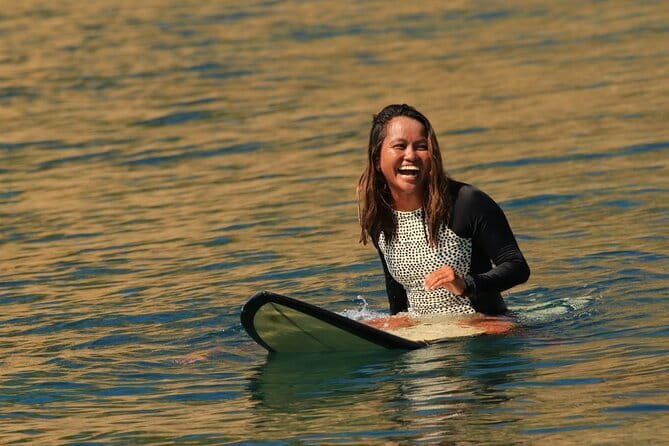
- True private coaching (1 instructor to 1 student) so your technique gets corrected in real time
- 90 minutes total, starting with theory and moving to hands-on ocean time
- Break-time review, so you learn from your first rides immediately
- Gear and sun protection included (surfboard, rashguard, zinc or sunscreen)
- Photo or video capture, including in-water moments
Why Kuta Beach is a smart first-surf choice
Kuta is one of the most practical places in Bali to learn because it’s geared toward beginners. The conditions you’ll face are typically manageable for first timers, with waves that many instructors can shape into a learning rhythm instead of a fight for survival.
That said, Kuta is not a kiddie pool. The water can have a strong undertow, which is exactly why a private lesson matters. If the plan is for you to stand up and start riding without getting yanked around or discouraged, someone needs to be actively watching how you’re positioned and when you’re committing to the board.
If you’re coming in as someone who loves water but has never surfed, Kuta’s vibe also helps. It’s an area where you’ll see plenty of surfers and learners, so the whole thing feels normal and doable instead of intimidating.
You can also read our reviews of more private tours in Kuta



Private 1-on-1 coaching: what you’re really paying for
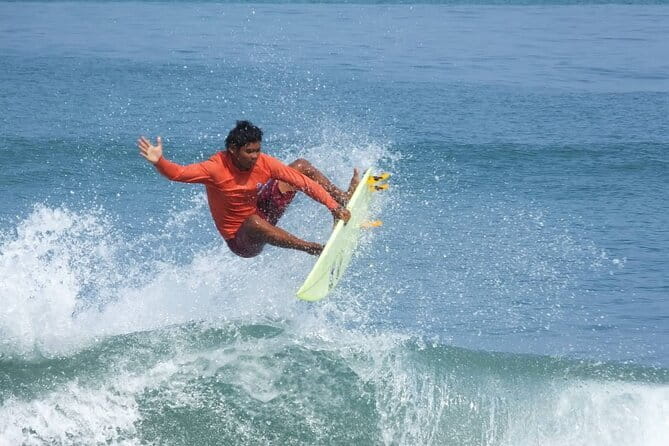
For this lesson, you’re getting one instructor for one student, not a group where you wait your turn. That difference is huge in surfing because the skill is physical and fast-changing. One small adjustment—how you paddle, how you plant your feet, how you keep your balance—can be the difference between standing once and standing repeatedly.
Here’s how that shows up in practice:
- Your instructor can observe your stance and suggest different ways for you to stand up safely.
- If you already find balance quickly, the instructor can shift from basics to wave-catching and timing.
- If you’re new to water sports, you’ll get patient, step-by-step guidance, including what to do before you even enter the lineup.
The other underrated benefit is motivation. When someone is tuned into your progress, you’re more likely to keep trying after the first awkward attempt. That’s often when beginners actually start learning.
The 90-minute flow: from ground basics to your first wave

This is an about 1 hour 30 minutes lesson, and the pacing is built to reduce overwhelm. You’re not thrown straight into waves without preparation, and you’re not stuck in endless lectures either.
1) Meet, check in, and start with a quick introduction
You’ll meet at Jl. Raya Kuta No.102, Kuta, and the activity ends back at the same meeting point. It’s also listed as being near public transportation, so you don’t have to stress about complicated logistics.
Your instructor will start by introducing themselves and getting you oriented to the day. For a first timer, that calm beginning helps. You’re learning a new skill in a new environment, so having a clear start matters.
2) Theoretical introduction: the why behind the basics
Next comes the theoretical part: how to surf, what to expect in the water, and the key mechanics you’ll use during the session.
Even if you think you just need to jump on the board, this step helps you avoid common beginner mistakes—like misunderstanding how you should position your body before paddling, or not knowing what you should do when you’re waiting for a wave.
You can also read our reviews of more tours and experiences in Kuta






3) Surf instruction: first on land, then in the ocean
After the groundwork, you move into actual surf coaching. In the reviews and lesson description style, the learning progression usually goes from:
- practicing the motion and balance on land
- then trying it in the water with guidance
This matters because surfing is coordination plus timing. If you learn the movement pattern first, the ocean part feels less like chaos and more like application.
4) Break time and review between sessions
A big feature here is a break during the lesson, where your instructor reviews your first experience riding the waves. That is the moment where the learning jumps.
Instead of repeating the same mistake over and over, you get feedback mid-lesson. You’ll likely hear what to adjust next time—how to position your body, when to paddle harder, or how to get ready before the wave arrives.
5) End-of-session review and guidance for what’s next
At the end, you’ll also get a review of your surfing level and what lesson level to take in the future. That’s valuable because it turns the session from a one-off thrill into a starting point you can build on.
If you stand up during the lesson, you’ll be pointed toward catching your own wave. If you don’t yet, you’ll likely be directed to focus on the basics until your balance and timing feel natural.
Gear, zinc/sunscreen, and the in-water photo/video

This lesson includes practical items that make a real difference in comfort:
- Surf board
- Rashguard
- Zinc or sunscreen
- Photo or video
The included rashguard is nice because it helps you stay comfortable in the sun and water, and it can also make your skin feel less raw after wiping out. The zinc/sunscreen inclusion is a smart touch too, especially in Bali where sun can sneak up fast.
And yes, the photo/video matters. Surf shots are hard to capture on your own, especially when you’re focused on staying upright. With an in-water photographer present, you’re more likely to have proof you actually did it—standing, wobbling, and all.
If you’re the type who likes to keep travel memories, this saves you from trying to hand your phone to a friend mid-lesson.
Price and value: why about $14 can make sense

At around $14, this is one of those Bali experiences that feels almost too affordable for private instruction. But the value isn’t magic; it’s built into what’s included and how the time is used.
What you’re paying for:
- private, hands-on instruction
- equipment (board and rashguard)
- sun protection (zinc or sunscreen)
- photo/video
What you’re not paying for:
- bottled water and meals
- other personal expenses
- tips and gratuities
So the real comparison isn’t just “cheap vs expensive.” It’s “does the lesson stay efficient and focused?” With 90 minutes total and a structure that includes theory, ocean time, and mid-session review, you’re not wasting your paid time waiting in line or sharing coaching.
You still might want to bring a little extra cash for personal needs, because you’ll likely want water after the session.
Safety reality check in Kuta: waves, undertow, and staying relaxed
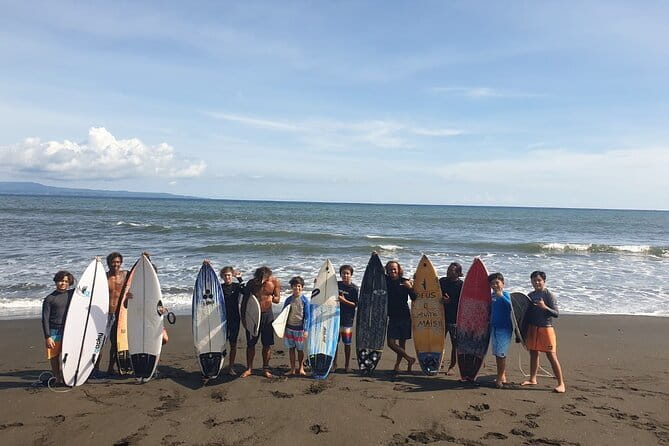
Even when waves aren’t very tall for beginners, Kuta can have strong undertow. That’s the one caution worth respecting.
Here’s what to do so it stays fun:
- Listen to your instructor’s instructions about where to paddle and where to wait.
- Stay focused on technique rather than panic if conditions feel stronger than expected.
- Don’t force early success. If you’re meant to practice first, practice first. That’s how you get consistent.
The best beginner surfing lessons don’t pretend it’s effortless. They teach you how to work with conditions instead of fighting them.
And because this is private, your instructor can keep you on course and adjust based on how your body reacts in the water. In reviews, this kind of patience and professionalism shows up again and again—especially for people who feel clumsy at first.
Who should book this beginner surf lesson?

This lesson is a strong match if:
- you’re a true beginner or returning to surfing after a long break
- you want 1-on-1 attention so you improve faster
- you like structured coaching with feedback between attempts
- you want included gear and a camera record without extra effort
It’s also a good fit if you’re worried about safety or confidence. A private tutor can help you understand what you’re doing and why, which reduces that nervous energy.
One caution: it’s not recommended for anyone with certain medical conditions such as high blood pressure and epilepsy.
Also, surfing depends on weather. The experience requires good weather, and if it’s canceled due to poor conditions, you’ll be offered a different date or a full refund.
Small practical details that help your day go smoother

A few things worth planning for:
- The lesson meets at Jl. Raya Kuta No.102 and ends back at the same spot, so you can plan your next activity nearby.
- You’ll be in the sun and water for about 90 minutes, so plan for a relaxed return afterward.
- Since bottled water and meals aren’t included, have a plan for hydration before and after.
- It’s a private activity, so only your group participates—great if you want a calm, focused learning setup.
If rain shows up (Kuta can do that), the schedule may shift. In at least one case, an instructor adjusted the timing after a squall delay, which is a good sign for flexibility.
Should you book this Kuta lesson?
If you’re looking for a beginner surf experience in Bali that feels guided, not chaotic, this one is an easy yes. The private 1-on-1 coaching, the break-time review, and the included gear plus photo/video are what make it good value at this price.
Skip it only if you have a medical condition that the provider flags as a risk (high blood pressure or epilepsy), or if you’re not comfortable handling ocean conditions like undertow with a strict instructor-led plan.
If you want your first surf lesson to turn into a real skill you can build on, booking this private option in Kuta is a smart move.
FAQ
How long is the private beginner surfing lesson?
The lesson lasts about 1 hour 30 minutes.
Where do I meet for the lesson?
You start at Jl. Raya Kuta No.102, Kuta, and the activity ends back at the same meeting point.
What’s included in the lesson price?
The price includes a surf board, rashguard, zinc or sunscreen, and photo or video.
Is this lesson only for beginners?
It’s designed for beginners. If you can already stand up, the instructor will teach you how to catch your own wave.
What if the weather is bad?
This activity requires good weather. If it’s canceled due to poor weather, you’ll be offered another date or a full refund.
Are there any health limits?
It’s not recommended for anyone with certain medical conditions such as high blood pressure and epilepsy.