REVIEW · UBUD
Bali Private Mystic Death Tour In Trunyan
Book on Viator →Operated by CV MyBali Explore · Bookable on Viator
A cemetery tour that feels spiritual, not scary. What makes this Bali Mystic Death tour in Trunyan so different is the way it frames death as part of a living spiritual balance, with stops that connect temple ritual, Trunyan’s well-known open-air practices, and the nearby lake scenery.
I especially love that you get a live guide for the whole day, because the meaning behind each stop matters here. I also like the built-in structure: admission tickets, an air-conditioned vehicle, and even a sarong are included, so you’re not scrambling while the day is already underway.
One consideration: this route involves sensitive subject matter and a long drive in Bali traffic. If you prefer light, casual sightseeing only, this one may feel intense.
In This Review
- Key Points at a Glance
- Bali’s Mystic Death Tour: What the Day Actually Means
- Price and Value: Why It Costs $79 (and What You Get Back)
- Getting There From Ubud: Private Comfort and the Long-Drive Reality
- Stop 1: Kehen Temple and the Details That Make It Feel Alive
- Stop 2: Trunyan Cemetery (Skull Island) and How the Ceremony Lands
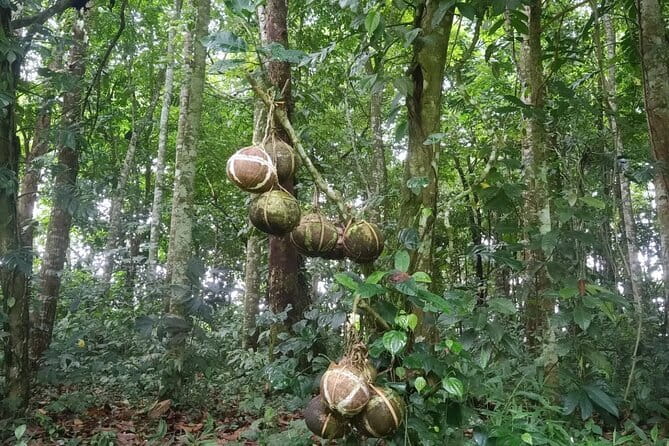
- Stop 3: Bayung Gede and Placenta Traditions at Tree Level
- Stop 4: Lake Batur Views and the Trip’s Reset Moment
- The Guides: Why a Good One Changes Everything
- What to Pack and How to Prepare for a Sensitive Day
- Who This Tour Fits Best (and Who Might Feel Wrong-Fit)
- Should You Book the Bali Private Mystic Death Tour In Trunyan?
- FAQ
- How long is the Bali Private Mystic Death Tour in Trunyan?
- Where does the tour start and end?
- Is the tour private?
- What’s included in the ticket price?
- Is lunch included?
- What are the main stops on the tour?
- Do I need to pay for admission at Bayung Gede?
- What should I wear for temple visits?
- Is pickup available?
- What’s the cancellation policy?
Key Points at a Glance
- Kehen Temple’s fire symbolism and the wooden bell detail in Banyan trees make the first stop feel ancient and specific
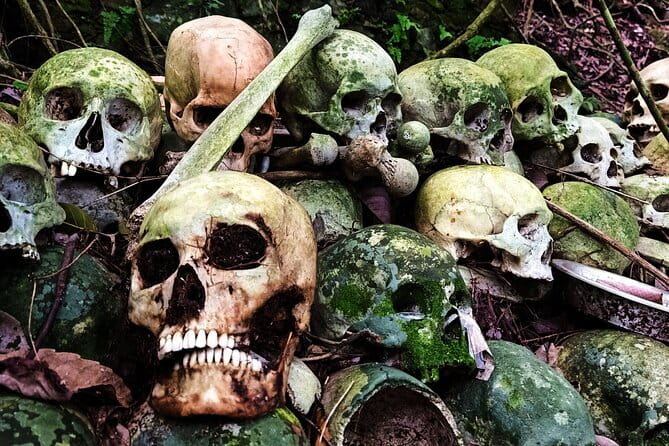
- Trunyan Cemetery offers a rare look at an open-air approach often described as Skull Island
- Bayung Gede shows another side of ritual life, including how the community handles placenta traditions
- Lake Batur delivers big mountain-and-lake views, and the day uses time efficiently across 4 stops
- Private tour flexibility means your group sets the pace with one guide
Bali’s Mystic Death Tour: What the Day Actually Means
This is not a typical checklist tour. It’s a guided circuit through places tied to how Balinese Hindu culture talks about death, the body, and what comes after. In the local worldview described during the tour, the body isn’t treated as simply gone; it’s part of an ongoing spiritual process where nature plays a role.
You’ll see three “culture moments” across the day: a temple tied to the Fire of God theme, the distinctive Trunyan burial area approach, and Bayung Gede’s ritual connected to newborn remains. Then you get a shift of tone at Lake Batur, where the setting helps reset your head before you head back to Ubud.
If you go in with curiosity and respect, you’ll get far more than photos. You’ll come away understanding how places can hold meaning for generations, not just for visitors.
You can also read our reviews of more private tours in Ubud


Price and Value: Why It Costs $79 (and What You Get Back)
At $79 per person, the price is in the midrange for a private full-day outing from Ubud. The value sits in what’s included: an air-conditioned vehicle, a live tour guide, entrance tickets for major stops, bottled water, parking fees, and even a boat ticket. That matters because a tour like this can otherwise turn into a “pay-as-you-go” headache on top of long travel.
Here’s the part to pay attention to: lunch isn’t included. So if you’re budgeting, plan on eating before you start or grabbing a meal after the tour returns. If you get hungry mid-day, bring a small snack with you so you don’t have to negotiate hunger and respect at the same time.
Also included is a sarong for temple entry. That’s a practical cost saver and it keeps the day smoother. (You’ll still want to dress modestly for comfort, but you won’t be stuck finding a sarong at the last minute.)
Getting There From Ubud: Private Comfort and the Long-Drive Reality
The tour starts and ends back at the meeting point at Ubud Palace (and the activity notes Ubud Palace as the hub). Pickup is offered, but even with that comfort, you’re still signing up for time on the road. One review note you should take seriously: if you’re staying farther south, the driving can feel like a lot for a single day.
That’s also why private format is a smart match. With your own group, you can keep bathroom breaks and pacing in line with how your day feels, instead of rushing to match a bus schedule. You’ll be in an air-conditioned vehicle, which helps on Bali’s hotter hours.
Timing-wise, expect about 6 to 8 hours total. The itinerary spreads that time across four focused stops rather than a dozen quick photo stops, so it feels like a real excursion and not a sprint.
Stop 1: Kehen Temple and the Details That Make It Feel Alive

Kehen Temple is your opening act, and it’s chosen for a reason. It’s described as one of the oldest temples in Bangli Regency, with symbolism connected to the Fire of God. You’ll have about 1 hour 30 minutes here, which is long enough to slow down and actually look.
The standout detail is a wooden bell set on Banyan trees. It’s the kind of thing you might miss if you only glanced while passing through. On a tour like this, small features carry meaning, so your guide’s job is to connect what you’re seeing to the bigger spiritual theme.
A practical note: temples can be bright and warm, and you may want comfortable shoes. You’ll also want your mind set for reverence, not sightseeing-only. This is the kind of first stop that sets the emotional tone for the rest of the day.
Stop 2: Trunyan Cemetery (Skull Island) and How the Ceremony Lands
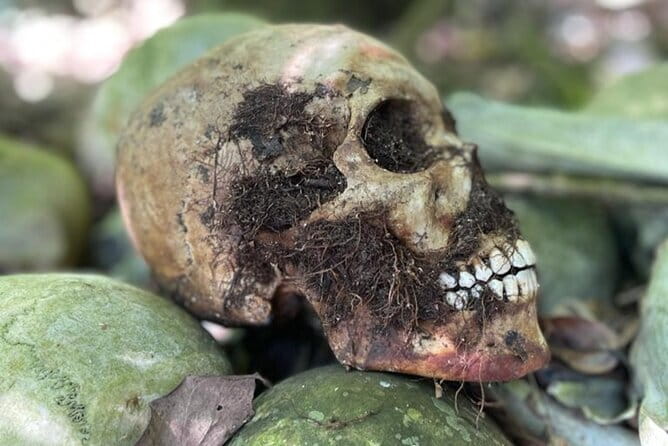
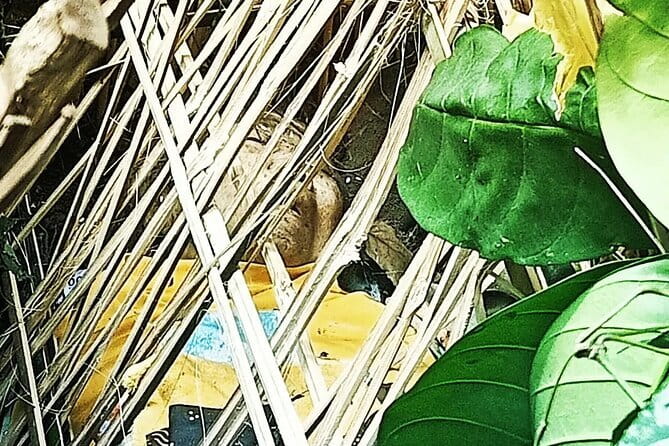
Trunyan Cemetery is the center of this tour. It’s known for the open approach often nicknamed Skull Island, where bodies are left to decompose on land rather than being buried in the usual way. You’ll spend about 2 hours here, and that time is important because you’re not just walking around—you’re learning how the community explains the practice.
The overview frames the concept as treating the body as if it remains part of a spiritual reality, not something to erase. The guide will connect that idea to balance and returning to nature. If you come in expecting a horror-movie-style shock, you’ll be disappointed. This experience is more about respect and understanding.
Emotionally, this stop can hit different people in different ways. If you’re sensitive, give yourself a moment to breathe before the cemetery portion starts. If you’re deeply curious about how culture shapes death rituals, you’ll likely feel engaged the whole time.
One more practical thought: cemeteries are places where you’ll likely want to keep your behavior calm and non-disruptive. It’s also the kind of environment where your guide’s wording and pacing matter—one reason the live guide gets so much praise.

Stop 3: Bayung Gede and Placenta Traditions at Tree Level
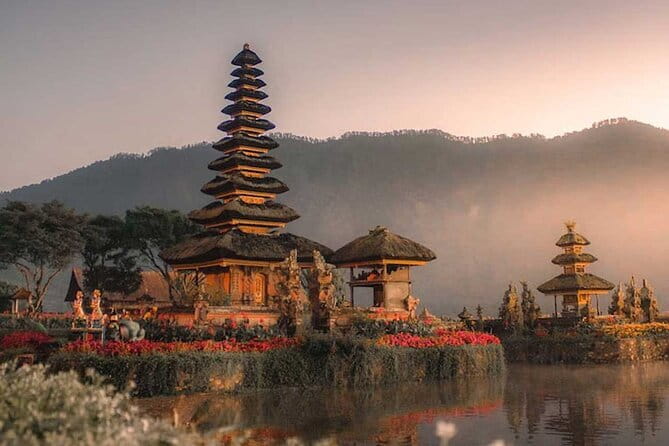
After Trunyan, the day shifts to another cultural practice at Bayung Gede Village. You’ll have about 1 hour, and the main focus is how the village treats the placenta by hanging it at trees as part of tradition.
The tour notes admission here is free, which is a small but real value detail. More importantly, this stop helps you see that ritual isn’t only about funerals. It’s also about how the community marks beginnings and transitions, using the natural world as part of the process.
This is a good point in the day to pay attention to how the guide explains meaning. Sometimes visitors miss the point because they only notice the unusual surface detail. A strong guide turns that moment into an explanation you can carry for the rest of the day.
Stop 4: Lake Batur Views and the Trip’s Reset Moment
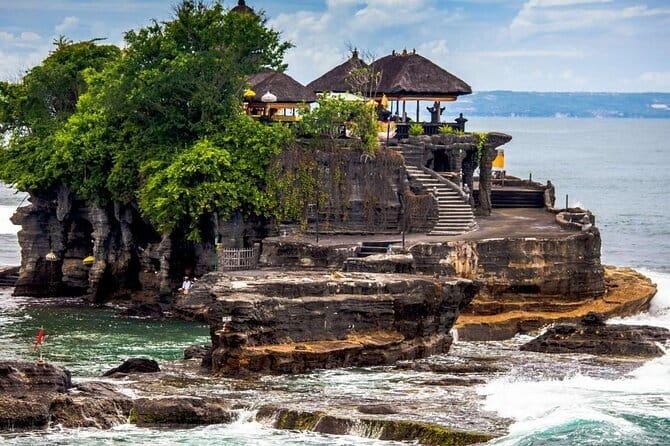
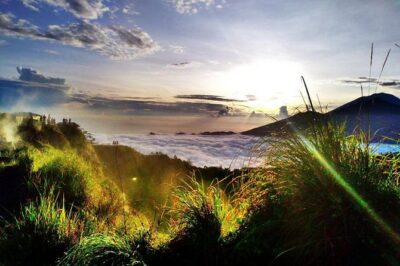
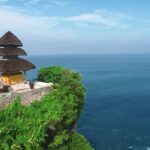
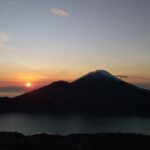
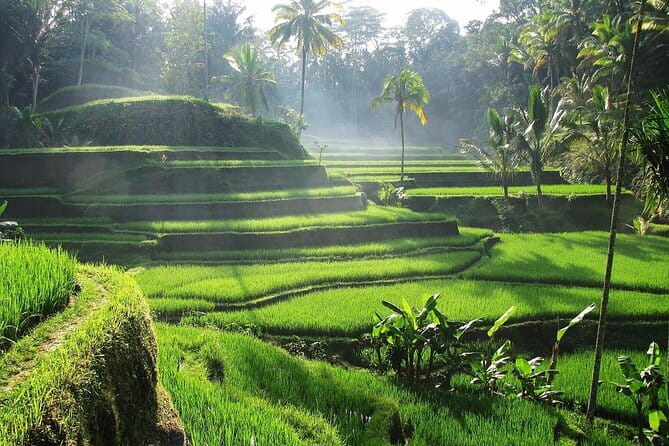
Lake Batur is where the scenery helps you reset. You’ll spend around 2 hours enjoying the views of Mount Batur and Danau Batur. Even if you’re the kind of traveler who thinks you’ve seen “mountains already,” the way this lake sits in the volcanic setting tends to change the mood.
This is also where the included boat ticket starts to make sense. You can expect some time that connects the Trunyan/lake area to a water-level perspective, not only a roadside view. The goal is to make the day feel like a full region experience, not just a land-based ritual tour.
One extra tip from the reviews: when you’re on the lake, ask about nearby hot springs as a way to round out the outing. The tour doesn’t spell it out as a dedicated stop in the core description, so don’t assume it’s guaranteed. But it’s a smart question to bring to your guide during the Lake Batur window.
The Guides: Why a Good One Changes Everything
A tour about death customs lives or dies on interpretation. That’s why the live tour guide matters so much here, and why the guide names mentioned in feedback stand out.
I’ve seen praise for guides including Tagu, Ade, and Gede, with notes about being friendly, supportive, and strong at explaining the story behind what you’re seeing. That kind of guidance helps you avoid the two extremes: either treating it like a spectacle, or missing the real meaning because you didn’t get the context.
If you can, ask your guide questions early in the day. Not big philosophical debates. Just simple things like what to watch for, how the ceremony is understood locally, and what part of the symbolism is most important for you to remember afterward. A good guide will steer you toward respectful, useful answers.
What to Pack and How to Prepare for a Sensitive Day
You don’t need special gear, but you do need the right mindset.
For clothing, plan for temple expectations and heat. You’ll have a sarong provided for temple entry, but you’ll still feel better if you wear comfortable, modest clothing that you can move in. Bring a light layer for air-conditioned vehicle time, since that contrast can be real.
Also bring a water plan. Bottled water is included, which is a big help for a long day. If you’re the sort of person who snacks frequently, carry something small since lunch isn’t included.
Most importantly, prepare emotionally. This day covers death-related rituals and practices. If you go with respectful curiosity, you’ll usually come away with understanding rather than discomfort.
Who This Tour Fits Best (and Who Might Feel Wrong-Fit)
This tour is best for you if:
- you like culture-based travel where meaning matters more than perfect beach weather
- you’re curious about how communities connect nature, ritual, and life transitions
- you want a private day trip with a guide who can explain sensitive topics
It may feel like the wrong choice if:
- you want only light entertainment and casual photo stops
- you strongly dislike cemetery settings or subject matter related to death
- you’re short on time and can’t spare a full day from Ubud
If you’re in Ubud and looking for something genuinely unusual, this is one of the few options in Bali that mixes spiritual context with a real sense of place.
Should You Book the Bali Private Mystic Death Tour In Trunyan?
Book it if you want an experience that’s more about understanding than collecting. The value comes from what’s handled for you: private transport, live guidance, and included tickets across multiple meaningful stops. Kehen Temple and Lake Batur also help balance the day, so it’s not all heavy subject matter.
Skip it (or choose a different tour) if you’re easily disturbed by cemetery settings or you’re traveling with a group that won’t handle sensitive cultural topics calmly. And if you’re staying far from Ubud, plan for a longer drive day.
If you do book, go in with respect, ask your guide questions, and give the day enough time to land. That’s when it turns from unusual sightseeing into something you’ll remember.
FAQ
How long is the Bali Private Mystic Death Tour in Trunyan?
The tour lasts about 6 to 8 hours.
Where does the tour start and end?
It starts at Ubud Palace and ends back at the meeting point.
Is the tour private?
Yes. It’s private, so only your group participates.
What’s included in the ticket price?
Included are bottled water, an air-conditioned vehicle, parking fees, entrance tickets, a live tour guide, a boat ticket, and a sarong at the temple.
Is lunch included?
No, lunch isn’t included.
What are the main stops on the tour?
You’ll visit Kehen Temple, Trunyan Cemetery, Bayung Gede, and Lake Batur.
Do I need to pay for admission at Bayung Gede?
Admission at Bayung Gede is listed as free.
What should I wear for temple visits?
The tour provides a sarong at the temple, and you’ll want to dress modestly and comfortably for warm weather.
Is pickup available?
Pickup is offered, and the tour lists Ubud Palace as the start and end point.
What’s the cancellation policy?
Cancellation is free up to 24 hours in advance for a full refund.