REVIEW · KUTA
Bali Tour : Best Attractions in Ubud with Rice Terrace
Book on Viator →Operated by Rukmana Bali Tour · Bookable on Viator
Rice terraces, monkeys, and temples in one day. That’s the hook with this Ubud route, built for first-timers who want Bali’s highlights without hunting for a taxi all day. You get a private-car style outing that strings together forest spirituality, iconic photos, and a real-world art market stop—plus onboard Wi‑Fi so you’re not burning money on roaming.
What I like most is how the day balances nature and culture. You spend serious time at Sacred Monkey Forest Sanctuary, then you follow with the big visual hits at Tegalalang Rice Terrace and Tegenungan Waterfall. Another strong point: you’re not left to manage logistics, since pickup and round-trip transfers are part of the plan.
One drawback to plan around is timing. Bali traffic can be brutal, and when roads slow down, the order of stops or exact pacing can shift.
In This Review
- Key Things That Make This Ubud Tour Worth Your Time
- How a One-Day Ubud Route Keeps You From Wasting Time
- Sacred Monkey Forest Sanctuary: More Than a Fast Photo Stop
- Elephant Cave and Temple Grounds: A Quiet Pause in the Middle
- Tegalalang Rice Terrace: How to Enjoy the Most-Photographed Views
- Tegenungan Waterfall: Built for Visitors, Still Worth the Trip
- Saraswati Temple and the Ubud Art Market: Culture With a Shopping Stop
- Private Car, Wi‑Fi, and Bali Traffic: What Really Affects Your Day
- Price and Value: When $25 Makes Sense
- Who This Ubud Day Works Best For
- Should You Book This Ubud Best Attractions Route?
- FAQ
- How long is the Ubud tour?
- What’s the price per person?
- Is hotel pickup included?
- Is this tour private?
- Do you provide entrance tickets, or is it transport-only?
- What’s the cancellation policy if plans change?
Key Things That Make This Ubud Tour Worth Your Time

- Private-vehicle comfort: only your group rides together for a calmer, less chaotic day.
- Onboard Wi‑Fi: helpful for maps, messaging, and sharing photos without roaming.
- Monkey Forest gets the time it deserves: this isn’t a quick walk-by.
- Tegalalang rice terraces are treated like a main event with dedicated time for photos.
- Tegenungan Waterfall is set up for easy visiting with maintained stairs and safety-focused access.
- Culture stops beyond the obvious: Saraswati Temple and the Ubud Traditional Art Market add depth.
How a One-Day Ubud Route Keeps You From Wasting Time
Ubud can feel like a buffet: temples, waterfalls, art, rice views, and snack stops everywhere. The value of this tour is that it picks a sensible route and then actually gives you a schedule that fits real travel time. You’re looking at about 8 to 10 hours, which is long enough to feel like a full day, but not so long that you’re cooked by late afternoon.
You also get a big practical win with pickup. The tour offers hassle-free transfers from hotels in Ubud and from main south Bali areas. That matters because getting around Bali isn’t just about distance—it’s about traffic and the stress of coordinating rides in between stops.
Then there’s the comfort factor. This is a private tour/activity, meaning only your group participates. That keeps the vibe more relaxed, especially if you’re traveling with family or you just want fewer voices and fewer stops that feel like a conveyor belt.
I also appreciate that you can choose the level of payments. The plan is transport-focused, with an option to upgrade and include entrance fees. If you’re watching your budget, transport-only is a cleaner way to pay. If you prefer less mental math at each gate, the upgrade helps you keep the day smoother.
You can also read our reviews of more tours and experiences in Kuta.



Sacred Monkey Forest Sanctuary: More Than a Fast Photo Stop
The day kicks off at Sacred Monkey Forest Sanctuary, and the time block is generous. You’re set to spend around two hours here, which is exactly what you want. Monkey Forest isn’t just “see monkeys, leave.” It’s a Hindu area inside a forested compound, with temple walls surrounding the space and the whole place feeling deliberately sacred.
This longer stop helps for two reasons. First, you can move at your pace through paths and viewing areas without feeling rushed. Second, monkey encounters can be unpredictable—sometimes you see more, sometimes less. When you’re not on a tight timer, you can adjust and still enjoy the atmosphere.
One practical tip: dress and behave like you’re visiting a temple setting. That means keep your hands and personal items secure around monkeys. It’s also smart to have a plan for your belongings so you aren’t scrambling while everyone else is already walking.
If you like nature and culture together, this is a strong opener. It sets the tone for the rest of the day: Bali isn’t only about landmarks; it’s about how daily life and spirituality share the same physical space.
Elephant Cave and Temple Grounds: A Quiet Pause in the Middle
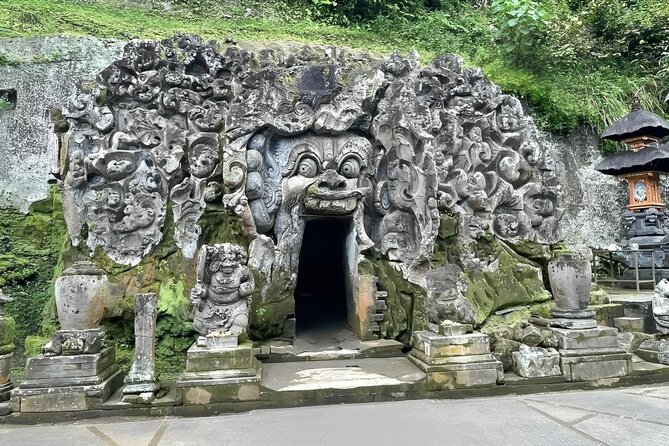
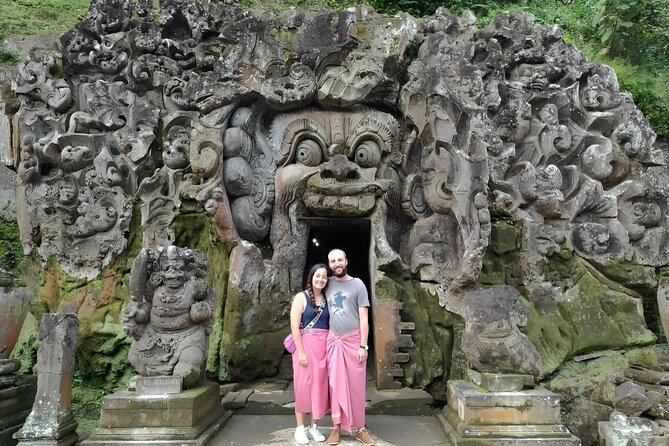
After Monkey Forest, you head to Elephant Cave, a temple complex not far from Ubud. This stop lasts about one hour, which is enough time to wander without turning the day into a marathon.
Elephant Cave is described as a site tied to early construction, said to date back to the 9th century, and it sits in lush greenery. What you get from a stop like this is a different rhythm than the rice terraces and waterfalls. It’s calmer. You can slow down, look closely at the temple setting, and enjoy the way the surrounding vegetation frames the area.
Because it’s a temple complex, you’ll want to be respectful with footwear and clothing. Even when a visit feels like a sightseeing stop, Bali temples tend to reward a mindful approach. The upside is that this hour can become one of the more memorable parts of your day, especially if you’re tired of just snapping photos and moving on.
Tegalalang Rice Terrace: How to Enjoy the Most-Photographed Views
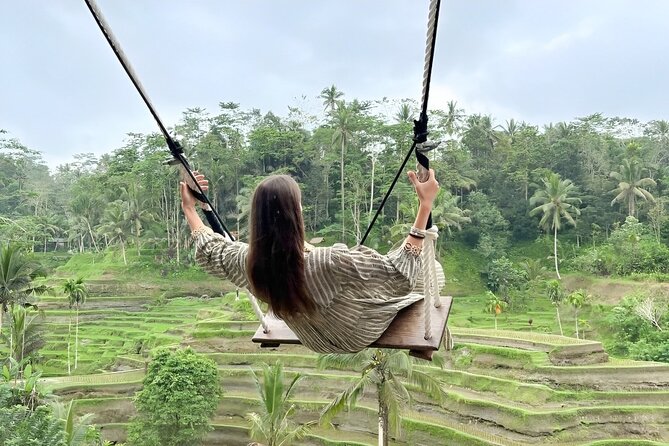
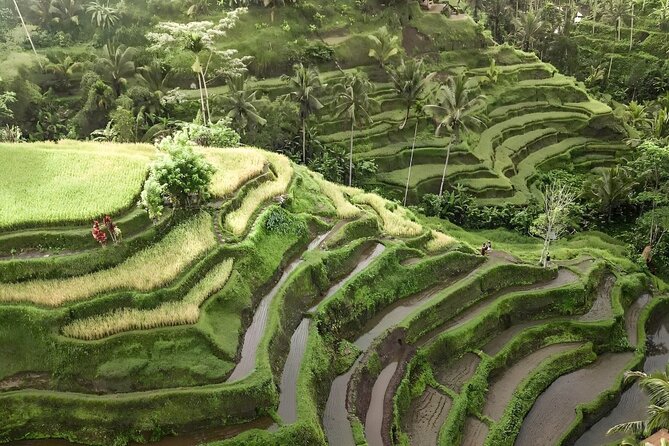
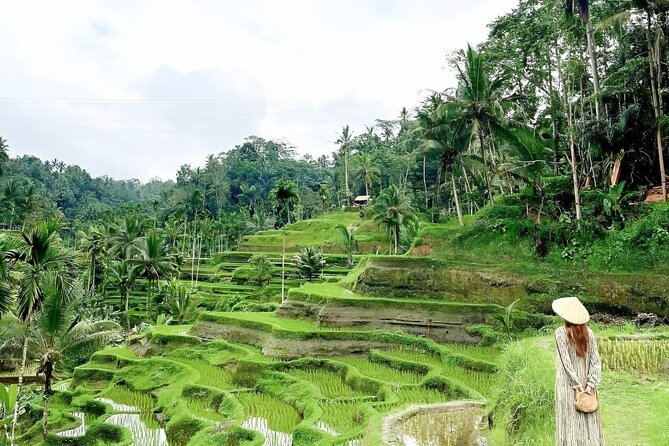
Then comes Tegalalang Rice Terrace—one of Bali’s most-recognizable views. You get about one hour here, and that time matters. Rice terraces look flat in photos, but in person you notice depth: layered slopes, carved lines, and the way water management shapes the whole scene.
You’ll probably see why this area is such a photo magnet. The terraces create natural leading lines for composition, and the green hills give you a backdrop that works for almost any angle. If you’re the kind of traveler who cares about getting a few good shots, one hour is a fair amount of time to try spots, step back, and let the light shift a bit.
The best way to use your hour is to avoid doing everything at maximum speed. Instead, plan for a slow loop: one side for wide views, another for close texture. If you’re traveling with someone less obsessed with photos, this is still a good stop because you can talk and simply enjoy the scenery without needing to “perform” every minute.
Tegenungan Waterfall: Built for Visitors, Still Worth the Trip

From terraces, you shift to Tegenungan Waterfall, another Ubud classic. You’re allotted about one hour here.
What stands out in the tour notes is that the location is well maintained. Even the stairs down are described as pretty safe, which is useful to know if you’re traveling with older family members or you just don’t love sketchy steps. That doesn’t mean you ignore your own comfort level, but it does mean you can plan your visit with more confidence.
Waterfalls can be crowded, and Tegenungan tends to be popular. So I’d treat this as a “go, enjoy, and don’t overstay” stop. Get your photos, take in the sound, walk to a comfortable viewpoint, then move on. When you’re on a tight day, you’ll enjoy it more than trying to squeeze in every possible angle.
If you’re going in dry season, you’ll still want to dress smart. Wear shoes with traction and keep in mind that wet surfaces can sneak up on you. The waterfall experience is simple—but physics remains physics.




Saraswati Temple and the Ubud Art Market: Culture With a Shopping Stop
Two final stops add balance: Saraswati Temple and the Ubud Traditional Art Market.
Saraswati Temple is tied to Goddess of Knowledge, Saraswati, and the tour description focuses on artistic details. Compared with other temples, this one includes a pool with lotuses, which makes for a more visually “designed” temple setting. You get about one hour, so you can take your time without cutting it short.
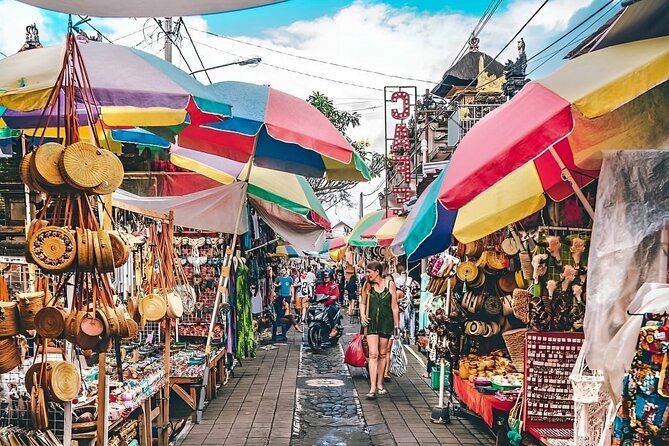
Then the Ubud Traditional Art Market adds a totally different energy. It’s described as chaotic in the way a hippie village can feel, but organized in a practical way. This is the spot if you want souvenirs and handcrafted items—especially woven bags, silk scarves, and hand-made style goods.
Here’s how to shop smart. Walk through once without buying. Then return with a shortlist. Markets like this can tempt you into buying quickly, and Ubud has plenty of options. You’ll get better results if you treat it like browsing with a purpose, not like impulse therapy.
Even if shopping isn’t your thing, the market is still worth visiting because it gives you a feel for everyday commerce and local creativity. You’ll likely come away with something small that actually fits the day you had.
Private Car, Wi‑Fi, and Bali Traffic: What Really Affects Your Day
This is where the tour earns trust: you’re using a private vehicle and not piecing together transit by yourself. You also have onboard Wi‑Fi, which sounds small until you need it. You can check directions, find a meeting point if plans change, and keep your phone useful without worrying about roaming charges.
The traffic reality is the tradeoff. One experience note highlights that traffic jams can be terrible, and parts of the schedule might get adjusted. That matches how Bali days tend to work: roads can turn a “one hour” drive into a longer one fast.
What helps is how the tour handles the day when traffic changes. In some cases, guides adjust routing to maximize the number of places you hit, and there’s an emphasis on knowledgeable guidance—plus smooth driving. You might even notice a team feel where the guide and driver work together to keep things moving, like scenarios where a guide such as Tude leads the storytelling and the drive is handled by someone like Mery, sometimes with another driver partner such as Sopian.
No matter what team you get, you should go in with a flexible mindset. If you keep expectations realistic—arrive a little ready for delays—you’ll enjoy the stops more and stress less.
Price and Value: When $25 Makes Sense
At $25 per person, this tour is priced like a budget-friendly way to hit the core Ubud attractions without wasting time. The key question is what you’re buying for that money: transportation, a private vehicle setup, pickup transfers, Wi‑Fi, and a routed day through multiple sites.
Also note the booking pattern. On average, it’s booked about 45 days in advance, which tells me people plan this as a “must-do” day. That can help you too: earlier booking can make it easier to line up the rest of your trip, especially if you’re visiting during peak travel weeks.
Entrance fees are the main variable. The tour offers a transport-only package and an option to upgrade for entrance fees. If your main goal is “I just want to see these places,” transport-only can keep your spending tidy. If you hate last-minute payment moments, the upgrade can smooth the whole experience.
The tour is also rated very highly, with an overall rating of 4.9 and a recommendation score of 100%. That doesn’t mean every minute is perfect, but it does suggest the day works well for most people.
Who This Ubud Day Works Best For
This is a good fit if:
- You’re a first-timer in Bali and you want a single day that covers the big icons: Monkey Forest, rice terraces, and a major waterfall.
- You’d rather ride in comfort with pickup than figure out each leg on your own.
- You like a mix of nature sights and cultural stops, including a temple plus market time.
It may be less ideal if:
- You need strict, clockwork timing and you’re easily stressed by traffic.
- You only want one or two stops and would rather keep the day lighter.
Should You Book This Ubud Best Attractions Route?
My take: book it if you want a structured, high-hit-rate day in Ubud. The combination of Monkey Forest, Tegalalang rice terraces, and Tegenungan Waterfall is a classic trio. Add Saraswati Temple for culture, plus Ubud Art Market for real shopping, and you’ve got a day that feels like it belongs in a first Bali trip.
I’d also book it if you appreciate practical touches like pickup and onboard Wi‑Fi. Those details reduce friction, especially when your day depends on roads and timing.
Just don’t pretend traffic won’t affect you. Go in flexible, wear good walking shoes, and treat the day like a guided route through Bali’s best-known experiences rather than a tightly scheduled machine.
If the day’s weather looks sketchy, remember that this experience requires good weather, and there’s an option to switch dates or get a full refund if poor weather cancels it. That safety net helps.
FAQ
How long is the Ubud tour?
It runs about 8 to 10 hours.
What’s the price per person?
The tour is priced at $25.00 per person.
Is hotel pickup included?
Yes. Pickup is offered, with hassle-free transfers from hotels in Ubud and from main south Bali hot spots.
Is this tour private?
Yes. It’s a private tour/activity, so only your group participates.
Do you provide entrance tickets, or is it transport-only?
You can book a transport-only package, or upgrade to include entrance fees.
What’s the cancellation policy if plans change?
You can cancel for free up to 24 hours in advance for a full refund. If it’s canceled due to poor weather, you’ll be offered a different date or a full refund.