REVIEW · UBUD
Balinese Cooking Class with Traditional Market Tour
Book on Viator →Operated by Bali SUN Tours · Bookable on Viator
A morning market and a mortar-stone paste start this tour. It’s a simple idea: shop like locals, cook like locals, then eat what you make in a traditional open kitchen. You also get the kind of access you can’t buy at a restaurant, because you’re learning how the food is built from the ground up.
Two things I like a lot are the small group size (personal attention without feeling cramped) and the hands-on focus on real Balinese technique, including stone mortar grinding and paste making. You’re not just watching; you’re actively cooking, then sitting down to a meal that feels earned.
One possible drawback: it’s a full morning with a lot of effort. You’ll be standing, chopping, grinding, and cooking for hours, so if you want a relaxed, sit-back-and-snack experience, this may feel like more work than you expect.
In This Review
- Key things to know before you go
- Ubud market tour at 7:30am: your ingredient “source code”
- Organic garden spice basics: herbs, spices, and the “why”
- Stone mortar technique: learning Balinese paste the hands-on way
- Cooking in a traditional open kitchen: 5 dishes plus dessert, made by you
- The lunch you create: your 5-course meal and the “come hungry” effect
- Door-to-door pickup, total time, and group size that actually works
- Price in context: is $58.16 good value?
- Who should book this Balinese cooking class in Ubud
- Should you book? My honest take
- FAQ
- Is hotel pickup and drop-off included?
- Where does the tour take place?
- How long is the experience?
- What time does the tour start?
- How many people are in the group?
- What’s included in the meal?
- Can I cancel for a refund?
Key things to know before you go
- Market timing at 7:30am keeps you in cooler morning air while you shop for ingredients.
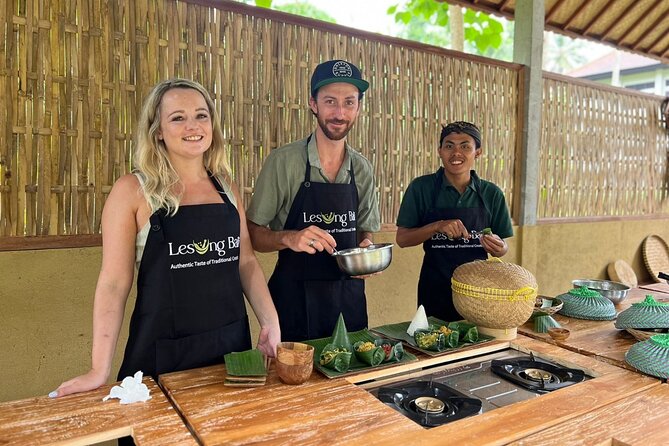
- Stone mortar prep teaches you two spice-prep styles: chopped and mortar-ground.
- Organic garden herbs and spices add a real ingredient backstory before you cook.
- Five savory dishes plus dessert means you’ll eat what you make, not just taste a bite.
- Door-to-door pickup helps you avoid Ubud traffic stress on a schedule-tight morning.
- Group of four to 12 gives you chances to ask questions without losing the class flow.
Ubud market tour at 7:30am: your ingredient “source code”
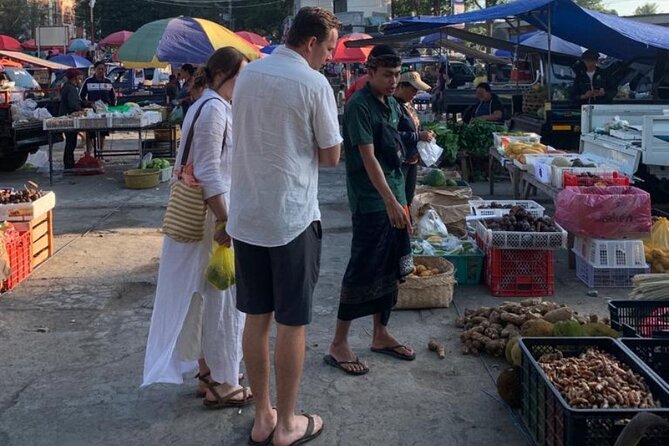
The day starts early, with a pickup from your accommodation and a direct run to a traditional market. The market visit begins around 7:30am and typically runs until about 8:00am, which is great because it’s not yet hot and your ingredients are fresh and lively. This short window matters. Markets can be information-heavy, so you get enough time to see how things work without dragging the morning into late breakfast.
This is where you’ll see Balinese everyday routines in action. The guide takes you through the produce and food items you’ll later cook with, and you also hear cultural context as you walk. In one review, Ron was praised for explaining different vegetables and fruit and tying it to Balinese traditions. Another review called out Nyoman for escorting guests around and helping everything make sense while you browse.
What I’d do before you arrive: come with a curious mindset, not a shopping list. The point here isn’t to buy souvenirs. It’s to understand what you’re about to cook and why those ingredients show up again and again in Balinese flavors.
Practical note: the experience includes a welcome drink and snack, plus bottled water. That helps keep the early pace comfortable, especially because the day moves fast from shopping to cooking.
You can also read our reviews of more shopping tours in Ubud

Organic garden spice basics: herbs, spices, and the “why”
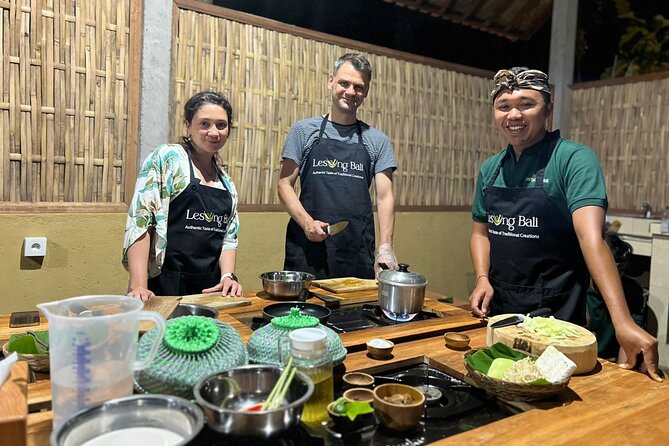
After the market, you head to an organic garden area where your guide introduces herbs and spices you’ll use later. This isn’t just trivia. When you learn which plant parts are used and how they’re prepared, the cooking lesson becomes clearer and you’ll follow the steps with more confidence.
The garden segment is also a good mental reset. You’re coming off a sensory overload in the market, then you shift into explanation and ingredient context. You’ll get a feel for how the flavors connect: herbs and spices aren’t random. They’re part of a system.
This part matters because Balinese cooking often relies on paste and sauce preparation. Reviews specifically highlight this as one of the most interesting and important aspects. That’s the core skill you’ll practice next: turning fresh components into structured flavor.
Stone mortar technique: learning Balinese paste the hands-on way
Here’s where the class becomes real. You learn to process food using traditional utensils and techniques, with a big emphasis on paste and sauce prep. The lesson covers two ways of preparing spices: chopped on a wooden chopping block and ground in a stone mortar before cooking.
You’ll likely notice a difference in texture and how the paste behaves when it hits heat. That’s the point of the stone mortar lesson. Grinding changes the feel and release of flavors. It’s also slower than a modern blender, which forces you to pay attention to consistency.
And you’re doing it yourself. All prep work and cooking are hands-on, performed by you. In reviews, people repeatedly mention how full-on the class is, with one person stressing to come hungry because the effort pays off with a satisfying lunch.
If you’re the type who likes to understand technique (not just follow steps), you’ll enjoy this section. If you’re looking for pure relaxation, the mortar and paste work can feel like a workout.
Cooking in a traditional open kitchen: 5 dishes plus dessert, made by you
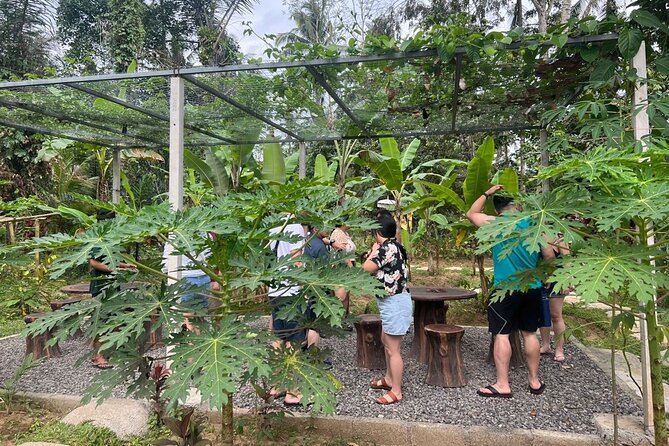
Your cooking lesson happens in a Balinese kitchen setting, described as a traditional open kitchen. That matters for atmosphere, but it also affects the learning style. You’re cooking in the same space where the instructor explains and where you can watch others’ progress. It’s easier to ask questions and correct your technique while you’re in the middle of it.
The class focuses on Balinese cooking techniques and preparation methods, including those paste and sauce skills you practiced earlier. Then you work through making a full meal: 5 dishes and 1 dessert.
Because it’s a small group, you’re not lost in the crowd. The experience highlights personalized attention in a group of four to 12 people. Reviews also mention strong English support from the pickup driver, Yoga, and helpful guidance from the instructor. That combo helps a lot, especially when you’re doing hands-on prep where a missing step can throw everything off.
One more thing: the compound-home setting is part of the authenticity. Instead of a showroom kitchen, you’re learning in a traditional style. Even if you’re only visiting for a few hours, it gives you a better sense of how cooking fits into daily life.
The lunch you create: your 5-course meal and the “come hungry” effect
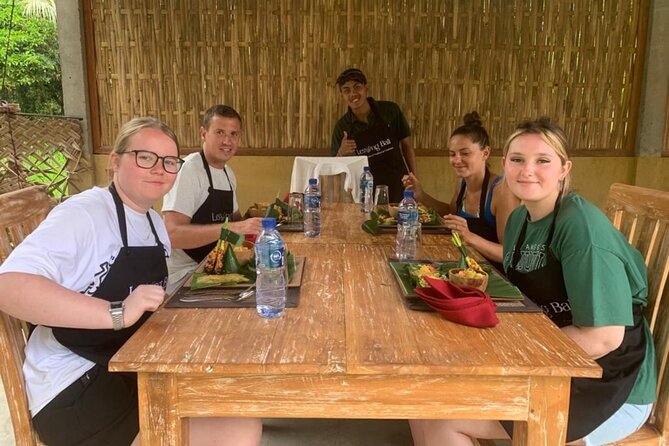
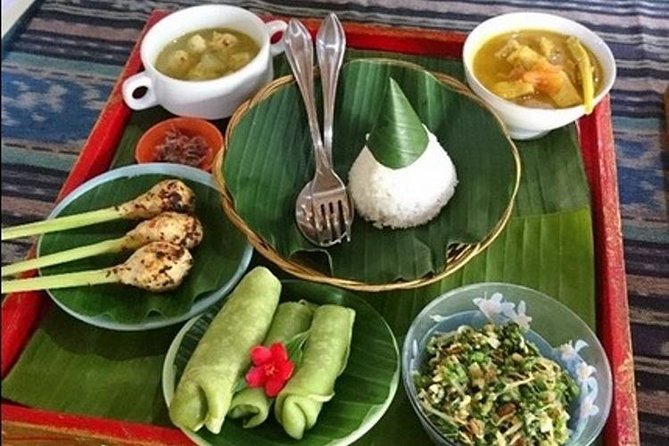
After the cooking lesson, you eat the lunch made from your own work. This is one of the best parts of the entire experience because you’re not just tasting samples. You’re sitting down to a 5-course lunch plus dessert, and the meal reflects what you actually learned and made.
This meal is also why the class is worth the price. Many tours give you a small tasting portion and call it a win. Here, the structure is built around finishing a full set of dishes. One review called it lovely lunch and noted they couldn’t finish it, which is a strong hint that portions aren’t tiny.
I like that lunch is built into the experience timeline. It reduces decision fatigue. You don’t have to hunt for food afterward or hope you’ll find something that matches your schedule. After you finish eating, you’ll get ready for the drop-off back to your original pickup point.
You’ll also receive a certificate of cooking class. It’s not a life-changing document, but it’s a nice souvenir you can keep without overthinking it.
You can also read our reviews of more tours and experiences in Ubud





Door-to-door pickup, total time, and group size that actually works
The timing is something you should plan around. The cooking class portion is listed at about 2 hours 30 minutes, but the total experience from pickup to drop off is approximately 6 hours. That’s typical for a morning class with a market stop and some travel time, but it’s still worth knowing so you can guard your afternoon.
Start time is 7:30am, and the market begins around then. If you like to keep your day flexible, you’ll probably appreciate that you’ll likely be back later in the morning or early afternoon, depending on where you’re picked up.
Transfers are door-to-door. That’s a big deal in Ubud, where getting across town can take longer than you expect. In a review, the driver Yoga was praised for picking up exactly on time and speaking good English, which is exactly what you want when the start is early.
Group size is capped in a way that keeps the experience manageable: the class can accommodate up to 12, and there’s a maximum of 6 people per booking. Translation: you’re unlikely to be swallowed by a giant class. You should have enough interaction for questions and technique corrections.
If you’re traveling as a couple or small group, this style also works well because you’ll share the learning with people around you. It’s not built for solo travelers to be treated like an afterthought, either, since attention is highlighted as personalized.
Price in context: is $58.16 good value?
The price is $58.16 per person, and it’s commonly booked about 21 days in advance. I don’t love judging value by cost alone, but here the inclusions are substantial:
- pickup and drop-off
- traditional market visit
- welcome drink and snack
- cooking instructor
- lunch of all the dishes you made
- bottled water
- certificate
- 5 dishes and 1 dessert
When a class includes both the ingredient shopping piece and the full meal outcome, you’re not paying for education only. You’re paying for a guided cultural morning, instruction, and a lot of food. That makes the math easier to swallow than a cooking class that leaves you hungry afterward or sends you to your own restaurant plans.
So for me, this sits in the category of: pay once, leave fed, and take home real skills you can repeat later.
One more value point: the experience encourages you to learn the technique, not just the flavors. Stone mortar grinding and paste prep are things you can practice at home with different tools later. Even if you don’t recreate Balinese kitchens exactly, you’ll understand what to aim for.
Who should book this Balinese cooking class in Ubud
You should book if you want a morning that feels both practical and cultural. This is ideal for people who love food and want the story behind it: how ingredients are selected at market level, how herbs and spices translate into paste, and how cooking steps build toward a full meal.
It’s also a good fit if you like group learning with real instructor attention. The experience is designed for a small group dynamic, and reviews point to guides like Ron and Nyoman providing clear explanations during the market portion.
You might skip it if you’re not comfortable with active prep and cooking. This is not a light walk-and-watch demo. Reviews describe the cooking as full on, and the day is built around doing the work.
Also, consider the schedule if you’re traveling with kids or if you hate early starts. The day begins at 7:30am and runs about 6 hours door-to-door, so plan your afternoon accordingly.
Should you book? My honest take
If you’re in Ubud and you want an authentic food experience that goes beyond tasting, I think this is a strong choice. The combination of traditional market shopping, organic garden ingredient introduction, and hands-on Balinese paste technique makes the cooking instruction stick. Then you cash it out with a real 5-course lunch you made yourself.
Book it if early mornings don’t bother you and you’re happy to cook. Skip it if you want a more laid-back cultural activity or if your idea of cooking is mostly eating.
FAQ
Is hotel pickup and drop-off included?
Yes. The experience includes hotel pickup and drop-off from your accommodation.
Where does the tour take place?
It takes place in Ubud, Indonesia, with a traditional market visit and cooking instruction in the kitchen setting afterward.
How long is the experience?
Cooking is listed at about 2 hours 30 minutes, and the overall experience from pickup to drop-off is approximately 6 hours.
What time does the tour start?
The start time is 7:30am, and the traditional market visit begins around 7:30am to 8:00am.
How many people are in the group?
Personal attention is supported with groups of four to 12 people. There is also a maximum of 6 people per booking.
What’s included in the meal?
You’ll enjoy a lunch that includes all the dishes you make: 5 dishes and 1 dessert, plus a welcome drink and snack.
Can I cancel for a refund?
Yes. Free cancellation is available if you cancel up to 24 hours in advance of the experience’s start time, based on local time.