REVIEW · SEMINYAK
Canggu Motorbike Lessons
Book on Viator →Operated by Canggu Scooter Lessons · Bookable on Viator
Learning to ride in Bali feels easier when someone teaches you the why, not just the what. This 2-hour manual motorbike lesson in Canggu (near Seminyak) starts with theory and then moves step-by-step into clutch, gears, hill starts, and emergency braking on a quiet street before you go further.
I especially like the clear progression: first control the bike in basics, then ride when you’re ready. You also get real support equipment, including a helmet, bottled water, and knee and elbow protectors.
One thing to consider: this is a manual motorbike lesson, not a scooter, and you’re expected to have prior scooter experience plus a valid license.
In This Review
- Key things that make this lesson work
- Why Canggu Manual Motorcycle Lessons Feel Like the Right First Step
- Meeting Point in Canggu: A Quiet Start Before the Busy Stuff
- Two Hours of Skills: Theory, Clutch Control, and Hill Starts
- 1) Quick theory so the bike makes sense
- 2) Basics in the training phase: clutch, gears, and control
- 3) Hill starts and the low-speed moments that matter
- From Basics to Street Riding: How You Know You’re Ready
- Safety Gear and Instructor Style: What People Are Praising
- Price and Value: Is $35 Really Enough?
- What’s Not Included (and How to Plan Around It)
- Who This Lesson Suits Best
- Quick Prep Checklist for Your 9:00 am Lesson
- Weather, Scheduling, and Keeping Your Day Simple
- Should You Book Canggu Motorbike Lessons?
- FAQ
- What is the duration of Canggu Motorbike Lessons?
- Where does the lesson start?
- What time does the lesson begin?
- Is this a scooter lesson or a motorbike lesson?
- Do I need scooter experience before taking the class?
- What is included in the price?
- Do I need a license?
- Is transportation included from your hotel?
- What happens if weather is bad?
- Cancellation Policy (Quick Take)
Key things that make this lesson work
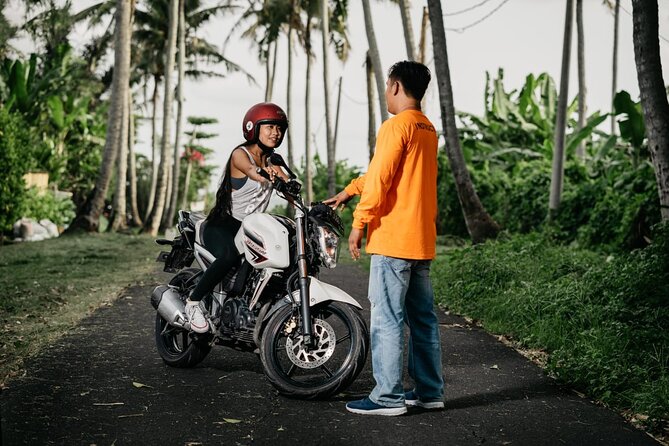
- Manual focus, real clutch and gears: you learn the parts that most first-timers struggle with.
- Theory before you roll: you get a quick explanation of how the bike works and what controls do.
- Progression based on readiness: you only move to street riding after you’re confident.
- Hill starts and emergency braking: the skills that matter when traffic gets chaotic.
- Safety gear included: helmet plus knee and elbow protectors help you concentrate.
- Instructor coaching that builds calm: people specifically mention reassurance and slow pacing from instructors like Rico, Dino, and Gede.
Why Canggu Manual Motorcycle Lessons Feel Like the Right First Step
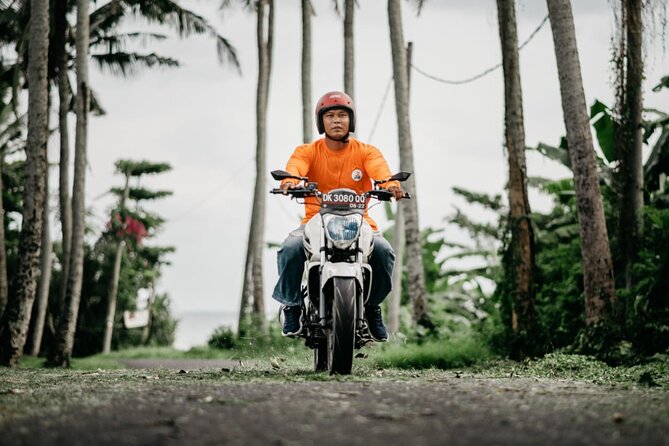
Canggu can be a fun base, but traffic there is not a video game. The best part of this lesson is that it treats riding as a skill you build, not a thing you hope to figure out on day one.
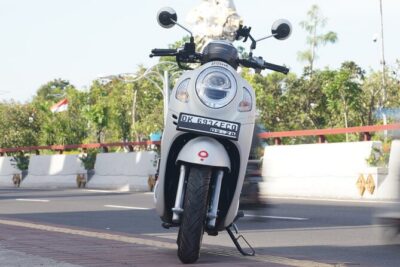
This training is for a manual motorbike. That matters because the biggest jump from scooter riding is usually not balance—it’s the clutch, gear changes, and how the bike behaves when you’re starting from a stop. If you already know the rhythm of riding a scooter, you can put that experience to work while your instructor brings you through the manual details.
Also, the lesson is short enough to keep your brain from frying. Two hours is enough time to get muscle memory started, not enough time for boredom. If you’ve been thinking, I want to ride here but I’m nervous, this format is exactly the kind of structure that turns nerves into competence.
You can also read our reviews of more tours and experiences in Seminyak


Meeting Point in Canggu: A Quiet Start Before the Busy Stuff
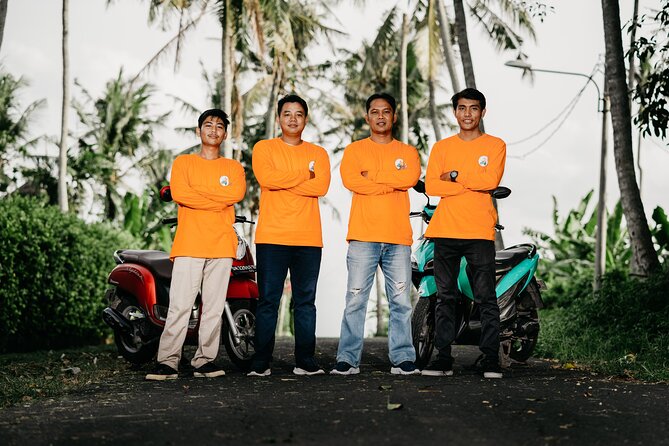
You start at the C.S.L Meeting Point in Canggu, near Kuta Utara, at 9:00 am. The meeting point is on a quiet village street, which is a smart choice for early training—your first minutes shouldn’t be spent dodging scooters, judging gaps, or trying to find your instructor with shaking hands.
The activity runs as a private session, so your group stays with the instructor rather than being mixed into a random crowd. That’s practical because early riding errors are easier to correct when someone can watch you closely and explain what to do next.
You’ll end back at the same meeting point. That’s helpful because it keeps the day simple: one appointment, one lesson, no extra “where do we go now?” stress.
Two Hours of Skills: Theory, Clutch Control, and Hill Starts
Here’s how the lesson is designed to make you safer faster.
1) Quick theory so the bike makes sense
Before you ride, you’ll get a theory session about how the motorbike works and what each control is doing. This is not just trivia. When you understand what the clutch, gears, and brakes actually manage, you stop guessing and you start making consistent moves.
2) Basics in the training phase: clutch, gears, and control
Next comes the hands-on part. You’ll practice core skills like:
- Using the clutch smoothly
- Shifting gears correctly
- Getting comfortable with how the bike responds as you change gears and speed
- Emergency braking basics
This part is where most first-time riders either calm down or panic. The lesson is structured so you build control gradually. If you need a moment, you can take a break time as needed.




3) Hill starts and the low-speed moments that matter
Hill starts are specifically called out, which is good news for Bali riding realism. Real life is not always flat, and getting rolling on a slope without stalling or jerking the bike is part of being in control. Your instructor trains the mechanics of starting and managing the bike when you’re not simply cruising.
And yes—those low-speed moments feel awkward at first. That’s normal. The value here is you learn them while you’re still in a controlled environment, before you have to manage traffic timing.
From Basics to Street Riding: How You Know You’re Ready
One key promise in this lesson is that you don’t jump to street riding immediately. After the basics, your instructor continues the training on a street only when you’re confident.
That matters because confidence isn’t just about feeling brave. It’s about being able to:
- coordinate clutch and gear changes without thinking too hard
- keep the bike stable during slow-speed starts
- respond correctly when you need to slow quickly
When people come out of a lesson feeling ready, it’s usually because they were trained in the order that builds control. The lesson design lines up with that: theory → basics → street riding once you demonstrate competence.
Also, because the meeting area is a quiet village street to begin with, the early “learning the bike” stage happens with less chaos around you. That gives you room to focus.
Safety Gear and Instructor Style: What People Are Praising
This class includes a helmet plus knee and elbow protectors. You also get bottled water. It’s not glamorous, but it’s exactly the right kind of practical support for training—especially when you’re learning how to brake and maneuver.
The standout in the feedback is the instructor style. People specifically mention feeling reassured and confident after learning slowly and methodically. Names that came up include Rico, Dino, and Gede, and they’re described as helpful, calm, and willing to work at the pace that lets you actually understand the steps.
In your own experience, what you should look for is this: do you get instructions that match what your bike is doing? Do you get a chance to repeat clutch and gear actions until they feel natural? The structure of this lesson suggests yes—and that’s why it tends to work for nervous riders.
And a small but important point: it’s required to have experience riding a scooter. That requirement isn’t there to gatekeep you. It helps you skip the absolute fundamentals (balance and riding posture) so you can focus on the manual motorbike challenges.
Price and Value: Is $35 Really Enough?
$35.00 per person for about two hours is a budget-friendly price for hands-on instruction. The value is not just the cost—it’s what you get bundled into that price:
- Motorbike and helmet
- Bottled water
- Knee and elbow protectors
If you tried to learn another way—like renting a bike without instruction or hiring someone informally—you’d likely pay more once you add gear and the time you lose figuring things out. Here, you’re paying for guided learning with equipment ready.
Also, this is booked on average about 5 days in advance. That’s a good sign: it’s popular enough to plan for, but it’s not so locked-in that you can’t find availability if you’re flexible.
Private, short, focused training usually gives you better value than a long, generic tour where you barely get coaching time. This lesson is designed to move quickly toward usable riding skills.
What’s Not Included (and How to Plan Around It)
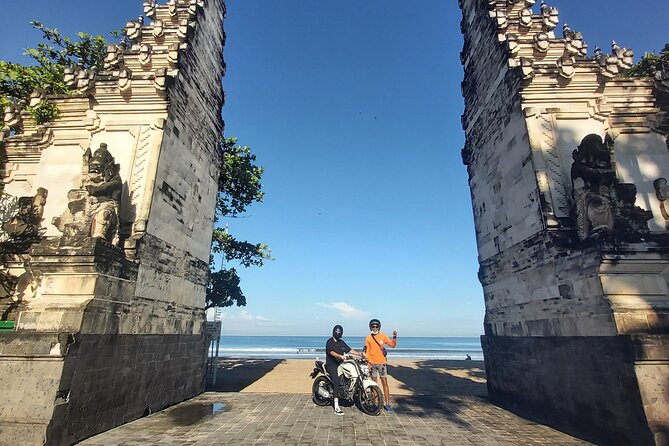
Private transportation is not included. So you’ll want to handle getting to the C.S.L Meeting Point on your own (for example by taxi or ride-hailing from where you’re staying in Seminyak/Canggu area).
Bring this mindset: show up prepared, not frazzled. If you arrive stressed or late, you’ll spend your first learning minutes trying to catch up instead of learning.
Who This Lesson Suits Best
This lesson is best for you if:
- you already have scooter riding experience
- you want to learn the manual motorbike basics, including clutch and gears
- you’d rather practice in steps than get thrown into traffic
- you have a valid license
- you can handle the learning effort with moderate physical fitness
It may not be the right fit if you’re brand-new to motorized two-wheel riding and you only have experience as a passenger. The manual bike skills build on scooter familiarity, and the lesson explicitly notes scooter experience as required.
If you’ve been away from riding for a while due to an accident or fear, this lesson structure can still help, because the coaching approach is aimed at rebuilding comfort with slow pacing and reassurance. People also mention they improved quickly once they felt supported and taught calmly.
Quick Prep Checklist for Your 9:00 am Lesson
Before you go, here are the practical things that matter most based on the lesson rules and what makes training easier:
- Make sure your license is valid. The lesson requires it.
- Plan to bring yourself in “moderate fitness” condition. You’ll be practicing starts, stops, and braking basics.
- Wear clothing that lets you move your legs comfortably for clutch and balance actions.
- Eat and hydrate before you arrive. Bottled water is included, but you’ll ride better if you’re not starting hungry.
Also, remember it’s manual motorbike training. If you’re expecting a scooter lesson, you’ll be in the wrong mindset from the start—and that can make the first attempts harder than they need to be.
Weather, Scheduling, and Keeping Your Day Simple
This experience requires good weather. If it’s canceled due to poor weather, you’ll be offered a different date or a full refund. That’s a smart policy for an outdoor riding lesson where traction and visibility matter.
The lesson has a simple timing structure: start at 9:00 am and finish back at the meeting point after about two hours. That makes it easy to fit into a Bali day without planning your whole schedule around it.
Should You Book Canggu Motorbike Lessons?
I’d say book it if you want a structured, step-by-step way to learn manual motorbike riding near Seminyak/Canggu. For many riders, the biggest win is the progression—starting with theory and controlled basics, then street riding only when you prove you’re ready.
It’s also a good choice if you’re cost-conscious. At $35 with bike, helmet, and protectors included, you’re not paying extra for the safety gear or equipment that makes a real lesson possible.
Don’t book it if you’re missing the prerequisites—especially if you don’t have scooter experience or you don’t have a valid license. This lesson is built for people who want to add manual skills, not for people who are still learning how to ride from zero.
FAQ
What is the duration of Canggu Motorbike Lessons?
The lesson lasts about 2 hours.
Where does the lesson start?
It starts at C.S.L Meeting Point (94GX+FX7, Canggu, Kuta Utara, Badung Regency, Bali 80351, Indonesia).
What time does the lesson begin?
The start time is 9:00 am.
Is this a scooter lesson or a motorbike lesson?
It’s a manual motorbike lesson, not a scooter lesson.
Do I need scooter experience before taking the class?
Yes. The lesson requires experience riding a scooter.
What is included in the price?
Included are the motorbike and helmet, bottled water, and knee and elbow protectors.
Do I need a license?
Yes. Travelers should have a valid license.
Is transportation included from your hotel?
No, private transportation is not included.
What happens if weather is bad?
The experience requires good weather. If it’s canceled due to poor weather, you’ll be offered a different date or a full refund.
Cancellation Policy (Quick Take)
You can cancel up to 24 hours in advance for a full refund, based on local time. If you cancel less than 24 hours before, the amount paid will not be refunded.