REVIEW · UBUD
coconut wine and coffee safary tour
Book on Viator →Operated by ubud fun day trip · Bookable on Viator
One walk, two Bali favorites. This coffee and coconut wine safari mixes hands-on tastings with a real look at how each drink is made. You start in the jungle for the coffee story, then shift to rice fields for a tuak-style coconut harvest moment.
I especially loved the private guide attention—it makes the science and culture parts land faster, and you get practical context as you go. I also liked how the tour is built for taste, not just photos: you leave with multiple samples and a clearer sense of why Balinese coffee and coconut wine are such big deals.
One thing to consider: the ricefield stop involves a trek into softer, wetter ground. If you are not steady on uneven terrain, you’ll want to take it slow and wear footwear with grip.
In This Review
- Key highlights at a glance
- Ubud’s Coffee-and-Coconut Combo, Timed for an Afternoon
- How the Private Guide Changes the Whole Experience
- Stop 1: Uma Pakel Agro Tourism and the Art of Coffee Processing
- The Tasting Part: Coffee, Tea, and What You Might Want to Buy
- Stop 2: Bresela Ricefields and Tuak Harvest from a Coconut Tree
- Comfort, Terrain, and Practical Tips for the Ricefield Walk
- Price Worth It? Breaking Down the $69 Value
- Who This Tour Fits Best (and Who Should Skip It)
- Quick Take on Timing, Weather, and What to Expect
- Should You Book This Coconut Wine and Coffee Safari?
- FAQ
- What time does the tour start in Ubud?
- How long is the coconut wine and coffee safari tour?
- Is hotel pickup and drop-off included?
- Where do we go first, and is admission included?
- Is there admission or a ticket fee for the coconut wine stop?
- What happens if the weather is bad?
Key highlights at a glance
- Uma Pakel Agro Tourism processing by hand: watch the coffee-making steps done in a traditional way.
- Jungle setting for coffee and tea samples: taste in a lush, calm environment rather than a shop counter.
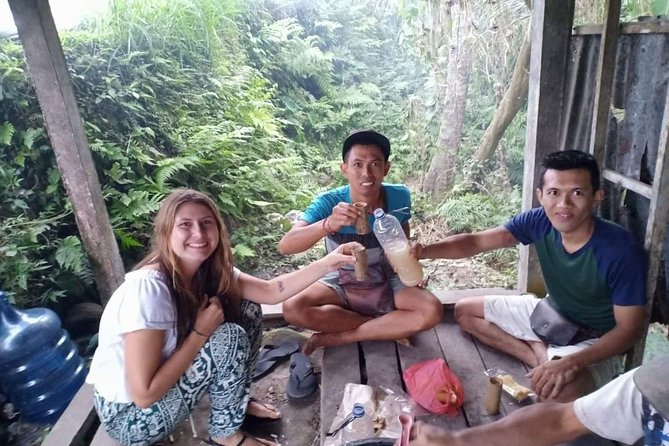
- Bresela in the middle of ricefields: the coconut wine experience is tied to farm life, not a staged bar.
- Tuak harvesting viewpoint: you see how a local farmer harvests coconut sap from up in the tree.
- Private tour with hotel pickup and drop-off: no wrestling with meeting points.
- 3:00 pm start, short time window: good if you want this without committing to an all-day outing.
Ubud’s Coffee-and-Coconut Combo, Timed for an Afternoon
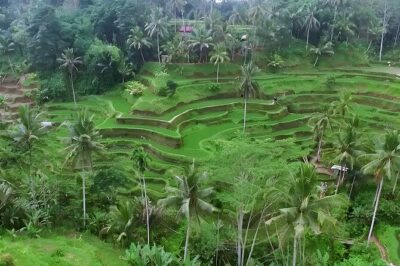
This is one of those tours that feels like two different worlds in one afternoon. You begin with coffee processing in a plantation-style setting, then you end up in rice terrace surroundings where coconut wine is made and sampled in a more village-and-farm rhythm.
The start time matters. With a 3:00 pm departure, you often avoid the hottest part of the day, and the light in Ubud can feel kinder for walking and photos. It also means you can pair this with dinner plans afterward instead of losing an entire day.
The tour runs about 3 hours 30 minutes, so it’s long enough to learn and taste, but short enough that you don’t feel dragged from stop to stop.
You can also read our reviews of more tours and experiences in Ubud.



How the Private Guide Changes the Whole Experience
A private guide is not just a luxury here. It changes how quickly you understand what you’re seeing.
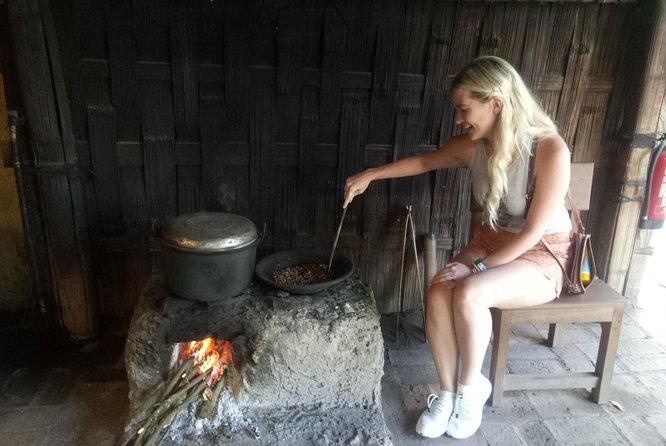
You’ll get insider tips as you move between stops. That’s especially helpful because both coffee and coconut wine can sound simple, but the methods and terminology are specific. When you’re told what you’re looking at—why one step matters, what to notice in the taste—you don’t just drink samples. You connect the flavor to the process.
This is also where guide personality shows up. In past experiences on similar runs, guides such as Oka, Wayan, and Keris have been praised for being friendly and professional, and for explaining the culture behind what you’re tasting. You might not get the same guide, but the tone is typically that hands-on, warm teaching style.
Stop 1: Uma Pakel Agro Tourism and the Art of Coffee Processing
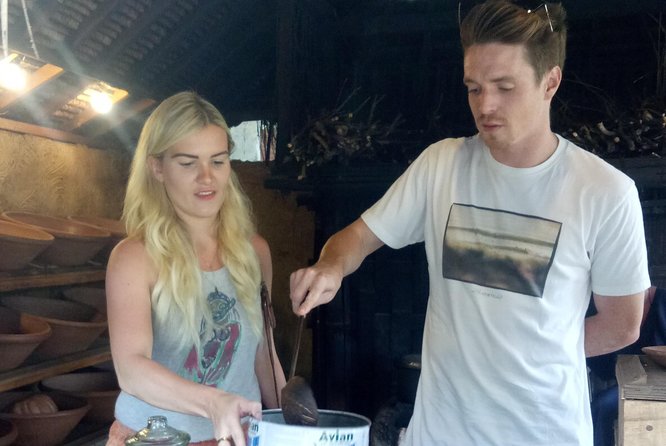
Your first stop is Uma Pakel Agro Tourism, where you’ll spend about 2 hours. This is the part that coffee fans tend to love most, because you’re not just tasting—you’re watching how the coffee is processed by hand in a traditional way.
What I like about this stop is that it grounds the whole tour. Coffee in Bali can feel like a souvenir product until you see the work involved. At Uma Pakel, you get the step-by-step feel of how the processing happens, and why the results can vary.
After the processing talk, you’ll move into the tasting phase surrounded by lush jungle greenery. That matters more than you’d think. You’re calmer, not rushing between stalls, and you can focus on aroma and flavor rather than traffic noise.
The admission for this stop is included, so you don’t have to juggle extra payments mid-tour.
The Tasting Part: Coffee, Tea, and What You Might Want to Buy
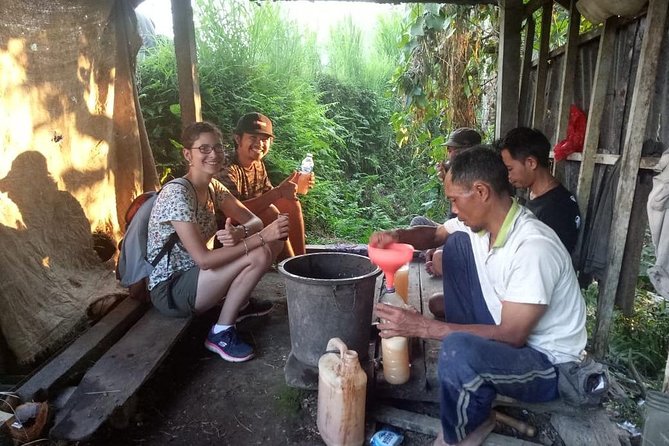
The tasting time is where this tour earns its keep. You’re not limited to one tiny sip. You’re guided through multiple options, and you can compare them without feeling like you’re being sold to.
At least one guide-led experience described a tasting where you get three free coffees to try, with an option to purchase more if you want. Even if your exact set of samples varies, the experience is still built around getting enough variety to notice differences.
You’ll also taste teas as part of the setup. That’s a smart move for balance. If you’re curious about the plantation story but you don’t want only coffee drinks, you’ll still get something that fits your taste.
Practical tip: take a slow approach. Smell first, sip second, then talk to your guide about what you’re noticing. The tour works best when you treat the tasting like a short class, not a quick sampling challenge.
Stop 2: Bresela Ricefields and Tuak Harvest from a Coconut Tree
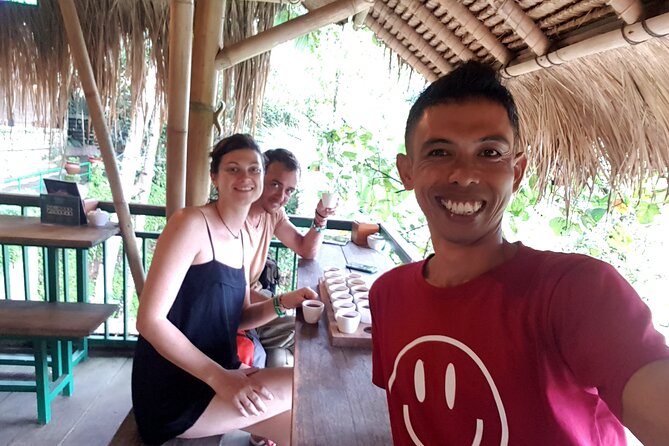
Then comes the surprise shift—from coffee jungle to rice terrace life.
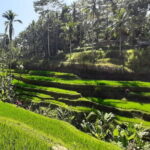
Your second stop is Bresela, described as a local bar set among rice fields. The idea is community and farming connections, not a polished tourist-only room. You’re there for about 1 hour, and this stop’s admission is free.
The headline here is the coconut wine angle, centered on tuak-style harvesting from coconut trees. You’ll see how a local farmer collects the sap—specifically described as harvesting from the top of the coconut tree. Watching that in context is a big part of what makes this tour feel different from a standard tasting session.
You’ll share the space with the people connected to the process, including farmers. Even if you don’t speak the language, you can usually feel the difference between a staged demonstration and a working routine.
And yes, you’ll likely spend some time walking through the rice farming area to get to the right spot. The ground can be soft, and it may feel water-logged depending on recent rain.
You can also read our reviews of more tours and experiences in Ubud
Comfort, Terrain, and Practical Tips for the Ricefield Walk
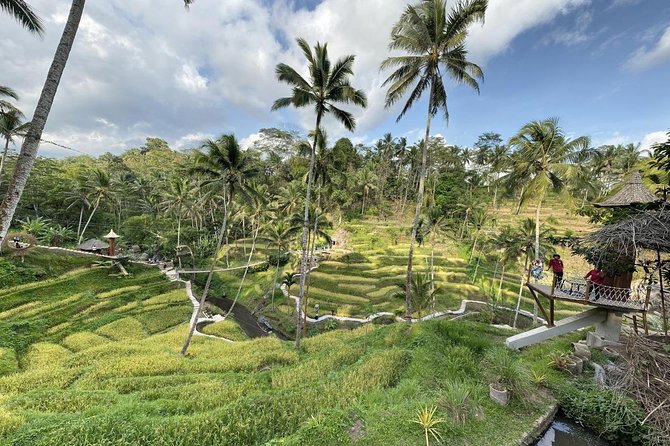
This is where I’d be honest with you: the coconut wine stop can involve uneven footing.
One experience noted the trek is not the easiest because the ground can be soft and water logged. Another tip was to bring plenty of bug spray before heading into the ricefield area. So if you’re planning on doing well here, plan for two things: traction and protection from insects.
What to wear:
- Closed-toe shoes with grip. Flip-flops are a gamble.
- Light, breathable clothes, since you’ll be outside for a chunk of time.
- Bug spray you’re willing to reapply.
What to bring:
- Water if you’re the type who gets dry on outdoor walks.
- A small towel or cloth if you end up with damp hands or legs.
Pace yourself. Even if the hike is short, the terrain can slow you down. Your private guide can help you move at a comfortable rhythm, but it’s still a farm path, not a boardwalk.
Price Worth It? Breaking Down the $69 Value
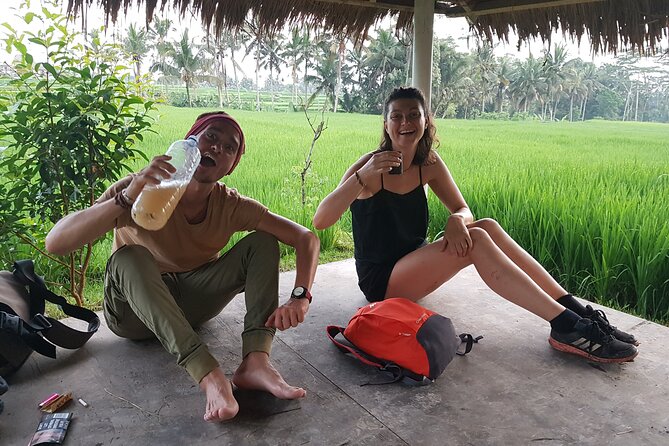
For $69, you’re paying for more than tastings.
You get:
- A private setup, meaning it’s only your group.
- Hotel pickup and drop-off, which is a huge time-saver in Ubud.
- A guide who stays with you through both stops.
- Admission included at the first stop (Uma Pakel Agro Tourism) and a free admission stop at the second (Bresela).
- Plenty of sampling time for coffee, tea, and coconut wine.
If you were to DIY this, you’d likely spend time coordinating rides and entrances, and you’d miss the explanation that makes the flavors meaningful. The guide component is the value multiplier. You come away understanding what you tasted and why, instead of just collecting cups.
Could it feel pricey if you only want a quick drink? Sure. This tour isn’t a one-sip-and-leave kind of outing. It’s a short learning + tasting format, and it’s best when you enjoy process as much as flavor.
Who This Tour Fits Best (and Who Should Skip It)

This fits best if you:
- Like food and drink experiences that explain the work behind the product
- Want a short, high-impact Ubud activity (about 3.5 hours)
- Prefer private guiding over joining a larger crowd
- Are curious about both coffee and coconut wine, not just one
It may be less ideal if you:
- Have trouble with uneven, soft, wet ground (the ricefield part can be challenging)
- Want a totally low-walking experience
- Don’t enjoy food or drink tastings tied to cultural context
If you’re traveling with someone who is picky or skeptical, the tea sampling can help, and the coffee processing visuals often win people over even when they are not coffee experts.
Quick Take on Timing, Weather, and What to Expect
This experience runs in the afternoon at 3:00 pm. Plan to be ready a bit ahead of pickup time so you don’t feel rushed.
Weather matters. The tour states it requires good weather. If conditions are poor, you’ll be offered a different date or a full refund. That’s important in Ubud because rain can change how comfortable the ground feels around the rice fields.
You’ll also receive confirmation at booking, and the tour uses a mobile ticket, which is handy when you’re juggling other reservations in town.
If you need a safety valve, the provider offers free cancellation up to 24 hours before start time. That gives you room to adjust if your schedule shifts.
Should You Book This Coconut Wine and Coffee Safari?
I’d book it if you want an authentic Ubud food-and-farm experience that stays short and focused. The best parts are the coffee processing by hand in the jungle setting and the coconut wine stop tied to real harvesting from coconut trees.
I’d think twice if you’re not comfortable walking on soft, possibly water-logged paths. If you’re steady and you bring proper footwear (plus bug spray), you’re likely to find the ricefield part magical rather than annoying.
Bottom line: this is a good value private tour for $69 when you care about how things are made, not just what they taste like. If that’s your style, you’ll probably leave with a new appreciation for both Bali coffee and coconut wine.
FAQ
What time does the tour start in Ubud?
The tour start time is 3:00 pm.
How long is the coconut wine and coffee safari tour?
It lasts about 3 hours 30 minutes.
Is hotel pickup and drop-off included?
Yes. Hotel pickup and drop-off are offered, so you typically don’t need to find a meeting point.
Where do we go first, and is admission included?
You start at Uma Pakel Agro Tourism, and admission is included.
Is there admission or a ticket fee for the coconut wine stop?
The second stop is Bresela, and the admission ticket is listed as free.
What happens if the weather is bad?
The experience requires good weather. If it’s canceled due to poor weather, you’ll be offered a different date or a full refund.