REVIEW · UBUD
Discover Bali in 3 Days of Scenic and Cultural Delights
Book on Viator →Operated by Elvina Bali Tour · Bookable on Viator
Bali can feel like a blur. This three-day plan is tight, scenic, and culturally grounded, with private AC pickup and a real focus on temples, water rituals, and viewpoint stops around Ubud. You get a steady rhythm: morning nature, midday spirituality, late-afternoon photos, then a calmer pace when the route turns toward the coast and lake air.
I especially like two things. First, the day-to-day mix hits both famous and meaningful sites, from Tegalalang Rice Terrace to Tirta Empul’s purification water. Second, you’re not just dropped off—your English-speaking driver/guide is built into the package, which matters when you’re trying to understand what you’re seeing at temples and sacred springs.
One thing to consider: the schedule is busy and travel-heavy. Start time is 9:00 am, and you’ll be walking at waterfalls, temples, and viewpoints. Also, for the holy water stop you should plan for wet hands and changing temps—bring the extra clothes and towel the tour suggests.
In This Review
- Key highlights worth your attention
- How a 3-day Bali plan works at $280: private car + paid entries
- Day 1: Tegalalang Rice Terrace, Tirta Empul purification water, and Gunung Kawi Sebatu
- Tegallalang Rice Terrace: the classic Balinese view
- Tirta Empul Temple: the holy spring and purification ritual
- Bali Pulina Coffee Plantation: Luwak coffee education and tasting
- Ulu Petanu Waterfall: jungle calm and a cool break
- Gunung Kawi Sebatu Temple: carved stone in a terraced setting
- Day 2: Sangeh Monkey Forest, Banyumala twins, and misty Ulun Danu Bratan
- Sangeh Monkey Forest: shaded paths and nutmeg trees overhead
- Banyumala Twin Waterfalls: a scenic pause with pool time
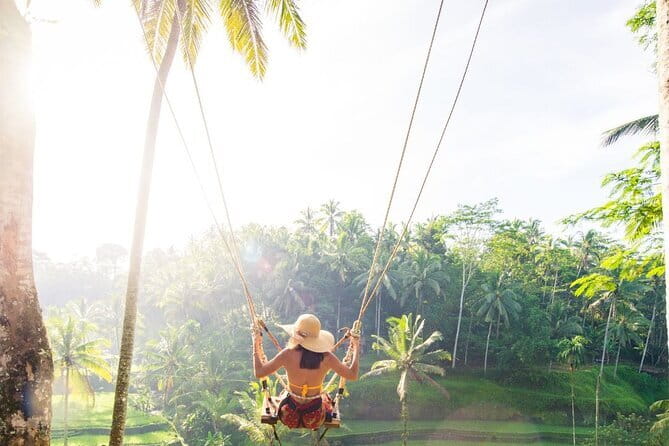
- Wanagiri Hidden Hills: swings, viewpoints, and lake-and-jungle views
- Handara Iconic Gate: the mountain-framed photo stop
- Ulun Danu Bratan Temple: a floating-feeling temple on Lake Beratan
- Pod Chocolate Factory & Outlet: bean-to-bar, tasting, and souvenirs
- Day 3: Lempuyang’s Gateway views, Tirta Gangga royal gardens, Ujung’s sea estate, then Virgin Beach
- Lempuyang Temple: the Gateway to Heaven and Mount Agung framing
- Tirta Gangga: royal water palace with koi and stepping stones
- Ujung Water Palace: Balinese and European mix above the sea
- Virgin Beach: soft sand and clear turquoise water
- What’s actually included: admissions, sarongs, water, and paid extras you should watch for
- Practical tips so you don’t waste time (or get stuck uncomfortable)
- Who this tour suits best (and who should consider another style)
- The guide factor: when names like Wayan or Sudhira show up
- Should you book this 3-day Bali tour?
- FAQ
- What time does the tour start?
- Is hotel pickup and drop-off included?
- Are admission fees included for the stops?
- What should I bring for the Tirta Empul holy water visit?
- Does the tour include mineral water?
- How long is the tour and what does it cost?
- Is the experience refundable if plans change or weather is poor?
Key highlights worth your attention
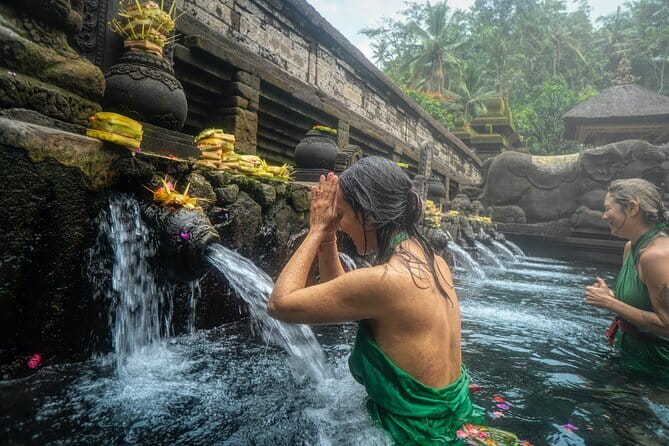
- Tirta Empul holy water: purification rituals at a well-known water temple, with sarung and offerings included
- Coffee + chocolate stops: Bali Pulina for coffee education and tasting, plus Pod Chocolate for bean-to-bar sampling
- Waterfalls with a break built in: Ulu Petanu and Banyumala pair cool pool time with jungle scenery
- Bali’s most photo-strong viewpoints: Handara Gate and Wanagiri Hill’s scenic swing/photo spots
- Lake Beratan misty vibes: Ulun Danu Bratan temple at the water’s edge, with mountain atmosphere
- A coastal finish: Virgin Beach for a calmer end after a very active first two days
How a 3-day Bali plan works at $280: private car + paid entries
This is one of those value setups where the “real cost” isn’t just the base price. You’re paying for a lot of included friction removal: private pickup and return by an air-conditioned car, an English-speaking driver/guide, and admission to multiple major stops. That means you spend your time doing the experience, not figuring out tickets, transfers, and what’s open on which day.
At $280 for three days (about 9:00 am to late afternoon each day, depending on traffic and site flow), it also helps that the format is private for your group. That tends to make small differences matter—less waiting around, fewer awkward time splits, and more flexibility if you want to linger at a viewpoint or move on quickly.
Still, don’t ignore the tradeoff: this kind of “high highlight density” tour can feel like a long series of short visits. If you’re the type who wants slow travel—one beach for half a day, one temple for an hour—this route may feel fast. But if you want a strong first pass through Bali’s most memorable corners, it’s well aligned.
You can also read our reviews of more tours and experiences in Ubud
Day 1: Tegalalang Rice Terrace, Tirta Empul purification water, and Gunung Kawi Sebatu
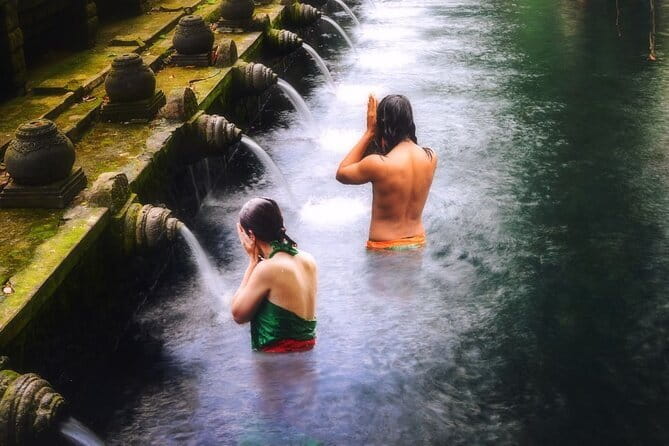
Day 1 is where the tour builds Bali’s signature mood: rice terraces, sacred water, and stone-and-jungle temple sites. You’ll move through several very different vibes in one day, which is fun if you like variety.
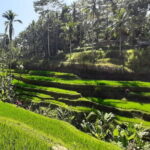
Tegallalang Rice Terrace: the classic Balinese view
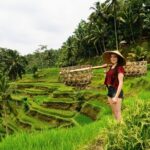
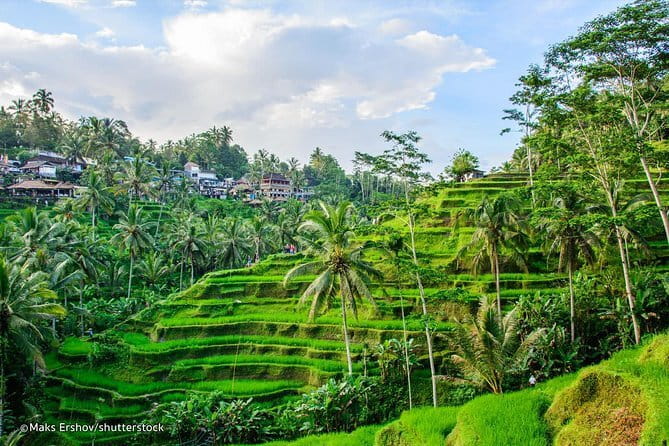
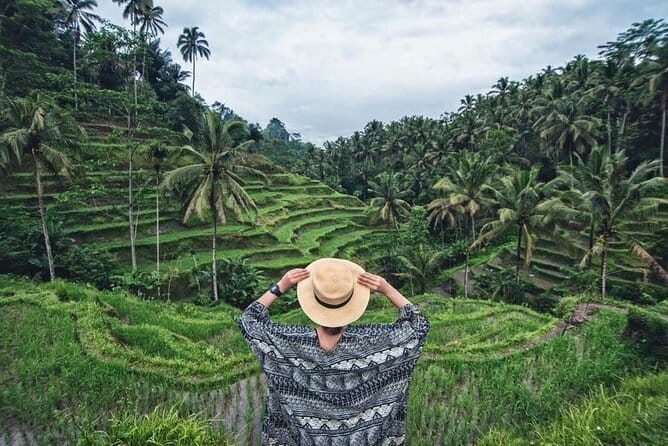
Tegalalang is one of Bali’s most recognized rice-terrace scenes, and you get about 45 minutes here. Expect emerald-green stair-step fields, traditional irrigation patterns, and lots of angles for photos. The terraces also tend to give you an important early lesson: Bali is not only about temples. It’s also about how people farm and shape the land.
Tip for your visit: bring a light layer or hat. Morning can be bright fast, and paths can be uneven where the terrace edges meet footpaths.
Tirta Empul Temple: the holy spring and purification ritual
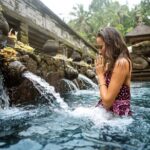
Next comes Tirta Empul Temple, with about 1 hour. This is a water temple built around a holy spring, and you’ll be able to watch locals doing purification rituals in the clear water. The tour includes what you typically need for the visit: banten (canang sari) offerings and a sarung. That’s a big deal. When a sacred site includes the basics for respectful participation, you’re less likely to feel lost or awkward.
There are a couple of practical realities here. Purification rituals involve water contact, so you should expect to leave with damp hands and a change in how you feel in the heat. The tour specifically asks you to bring extra clothes and towels, and I agree—plan for it.
Bali Pulina Coffee Plantation: Luwak coffee education and tasting
After Tirta Empul, you’ll shift into a more relaxed cultural stop: Bali Pulina Coffee Plantation (about 30 minutes). The focus is on coffee-making and tasting, including mention of Luwak coffee. This is one of those stops that can either feel like a quick sales pitch or like a genuine education, depending on your guide and how you approach it.
What I like about this kind of stop is the chance to connect the dots between Bali’s agriculture and what you order later in cafés. Even if you don’t love every taste, you’ll walk away with a better sense of how the product gets from bean to cup.


Ulu Petanu Waterfall: jungle calm and a cool break
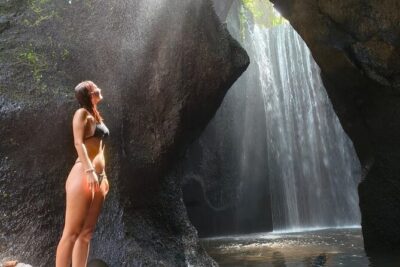
Then you head to Ulu Petanu Waterfall for about 1 hour. This is more “cool down and reset” than “rush for photos.” You’ll be in a lush jungle setting with natural pools—time to relax a little, and a chance to feel Bali’s humidity shift into cooler air near the falls.
Practical watch-outs: the ground can be slippery around waterfalls. Wear shoes with grip, and keep your phone secure if you plan to take photos near the water.
Gunung Kawi Sebatu Temple: carved stone in a terraced setting
Finally on Day 1: Gunung Kawi Sebatu Temple, about 1 hour. It’s an ancient rock temple complex carved into cliffs, surrounded by lush terraces and shrines. If you like historical sites, this stop gives you texture—stonework, scale, and a sense of how Balinese royalty and spirituality are written into geography.
It’s also a good place to slow your brain down a bit. By the time you get here, you’ve seen terraces and sacred water. Gunung Kawi lets you experience Bali as architecture and ritual space.
Day 2: Sangeh Monkey Forest, Banyumala twins, and misty Ulun Danu Bratan
Day 2 swings between playful wildlife, dramatic water, and some of the most cinematic temple-and-lake scenery on the island.
Sangeh Monkey Forest: shaded paths and nutmeg trees overhead
You start with Sangeh Monkey Forest (about 45 minutes). This one’s framed by ancient nutmeg trees and busy monkey activity. It’s not just about seeing animals; it’s about walking through a living ecosystem that feels like a jungle corridor.
You’ll want to manage your expectations: monkeys are monkeys. Keep your belongings close and don’t treat it like a zoo. If you see people getting too confident, remember that animals here behave on their own schedule.
Banyumala Twin Waterfalls: a scenic pause with pool time
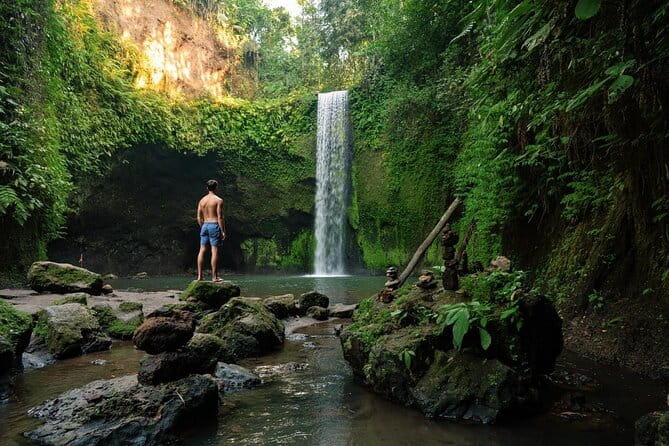
Next is Banyumala Twin Waterfalls (about 1 hour 30 minutes). You get twin cascades into a crystal-clear pool. The tour’s description emphasizes the serenity of the valley setting, and that matches what this kind of stop is for: a calmer reset after earlier wildlife energy.
If you want the best experience, treat this like a break, not a checklist. Sit a moment, take in the water sound, and if you swim, do it carefully.
Wanagiri Hidden Hills: swings, viewpoints, and lake-and-jungle views
Then it’s up to Wanagiri Hidden Hills for about 45 minutes. This is viewpoint country: lakes, mountains, and jungle stretching out in layers. The “photo moment” style stops—like whimsical swings and lookout points—are part of the experience here.
This is one of the days where timing matters. If you can, aim to arrive when light is soft enough for photos but the sky is clear. If the weather shifts, you might get misty views instead. Mist can be beautiful too; just be aware it can reduce visibility.
Handara Iconic Gate: the mountain-framed photo stop
After Wanagiri, you’ll visit Handara Iconic Gate (about 1 hour). This entranceway is framed by mountains, and it has the kind of geometry that makes photos instantly recognizable. Even if you don’t care about being photographed, the setting gives you a strong sense of place—Bali’s architecture acting like a doorway into wider views.
A practical note: gates like this often bring crowds at peak times. If you want space for photos, move with purpose and don’t block others’ angles.
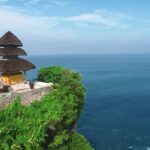
Ulun Danu Bratan Temple: a floating-feeling temple on Lake Beratan
Next: Ulun Danu Bratan Temple (about 1 hour). The temple sits on the shores of Lake Beratan, with cool mountain air and mist that can make it feel almost dreamlike. This is one of the best “change of atmosphere” stops in the whole tour. It’s quieter than the busy photo points, and the lake setting does half the work for mood.
Pod Chocolate Factory & Outlet: bean-to-bar, tasting, and souvenirs
To close Day 2, you visit Pod Chocolate Main Factory & Outlet for about 30 minutes. The experience is about Bali’s bean-to-bar chocolate process and samples of handcrafted chocolates. You also get the outlet part, which is where you can convert your taste curiosity into real take-home treats.
If you’re a chocolate person, you’ll enjoy this more than you think. And if you’re not, you’ll still likely find one or two flavors that surprise you.
Day 3: Lempuyang’s Gateway views, Tirta Gangga royal gardens, Ujung’s sea estate, then Virgin Beach
Day 3 is the “east meets coast” day. You’ll do big views first, then shift into water gardens and a beach finish.
Lempuyang Temple: the Gateway to Heaven and Mount Agung framing
You start at Lempuyang Temple (about 1 hour 30 minutes), known as the Gateway to Heaven. The main draw is the grand gate view with Mount Agung framed in the scene. You’ll get sweeping views of Bali’s eastern coast, which makes this one of the most “wow” feeling stops on the whole tour.
This is also a place where weather can make or break the final view. If you arrive with clear skies, you’re likely to get the classic Mount Agung framing. If not, you may still enjoy the architecture and the general mountain mood.
Tirta Gangga: royal water palace with koi and stepping stones
Next is Tirta Gangga (about 45 minutes). This is a former royal water palace with gardens, stone carvings, pools, and koi fish. You’ll walk across stepping stones and see ornate fountains.
It’s the kind of stop where you can shift into “slow looking” mode. After gates and temple views, it’s nice to be in a garden space built for leisure.
Ujung Water Palace: Balinese and European mix above the sea
Then you’ll head to Ujung Water Palace (about 45 minutes). This historic retreat built by the last king of Karangasem blends Balinese and European architecture. It overlooks the sea, and it’s more about pathways, pavilions, and viewing points than one big showpiece.
If you like estates that feel lived-in and layered, this one should land well. If you want pure action, it’s calmer than some of the earlier stops.
Virgin Beach: soft sand and clear turquoise water
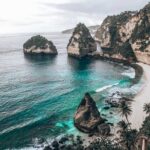
To finish: Virgin Beach (about 1 hour). This is a quieter beach stop with soft white sands and clear turquoise waters tucked between hills. It’s a perfect way to end a packed three days because it gives you space to exhale.
Swim if you want, sunbathe if you’re feeling brave, or just sit and watch. After temples and waterfalls, beach time feels like a reward.
What’s actually included: admissions, sarongs, water, and paid extras you should watch for
It’s worth pausing here because the included list is one of the best signals for value.
You’re covered with:
- Mineral water
- Banten (canang sari) for Tirta Empul Holy Water visit
- Sarung (clothes) for the same purification ritual
- Private pickup and return by air-conditioned car
- English-speaking driver/guide
- Parking fees
- Entry/admission to all listed stops in the route you’ll visit
There’s also an admissions list that mentions a few additional Bali staples that aren’t spelled out in the day-by-day text you might see. Your package includes entry for places like Petulu Bird Villages, Jatiluwih Rice Terrace, Green Kubu Tegalalang, plus activities tied to Upside World, Jetski, and Jimbaran Sunset. Keep an eye on your confirmation message, because that’s where your exact sequence should be clarified.
Practical tips so you don’t waste time (or get stuck uncomfortable)

A 3-day Bali highlights tour can go smoothly if you prepare for the physical realities.
- Bring extra clothes and a towel for the Tirta Empul purification stop. It’s specifically requested, and it’s the kind of detail that saves you from feeling gross later.
- Wear shoes with grip. Waterfalls and temple paths can be wet or uneven.
- If you’re doing lots of photo stops, keep a small daypack. Phones and money stay safer when you’re not juggling them at each gate.
- Pack for changing microclimates. Ubud-area heat can feel different from misty lake weather at Bratan, and the coast can cool things down.
One more timing thought: the tour starts at 9:00 am. If you hate early mornings, you’ll probably feel it by Day 2. But if you’re the type who likes to beat the day, this schedule is a good match.
Who this tour suits best (and who should consider another style)
This tour fits you if:
- you’re seeing Bali for the first time and want a structured hit list without planning everything
- you like cultural stops, not just beaches and views
- you enjoy mixing nature (rice terraces, waterfalls) with spirituality (Tirta Empul, Ulun Danu Bratan, Lempuyang)
It might feel less ideal if:
- you want long, unhurried time at one place
- you hate crowds at famous photo points (you might find them anywhere popular)
- you prefer a pure beach vacation. This is active and scenic, not a resort bubble
The guide factor: when names like Wayan or Sudhira show up

One theme that comes through in feedback is guide quality. Names like Wayan and Sudhira are mentioned with high praise for being helpful, kind, and strong on English. People also talk about guide support with photography—helpful when you’re trying to get good shots at gates and viewpoints without awkward posing time.
Even if you don’t know your guide ahead of time, this is where a private format pays off. An English-speaking guide can turn short stops into meaningful explanations, especially at temples and water ritual sites.
Should you book this 3-day Bali tour?
If you want a fast, thoughtful introduction to Bali’s mix of water rituals, iconic scenery, and coastal downtime, I’d say yes. The value comes from bundling private transport, guide help, and admissions across a smart route. And the included Tirta Empul materials (banten and sarung) remove a lot of stress for a sacred experience.
Skip this booking style only if you want a slow pace, lots of free time, or a lighter schedule. In that case, you’d probably be happier with fewer stops and longer beach or café hours.
FAQ
What time does the tour start?
The start time is 9:00 am.
Is hotel pickup and drop-off included?
Yes. The tour includes private pickup and return to your hotel using an air-conditioned car.
Are admission fees included for the stops?
Yes. Admission/entry is included for the listed attractions, with tickets covered as part of the package.
What should I bring for the Tirta Empul holy water visit?
Bring extra clothes and towels for water purification at the temple.
Does the tour include mineral water?
Yes. Mineral water is included.
How long is the tour and what does it cost?
It’s approximately 3 days and the price is $280.
Is the experience refundable if plans change or weather is poor?
The tour offers free cancellation with a full refund if you cancel at least 24 hours in advance. It also notes that good weather is required, and if it’s canceled due to poor weather, you’ll be offered a different date or a full refund.