REVIEW · KUTA
Discover Balinese Mystic & Death Ritual in Bali
Book on Viator →Operated by Bali Lovina Tours · Bookable on Viator
Bali shows its darkest rituals—and why. This private 8–10 hour day strings together Trunyan’s unusual death traditions, Bayung Gede’s birth rituals, and calmer sights like Kintamani’s volcano views and Kehen Temple.
I like that it’s truly a private tour you can customize to your interests. I also like that the day isn’t just “look and go” because guides (like Mertha) explain what you’re seeing and how the ceremonies fit into Balinese life.
One consideration: the schedule is long, and travel time can add up. Between the speedboat crossing and any winding road legs, it can feel like a full-day workout.
In This Review
- Key things to know before you go
- What this Bali ritual day is really about
- Getting there: speedboat timing and the long-day reality
- Trunyan Cemetery: death rituals you won’t forget
- Bayung Gede: birth rituals and the village’s unusual symbolism
- Kintamani Plateau: volcano and lake for a breather
- Kehen Temple: the famous steps people call the steps of heaven
- Penglipuran village and the bamboo forest walk
- Guides matter: the difference between a tour and an explanation
- Price and value: what $81.80 buys you in a long day
- Who should book this tour (and who might rethink)
- Should you book this ritual-and-temple tour?
- FAQ
- How long is the Bali Mystic & Death Ritual tour?
- Is this tour private?
- Do you offer pickup in Kuta?
- What’s included in the price?
- Is lunch included?
- Is the ticket mobile?
- Is free cancellation available?
- Is the tour recommended for everyone?
Key things to know before you go
- Trunyan’s non-cremation burial practice: you’ll see death rituals that locals still treat as normal, not spectacle
- Bayung Gede birth rituals: an intense stop tied to how the village views family and beginnings
- A speedboat ride is part of the plan: expect water time, plus extra coordination in the day
- Guides make or break it: friendly, patient explanations are a highlight (Mertha, Ah Gung)
- You’re mixing sacred sites with scenic stops: temple steps, volcano/lake viewpoints, and a village walk in one day
What this Bali ritual day is really about
This tour is for you if you want Bali beyond the beach-and-temple postcard version. You’re going to see ceremonies that are tied to two big human events: birth and death. And unlike many “culture” stops that stay at the surface, these are rituals people take seriously, day after day.
The private format matters. When your questions get real—Why do they do it this way? What’s the meaning?—your guide can slow down instead of rushing everyone through. That difference shows up in the reviews, where guides like Mertha and Ah Gung are praised for being friendly and patient while explaining local practices.
If you’re easily spooked by anything death-related, don’t book this expecting light entertainment. This is respectful and educational, but it is still about mortality.
You can also read our reviews of more tours and experiences in Kuta.

Getting there: speedboat timing and the long-day reality
You’ll be picked up and transported in an air-conditioned vehicle. On the way, bottled water is included, which I’m grateful for on a day that’s listed as 8 to 10 hours.
Then comes the speedboat portion. Even when the ride itself isn’t long, it adds a layer: you’re moving on a schedule that follows the day’s logistics. On top of that, you may also have road travel through less direct routes depending on where you’re starting.
A reviewer called out how long the car ride can feel when it includes winding, slow roads, especially when the destination is reached only after a boat crossing. If you’re prone to motion discomfort, plan for it. Bring a little patience. This isn’t a quick hit.
Trunyan Cemetery: death rituals you won’t forget
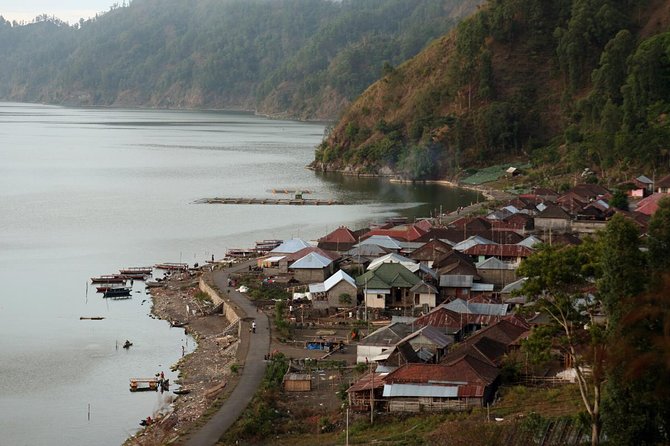
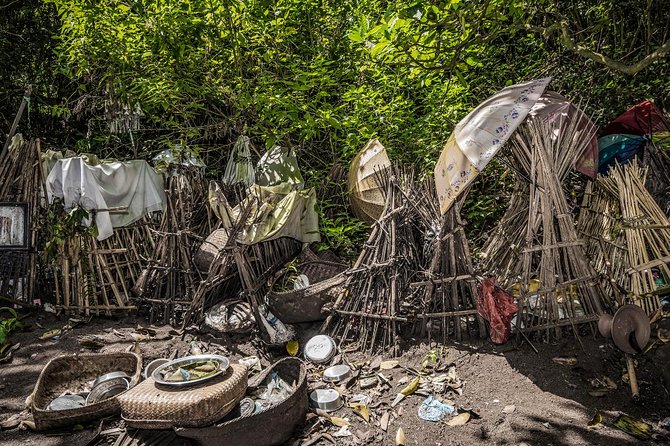
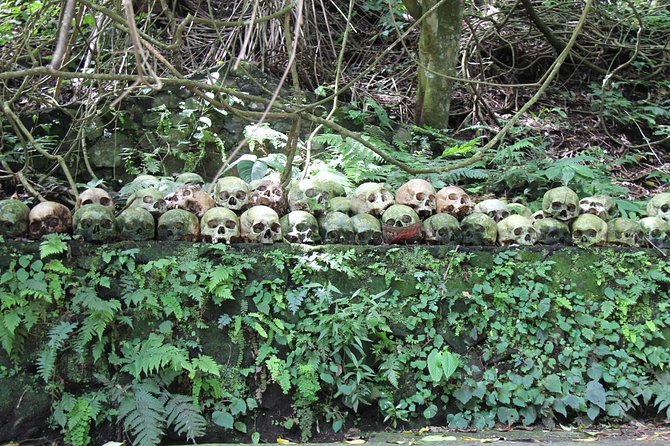
Your first major stop centers on Trunyan Cemetery—and the key detail is that locals do not cremate their dead. Instead, after a cleansing ritual, the body is placed in a bamboo cage, a practice linked to local beliefs and respect for the cycle of life.
This is one of those places where context is everything. You’ll get more out of the visit if you ask simple questions and listen for the reasoning behind the steps. A good guide helps you avoid turning the experience into shock value. The best moments are when it clicks: this isn’t “weird Bali,” it’s a serious tradition in a community that lives differently than the more familiar tourist zones.
My practical tip: dress respectfully and keep your expectations clear. You’re visiting a ritual space, not a photo set. If you want photos, be mindful and don’t block others watching or participating in their way.
Bayung Gede: birth rituals and the village’s unusual symbolism
After Trunyan, the day pivots to something completely different: Bayung Gede. This village is believed to be the parent of all ancient villages in Bali, so the stop has a “foundations” feel even though you’re only there for about an hour.
The headline here is what people come to see: hanging newborn placentas, which are unique to Bayung Gede. The placenta is treated as meaningful, not something to hide away. In this village’s worldview, that part of birth connects to identity and the way families grow into community life.
This stop can hit you in different ways. Some people find it fascinating; others find it unsettling. Either reaction is normal. What helps is remembering that you’re not watching a trend—you’re seeing a belief system that’s still alive.
Drawback to consider: if you’re squeamish, be honest with yourself before booking. Also, the topic is intense enough that you’ll get more from reading a bit about the background beforehand, so your questions aren’t just about shock.
Kintamani Plateau: volcano and lake for a breather
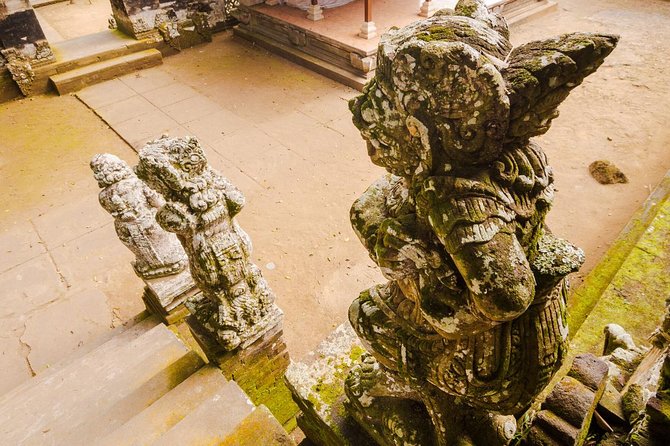
Then you get a scenic reset at Kintamani Plateau, where you’ll stop to see Mount Batur and the lake. This is a shorter stop (about 30 minutes), but it’s a useful rhythm break after two heavy cultural stops.
Even if you’re not a “volcano person,” the combination of terrain, atmosphere, and the way the landscape shapes daily life makes sense after you’ve seen ritual spaces. The day stops being only about ceremonies and becomes about how geography and belief work together across Bali.
Practical angle: since the stop is brief, bring your best layer. Highlands weather can shift quickly, and the time you spend looking is time you can’t replace.



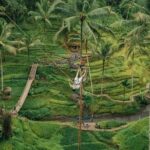
Kehen Temple: the famous steps people call the steps of heaven
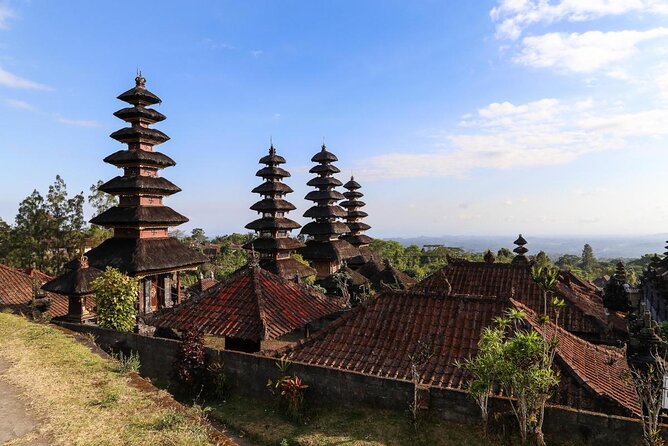
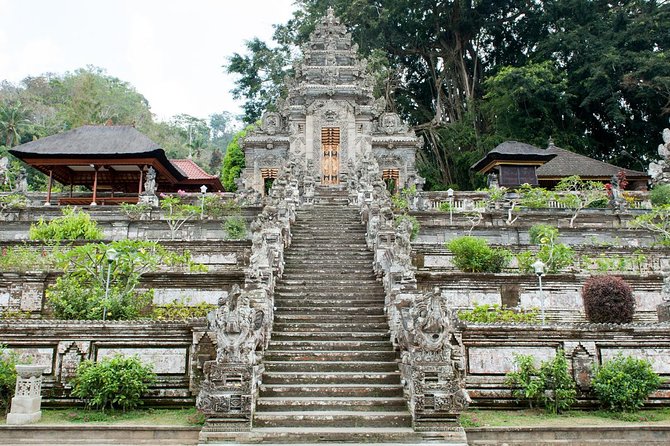
Next up is Kehen Temple, known for its famous steps of heaven. You’ll have about an hour here, which gives you enough time to walk through and notice how the temple’s layout guides movement.
Temples are never just “pretty architecture” in Bali. They’re structured spaces tied to ritual order and sacred orientation. After Trunyan and Bayung Gede, Kehen can feel like a different expression of the same broader theme: the physical environment and human actions both matter.
What to watch for: take your time with the steps and the rhythm of the site. Even when you don’t know all the meanings, you’ll understand the intent—this is a place built for a journey, not a quick glance.
Penglipuran village and the bamboo forest walk
The final cultural highlight is Penglipuran Bamboo Forest and the village area around it, with about an hour on site. Penglipuran is often recognized for its traditional architecture and the fact that it’s organized around a strong social and belief system.
This stop feels lighter than the ritual cemetery and birth symbolism, but it still fits the theme of living tradition. You’re seeing how community rules, shared values, and village design support daily life—not just how buildings look.
A helpful way to enjoy it: slow down and notice spacing, pathways, and how the village layout shapes movement. When you’ve been in sacred ritual spaces earlier, this village stop can feel like the “everyday version” of the same respect and order.
Guides matter: the difference between a tour and an explanation
The best part of this day is the people you go with. Reviews highlight guides like Mertha for being friendly, helpful, and knowledgeable, and Ah Gung for patiently sharing and explaining cultural practices.
That kind of guidance is more than customer service. Without explanation, ritual sites can become either confusing or awkward. With good explanation, the meaning lands. You learn what to look at, what not to stare at, and how to connect what you’re seeing to how Balinese communities live.
If your guide is talkative in the right way, you’ll spend more of the day understanding and less of it “trying to figure out what you’re looking at.”
Price and value: what $81.80 buys you in a long day
At $81.80 per person, this tour sits in an affordable-to-mid range for Bali day trips—especially because it includes more than just transportation.
Here’s what’s covered:
- Bottled water
- Speedboat
- Air-conditioned vehicle
- Fuel surcharge and parking fees
- Admission and donation fees
Not included: lunch and personal expenses.
So the real value isn’t only the ticket price. It’s that you aren’t doing a scavenger hunt for entrance fees, boat costs, and add-ons while trying to keep a tight schedule. That’s a big deal on an 8–10 hour day, where timing matters and delays ripple.
My take: If you’re excited by the specific ritual stops (Trunyan and Bayung Gede) and you want them handled with a guide and included fees, this is good value. If you mainly want scenic highlights and don’t care about the ceremonies, you might feel the day is heavy for what you’re trying to get.
Who should book this tour (and who might rethink)
Book this if:
- You want Balinese cultural depth beyond the usual tourist route
- You’re comfortable with topics related to birth and death
- You like the idea of a private day you can tailor
- You want both sacred stops and a scenic break at Kintamani
Rethink if:
- You’re sensitive to death-related rituals
- You dislike long travel days, especially with road time plus a boat crossing
- You’re not comfortable with the birth-ritual focus at Bayung Gede
Important note from the tour details: it’s not recommended for woman in monthly period. And while it says most travelers can participate, this specific restriction is worth taking seriously.
Should you book this ritual-and-temple tour?
Yes, if your priority is to understand Bali as a living culture, not just a checklist of sights. The combination of Trunyan’s death ritual, Bayung Gede’s birth symbolism, and the temple-and-plateau stops makes the day feel like a full story: birth, death, community order, and landscape all tied together.
No, if you’re hoping for an easy, breezy day with only pretty photos and minimal intensity. This is meaningful travel, and it asks you to show respect, pay attention, and accept that some stops are emotionally heavy.
If you do book, I’d recommend two prep moves: pack a respectful outfit, and read a little about what you’ll see so your questions land naturally. Then let your guide—whether it’s Mertha or Ah Gung—do what they’re good at: explain the practices in a way that helps you understand them.
FAQ
How long is the Bali Mystic & Death Ritual tour?
It runs about 8 to 10 hours.
Is this tour private?
Yes. It’s a private tour/activity, meaning only your group participates.
Do you offer pickup in Kuta?
Pickup is offered.
What’s included in the price?
It includes bottled water, a speedboat, an air-conditioned vehicle, fuel surcharge, parking fees, and admission & donation fees.
Is lunch included?
No. Lunch costs extra.
Is the ticket mobile?
Yes, it’s listed as a mobile ticket.
Is free cancellation available?
Yes. You can cancel up to 24 hours in advance for a full refund.
Is the tour recommended for everyone?
Most travelers can participate, but it is not recommended for woman in monthly period.