REVIEW · UBUD
Purification Holy Bath at Beji Gria Waterfall
Book on Viator →Operated by Bali Yowana Tour · Bookable on Viator
That cold splash and hot emotion combo is the point. The purification holy bath at Beji Griia Waterfall mixes nature, temple guidance, and a very human way to release stress. You get led by a temple priest, and you’re walked through several specific steps—some calm, some loud, all guided.
I like the structure: you know what comes next. I also like the included extras that make it feel official—your guide handles the offerings, and you’ll receive the special sash/cloth used for the bathing steps. One thing to keep in mind: the setting can feel a bit touristy/commercial, and you may run into optional add-ons or product sales during your visit.
In This Review
- Quick take before you go
- The Beji Griya Waterfall ceremony: what it really is
- The step-by-step route: calm preparation to loud release
- 1) Priest-led prayer/meditation before you start
- 2) First holy bath: the narrow canyon walk and first cleansing
- 3) Second holy bath: the small well for cleansing your aura
- 4) Release your anxiety at the first waterfall: scream/cry
- 5) Express happiness at the second waterfall: smile/laugh
- 6) Final blessing with holy water from green and yellow coconut
- Ubud pickup and timing: how to plan your half day
- Price and value: what $59 covers (and what it doesn’t)
- Photos, crowds, and the commercial edge to expect
- What to pack for a cold, wet, spiritual few hours
- Who should book this, and who should skip it
- Service quality: private pickup, guide pacing, and feeling taken care of
- Should you book the Purification Holy Bath at Beji Griia Waterfall?
- FAQ
- How long does the Purification Holy Bath at Beji Gria Waterfall take?
- What’s the price, and what’s included?
- Do I get picked up from my hotel in Ubud?
- Is it a private tour?
- Are women on their period allowed to join?
- What are the age limits?
- What should I bring?
- What does the tour not include?
- What are the cancellation terms if plans change?
Quick take before you go
- A priest-led ceremony with clear steps, from praying/meditating to final blessing with coconut water
- Two “release” moments: scream/cry at the first waterfall, then smile/laugh at the second
- Private hotel pickup and drop-off from Ubud area, with a transfer that usually takes 30 minutes to 1 hour
- Good value inclusions for $59: tickets, parking, offerings, incense, sash/cloth, and a local guide
- Strong photo potential, and guides are there to help you capture the right moments safely
- Not for everyone physically or culturally: women on period can’t participate, and there’s an age range (10–60)
The Beji Griya Waterfall ceremony: what it really is
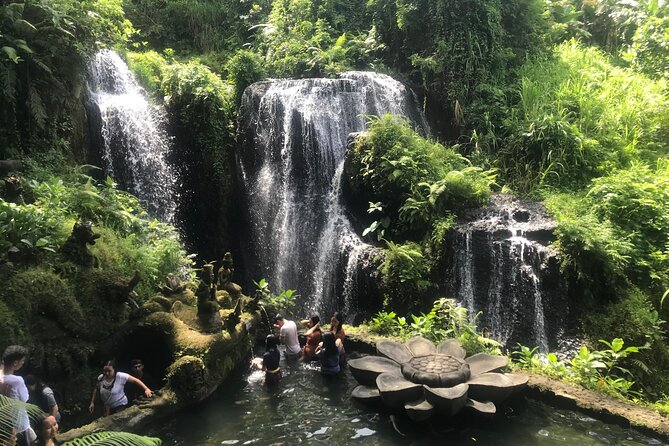
Beji Griia Waterfall is set up for something more purposeful than sightseeing. This experience is a temple purification ritual done outdoors in a dramatic natural spot, with guides guiding your timing and a priest leading key parts. The goal is stress release and “resetting” your mindset through the ceremony’s rhythm: prepare, cleanse, express, receive.
You’ll start with a prayer/meditation moment led by a temple priest. Even before water, you’re guided into the mindset of the ritual—less like a show, more like a guided spiritual routine. Then the ceremony moves in stages through water and specific cleansing points.
One practical thing I appreciate here: the process is broken into multiple steps with a reason for each. For example, the first bath is described as balancing health, the second as cleansing your aura so you can attract happiness and luck. You’re not just getting wet and moving on; you’re guided through a story your body follows.
And yes, the water is cold. That’s part of the physical truth of it. The experience isn’t about comfort—it’s about feeling the moment fully and letting your nervous tension loosen.
You can also read our reviews of more tours and experiences in Ubud.


The step-by-step route: calm preparation to loud release
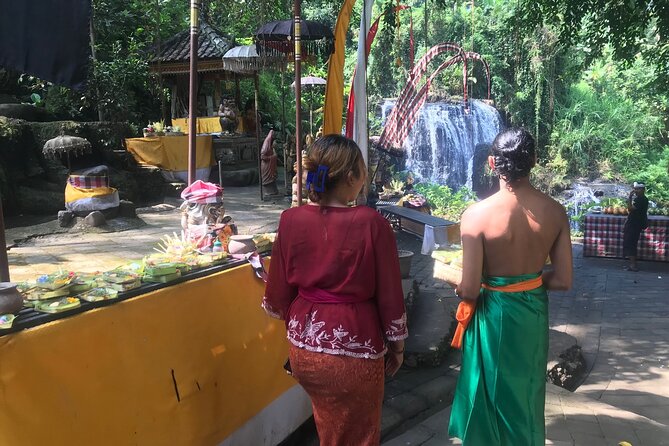
What makes this ceremony memorable is how it alternates between stillness and strong emotion. It’s not only spiritual; it’s bodily. You’re asked to participate rather than watch from the sidelines.
1) Priest-led prayer/meditation before you start
Before any bathing, you’ll be led by a temple priest. This is the moment to get your bearings: follow the guide’s instructions, keep your posture steady, and let your attention go inward. If you’re the type who needs to understand what will happen next, this is helpful—because the ceremony’s flow is explained and then carried out with you.
2) First holy bath: the narrow canyon walk and first cleansing
After the opening prayer, you’ll walk through a narrow canyon to reach the first bathing spot. This matters because the space is tight and intimate; you feel part of a guided procession. Then you’ll do the first holy bath, described as balancing health.
Here’s the practical side: narrow paths can mean quick footing and careful placement. Wear something comfortable that lets you move, and be ready for water-ready conditions. You’ll want a swimsuit and a change of clothes because the next steps build on this.
3) Second holy bath: the small well for cleansing your aura
Next comes a second bathing step at a small well area. The purpose is described as cleansing your aura so you can attract happiness and luck. This shift from canyon to well helps the ritual feel like distinct phases instead of one long soak.
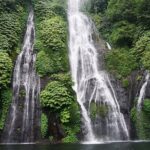
4) Release your anxiety at the first waterfall: scream/cry
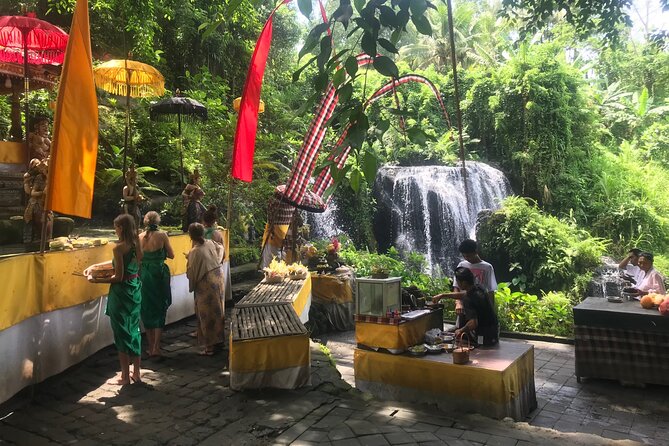
Then the ceremony gets emotionally loud. At the first waterfall, you’ll release anxiety, tension, and sadness by screaming and crying as loudly as you can. It’s a strong directive, and it can feel surprising if you’re expecting a quiet, gentle nature walk.
But that’s the point: you’re not supposed to hold it all inside. If you’re doing this with friends, it’s also a good reminder that everyone has their own comfort level. Follow your guide’s timing and safety instructions, then do what feels appropriate within the ritual’s intent.
5) Express happiness at the second waterfall: smile/laugh
At the second waterfall, the ritual flips from release to joy. You’ll express happiness by smiling and laughing as loudly as you can. It’s a built-in emotional contrast that makes the experience feel like a transformation, not just water on your skin.
If you like experiences where you get out of your own head for a while, this part often becomes the most “story-worthy” moment.
6) Final blessing with holy water from green and yellow coconut
The last step is a final blessing from the priest, using pure holy water taken from green and yellow coconut water. This closing helps connect the earlier steps into one finished loop: pray, cleanse, release, celebrate, and then receive.
It’s also where the experience can feel more grounded again, after the loud emotional participation.
Ubud pickup and timing: how to plan your half day
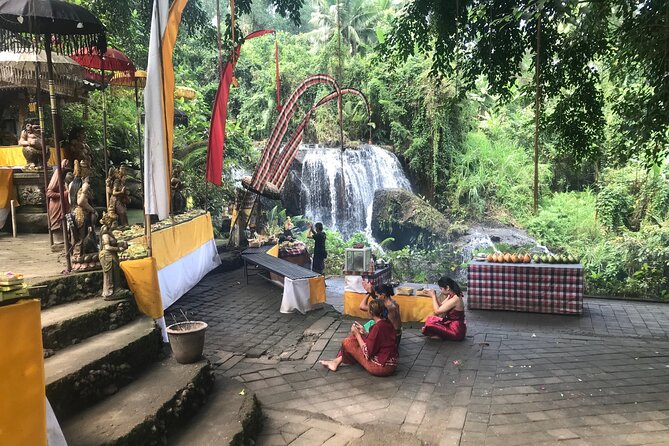
This is set up as a private experience, meaning you’re not sharing the ceremony with random strangers in a bigger group lineup. You’ll get private hotel pickup and drop-off, and that convenience is genuinely valuable in Ubud, where timing can get messy if you’re trying to self-organize.
Typical transfer time from Ubud to the waterfall area is about 30 minutes to 1 hour, depending on where your hotel is and traffic. The total time from pickup to drop-off is around 5 hours, though the experience itself is listed as 3 to 4 hours. That mismatch is normal: some of the gap is transit and ceremony prep/arrival time.
What I recommend:
- Put this on a day where you’re not trying to squeeze in a late dinner reservation afterward.
- Build in a buffer for traffic. Even with a driver, road time in Bali can vary.
- If you’re sensitive to timing, ask your guide or driver to confirm your pick-up window so you’re not rushed.
Price and value: what $59 covers (and what it doesn’t)
At $59 per person, the best way to judge value is by looking at what’s included versus what you’d otherwise pay or arrange.
This price covers:
- Admission ticket to the waterfall ceremony (included at the appropriate stop)
- Private hotel pickup and drop-off
- Local authorized guide who stays with you and explains each part
- Parking fees
- Offerings for the ceremony (including incense sticks)
- Special sash/cloth used for the holy bath
What’s not included is straightforward: food and drinks and personal expenses.
So what’s the “hidden” value? It’s the guide time. You’re not just buying access to water. You’re paying for correct participation—knowing what you’re doing, when you’re doing it, and how to follow temple steps without guessing.
If you were to DIY this, you’d still need transport, entry coordination, and someone to guide you through temple pacing. Here, the whole flow is handled.
Photos, crowds, and the commercial edge to expect
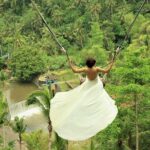
You’re at a waterfall, and that means phones and cameras happen. The good news is that the experience is set up in a way that supports photography—people specifically praised how the guide helped capture moments and got photos without the whole process becoming chaotic.
The cautious note: this can feel a little touristy. One piece of feedback said the place can feel commercial and that there can be pressure to buy products, with less friendly attention if you don’t. That doesn’t mean you can’t enjoy it. It just means you should go in with a mindset: your main job is the ceremony and your own comfort, not shopping.
How to handle it smoothly:
- Keep your focus on the priest-led steps and your guide’s instructions.
- If someone offers add-ons, respond politely and move back toward your group.
- Don’t let a sales pitch push your emotional timing. You’re here for the ritual.
Also, remember: you’re moving through wet and narrow areas. Photography is best done in the safe windows your guide indicates, not in the middle of slippery movement.
What to pack for a cold, wet, spiritual few hours
The tour asks you to plan like you’ll get wet (you will) and like you’ll want to feel comfortable (you might not, at first).
Bring:
- Swimsuit
- Change of clothes
- Light, comfortable clothing you can get damp
- Sunscreen, sunglasses, cap/hat
- Water bottle
- Snacks (food isn’t included)
- Camera (if you want it)
- Some petty cash (helpful for personal purchases)
The most practical move is planning your “after” outfit before you arrive. A dry shirt can turn the whole day from stressful to smooth.
And don’t skip basic sun protection. Waterfalls areas can still get bright and hot between ceremony steps.
Who should book this, and who should skip it
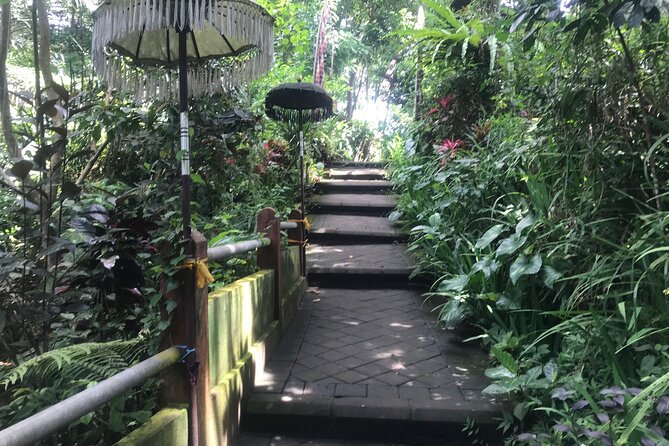
This isn’t a casual “everyone can do it” activity.
Rules from the experience details:
- Women on period/menstruation are not allowed to do the holy bath for safety and temple policy reasons.
- Minimum age is 10 years old.
- Maximum age is 60 years old.
- Most people can participate.
Because the ceremony involves emotional participation (screaming/crying and laughing/smiling) and cold water contact, I think it fits best if you’re:
- Comfortable following instructions closely
- Open to spiritual rituals as cultural experiences
- Physically able to walk on uneven, wet ground
- Ready to express feelings instead of treating it as a passive activity
If you want a purely quiet nature walk, this may not feel like your style. The ceremony is part of the design.
Service quality: private pickup, guide pacing, and feeling taken care of
This tour is run by Bali Yowana Tour, with private pickup/drop-off and a local authorized guide at the waterfall. That matters because the ceremony is step-based. If you’re missing directions, you’ll feel lost.
Good service shows up in small things:
- Your driver is on time and organized with pickup.
- Your guide keeps you on schedule through prayer, canyon walk, waterfall stops, and the final blessing.
- Guides help with explanations and, when appropriate, photo moments.
In the feedback I’ve seen for this kind of setup, driver names like Vito and guide names like Pandu come up in a positive way—especially for being friendly, on-time, and helpful with explanations and capturing moments. You can’t guarantee specific staff, but it’s a useful signal that the operator tends to assign people who know how to guide the experience smoothly.
Should you book the Purification Holy Bath at Beji Griia Waterfall?
If you want an experience with structure, emotion, and spiritual intent, I think this is a strong choice. The combination of priest-led prayer, specific cleansing steps, and the loud release moments makes it feel like more than a photo stop. And the included items—tickets, parking, offerings, incense, and the sash/cloth—help the $59 price feel fair rather than bargain-skimpy.
Book it if:
- You like guided cultural experiences with clear steps
- You’re okay getting cold and wet
- You want your day shaped by the ceremony, not by your own planning
- You value private pickup and a guide who stays with you
Skip it (or choose another activity) if:
- You’re uncomfortable with cold water contact or emotional participation
- You’re traveling with someone who falls outside the age limits
- You need a fully quiet, low-participation outing
- You dislike any chance of commercial add-ons and prefer places with minimal sales pressure
If you do book, go with respect and a simple goal: participate fully, follow the instructions, and let the ritual run its course.
FAQ
How long does the Purification Holy Bath at Beji Gria Waterfall take?
From pickup to drop-off, plan for about 5 hours total. The ceremony itself runs roughly 3 to 4 hours, and transfer time can add about 30 minutes to 1 hour depending on your hotel location and traffic.
What’s the price, and what’s included?
The price is $59 per person. Included are private hotel pickup and drop-off, the local authorized guide, parking fees, admission ticket access, all necessary offerings (including incense sticks), and a special sash/cloth for the holy bath.
Do I get picked up from my hotel in Ubud?
Yes. The tour includes private hotel pickup and drop-off, with transport to Beji Griia Waterfall taking about 30 minutes to 1 hour depending on where you’re staying and traffic.
Is it a private tour?
Yes. It’s private, meaning only your group participates.
Are women on their period allowed to join?
No. Women on period/menstruation are not allowed to do the holy bath due to temple policy for safety reasons.
What are the age limits?
The minimum age is 10 years old, and the maximum age is 60 years old.
What should I bring?
Wear light, comfortable clothing and bring a swimsuit and change of clothes. Also pack sunscreen, sunglasses, a cap or hat, a water bottle, snacks, a camera, and some petty cash.
What does the tour not include?
Food and drinks are not included, along with any other personal expenses.
What are the cancellation terms if plans change?
You can cancel for a full refund up to 24 hours before the experience’s start time. If you cancel within 24 hours of the start time, the amount paid is not refunded.