REVIEW · UBUD
Downhill Cycling Ubud with Volcano, Rice Terrace and Educational
Book on Viator →Operated by The Trip Bali · Bookable on Viator
Downhill bikes in Bali feel like flying. This full-day ride pairs true downhill cycling (less effort, more scenery) with village stops, rice paddies, and Kintamani Volcano views—plus the breakfast, coffee tasting, and lunch are included so you spend less time hunting food. I especially like that the guides slow things down just enough to explain what you’re seeing, not just where to pedal.
One thing to think about: the experience is built around safety and comfort, but a few past guests noted bike maintenance or helmet details weren’t perfect, and meeting-point instructions have sometimes shifted. If you’re the type who wants everything fully dialed in, email or message ahead and confirm pickup location the day before.
In This Review
- Key things I’d zero in on before you go
- A downhill route that makes Bali feel close-up
- From Ubud pickup to Kintamani Volcano views: how the day flows
- Breakfast at the start: fuel that actually makes the ride better
- Coffee and tea tasting: more than a quick sample
- Getting to the top: gear check, guidance, and the first big payoff
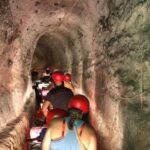
- The 2.5-hour downhill cycling: what it feels like on the ground
- Educational stops: Balinese daily life, rice fields, and family compounds
- The guide makes or breaks the experience
- Lunch included: a satisfying end point after the downhill
- Photo help during the ride: less stress, better memories
- Price and value: why $25 feels surprisingly fair
- Fitness level and who should go (and who should think twice)
- Practical tips to make your day smoother in Ubud
- Should you book this downhill cycling tour with volcano and rice terraces?
- FAQ
- FAQ
- How long is the downhill cycling tour?
- What’s included in the price?
- Do I need to be fit to do this?
- Is hotel pickup and drop-off included?
- Are helmets provided?
- How big is the group?
- What should I bring since some items aren’t included?
Key things I’d zero in on before you go
- 2.5 hours of downhill riding that keeps the day fun without turning into a fitness test
- Breakfast + lunch included, with mineral water during the ride
- Coffee and tea tasting with a real-world look at Balinese coffee culture
- Small group size (max 12) for an easier pace and less crowding
- Guided “educational” stops at homes/rice fields, plus village life moments on the route
- Photo coverage during the cycling, so you’re not stuck with shaky phone videos
A downhill route that makes Bali feel close-up
Most Bali tours try to cram in a lot of stops. This one’s different because the main activity is the ride itself, and it’s planned so you’re mostly going down—so the day feels easier than a full-on mountain bike workout.
You’ll start in the Ubud area, get fed before you pedal, then work your way up by vehicle before dropping into the countryside. The payoff is that long, gradual sense of momentum: you get to watch real village scenes slide past rather than stopping constantly just to catch your breath.
You can also read our reviews of more cycling tours in Ubud
From Ubud pickup to Kintamani Volcano views: how the day flows
The day runs about 7 hours, and it includes round-trip transport from your Ubud-area hotel. That matters in Bali, where travel time can eat your energy fast—this keeps you focused on the ride and the stops instead of spending the day on logistics.
A typical flow looks like this:
- Hotel pickup in the Ubud area
- Balinese breakfast, then a coffee/tea tasting stop
- Vehicle ride toward the Kintamani Volcano area to reach the top
- Start cycling downhill with a guide and planned breaks
- Cultural/educational stop(s) tied to Balinese daily life and rice fields
- Lunch, then return to your hotel
Stops can vary slightly by timing and route, but the backbone stays the same: coffee first, viewpoint top, then downhill into rice terraces and villages.
Breakfast at the start: fuel that actually makes the ride better
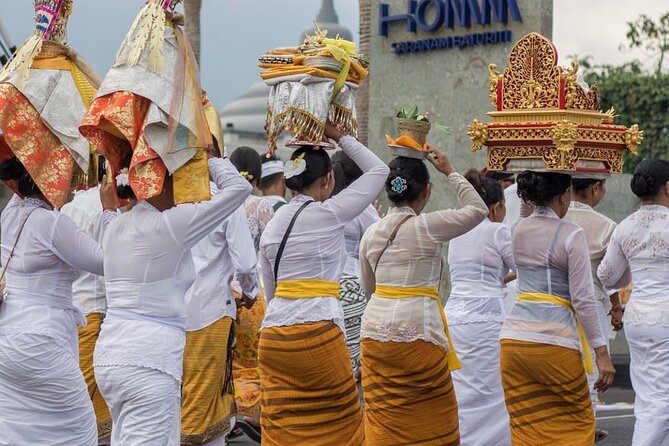
Breakfast is included (Balinese breakfast, with coffee or tea). I like this format because it solves a common problem: if you skip breakfast, a downhill ride still feels fun—but you end up hungry at every stop, which makes photos and conversations less relaxed.
From what’s been described, breakfast happens at the same general hub area used during the day, so it’s not a frantic scramble across town. You also get to ease into Bali’s pace before the vehicle grind to the top.
Coffee and tea tasting: more than a quick sample
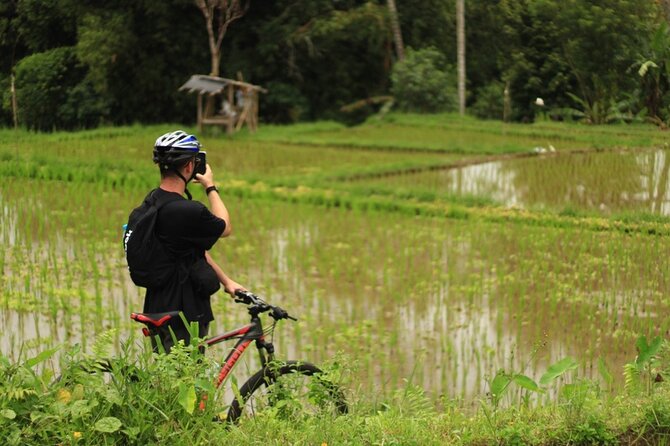
One of the most repeated highlights is the coffee/tea tasting. On this tour, you get that tasting included, and it’s not just a sip-and-run. People mention luwak coffee specifically, plus chocolate in the shop at one of the tasting stops.
Here’s why that stop works for this tour: it gives you context. When you later see farms, rice fields, and local compounds, coffee culture makes the countryside feel like a system, not just a view. If coffee isn’t your thing, tea is available too, so you’re not stuck.
Getting to the top: gear check, guidance, and the first big payoff
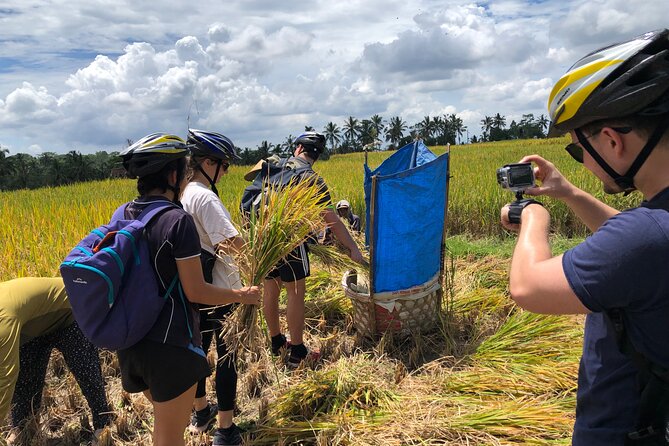
Your bike and helmet are included, and there’s a guide with you. Before you drop into the valley, you’ll get the practical setup you need: bike fit, brake awareness, and a sense of the route style (which is downhill, but still on real paths).
You’re also in a “scenery phase” here. The drive toward the top brings you into the Kintamani Volcano zone, where the air and the viewpoint shift. Even if you’re not chasing extreme views, just reaching the start point sets the tone for the whole ride.



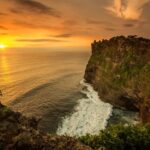
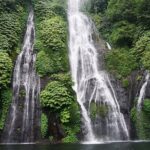
The 2.5-hour downhill cycling: what it feels like on the ground
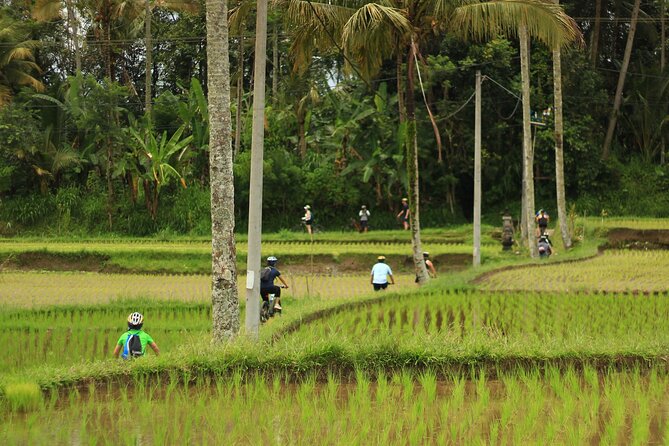
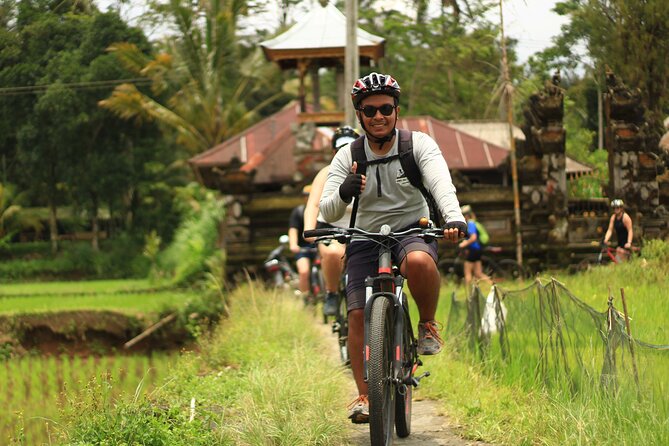
The tour’s core is the downhill cycling—about 2.5 hours—and it’s paced with guide stops. That’s the kind of timing that usually hits a sweet spot: long enough to enjoy the countryside, short enough that you don’t feel crushed by it by the end.
What you’ll pass depends on the route conditions, but expect:
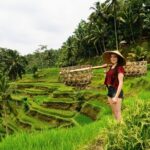
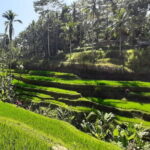
- rice paddy terraces
- village edges and small community scenes
- lush greenery and jungle-like stretches
- occasional temple or holy-water type stops described by past guests
- road segments where you’ll be happy you have working brakes
Safety note from the reality of cycling tours: a few past guests raised concerns about brake condition and/or helmet handling. That doesn’t mean the ride is unsafe, but it does mean you should take 60 seconds to check your bike before you start—squeeze both brake levers, roll a few feet, and make sure the bike feels steady.
On the positive side, many guests describe the ride as gentle and doable, especially because the plan is only downhill. If you’re comfortable riding a bike but not training for a long-distance event, this is the kind of day that keeps things enjoyable.
Educational stops: Balinese daily life, rice fields, and family compounds
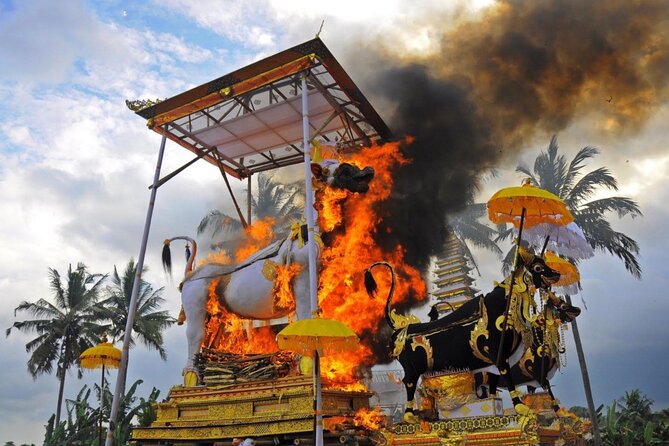
The “educational” part is one of the reasons this tour feels more authentic than a pure sightseeing loop. About halfway through the downhill portion (timing can vary), you stop at a local family compound to learn about Balinese culture and the local rice fields.
I like this because it’s not just a photo stop with a quick explanation. The stop is built around how locals live and farm, and it helps you connect the dots between what you ride past and how people actually make the countryside work.
Past guests also described route moments like:
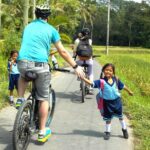
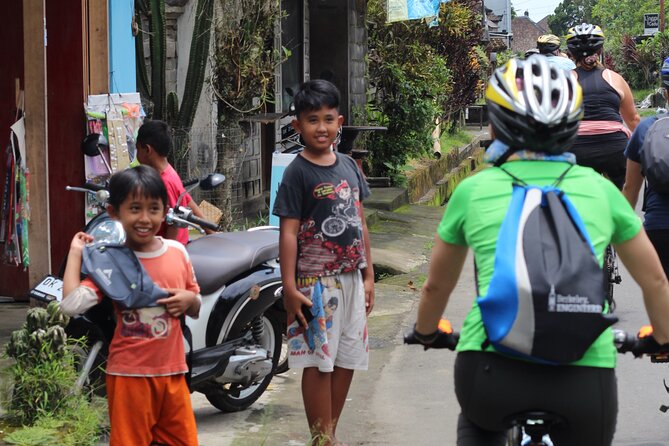
- schoolchildren you pass during the ride
- cemeteries and home life stops
- temple-related stops in the countryside
You shouldn’t count on every single one every time, but the pattern is consistent: you’re seeing daily life, not only monuments.
The guide makes or breaks the experience
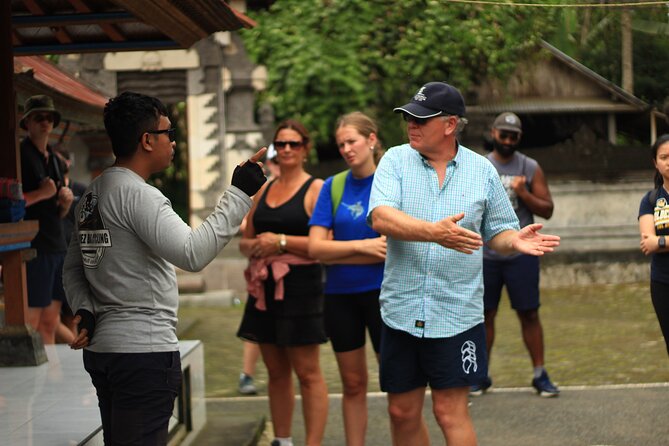
For a tour like this, the guide matters because you’re moving and looking, not sitting in a van. Good guiding turns the ride into a story: what you’re seeing, why it matters, and what the traditions connect to.
You’ll ride with an English-speaking guide, and multiple names came up in past experiences—people mentioned guides like Ade and Dewa, plus teams referenced as Made and Patu. The common thread: guests liked that the guides were attentive and able to explain what you were seeing.
I’d recommend asking questions early. If you ask about rice farming, family compounds, or why certain places are important, you’ll get more from the quiet moments during the ride.
Lunch included: a satisfying end point after the downhill
Lunch is included (described as very delicious nasi campur) plus mineral water during cycling. This is a practical win: after a few hours outside, you want a real meal, not a snack hunt.
If you’re picky about food, you’ll still likely find something satisfying in a nasi campur plate, since it typically includes a mix of sides. Also, because lunch is already part of the schedule, you’re not left waiting for your ride to end before you can eat.
Photo help during the ride: less stress, better memories
One of the smaller-but-smart inclusions is a photographer during the cycling tours. Even if you’re comfortable with your phone camera, a moving bike ride is hard to shoot well.
This inclusion means you can focus on the ride and the scenery. You don’t have to choose between pedaling attention and getting a decent photo—big win if you’re traveling with family or want clear shots without awkward timing.
Price and value: why $25 feels surprisingly fair
At $25 per person, this isn’t a “budget” tour in the stingy sense. It’s priced like a local-style activity that still includes the big cost drivers: guide time, transport from Ubud-area hotels, bike and helmet hire, and meals.
Here’s what you’re effectively buying:
- transport (pickup and drop-off)
- gear hire (bike + helmet)
- meals (breakfast and lunch)
- coffee tasting
- insurance
- a guide for the full day
- photo support
You’re not just paying for the downhill. You’re paying for the “whole day machine” that gets you from Ubud into the countryside and back with minimal friction. The main place where the value can wobble is quality consistency—if a bike’s brakes need attention, or if the meeting info changes and you arrive unsure, that’s frustrating. But when everything runs smoothly, the ride-to-cost ratio is strong.
Fitness level and who should go (and who should think twice)
The tour is suitable for moderate fitness. Since it’s downhill-only, you’re not doing constant hard climbing, which makes it more approachable than many Bali cycling options.
You’ll likely be a great match if you:
- can ride a bike comfortably at a relaxed pace
- want scenery and village life more than athletic challenge
- like guided explanations and short cultural stops
You might think twice if you:
- need highly predictable equipment (and you’re nervous about bike condition)
- don’t feel comfortable with brakes on mixed surfaces
- want a totally “staged” experience with zero surprise route variations
If you fall into the second group, you can still enjoy it—just be proactive about bike checks and communicate clearly at pickup.
Practical tips to make your day smoother in Ubud
Here’s how I’d prepare, using what the tour data and past experiences point to:
- Confirm pickup details the day before. A few past guests reported meeting-point info changes, so don’t assume the first message will stay identical.
- Check your bike fast at the start. Test brakes and steering before you commit to the first downhill segment.
- Bring or plan for sunscreen. Sunscreen isn’t included, and sun exposure can hit even on an overcast morning.
- Wear comfy riding shoes. Even with easy downhill, you want grip and stability on small village paths.
- Accept that the pace includes people. The tour is small (max 12), and route stops can include school-village moments. Keep your manners simple: slow down, be respectful, and let the guide lead.
Rain can happen in Bali. Even light rain can change road texture and braking feel, so it’s smart to stay flexible.
Should you book this downhill cycling tour with volcano and rice terraces?
I’d book it if you want an active Bali day that still feels human. The mix of downhill riding, rice terraces, family compound learning, and included meals makes it a strong value package for $25.
I’d hesitate only if you’re very equipment-sensitive or you hate any uncertainty around pickup location. In that case, book with extra attention: confirm details early, check your bike immediately, and keep expectations realistic—this is a countryside ride, not a perfectly polished theme-park conveyor belt.
FAQ
FAQ
How long is the downhill cycling tour?
It runs about 7 hours. The downhill cycling portion is about 2.5 hours.
What’s included in the price?
The tour includes breakfast, lunch (nasi campur), mineral water during cycling, coffee/tea tasting, a professional English-speaking guide, insurance covered, a photographer during the cycling part, and cycling equipment (bike and helmet hire). Hotel pickup and drop-off in the Ubud area are included.
Do I need to be fit to do this?
It’s designed for travelers with a moderate fitness level. Because the ride is planned as downhill, it’s generally easier than tours that include lots of uphill effort.
Is hotel pickup and drop-off included?
Yes. Free pickup and drop-off are included for hotels in the Ubud area.
Are helmets provided?
Yes, helmet hire is included. One past guest raised a concern about helmets, but the operator later clarified helmets were prepared and returned, so it’s still worth checking your bike and gear at the start.
How big is the group?
The maximum group size is 12 travelers.
What should I bring since some items aren’t included?
Bring money for any purchases you might want, and sunscreen (sun block lotion) isn’t included. Also, have a comfortable outfit for cycling and sun protection even if it looks mild.