REVIEW · UBUD
The Volcano Trail – Epic Volcano Cycling Adventure
Book on Viator →Operated by INFINITY MOUNTAIN BIKING · Bookable on Viator
Bali’s volcano trail has a real pulse. This 7–8 hour mountain bike day starts with an early transfer up to about 1,600m and then turns into fast, flowing trail time around the Kintamani volcanic area. You’ll finish down toward Ubud with views that change every few minutes.
I especially like two things about this ride: the full-suspension mountain bikes with dropper post (plus helmet, gloves, and knee protection), and the way the route mixes single- and double-track without forcing you into the scary stuff. The guiding style also comes through fast—people mention senior guides like Gita and Ruddy, and the vibe is organized, supportive, and focused on keeping you moving.
One possible drawback: this ride is billed for intermediate to advanced riders with good bike-handling skills, and the harder sections can still be slippery or rocky (including volcanic-sand downhill). If you’re hoping for a slow, easy cruise, you might find the intermediate option more downhill-heavy than you expect.
In This Review
- Key things to know before you ride
- From 7:00 am pickup to the volcanic core
- Stop 1: Kintamani mountain and the downhill-first shock
- The ride’s middle magic: rice paddies, villages, and XC comfort
- What makes the trail feel controlled: bike setup and the guide team
- Duration and effort: what 45 km feels like in real terms
- Lunch and recovery on the move
- Riders this suits best in Ubud (and who may want a different option)
- Price and value: how $80 adds up for a volcano ride
- Should you book the Volcano Trail from Ubud?
- FAQ
- How long is the Volcano Trail cycling adventure?
- What time does the tour start in Ubud?
- What’s included in the bike and safety gear?
- Is pickup and drop-off included, and where does it cover?
- What kind of route will I ride?
- How much climbing and descent is on the route?
- Is lunch included, and can I eat vegetarian?
- What’s the cancellation rule for a full refund?
Key things to know before you ride
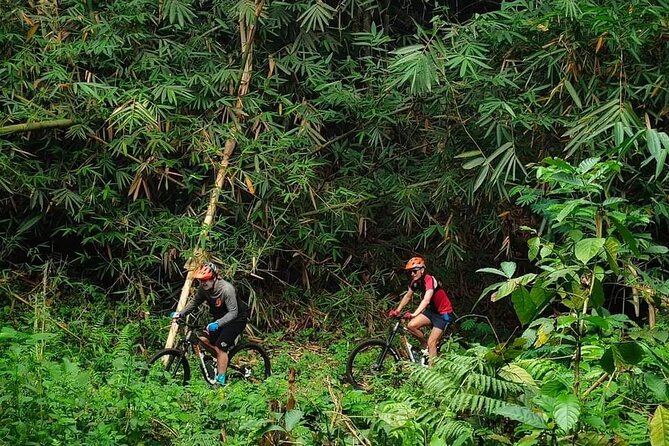
- 1,600m start for a downhill-first feel: you begin at higher elevation, then go after speed and flow right away
- 45 km trail day with big vertical change: about 300m climbing and 1,300m+ descent over roughly 4–5 hours of riding
- XC through rice paddies and villages: the middle portion shifts to gentler, scenic cross-country
- Full suspension + dropper post: better control on rocky bits and confidence when the trail steepens
- Vehicle support during the ride: you’re not fully on your own if the day throws curveballs
- Small group size (max 15): you’re less likely to feel lost in a crowd on tight trail sections
From 7:00 am pickup to the volcanic core
This is the kind of day that starts early because the good riding sits high. Your start time is 7:00 am, and the company offers hotel pickup across a wide area, including Seminyak, Kuta, Nusa Dua, Canggu, Sanur, Legian, and Ubud. If you’re staying near the center of it all, that reduces the stress of getting to the staging area—no “find the tour bus yourself” energy.
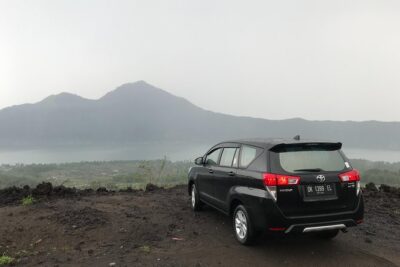
The drive up is part of the experience, too. You’re headed into Bali’s volcanic interior, and once you reach the higher ground (around 1,600m), the trail makes sense: descending from altitude is like hitting the gas before you’ve even spun up. You also get a quick break from city noise, replaced by the quieter rhythm of rural areas and farming country.
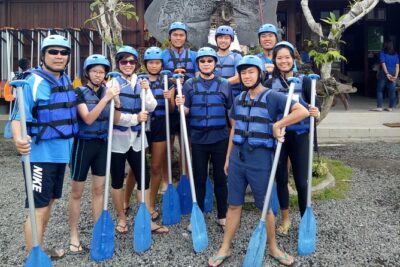
You’ll also ride with a group that stays relatively small—up to 15 riders. That matters on singletrack. It makes it easier to keep spacing, follow the guide’s line choices, and avoid the stop-and-wait frustration that can happen on popular trails.
You can also read our reviews of more cycling tours in Ubud

Stop 1: Kintamani mountain and the downhill-first shock
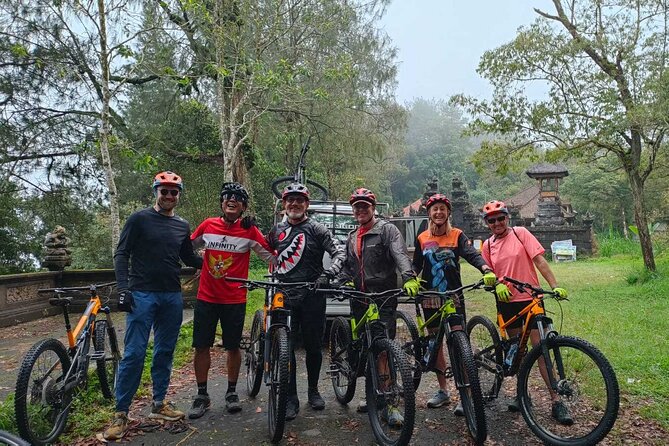
The ride has a clear first mission: get you descending from the higher elevation. The opening stage is mostly downhill, starting around 1,600m and finishing down toward lower terrain. For many riders, this is the best moment of the day because you don’t have to “earn” speed. You just have to point the bike in the right direction and let the trail do the work.
What I like here is the balance: it’s not described as a park-style stunt course. The trail time is built around fast, flowing single- and double-track, with the promise of no mandatory huge jumps and no extreme drop features. That means you can focus on flow and control rather than survival.
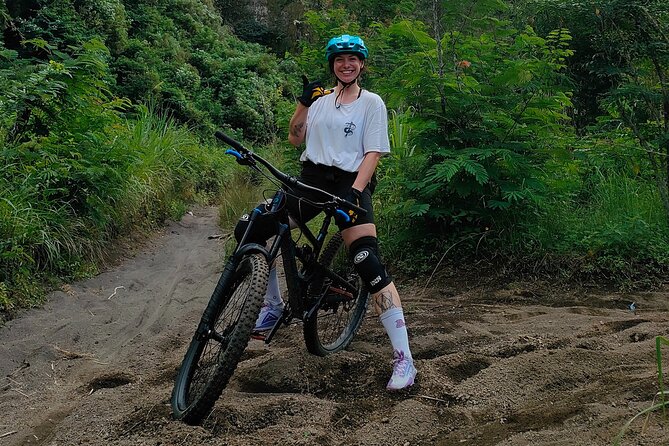
That said, do take the trail seriously. One review mentions slippery volcanic sand in the downhill section, which is exactly the kind of detail that changes how you ride. On sand you’ll want smooth inputs—gentle braking, no sudden steering, and a steady body position. If you’re used to hard-packed dirt, volcanic sand can feel like the bike is sliding when you make your first impatience mistake. Go slow early in the descent, then build confidence as you see how your tires grip.
If you’re stronger on downhill and like the feeling of speed through trees or open views, this first segment is where you’ll likely feel most alive. If you’re not as confident descending yet, this is also where the guide’s skills and bike setup matter most.
The ride’s middle magic: rice paddies, villages, and XC comfort
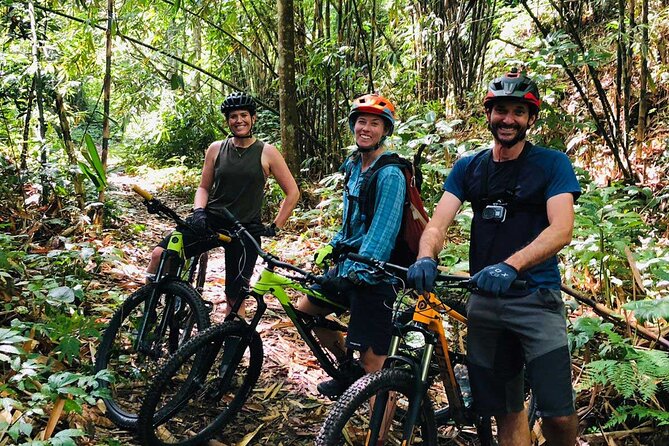
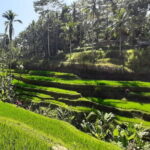
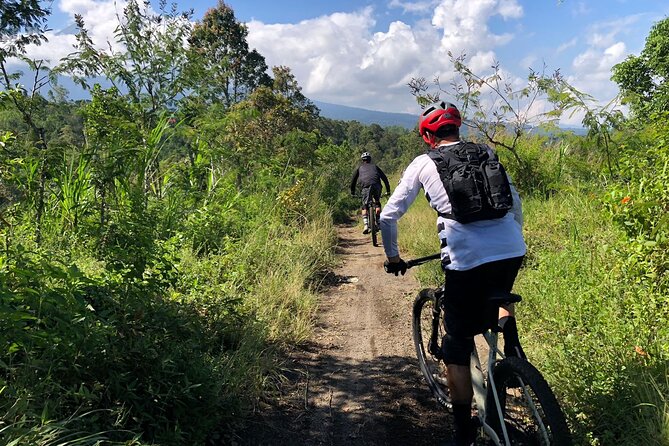
After the initial downhill, the route transitions into a cross-country segment. This part is where the day softens in character: you’ll weave through lush rice paddies and charming villages, with a more XC-oriented feel. The terrain is still trail riding, but it’s less about pure gravity and more about steady pedaling, rhythm, and choosing lines.
This section is valuable because it gives your legs a chance to reset after the first descent. You’re not just surviving a big drop—you’re earning views and changing scenery while still moving. It’s also a great moment to pay attention to the riding cadence: how long you hold a gear, where you coast, and how you place your weight while the trail threads through farm country.
Some riders describe this stretch as taking them through different kinds of terrain like forest and bamboo areas, then back into agricultural scenes. Even if you don’t get every exact micro-location, the key takeaway is consistent: the middle of the ride is scenic without turning into a sightseeing crawl.
If you’re the type who loves photos, this is where you’ll want to be ready. The best moments are often just after a turn—when you crest a trail bend and suddenly you can see both the path ahead and the fields around you. And because the riding stays active, you’re not stuck waiting for a group photo moment while everyone behind you is overheating.
What makes the trail feel controlled: bike setup and the guide team
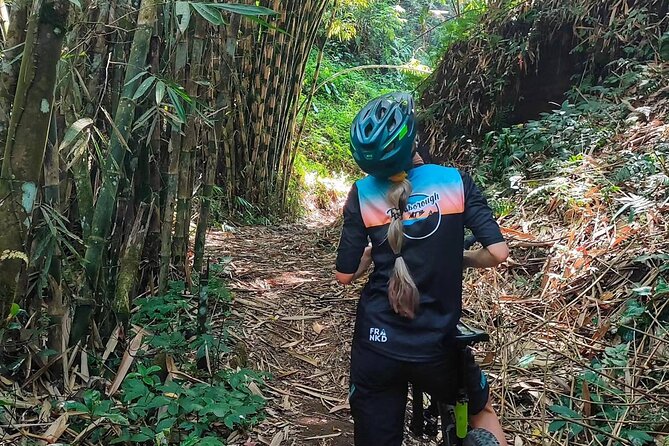
This is one of those days where the bike can make or break your confidence. The tour includes a quality full suspension mountain bike with a dropper post, plus the usual safety items: a helmet, gloves, and knee protection. You can also ride with flat or SPD pedals depending on what you use.
I like the dropper post detail because it changes how safe steep sections feel. Being able to drop your saddle quickly helps your body move down and back when the trail steepens, and it makes technical bits easier to ride instead of fighting your own position.
Then there’s the human factor. Reviews highlight guides including Gita and Ruddy, and the recurring theme is that the ride feels organized and safe. You’re also supported by a vehicle during the ride, which gives you an extra layer of comfort—especially on a long day where a minor issue can otherwise become a full-day problem.
A practical tip if you’re new to full suspension: don’t overthink it. Let the suspension do the work. Your job is to ride the line smoothly, keep your eyes up, and avoid harsh inputs on loose surfaces.
Duration and effort: what 45 km feels like in real terms
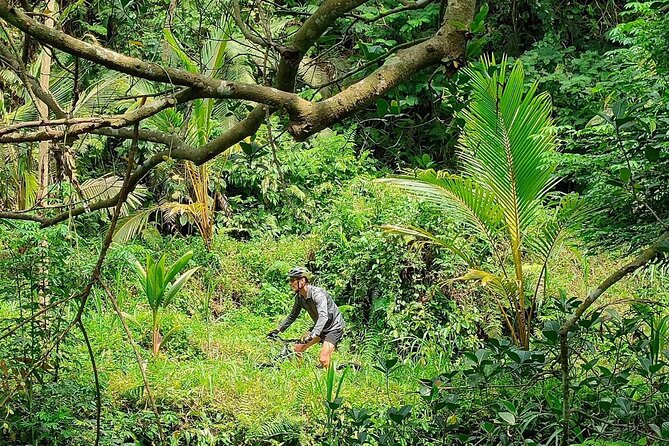
On paper, it’s around 45 km with 4–5 hours of riding time, plus transfer and breaks, bringing the full experience to roughly 7–8 hours. You’ll also see the vertical numbers: about 300m of climbing and over 1,300m in descent.
That profile is important. This isn’t a hard climbing day where you’re suffering the entire time. It’s a descending-heavy route with enough climbing to keep you engaged and strong, then enough descent to keep things exciting.
If you’re intermediate, you may still feel challenged simply because the trail is fast and because singletrack requires focus. One review notes that an intermediate ride felt a bit easy for experienced riders because it was mostly downhill—so if you’re already an able MTB person, you might get more fun than sweat. If you’re more advanced, you’ll likely enjoy the ability to carry speed on the flowing track while still having control features like knee protection and suspension.
If you’re coming in from a low-activity vacation week, plan on being tired after. Even without extreme features, a day that combines descending and sustained trail riding can work your core more than you expect.



Lunch and recovery on the move
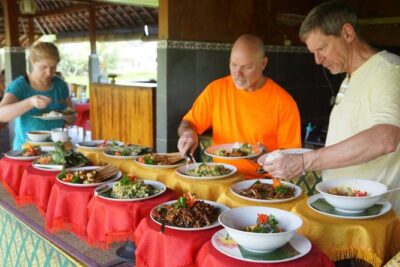
Fuel matters on a day like this. Lunch is included, along with local snacks, fruit, drinking water, and isotonic drinks. That’s not just a nice perk; it helps you keep energy up for the second half of the route and makes the whole day feel more complete.
Vegetarian options are available—if you want that, you need to advise at booking. I’d treat that as essential planning rather than a last-minute request, since diets work best when the team can prep ahead.
You’ll also appreciate the bottled water and isotonic drinks because you’ll likely be sweating during the transfers, then again during the riding. Even if the ride isn’t all-out technical, the heat plus the downhill effort can still be a lot.
Riders this suits best in Ubud (and who may want a different option)
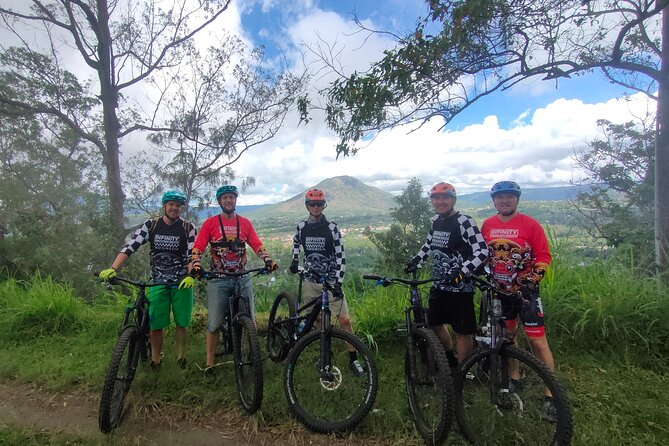
This ride is aimed at intermediate to advanced riders who have strong bike-handling skills and solid fitness. The company also mentions a moderate fitness level as the general baseline, which usually means: you can ride a steady day, manage climbs, and handle descent without panicking.
Where it fits you best:
- You want flowing trail (singletrack and doubletrack), not a jump course
- You’re comfortable descending fast enough to stay focused, even on looser surfaces
- You like the idea of volcanic views mixed with rice paddies and village scenery
- You prefer a guided day where safety is part of the design
Where it might not be your ideal match:
- If you’re hoping for training wheels level ease, the downhill-first nature and volcanic-sand conditions may be more than you want
- If you hate long days, this one runs 7–8 hours total, even though the active riding is closer to 4–5 hours
Also, the tour is for adults and children with an adult. If you’re traveling as a family, you’ll want to confirm the child’s comfort with riding time and the speed of the first descent before you lock it in.
Price and value: how $80 adds up for a volcano ride
At $80 per person, the value is largely in the combination. You’re paying for more than a route—you’re paying for an early start, a higher-elevation transfer, a good bike setup, safety equipment, guided trail riding, lunch, and vehicle support.
Here’s the practical math of why it’s worth it:
- Renting a solid full-suspension bike with a dropper post and safety gear usually isn’t cheap in Bali.
- A guided day to a volcanic riding zone saves you from logistics headaches and helps keep the trail safer and smoother.
- Lunch plus drinks is the kind of included cost that can quietly add up when you’re on a tour all day.
Is it “cheap”? No. But relative to the full-day structure—especially the vertical descent and the specialized bike gear—this feels like a fair deal. And because it runs in small groups, you’re not just paying for motion; you’re paying for the experience to be controlled and enjoyable.
Should you book the Volcano Trail from Ubud?
I think you should book this if your idea of Bali adventure is riding real dirt with a volcanic backdrop, not just chasing viewpoints from the roadside. This tour is built around flowing trail riding, a downhill-first hit from Kintamani, and a calmer XC stretch through rice paddies and villages, with the important support pieces included—bike, protection, lunch, and a guiding team that knows what it’s doing.
Skip it or consider another option if you don’t want to ride a descending-heavy day, or if you prefer slow scenic walking with bikes at a gentle pace. The terrain can include slippery surfaces like volcanic sand, so comfort descending matters.
If you’re an intermediate rider with good control and you want a day that feels like a proper MTB outing—just with views constantly in your line of sight—this is a strong pick from Ubud.
FAQ
How long is the Volcano Trail cycling adventure?
The ride lasts about 7 to 8 hours total, with roughly 4–5 hours of riding.
What time does the tour start in Ubud?
The start time is 7:00 am.
What’s included in the bike and safety gear?
You get a quality full suspension mountain bike with a dropper post, plus flat or SPD pedals, a helmet, gloves, and knee protection.
Is pickup and drop-off included, and where does it cover?
Yes. The tour includes air-conditioned vehicle pickup and drop-off from these areas: Seminyak, Kuta, Nusa Dua, Canggu, Sanur, Legian, and Ubud.
What kind of route will I ride?
You’ll ride fast, flowing single and double-track trails. The day includes a mostly downhill start from around 1,600m, then a more XC-oriented segment through rice paddies and villages.
How much climbing and descent is on the route?
You can expect about 300m of climbing and over 1,300m in descent, covering around 45 km.
Is lunch included, and can I eat vegetarian?
Yes, lunch is included, along with snacks, fruit, water, and isotonic drinks. A vegetarian option is available if you request it at booking.
What’s the cancellation rule for a full refund?
You can cancel for a full refund if you cancel at least 24 hours before the experience starts. If you cancel within 24 hours, the amount paid is not refunded.