REVIEW · SEMINYAK
Kuta Seminyak Scooter Lessons
Book on Viator →Operated by renaldio sharial · Bookable on Viator
Scooter lessons beat wasting money on taxis. I love the patient coaching from instructors like Raffi and Dio, and I love the step-by-step shift from a powered bicycle to a real scooter plus practical street rules. The only drawback to plan around is that it needs good weather, and you should be ready for road time once you’ve built basics.
This lesson is built to calm your nerves fast: you start on simpler practice, then you move onto busier roads with the instructor watching from close range. Helmet and scooter time are part of the deal, so you’re not burning energy on gear hunts.
It runs from a clear meeting point in the Canggu area (Jalan Raya Canggu, Tibubeneng), and you get a mobile ticket. Best of all, it’s a private setup, meaning your group gets the full attention without sharing the lesson with strangers.
In This Review
- Key highlights you’ll feel right away
- Why learn a Bali scooter around Seminyak and Canggu?
- What you ride first: from bicycle basics to scooter control
- The 2-hour flow: how the time gets used
- Canggu practice roads: calm rehearsal, then real traffic
- The part people forget: local street rules and avoiding police trouble
- Price and value: what $52 really buys you
- Logistics that matter: where you meet and what to bring
- Who this scooter lesson is best for
- When you should skip or reschedule
- Should you book this scooter lesson in Kuta/Seminyak?
- FAQ
- How long is the scooter lesson?
- What does the $52 price include?
- What is not included?
- Where is the meeting point?
- Is this lesson private or shared with others?
- Do I need to bring a ticket?
- What will I learn during the lesson?
- Is the lesson suitable for beginners?
- What happens if weather is poor?
- What is the cancellation policy?
Key highlights you’ll feel right away
- Powered bicycle first: get the rhythm before you tackle a scooter.
- Patient instruction: coaches like Raffi and Dio break things down into easy steps.
- Calm to busier roads: you build confidence gradually, not all at once.
- Street rules + police awareness: you learn local road habits and how to avoid trouble.
- Helmet and gear included: you ride, you don’t shop.
- Private group lesson: your time stays focused on your skills.
Why learn a Bali scooter around Seminyak and Canggu?
If you’re planning a longer Bali trip, a scooter lesson can be one of the most practical investments you make. Once you can ride confidently, you’re not locked into ride-hailing schedules or paying premium prices for short trips. It’s freedom that pays off over and over.
There’s also a mental payoff. Bali road use can feel chaotic if you’re new to it, especially if you’re arriving straight from a calm home country. A structured beginner lesson helps you build a baseline: how to start smoothly, how to control speed, and how to handle the basic flow of traffic you’ll actually see in places like Seminyak and nearby Canggu.
This is where this lesson fits. It’s not just about handing you keys. It’s about teaching you the foundation first, then helping you apply it where the roads have real motion. And yes, that includes learning the local street mindset, not just bike mechanics.
You can also read our reviews of more tours and experiences in Seminyak.



What you ride first: from bicycle basics to scooter control
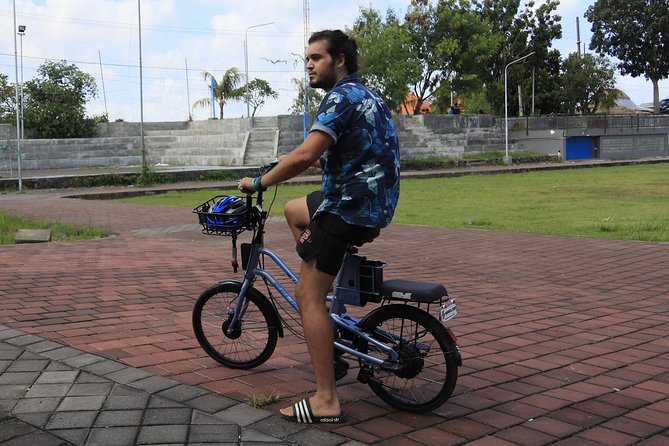
The teaching plan is simple and smart: they begin with a powered bicycle that shares the same basic idea as a scooter. That matters because it lets your hands and feet learn the routine without the full stress of an unfamiliar machine.
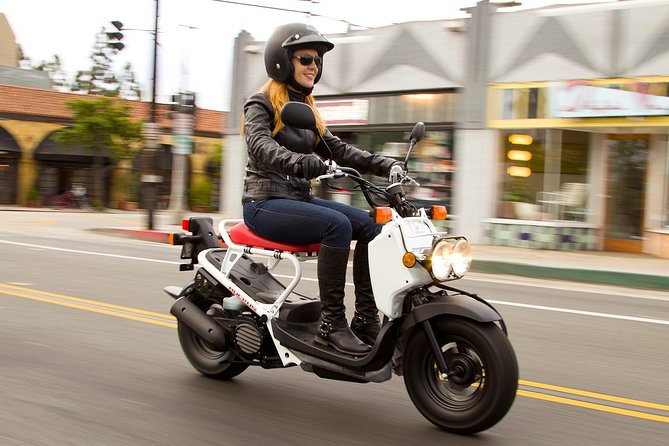
Once you manage the bike basics, you step up to a scooter. The difference is real—starts, balance, speed control, and how quickly things respond. But by the time you switch over, you’re not starting from zero. You’re already comfortable with the motion pattern, so your brain can focus on scooter-specific details.
Helmet use is included, too. That’s not glamorous, but it’s essential. It also removes a common beginner problem: worrying you won’t have the right gear. You focus on the lesson instead.
The 2-hour flow: how the time gets used
The lesson is about 2 hours. That’s enough time for meaningful practice without turning into a full-day commitment. In practice, it feels like a guided progression: build, check, then apply.
A typical rhythm looks like this:
First, you learn the basics on the powered bicycle—getting comfortable with how to move forward smoothly and keep control. This stage is where you fix the small issues that become big ones later.
Next, you transfer those fundamentals to the scooter. This is where an instructor’s coaching style matters. In the feedback you’ll see strong praise for patience and clear step-by-step guidance. That’s exactly what you want when your confidence is still catching up to your muscle memory.
Finally, you practice with attention to real-road rules. The lesson doesn’t stop at handling. It also covers local street behavior and how to avoid problems with police. The goal is practical: you want to feel less like you’re guessing and more like you know what to do when traffic and signage start talking back.
Canggu practice roads: calm rehearsal, then real traffic
The practice area is centered around Canggu. That choice makes sense. You can train on roads that are manageable at the start, then gradually increase the complexity once you’ve got control.
One detail I really like from the teaching approach: instructors don’t just let you “go figure it out.” You build comfort step-by-step, and when you do move toward busier roads, the instructor stays close to help keep you calm. That’s huge for beginners. Confidence doesn’t come from luck. It comes from knowing someone is watching your technique and pacing the lesson to your level.
You’ll also appreciate that the training environment isn’t built to be flashy or performative. It’s about practice and improvement, in a place where you can see what scooter riding looks like in everyday Bali life.
The part people forget: local street rules and avoiding police trouble
Riding is only half the job. The other half is knowing how to move in a way that fits local road rules and common enforcement patterns.
This lesson includes a local rules component—street rules and guidance on how to avoid problems with police. I’m going to keep this grounded: they’re not teaching you to “beat” traffic or rules. They’re focusing on awareness and reducing the chance of mistakes that cause headaches.
What I’d take away for your own prep is the mindset:
- Don’t treat this as purely a driving test.
- Treat it like learning how to behave correctly on Bali roads.
- Ask questions while the instructor is still right there, before you leave and everything speeds up around you.
When you’re new, the scariest moments are often the ones where you’re unsure. This portion of the lesson helps remove that uncertainty.
You can also read our reviews of more tours and experiences in Seminyak





Price and value: what $52 really buys you
At $52 for about 2 hours, the value is mostly in what’s included. You get use of the bicycle, use of the scooter, and a helmet. That reduces upfront friction, especially if you’re fresh off a flight and don’t want to figure out gear logistics while also trying to learn balance and coordination.
It’s also a private activity, meaning it’s designed for your group only, not a mixed class where instruction gets diluted. For beginners, that matters. A single wrong habit can take longer to fix if there are many people cycling through at once.
What’s not included is worth noting so you don’t get surprised:
- Breakfast and water aren’t included.
- Private transportation isn’t included.
For most people, the trade-off makes sense. You’re paying mainly for coaching and riding time. Just plan your own hydration and food, especially if you’re riding earlier in the day.
Logistics that matter: where you meet and what to bring
The meeting point is in the Canggu area on Jalan Raya Canggu (in Tibubeneng, Kuta Utara, Badung). The good news is that it’s listed as near public transportation, which helps if you don’t want to rely on a private driver just to start learning.
The activity ends back at the meeting point. That keeps things straightforward, especially for first-time scooter riders who don’t want a complicated drop-off.
You’ll receive a mobile ticket. So have your phone ready. Simple, but it prevents that annoying moment of searching for confirmation at the exact time the lesson is supposed to start.
Before you go, think like a student with limited time:
- Eat and drink beforehand if you want to feel steady during practice.
- Wear clothing that lets you move comfortably while riding.
- Arrive on time, because when you start late, your practice window shrinks.
Who this scooter lesson is best for
This lesson is designed for most people who want to learn how to ride a scooter in Bali. It’s especially good if you’re preparing for a longer stay and don’t want your whole trip budget eaten by transportation.
It also fits people who feel nervous about Bali roads. The teaching approach—starting simple, then building up—targets exactly that fear. When you’re calmer, your learning improves. When you’re scared, your technique gets sloppy.
If you already ride confidently in traffic, you might find the early portion on the powered bicycle less exciting. But even then, the local rules component can still be worth it. Knowing how to avoid trouble with police is useful whether you feel fearless or cautious.
When you should skip or reschedule
This experience requires good weather. If conditions are poor, you’ll be offered a different date or a full refund. That’s a fair rule for scooter training. Rain and low visibility don’t help anyone learn control safely.
Also, if you’re arriving tired or stressed—late flight, not much sleep—your brain will fight the motor learning. You’ll learn slower. If that’s you, try to plan the lesson for when you can focus.
Should you book this scooter lesson in Kuta/Seminyak?
I think you should book it if you want a structured start, you’re planning to ride during your Bali trip, and you want coaching that prioritizes basics first. The strong praise for instructors like Raffi and Dio points to real teaching skills: patience, clear steps, and confidence-building practice from quieter roads toward busier ones.
Book it if you care about doing this the practical way—helmet included, powered bicycle to scooter progression, and local street rules plus police-awareness guidance. That combination is what turns scooter riding from a scary gamble into a skill you can actually use.
Skip it and consider waiting if you don’t have good weather days available or if you’re expecting a casual experience with no practice intensity. This lesson is hands-on. It works best when you show up ready to learn.
FAQ
How long is the scooter lesson?
It lasts about 2 hours.
What does the $52 price include?
The lesson includes use of the bicycle, use of the scooter, and a helmet.
What is not included?
Breakfast and water are not included, and private transportation is not included.
Where is the meeting point?
The lesson starts at Jalan Raya Canggu, Jalan Raya Canggu, Tibubeneng, Kec. Kuta Utara, Kabupaten Badung, Bali, Indonesia.
Is this lesson private or shared with others?
This is a private tour/activity. Only your group participates.
Do I need to bring a ticket?
You’ll have a mobile ticket.
What will I learn during the lesson?
You’ll learn how to ride a scooter starting from basic bicycle riding skills, then move onto the scooter. You’ll also learn local street rules and how to avoid problems with police.
Is the lesson suitable for beginners?
The experience states that most travelers can participate, and it’s structured for learning basics before riding on more roads.
What happens if weather is poor?
If it’s canceled due to poor weather, you’ll be offered a different date or a full refund.
What is the cancellation policy?
Free cancellation is available up to 24 hours in advance for a full refund. If you cancel less than 24 hours before the start time, the amount paid isn’t refunded.