REVIEW · KUTA
Ubud Monkey Forest – Rice Terrace – Jungle Swing – Water Temple
Book on Viator →Operated by Dewata Memories Tours · Bookable on Viator
Four Bali stops in one day can be magical. This one strings together Sacred Monkey Forest, the Tegalalang rice terraces, a jungle swing, and holy-water time at Tirta Empul, all with a driver-run route that keeps the day moving. One thing to plan around: the 8–10 hour schedule can feel full, especially if entry fees are added on top.
What I like most is how much the day depends on the driver, and the feedback names keep coming up—people talk about Santanu and Agus for being friendly, photo-focused, and good at handling the timing. If you want the day to feel easy, this is one of those tours where an English-speaking driver makes the difference.
In This Review
- Key things to know before you go
- A long, efficient Ubud day: monkeys to holy water
- Price and what you may pay at the door
- Pickup coverage: why this matters in Bali traffic
- Sacred Monkey Forest Sanctuary: expect real monkeys, real rules
- Tegalalang rice terraces: iconic views, practical rice-farming context
- Jungle swing with rice-terrace views: fun, but choose your comfort level
- Tegenungan Waterfall: a swim stop that feels like a reset
- Tirta Empul Temple: holy water, temple etiquette, and a key rule
- Driver service and the “small details” that matter
- What to bring for a monkey-to-water day
- Who this tour suits best (and who should skip it)
- Should you book this Ubud monkey forest and water temple day?
- FAQ
- How long is the tour?
- Where does pickup happen?
- Is the tour private?
- Is food included?
- Are entrance fees included in the price?
- Do I need to worry about temple entry rules?
- What’s included in the transportation?
- What’s the cancellation policy?
Key things to know before you go
- Pickup from multiple Bali areas: Ubud, Sanur, Seminyak, Legian, Kuta, Jimbaran, Canggu, and Nusa Dua.
- Monkey Forest is close-up: expect monkeys in a natural sanctuary, right there for photos and quick interactions.
- Tegalalang is worth the hype: steep terracing plus the traditional feel of how rice is grown in the valley.
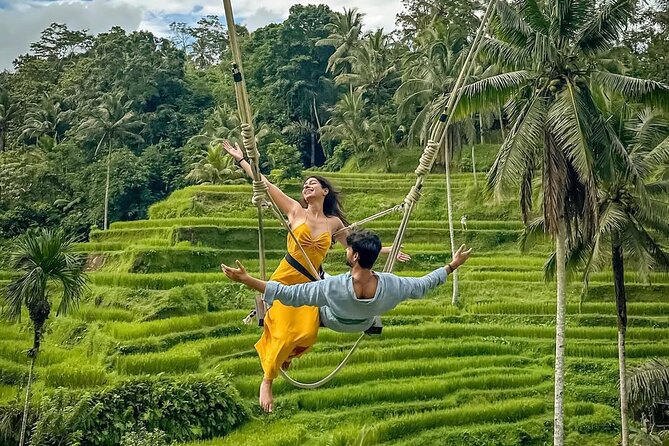
- Jungle swing with rice-terrace views: a big visual payoff, and usually a highlight for couples and first-timers.
- Tegenungan Waterfall is for photos and a dip: plan for a fresh-water swim moment.
- Tirta Empul has rules: women during menstruation are not allowed to enter the temple.
A long, efficient Ubud day: monkeys to holy water
This is the kind of trip that works best when you like variety and don’t want to micromanage a route. You start with Sacred Monkey Forest, then pivot to the iconic Tegalalang rice terraces. After that, you’ll do the jungle swing stop (the one with the rice view), and finish with Tegenungan Waterfall and Tirta Empul’s holy-water setting.
The big value here is that the day is bundled into one guided run, so you’re not hopping between rental cars, taxi negotiations, and separate tickets for each leg. With an air-conditioned vehicle and fuel included, the transport part feels handled.
Also, I appreciate the names that show up in feedback—drivers like Santanu, Agus, Restu, Madi, Ketutbayu, and Tyson get called out for taking care of details and photos. Even if you don’t care about selfies, having someone who knows where to stand and how to time stops saves your energy.
You can also read our reviews of more tours and experiences in Kuta.

Price and what you may pay at the door
The tour price is listed as $32.40 per person. That’s a great base figure for a full day of transport, pickup/drop-off, parking fees, and mineral water, especially because the vehicle is air-conditioned and the driver speaks English.
But here’s the key money check: the details say the entry fee may be excluded unless you select an option. The listed additional entry fee is $28.00 per person. So if you’re budgeting, plan for a total that’s closer to the base price plus that entry add-on.
My advice: before you go, confirm exactly what’s included in your booking for site admission. The tour description also shows admission ticket free markers at the main stops, so the safest move is to verify what you’ll pay when you arrive.
Pickup coverage: why this matters in Bali traffic
Bali days can start calm and then turn into stop-and-go chaos. What helps here is that pickup covers a wide chunk of the south coast—Ubud, Sanur, Seminyak, Legian, Kuta, Jimbaran, Canggu, and Nusa Dua—so you’re not spending your morning commuting to a far meeting point.
This matters because the day is long. When you’re already rolling at the right time from your area, you gain flexibility at the first few stops. It also makes it easier for families and couples where everyone just wants to get going.
The tour is also described as a private experience. That means it’s your group in the vehicle rather than a big mixed crowd being shuffled around.
Sacred Monkey Forest Sanctuary: expect real monkeys, real rules
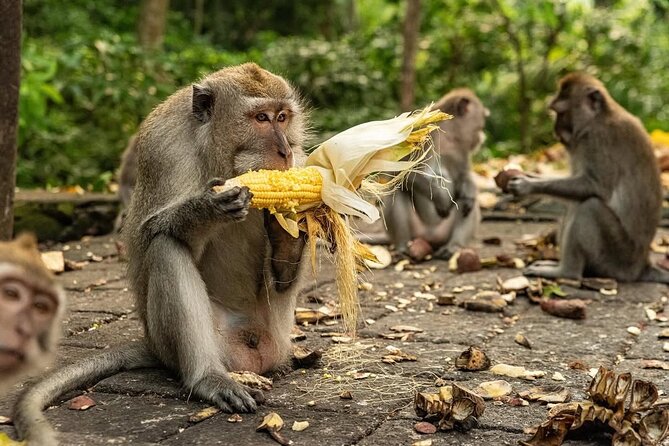
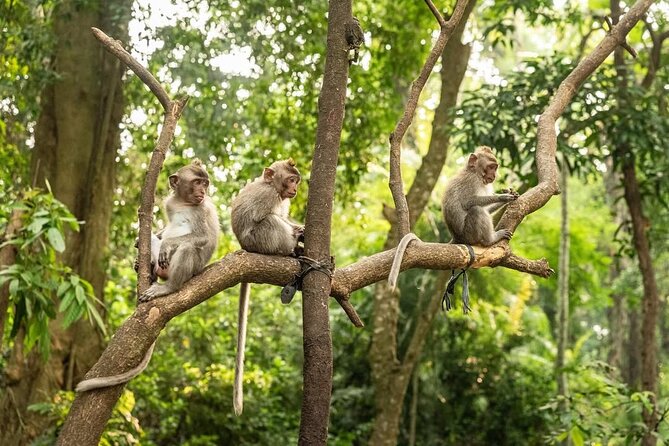
Your day kicks off at Sacred Monkey Forest Sanctuary. This isn’t a zoo-style show. It’s a sanctuary where you can watch monkeys moving naturally through the tree canopies, and yes, the experience can include swinging through a canopy area that’s part of the attraction.
What you’ll like most is the “close enough to feel it” factor. Even the helpful reviews point out that monkeys can get very near—one person described a monkey interacting with hair. That’s fun, but it also means you should treat the space like a wild place, not a theme park.
A practical consideration: bring something secure for your belongings. If you’re carrying a phone, sunglasses, or anything loose, keep it tight. Monkey curiosity is part of the charm and part of the risk.
Also, if weather looks sketchy, take it seriously. One guide reportedly advised skipping the monkey forest when it rained right before entering. You can’t control the clouds, but you can control your attitude: pack a poncho and keep your schedule flexible.
Tegalalang rice terraces: iconic views, practical rice-farming context
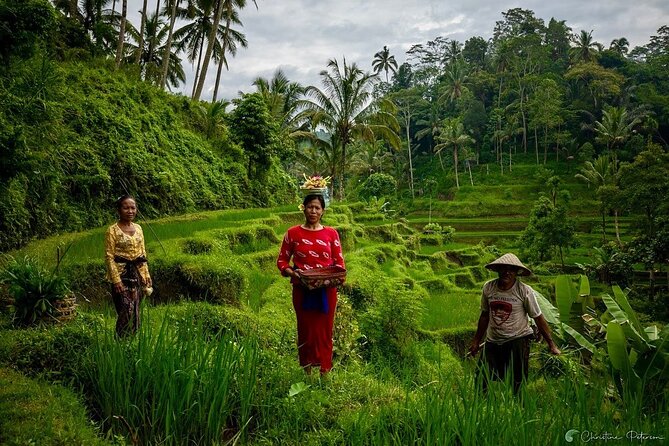
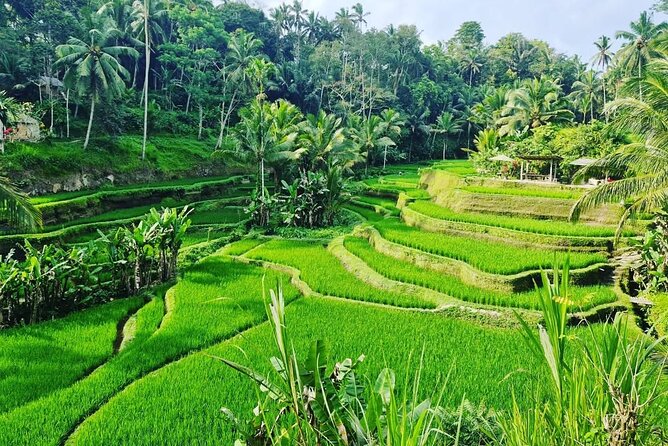
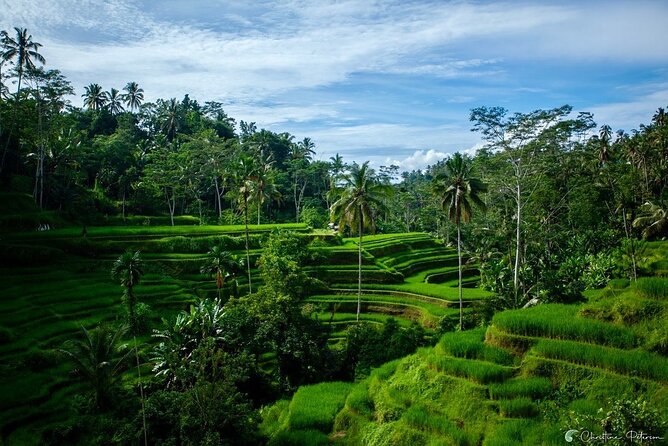
Next up is Tegalalang Rice Terrace, one of the best-known Bali scenes. You’ll see steep terraces curving down into the valley, and the experience focuses on traditional irrigation and how rice farming works on slopes.
This stop is more than a photo moment if you pay attention. Terracing isn’t just pretty—it’s engineered to help water reach crops while preventing erosion on hilly land. When you see the way the fields step down the valley, it makes the system feel real, not abstract.
For timing: this is usually where you want good light and a slower walking pace. If you rush, you miss the irrigation details and the way terraces layer at different heights. Take a few minutes to look from one vantage point, then move a bit and compare what you see.
If you’re sensitive to crowds, come with patience. Tegalalang tends to attract attention, and the best photos often mean waiting for a clear view.


Jungle swing with rice-terrace views: fun, but choose your comfort level
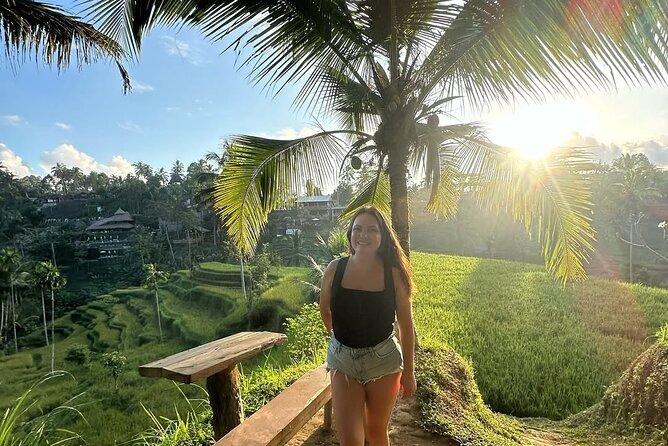
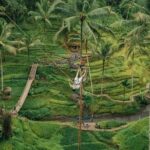
The “jungle swing” part is where the day turns into pure wow-factor. You’ll enjoy a swing with rice terrace views, so it’s not just an adrenaline activity—it’s basically a way to get a dramatic aerial perspective over the fields.
Who tends to enjoy it most:
- couples who want a shared “try it” moment
- first-time Bali visitors who want one Instagram-level experience
- people who are okay with heights and quick photo sessions
A consideration: this is a physical activity, even if it’s short. If you have mobility issues or you’re worried about balance or getting strapped in, you might prefer watching rather than trying the swing. Your driver can usually help you decide on the spot based on your comfort.
Also, bring the right mindset: you’re not going there to work out. You’re going there for a quick burst of fun with a view. Keep your expectations simple.
Tegenungan Waterfall: a swim stop that feels like a reset
Then you head to Tegenungan Waterfall. This one is popular partly because it’s not tucked away up in the mountains; it’s described as one of the island’s waterfalls that isn’t located in the highlands or mountains. The result is that it feels more approachable for a day trip.
You’ll get time to pose for photos and even take a dip in the clean, freshwater pool. If you’ve been walking around terraces and temples all morning, this is a nice reset. Water changes the mood fast.
Practical advice: treat this as a water-and-shoes situation. Bring a small towel if you can, and plan how you’ll carry wet clothes back to the vehicle. Also keep an eye on slippery rocks. The photo angle is worth it, but only if you stay safe.
Tirta Empul Temple: holy water, temple etiquette, and a key rule

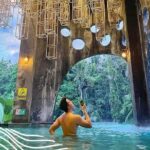
Your final cultural stop is Tirta Empul Temple in Gianyar. The big draw is the holy water. It’s known for outstanding beauty and for being open for public use, meaning you can experience the holy-water area as part of your visit.
This is the moment where you slow down and act like you’re inside someone’s sacred routine. Dress matters, and you should follow any posted rules on entering and bathing. One clear rule is stated for temple entry: women during menstruation are not allowed to enter the temple.
If that affects you, you’ll want to plan your day accordingly so you aren’t stuck in a stressful situation at the gate. If you’re in the group, ask your driver what to do if you’re unable to enter. This is where the driver’s guidance really helps.
Also, remember this is not just a pretty backdrop. Try to move respectfully, avoid blocking others, and focus on the experience rather than treating it like a quick photo run.
Driver service and the “small details” that matter
A lot of Bali tours advertise transportation. This one leans on the driver experience, and the feedback makes it clear that good drivers do more than drive.
Here are the practical ways a strong driver improves the day:
- Picture help: people mention guides taking great pictures and videos, which matters when you’re moving fast between stops.
- Timing instincts: some feedback talks about taking routes that help avoid getting stuck in traffic.
- Friendly explanations: several guides are praised for talking through traditions and keeping things smooth.
Names that pop up include Agus, Santanu, Restu, Madi, Ketutbayu, and Tyson. Even if you don’t get the same person, the pattern is consistent: the best version of this tour is when your driver actively supports your day, not just logs hours behind the wheel.
What to bring for a monkey-to-water day
This is one of those schedules where packing smart saves time. You’re moving from a sanctuary with animals, to rice terraces, to a swing, to a waterfall, to a temple.
A simple packing list:
- a light rain layer or poncho
- water-friendly sandals or shoes you trust on slippery surfaces
- a towel for the waterfall stop
- a small dry bag for your phone and cash
- temple-appropriate clothing (cover shoulders and knees if you can)
If you’re prone to motion sickness, bring what you normally use. The day is long and you’ll be in the car between viewpoints.
And don’t forget: food and drink are not included. There’s time where you can purchase snacks and meals, but you should plan for that cost and the timing.
Who this tour suits best (and who should skip it)
This tour is best for you if:
- you want a full-day highlight reel in Bali: monkeys, rice terraces, a swing, a waterfall, and holy water
- you prefer pickup and drop-off over self-planning
- you like having a driver who helps with photos and timing
It’s less ideal if:
- you hate long days and want a slow, restful pace
- you need a lot of downtime between stops
- the temple rule affects your ability to enter and you’d rather choose a different activity mix
Also, if you’re traveling with someone who gets overwhelmed by crowds, consider how early you’ll want to be at key photo stops. Timing can change your whole experience.
Should you book this Ubud monkey forest and water temple day?
I’d book it if your goal is variety and efficiency. The price is strong for a full day with air-conditioned transport, parking handled, and a private setup with an English-speaking driver. The stops are the kind that most first-timers ask for: monkeys up close, rice terracing, a swing with dramatic views, and a waterfall dip to cool off.
I’d hesitate only if you’re very sensitive to long schedules or if you strongly want all entrance fees included up front. Do a quick check at booking about the $28.00 per person entry fee versus any package that includes admissions.
If you go with the right expectations—fun, photos, and movement—you’ll leave feeling like you covered a lot of Bali in one day without turning it into a stressful scavenger hunt.
FAQ
How long is the tour?
The experience runs about 8 to 10 hours.
Where does pickup happen?
Pickup is offered in many Bali areas including Ubud, Sanur, Seminyak, Legian, Kuta, Jimbaran, Canggu, and Nusa Dua.
Is the tour private?
Yes. It’s described as private, so only your group participates.
Is food included?
No. Food and drink are not included, but you can purchase them during the day.
Are entrance fees included in the price?
The details note that entry fees are excluded unless you select an option, with $28.00 per person listed for entry fees. The stop notes also show admission ticket free markers, so confirm what your booking includes.
Do I need to worry about temple entry rules?
Yes. Women during menstruation are not allowed to enter the temple.
What’s included in the transportation?
You get pick-up and drop-off, an air-conditioned vehicle with fuel, local taxes and parking fees as per the itinerary, and mineral water.
What’s the cancellation policy?
Free cancellation is offered, with a full refund if you cancel at least 24 hours in advance.