REVIEW · KUTA
Mount Ijen Crater Trekking Tour from Bali
Book on Viator →Operated by PT.WAHYU MANDIRI TOUR · Bookable on Viator
If you want a volcano moment that feels like science and myth at once, Mt Ijen delivers it. This overnight tour from Bali gets you to East Java late at night, then on the predawn hike to see the famous blue fire and meet local sulfur miners up close. I like that it’s guided by a local team focused on getting you safely to the crater, and I also like the small-group setup (max 10), which keeps the whole experience more personal. The big catch is that it’s an extremely tough, overnight trek plus a long ferry ride, so you need solid fitness and patience for early dark mornings.
What makes this tour work is the pace and structure: pickup from South Bali hotels in the late afternoon, ferry crossing to Java around midnight, a safety briefing with equipment, then a climb that’s short in distance but steep in effort. You’re also not just chasing photos. You’ll stop for a light breakfast on the mountain and later get crater views from the viewpoint before heading back for a late-morning ferry. Just keep in mind that the volcano is closed on the first Friday of the month for cleaning, and the blue flames depend on weather.
In This Review
- Key highlights to know before you go
- The late-afternoon Bali pickup, ferry crossing, and midnight arrival
- Safety briefing, flashlight and gas mask, then the push toward the summit
- Sulfur miners, heavy loads, and what the hike is really like
- Blue flames at Ijen: what to expect and how weather changes the moment
- Summit breakfast, descent viewpoints, and the late return to Bali
- What to wear, what’s forbidden, and how to stay comfortable near the rim
- Price and group size: is $153.85 a fair deal?
- Who this Mt Ijen tour fits, and who should skip it
- Should you book Mt Ijen from Bali?
- FAQ
- How long is the Mt Ijen tour from Bali?
- What time does the tour start?
- How do you travel from Bali to East Java?
- What’s included in the tour price?
- What should I bring for the trek?
- Is there a minimum age?
- When is Mt Ijen closed?
- Can I cancel for free?
Key highlights to know before you go
- Small group of up to 10 people for a calmer experience on the mountain
- Gas mask + flashlight provided for the crater approach
- Miner interaction while they carry heavy sulfur loads across the ridges
- Blue flames at the crater (weather-dependent, but the goal is real)
- Max 500 meters from the crater and clear rim rules for safety
- Long-day logistics handled with hotel pickup, ferry transport, and lunch
The late-afternoon Bali pickup, ferry crossing, and midnight arrival
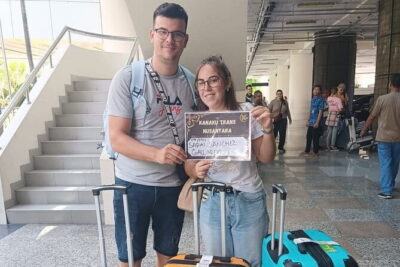
This starts the way a proper volcano adventure should: not with a slow morning, but with pickup from selected South Bali hotels in places like Kuta, Legian, Seminyak, Jimbaran, and Nusa Dua. The start time is listed as 5:00 pm, and your exact pickup time comes after reconfirmation, so plan to be ready a bit earlier than you think you’ll need.
From Bali you transfer to Gilimanuk Harbor in West Bali, cross by ferry, and land in East Java around midnight. That overnight ferry portion matters because it saves you from trying to drive or fly schedules that won’t work with a predawn crater hike. It also means you’ll be trading comfort for timing. Expect a long day built around darkness, not a leisurely sightseeing rhythm.
Once you arrive in East Java, the tour drives you to the trek starting point. Here’s a practical note: one review mentioned an unexpected wait in a building/house before leaving as the group gathered. That kind of holding pattern can happen when multiple pickup spots feed into one departure time. If you hate delays, I’d mentally budget for some downtime before the mountain begins.
The driver is described as courteous and helpful, and the overall vibe on the road is service-first: get you there safely and on schedule. You’ll also have lunch and breakfast included later, so you’re not completely stuck figuring food out at odd hours.
You can also read our reviews of more hiking tours in Kuta

Safety briefing, flashlight and gas mask, then the push toward the summit
Right after you reach the trek start, you’ll get a safety briefing and equipment. The tour provides a flashlight and a gas mask, which is a big deal at Ijen. Even if you’re wearing the right clothing, you’re dealing with harsh conditions and low light, so being kitted for the environment takes pressure off you.
The climb to the summit is listed as roughly 1 to 2 hours for about 3 km (about a mile). That might sound small on paper, but it’s uphill work in darkness, and you’ll feel it in your legs and lungs. The route includes both uphill and flatter sections, so it’s not a straight wall the whole time, but it’s still strenuous enough that the tour is clear about needing strong physical fitness.
Before you set off, be ready for the mental shift that comes with crater trekking at night. You won’t be casually strolling for views. This is a working climb where you follow your guide’s pace, watch your footing, and keep moving. If you’re the type who gets anxious without a plan, you’ll probably like that the guide-led structure is built around getting everyone to the right places at the right times.
The tour is not for everyone. It’s not recommended for people with heart complaints, asthma, or other serious medical conditions, and it’s also not a match for kids. Minimum age is 16, and it’s specifically not recommended for children age 15 and under.
Sulfur miners, heavy loads, and what the hike is really like
Here’s what makes Mt Ijen more than a photo stop: you’ll actually see the people who work the mountain. En route, you’ll interact with sulfur miners who carry blocks of sulfur weighing around 60–80 kg (132–176 lb). They move these loads using bamboo pole baskets across their shoulders, which is hard to fully picture until you’re standing near it.
Later, you may witness mining activity using traditional methods with iron rods and without safety equipment. That’s not there to shock you. It’s there because this is a real workplace, and the tour is designed to help you understand the human side of the crater—not just the scenery.
One practical takeaway: treat the miners and their work with respect. Keep your distance when needed, move when your guide says to move, and don’t turn this into a circus with loud voices or crowding. If you do that, you’ll have a more meaningful and smoother experience.
About the guide: in one review, the tour guide was described as pretty average. That doesn’t mean the trek wasn’t well run. It likely means the guide focus was more on safety, timing, and keeping you moving than on storytelling. If you want a lot of background history, ask your guide questions when there’s a moment, but expect the core job is crater navigation.
Blue flames at Ijen: what to expect and how weather changes the moment
The main reason people do this tour is the chance to see Mt Ijen’s blue flames. Your goal is to arrive at the summit before dawn, when the phenomenon is most likely to be visible. The tour is honest about it being weather dependent, so you should show up ready for conditions that might make the flames subtle or change the visibility.
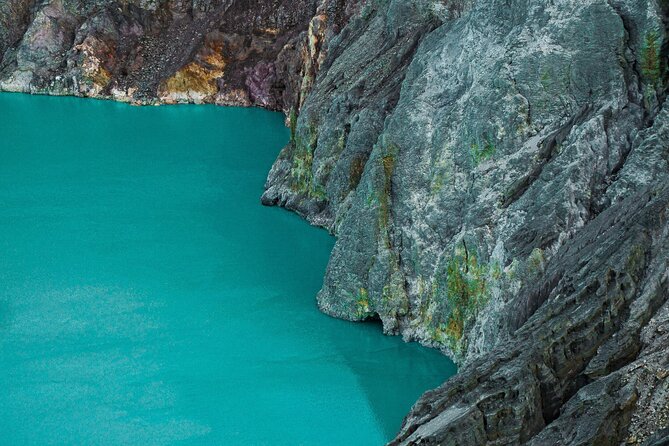
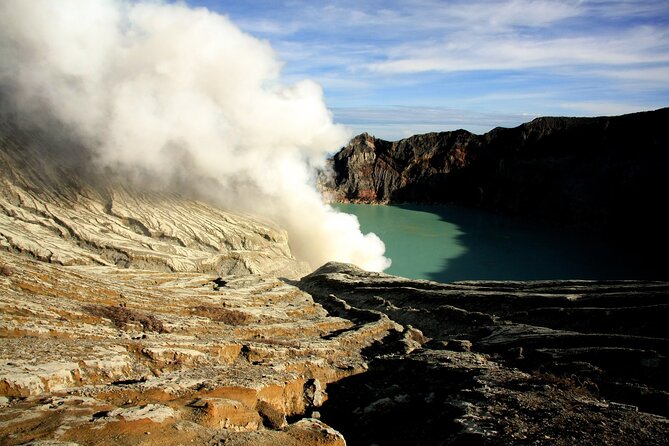
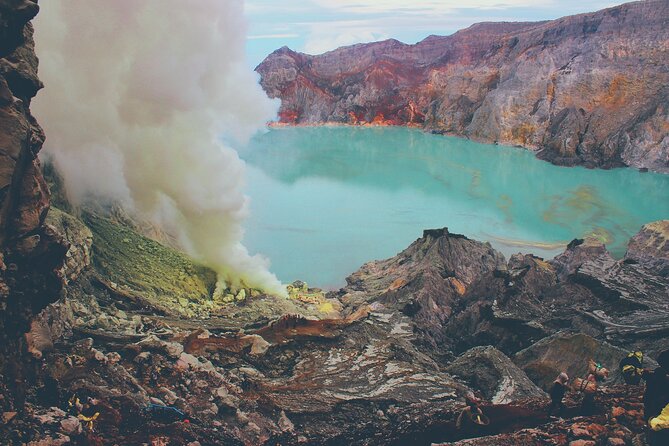
When you arrive, you’ll get that predawn crater moment—dark sky, rim activity, and the eerie glow from the sulphur gases. You’ll also later get crater views from the viewpoint with photo opportunities. Ijen Crater is described as Java’s largest acid lake, and that sets the stage for the scale you’ll be looking into.
Don’t expect a leisurely “watching” experience. The tour has you moving: you’ll stop for a light breakfast on the mountaintop, then you’ll descend with guidance for closer crater looks from the viewing areas. On the rim, the tour has clear boundaries—most importantly, the maximum 500 meters from the crater only rule.
If you’re sensitive to smells or you get uncomfortable around fumes, the gas mask and the guided timing help, but the environment is still extreme. The best mindset is simple: keep walking, hydrate when allowed, and trust the structure.
Summit breakfast, descent viewpoints, and the late return to Bali
After the early hike and the blue-flame moment, you’ll have a light breakfast at the mountaintop. This matters more than it sounds. Trekking at night burns energy fast, and having at least a small meal planned for before the descent keeps you from feeling weak or grumpy later.
Then you move into the crater viewing phase. The itinerary describes a closer look for photo opportunities from the viewpoint after the descent begins. That viewpoint time is your chance to take in the crater’s scale and spot the patterns of activity below.
Once you’re done with the crater segment, you’re transferred to Banyuwangi Harbor for the late morning ferry back to Bali. You’ll finish with lunch at a local restaurant and hotel drop-off in the afternoon. So yes, it’s a long day, but the schedule is built so you don’t have to solve transportation on your own after the hike.
One more realistic note: because you’re traveling between two islands, delays can happen. That’s why the tour keeps the key experience—crater timing—centered on the early hours and handles the rest with ferries and vehicle transfers.


What to wear, what’s forbidden, and how to stay comfortable near the rim
Ijen is serious enough that the tour gives specific clothing and rule guidance. You’ll be recommended to wear long pants, sports shoes, a sweater (or sweatshirt/jumper), gloves, and a hat during the blue-fire trekking. Bring layers. Nights at altitude can feel colder than you expect, and you’ll want something warm even when you’re working hard uphill.
The rim rules are clear:
- Stay within 500 meters of the crater
- No throwing rubbish or seeds
- No cigarettes and no doing fireplace
Those rules are worth treating as non-negotiable. They protect the area and they also protect you. If you’re the type who forgets to keep a phone in your pocket or you snack while walking, this is a good trip to slow down and follow what the guide says.
Also bring your own medicine. The tour specifically mentions bringing your own medicine, and it recommends having a health certificate from a doctor valid for max 3 days from the Ijen tour date. The operator notes they may bring you to a nearest doctor if you don’t have one, but that’s not a scenario you want to deal with late. If you have any health history, sort paperwork and safety precautions ahead of time.
Price and group size: is $153.85 a fair deal?
At $153.85 per person, this is priced for a full overnight package: hotel pickup and drop-off, ferry transport from Bali to Java and back, a local guide for the crater trekking, and included meals (light breakfast and lunch). You also get safety equipment like a flashlight and gas mask, plus the listed taxes and handling charges.
Is it expensive compared to doing it independently? Usually, yes—because you’re paying for timing, transport, and guide support. But doing this trip on your own is not just a money question. You’re depending on ferries, late-night logistics, proper gear, and crater rules. Paying for the structure can be worth it, especially if you’re not comfortable managing a multi-leg overnight plan.
The small group limit—up to 10 travelers—also helps with value. On a crowded night trek, you’ll feel it in your pace and your ability to take photos. A smaller group is easier to manage around narrow walking areas and photo stops.
One caution about value: parts of the journey are long. Even the best tour can’t cut out the fact that you’ll spend hours in transit. If you’re hoping for a short outing, this won’t match. If you want the crater moment and understand what an overnight volcano day requires, then the price starts to look pretty reasonable.
Who this Mt Ijen tour fits, and who should skip it
This tour is built for people with strong stamina. You’re trekking overnight, carrying darkness and cold planning in your head, then descending with enough energy left to enjoy the crater viewpoints.
You should strongly consider this if:
- You’re comfortable with strenuous hikes
- You’re okay with a long travel day and early mornings
- You want a guided experience that focuses on safety and timing, not just wandering
It’s a poor fit if:
- You have heart complaints or asthma or other serious medical issues
- You can’t manage a difficult overnight trek
- You’re traveling with children under the recommended age range (minimum age is 16)
And think about the kind of guide you want. One review flagged that the guide felt more average than exciting. If you want deep storytelling, don’t assume that will be the main style. Still, the safety focus and local presence can be a plus even if the conversation isn’t nonstop.
Should you book Mt Ijen from Bali?
I’d book this only if two things are true for you: you’re physically ready for a hard overnight climb, and you can handle a long, organized ferry-and-trek schedule. The volcano itself is what you’re coming for, and the chances to see blue flames and sulfur miners make the trip feel real, not staged.
If you’re even slightly unsure about your fitness, consider a different type of volcano day trip. Mt Ijen is not a casual hike. It’s work, it’s early, and it asks you to follow rules right on the crater rim. But for the right person, it’s also the kind of experience that sticks: a predawn glow, miners at work, and crater views you don’t forget.
FAQ
How long is the Mt Ijen tour from Bali?
The total duration is listed as about 23 hours.
What time does the tour start?
Pickup and start time is listed as 5:00 pm from your South Bali hotel area, with the exact pickup time confirmed after booking.
How do you travel from Bali to East Java?
You transfer to Gilimanuk Harbor and cross by ferry to East Java, arriving around midnight.
What’s included in the tour price?
Included are hotel pickup and drop-off, a driver as cum guide, a local guide for the Mt Ijen trekking, light breakfast, lunch (Balinese food), and all taxes and fees.
What should I bring for the trek?
Wear long pants and hiking/sports shoes, and bring a sweater, gloves, and a hat. The tour also recommends a mask and own medicine.
Is there a minimum age?
Yes. The minimum age is 16, and the tour is not recommended for children aged 15 and under.
When is Mt Ijen closed?
Mt Ijen is closed on the first Friday of the month for cleaning.
Can I cancel for free?
Yes. You can cancel for a full refund up to 24 hours before the experience starts. Free cancellation applies as long as you cancel at least 24 hours in advance.