REVIEW · UBUD
Unique Cleansing Ceremony with Locals
Book on Viator →Operated by Dewa Alit - Private Tours · Bookable on Viator
A cleansing ritual changes the pace. This Ubud day trip pairs a traditional Balinese cleansing ceremony with scenic stops like Nungnung Waterfall and temple visits, so the day feels both spiritual and practical.
I love how guide Bli Dewa Alit helps you understand what you’re doing and how to do it respectfully, especially if you’re traveling solo and want to feel at ease. I also like the value of the route: waterfall walks, a monkey forest break, and two different temple settings, all with AC transport and bottled water.
One thing to consider: Nungnung includes a walk down about 400 steps, and the day runs roughly 8–9 hours, so plan for heat, footwear that works on steps, and an extra budget for entrance fees you’ll pay on-site.
In This Review
- Key Things You’ll Notice on This Ubud Day
- Why a Cleansing Ceremony Beats a Typical Ubud Temples-Only Tour
- The Full Route: How the Day Keeps a Good Rhythm
- Nungnung Waterfall: 400 Steps, Strong Views, and a Real Swim Option
- Sangeh Monkey Forest: Seeing Macaques Up Close Without Getting Flustered
- Taman Mumbul: Water Temple Calm, Clear Ponds, and Bathing Pools
- Taman Ayun Temple: A Beautiful Garden Temple Setting
- Price and Value: Is $40.50 Worth It?
- Your Guide in the Driver’s Seat: Bli Dewa Alit’s Impact
- What to Pack (So You Can Actually Enjoy Every Stop)
- Who This Tour Is Best For
- Should You Book This Ubud Cleansing Ceremony Tour?
- FAQ
- What does the tour include besides the ceremony and sightseeing?
- What is the starting time and how long is the tour?
- Is this a private tour or shared group?
- Are entrance tickets included for Nungnung, Sangeh Monkey Forest, and the temples?
- Do they offer pickup, or do I need to arrive at the meeting point myself?
- Can most people participate even if they are not super fit?
Key Things You’ll Notice on This Ubud Day
- A real cleansing ceremony with local guidance, meant to help you leave negativity behind and reconnect with balance and clarity
- Nungnung Waterfall’s 400-step challenge, with excellent photo spots and a chance to swim in fresh water
- Sangeh Monkey Forest as a sanctuary, not just a zoo stop, so you’ll want to watch and respect the animals from a distance
- Taman Mumbul’s water temple setting, with a pond-like lake area and bathing pools that make the space feel special
- Taman Ayun Temple’s garden-park vibe, where temple beauty comes with trees, ponds, and calm walking paths
Why a Cleansing Ceremony Beats a Typical Ubud Temples-Only Tour
Ubud is full of temples, but this experience starts with something more personal: a Balinese cleansing ceremony. In the Balinese view, the ritual is about clearing negativity and finding balance and harmony in your body, plus getting more clarity about the direction you want in life.
You don’t just watch from the sidelines. The whole point is that you’re participating, with local understanding around what’s happening and why it matters. That matters for two reasons. First, you’re less likely to treat it like a performance. Second, you can actually follow the flow of the ritual instead of feeling lost.
I also appreciate that the day doesn’t get stuck in one mood. After the spiritual opening, you move into nature and cultural sightseeing, so you’re not spending all day either in solemn ceremony mode or in photo-mode. It feels like one connected theme: reset, observe, then return home with a clearer head.
You can also read our reviews of more tours and experiences in Ubud.


The Full Route: How the Day Keeps a Good Rhythm
This is an 8:9-hour outing that starts at 8:30am, with private group touring. You’ll typically move in this order: Nungnung Waterfall, Sangeh Monkey Forest, Taman Mumbul, and Taman Ayun Temple.
What makes the rhythm work is that each stop changes your “body state.” You begin with walking and movement at the waterfall area. Then you shift into a slower pace at Sangeh, where you’re mainly observing. After that, the temples bring you back to calm, shaded spaces and slower walking. The day also includes an air-conditioned vehicle and bottled water, which helps a lot when Bali’s daytime heat can hit hard.
Because it’s private for your group, you’re not getting herded into the exact same pace as strangers. If you want more time for photos, or a shorter time at one stop, the day feels more adjustable. That flexibility is part of the value you’re paying for.
Nungnung Waterfall: 400 Steps, Strong Views, and a Real Swim Option
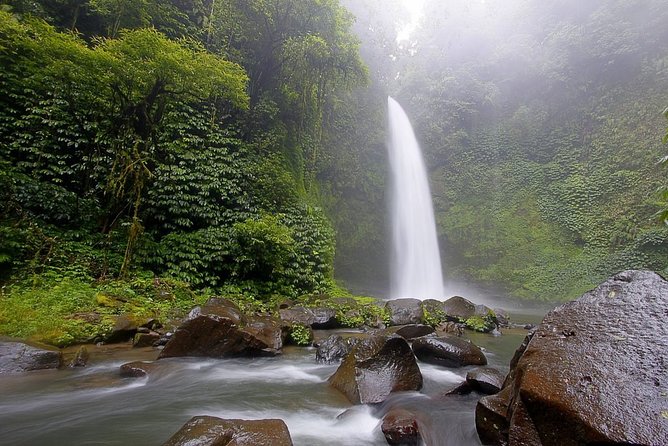
Nungnung Waterfall is one of Bali’s biggest, and it’s a great early-day choice because the setting is scenic and you still get energy for the walk. The itinerary notes about 400 steps down, and that’s the main factor that will shape how you enjoy the stop.
If you like waterfalls for the walk as much as the water, you’ll likely have a good time. The path itself gives you changing viewpoints, and the area is described as quiet and good exercise. Once you reach the lower area, you’ll find beautiful nature and strong photo spots.
Here’s the practical part: you’ll want supportive footwear. The steps can be slick, and you’ll be doing the up-and-down movement twice—down to reach the viewpoint, then up when you’re ready to move on. If you’re prone to knee pain or you simply don’t like steep step sections, you might find this part tiring.
The good news is that the water temperature is described as fresh and at a good level, and swimming is recommended. If you plan to swim, I suggest bringing a small towel and water shoes if you have them. It also helps to keep your electronics in a waterproof bag, because the splash zone is real.
Sangeh Monkey Forest: Seeing Macaques Up Close Without Getting Flustered
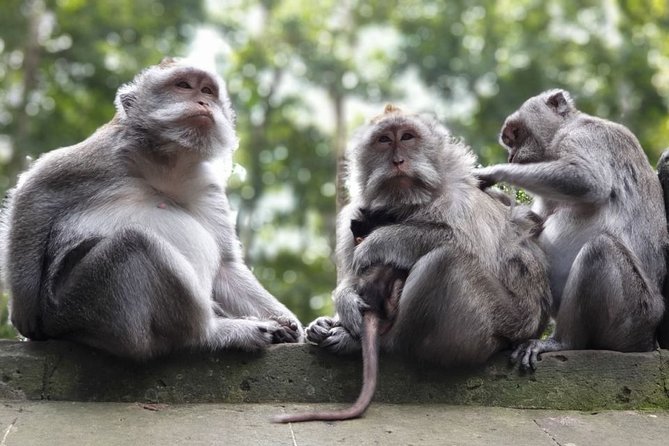
After the waterfall, the day shifts to Sangeh Monkey Forest, a sanctuary for grey long-tailed macaques in the village of the same name. This is the kind of stop where your mindset matters more than your itinerary.
I like Sangeh because you’re not just dropping into a tourist attraction and moving on fast. You get time to observe how the sanctuary is set up and how the monkeys move through the forest space. The experience is short—about 45 minutes—so you can treat it like a focused break, not a time sink.
A few practical tips for staying comfortable and respectful:
- Keep a steady distance from the monkeys and avoid sudden movements.
- Hold onto personal items and be cautious with snacks if you bring any.
- If a monkey approaches closely, don’t reach out. Let it pass.
You’ll likely get the best moments when you move slowly and let the monkeys come to you. It’s also a good time to reset after the waterfall steps before your next temple stops.
Taman Mumbul: Water Temple Calm, Clear Ponds, and Bathing Pools
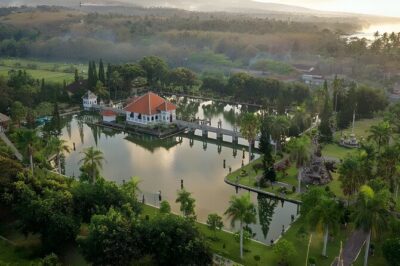
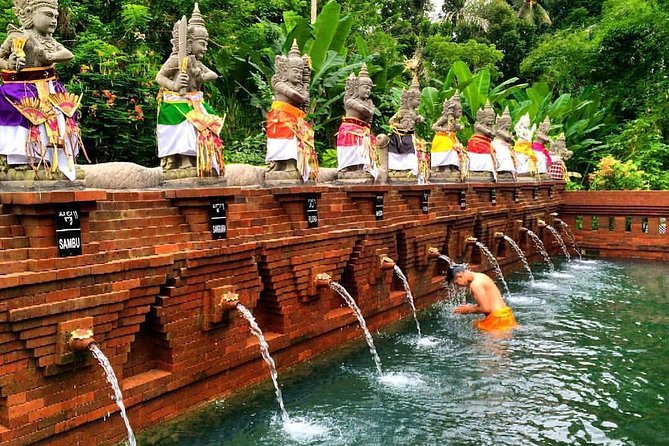
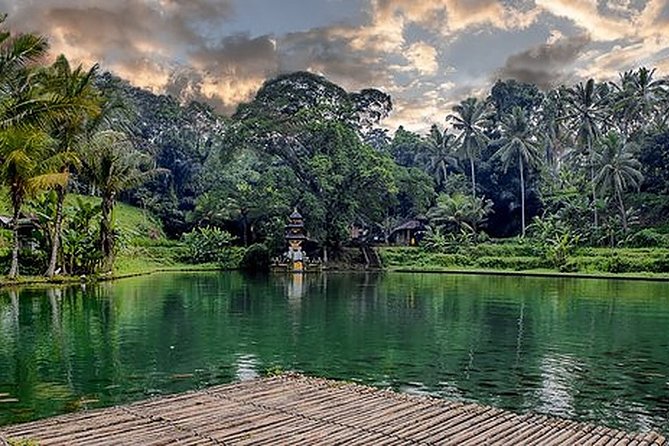
Taman Mumbul is a sacred place sanctified by the Sangeh and surrounding communities, and it feels different from the more famous temple photography spots. The standout here is the water setting: a large pond-like area with clear water, plus a water temple area and bathing pools.
This stop is about 1 hour, which is a comfortable length to take in the space without rushing. The layout gives you a sense of ceremony and routine rather than a single view you race to. You’re walking through a setting designed for spiritual use, and that changes the tone of the visit.
If you’re the type of traveler who likes to understand what you’re looking at, this is a good match. The space is described as picturesque, and you’ll likely enjoy it more if you slow down and look at how the water and temple areas connect.
One caution: bathing pools and temple spaces often come with expectations around modesty and cleanliness. The itinerary doesn’t list specific dress rules, so I’d play it safe and wear clothing that you can move around in. If there’s any chance you’ll get close to bathing areas, bring something simple you can change into after the water part.

Taman Ayun Temple: A Beautiful Garden Temple Setting
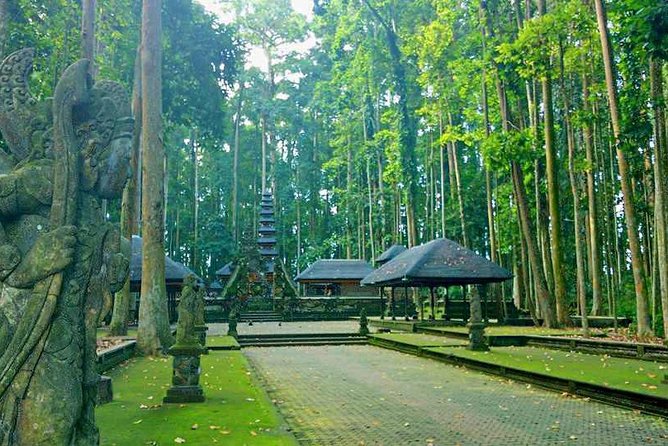
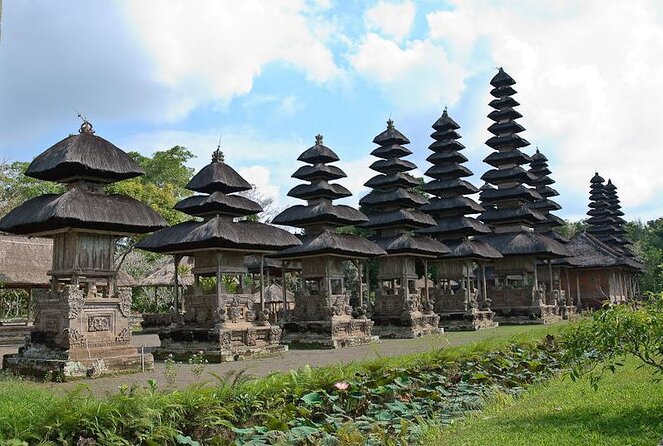
Taman Ayun Temple—its name basically means beautiful garden—brings you into a classic Bali temple landscape, but with a soft, park-like feel. It’s described as one of Bali’s most attractive temples, and the setting matters as much as the structures.
The temple sits in a beautiful park with trees and ponds nearby, which means you can take your time walking through a calmer environment. This stop is about 45 minutes, and for many people that’s perfect. You get enough time to appreciate the grounds without feeling like you missed anything.
What I like about Taman Ayun in this kind of day plan is that it balances the stronger nature energy of the waterfall and the monkey forest. It’s more shaded, more still, and easier for photos that include more than just one building. The ponds and trees give you natural framing, and it helps the whole day feel cohesive rather than a list of separate stops.
Price and Value: Is $40.50 Worth It?
At $40.50 per person, this trip can feel like good value if you compare it to what you’d spend to piece together the same mix of experiences. The big value points are the included logistics and transport: bottled water, air-conditioned vehicle, private transportation, fuel surcharge, and parking fees.
Entrance fees are not included, so plan for on-site payments when you arrive. But the remaining structure is what makes the price feel fair. You’re getting:
- A full-day circuit across nature and culture
- Private transportation rather than figuring out routing and timing yourself
- A guide-led flow that keeps the day from turning into a self-guided scramble
The other value factor is time saved. Starting at 8:30am and covering multiple areas efficiently means you get more done without spending your travel day managing schedules.
If your goal is a simple, well-paced day where someone handles the driving and keeps you on track, this price can make sense. If you’re trying to do a DIY version with cheap transport and lots of time flexibility, you might come in cheaper—but the day will likely feel less connected.
Your Guide in the Driver’s Seat: Bli Dewa Alit’s Impact
This is where the experience seems to land best. The tour is provided by Dewa Alit – Private Tours, and a highlight from past participants is the way Bli Dewa Alit makes people feel safe and comfortable, including solo travelers.
As a visitor, that can matter more than people expect. A cleansing ceremony isn’t just a sightseeing stop, and temple etiquette can be tricky when you’re unsure what’s appropriate. A guide who explains what you’re seeing and what you should do can turn a confusing day into a confident one.
In practice, a good guide also helps you move through crowded spots more calmly. With the monkey forest and active waterfall areas, small guidance makes a difference: where to stand, how long to linger, and when to move on.
If you’re someone who wants both culture and comfort, this tour’s strength is the human layer—your day feels guided, not just transported.
What to Pack (So You Can Actually Enjoy Every Stop)
You don’t need a huge kit, but I’d pack with the day’s activities in mind.
Bring:
- Comfortable walking shoes for steps (Nungnung is the big one)
- Swim option items if you plan to go in at the waterfall (towel and something for wet changing)
- A light layer for temple areas and any breezy moments
- A small waterproof bag for phone and wallet if you swim
Clothing-wise, aim for modest, respectful outfits for temple time. Also, remember that entrance fees aren’t included, so keep some cash or a payment option ready for sites during the day.
Who This Tour Is Best For
This tour is a strong fit if you want:
- A spiritual start to your Ubud visit, not just temple selfies
- A nature-meets-culture day with real walking and real water scenery
- A private outing where you’re not sharing your day with strangers
It’s also a good choice if you’re traveling solo and want a guide-led experience that helps you feel at ease.
If you dislike steps, long walking, or very hot sun, the waterfall stop may be your main challenge. You can still appreciate the rest of the day, but your enjoyment will depend on how comfortable you are with that 400-step descent and the return.
Should You Book This Ubud Cleansing Ceremony Tour?
I’d book it if you’re looking for a day that feels intentional—cleansing ceremony first, then nature and temple visits that match the calmer, reflective mood. The combination of a cultural ritual plus a well-paced route makes this more than another checklist.
I’d skip or reconsider if:
- You’re not comfortable with steep stair walking (about 400 steps)
- You prefer fully self-guided touring with no guided explanation
- You’d rather stay in one type of setting all day (only temples, or only beaches/nature)
If you’re in Ubud and you want one outing that mixes mind, body, and scenery—with private transport and a guide who helps you feel safe—you’ll likely enjoy this one. Keep modest clothing in mind for temple time, wear good shoes for Nungnung, and budget for entrance fees you’ll pay on-site.
FAQ
What does the tour include besides the ceremony and sightseeing?
It includes bottled water, air-conditioned vehicle, private transportation, fuel surcharge, and parking fees. Entrance fees for attractions are not included.
What is the starting time and how long is the tour?
The tour starts at 8:30am and runs about 8 to 9 hours.
Is this a private tour or shared group?
This is private. Only your group will participate.
Are entrance tickets included for Nungnung, Sangeh Monkey Forest, and the temples?
No. Entrance fees for attractions are not included, so you’ll need to pay on-site.
Do they offer pickup, or do I need to arrive at the meeting point myself?
Pickup is offered, and the meeting point is listed as near public transportation.
Can most people participate even if they are not super fit?
The tour notes that most travelers can participate. The main activity to consider is the Nungnung Waterfall walk down about 400 steps.