REVIEW · NUSA LEMBONGAN
Advanced Open Water Course – Advanced Certification in Lembongan (next to Bali)
Book on Viator →Operated by Dive Concepts Bali · Bookable on Viator
This course turns a basic skill into real underwater confidence. On Nusa Lembongan, you’ll work toward SSI Advanced Open Water in about two days, with five guided underwater training sessions that include a deep option close to 100 feet (30 meters) and a compass-focused navigation block.
I like how practical it feels: the format is described as mellower and less theory-centered than the Open Water course, and you get real guided repetition. I also like the human factor—reviews spotlight instructors like Valentin (safe and relaxed), Kaka (patient and detail-focused), Hugo (calm even in a low-season solo setup), plus Sara and Silvère (professional, fun, and confidence-building).
One possible drawback: you need Open Water certification first, and the course depends on good weather. If conditions are off, your schedule can shift, so build in flexibility.
In This Review
- Key things you’ll notice fast
- Nusa Lembongan is the smart next step after Open Water
- SSI Advanced Open Water: what certification actually means here
- The two-day flow: what happens during your training sessions
- Crystal Bay: your early setup for skill focus
- Manta Point: practice with momentum and better control
- Mangrove Point: steadier work with real-world navigation cues
- Toyapakeh: the place where deep planning feels real
- Jungut Batu Beach: finishing strong and making it stick
- The deep training and underwater navigation blocks are the real value
- Deep Adventure: plan, manage, and calm down at depth
- Underwater navigation: compass skills you can actually use
- Your instructor matters: why the course feels safe in real life
- Included gear and comfort: what you bring vs what you don’t
- The money question: is $431.28 worth it?
- What can go wrong (and how to plan around it)
- Who this course is best for
- My quick booking advice: should you go?
- FAQ
- Do I need Open Water certification before this course?
- How deep does the course train me to go?
- How long is the course?
- How many underwater training sessions are included?
- What locations are used during the course?
- What scuba gear is included?
- Are towels, accommodation, or meals included?
- How large is the group?
- Is good weather required?
Key things you’ll notice fast
Five guided underwater sessions, not just classroom work. You plan and practice real skills with an instructor.
Deep training close to 30m (100 feet). You learn what changes at depth and how to plan for it.
Compass navigation with kick-cycles, landmarks, and time. You’re not just shown a compass; you use it.
Choose your learning flavor from specialty options. Photography, buoyancy control, fish ID, wreck exploration—based on what you pick.
Comfortable base with practical on-site facilities. Wi-Fi, lockers, toilets, showers, and change rooms help you move fast.
Small group size up to 5. More attention per person makes skill-building easier.
Nusa Lembongan is the smart next step after Open Water
If you’ve completed Open Water, the question is what comes next without wasting time or money. The Advanced Open Water track is built for that gap. It pushes your skills, awareness, and planning forward under professional supervision—exactly what you want after the basics.
Lembongan is also a good “next chapter” location. It’s close to Bali, but it feels like its own diving (sorry—scuba) rhythm: multiple nearby training sites, short travel time between sessions, and a setup where you can focus on the skills instead of logging an all-day commute.
You can also read our reviews of more tours and experiences in Nusa Lembongan.
SSI Advanced Open Water: what certification actually means here
This course is designed to qualify you as an Advanced Open Water diver with SSI, and the training is structured around specific “adventure” skill themes. You’ll study some theory, but the emphasis is on applying it in water so you can handle real conditions with better control.
You also get a clear outcome: certification to depths up to about 100 feet (30 meters), using the course’s Deep Adventure training as your anchor skill. That matters because depth isn’t just “going down”—it changes your gas use, your pacing, and how you manage physiological effects.
The course is also explicitly described as less theory-centered than Open Water. That doesn’t mean there’s no learning. It means you spend more time practicing the things you’ll actually do on future trips: plan, execute, monitor yourself, and refine technique.
The two-day flow: what happens during your training sessions
The schedule is tight but straightforward: a theory component plus five themed underwater training sessions across multiple locations around Nusa Lembongan. The key thing is that each stop supports a different goal, so you’re not repeating the same exercise five times.
You’ll start at the meeting point at Jungutbatu, Nusa Lembongan (the operator’s shop), and the activity ends back there. The day begins around morning hours, with the operator open daily from 8:00 AM to 8:00 PM, so there’s room to fit training into the usable daylight.
Here’s how the five locations fit into the course goals:
Crystal Bay: your early setup for skill focus
Crystal Bay is the first stop on your plan. Think of this as where you get your rhythm: gear checks, briefing, and early technique work before you push into more advanced challenges later.
What to watch for: your instructor will likely use this time to confirm you’re comfortable with buoyancy control, breathing pace, and stable positioning. If you’re still thinking about gear constantly, this is the moment to let that mental load drop.
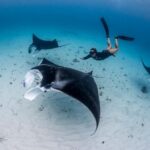
Manta Point: practice with momentum and better control
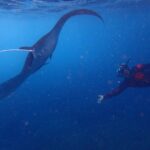
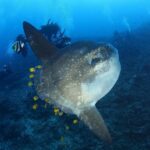
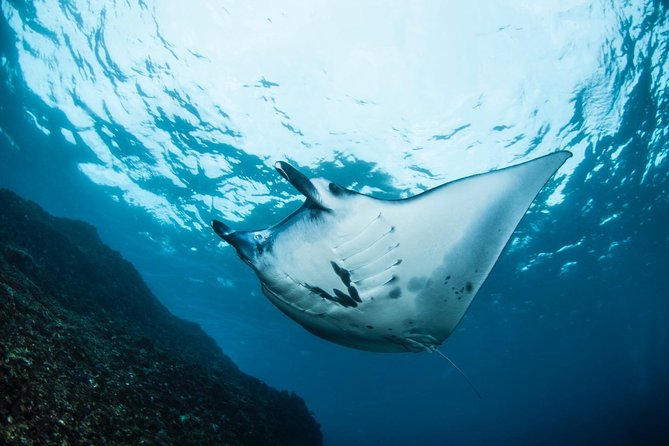
Next is Manta Point. Even without assuming what wildlife will show up, “point” locations are useful for training because conditions can vary with currents and exposure.
This stop is usually where you benefit most from the training theme: you’ll refine how you move and how smoothly you execute instructions. If you’ve ever felt rushed underwater, this kind of structured stop helps you slow down and keep your plan.
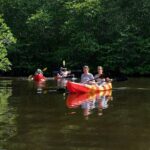
Mangrove Point: steadier work with real-world navigation cues
Mangrove Point at Nusa Lembongan comes next. Mangrove areas often give you clear reference points, which helps for underwater skills that rely on landmarks and orientation.
For the Advanced track, this is a strong match for navigation practice. You’ll likely connect what you learn from compass skills to what you can actually see underwater—visual anchors and time-based movement.
Toyapakeh: the place where deep planning feels real
Toyapakeh is on your itinerary right after the mangrove stop. This is where the course’s push toward deeper training starts to feel grounded in real dive (sorry—underwater) execution and planning.
The Deep Adventure Dive is described as training on how to plan dives and handle physiological effects and challenges of deeper scuba. That means you’ll get hands-on practice managing the whole “depth workflow,” not just reaching a number on a gauge.
Jungut Batu Beach: finishing strong and making it stick
Your last stop is Jungut Batu Beach. A beach location is often where the team can focus on wrapping up: refining skills, checking comfort, and confirming your progress before you finish the certification requirements.
This is also where you can consolidate what you learned. If you want future sessions to feel easier, ask your instructor how to maintain the buoyancy and navigation habits you practiced across the week.
The deep training and underwater navigation blocks are the real value
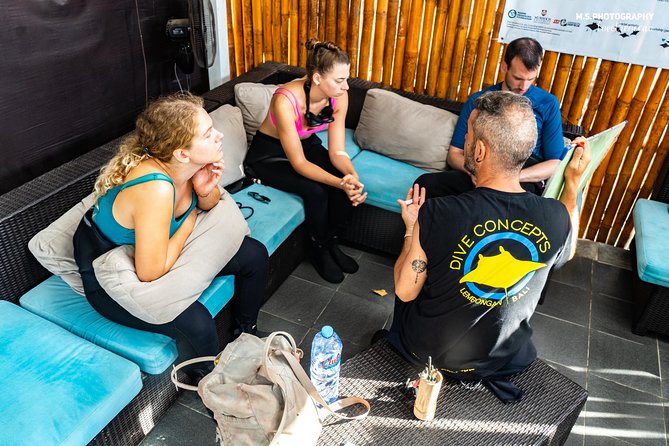
Two course elements deserve special attention because they change how you dive with confidence later: the deep option and the underwater navigation session.
Deep Adventure: plan, manage, and calm down at depth
The course’s Deep Adventure Dive is designed to help you plan dives and deal with physiological effects and challenges of deeper scuba diving. Practically, that means you learn how deeper training affects how you think and move.
I like this block because it’s honest. You don’t get to skip the reality of depth. You learn the skills to handle it safely and confidently.
Underwater navigation: compass skills you can actually use
The Underwater Navigation Adventure Dive refines compass navigation. The specific methods listed are kick-cycles, visual landmarks, and time. That combination is important.
If you only learn compass headings but not timing and body movement, navigation can still feel chaotic. The course’s approach ties together direction, controlled movement, and references you can spot underwater.
Your instructor matters: why the course feels safe in real life
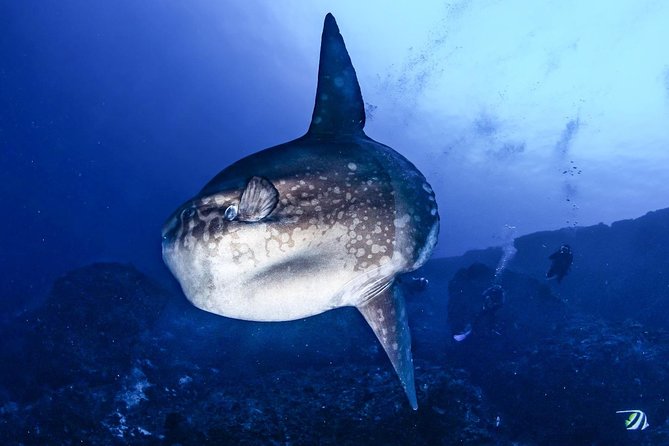
You’ll have a certified instructor, and small group size keeps the experience personal (max 5 travelers). The reviews repeatedly highlight the same thing: instructors who teach with patience and close observation.
Examples from course feedback include:
- Valentin, described as making people feel safe and relaxed from the first moment, with clear professionalism.
- Kaka, praised as warm, professional, and very detail-focused—observing students and teaching specific skills carefully.
- Hugo, called patient, especially when the group setup allowed close one-on-one attention.
- Sara and Silvère, described as professional, fun, and confidence-building.
You should care about this because Advanced Open Water is where mistakes cost more. The best instructors don’t just correct you—they help you understand why your body and gear react the way they do.
Included gear and comfort: what you bring vs what you don’t
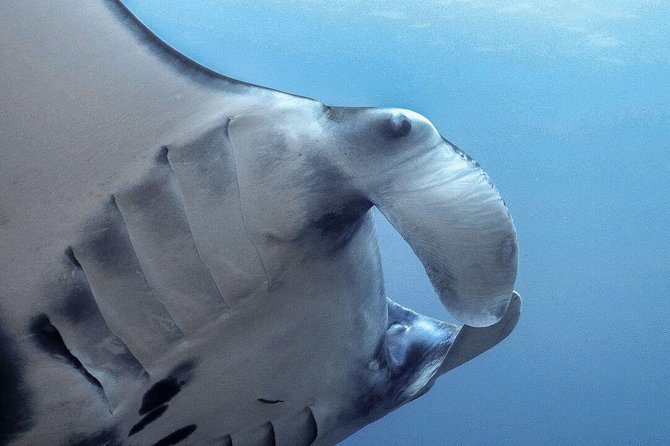
This package includes the core equipment: masks, snorkel, fins, buoyancy control jacket, regulator, other instruments, wetsuit, and weight belt. That’s a big deal. It saves you the headache and cost of arranging rentals across multiple days.
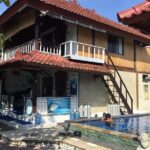
It also includes instructor support and access to scuba center facilities like Wi-Fi, toilet, shower, and lockers. There’s even a restaurant on-site, though it’s at your own expense. If you’ve ever finished a training day sore and hungry, you’ll understand why having a clean change room and shower matters.
What you should plan for: bringing your own personal items (like your own towel, if you prefer) and being ready for wetsuit days. The course includes the wetsuit, so you won’t need to shop for one—but you may still want comfort extras.
The money question: is $431.28 worth it?
At $431.28 per person for about two days, this is priced as a full certification package with equipment and instructor coverage through five themed underwater sessions.
For me, the value check is simple:
- You’re not paying for a single attraction. You’re paying for skill development that leads to SSI certification.
- You’re getting complete gear included, plus the structured instructor-led program.
- You’re working across multiple training locations, including a deep option close to 30 meters and an underwater navigation block.
If you’re only looking for sightseeing, you’d usually spend less on a shorter day outing. But if you’re upgrading from Open Water and want the certification outcomes, this price makes sense.
What can go wrong (and how to plan around it)
Two practical considerations show up in the course info and are worth taking seriously.
First, you must be Open Water certified to start. That’s not a detail to “hope for.” It’s a hard requirement.
Second, the course requires good weather. If weather is poor, your schedule can be changed or you may receive a refund. So pick your dates when you can stay flexible, and avoid booking a tight flight the same day.
Who this course is best for
This course is ideal if you:
- Completed Open Water and want structured training fast.
- Want better navigation skills using compass plus technique (kick-cycles, landmarks, time).
- Are ready to work on deeper comfort and planning.
- Prefer an approach described as less theory-centered and more hands-on.
It also fits well if you like clear guidance and close instructor attention. The small group size helps.
My quick booking advice: should you go?
If you want to progress responsibly from Open Water and you’re excited by depth planning and navigation, I’d book this. The package structure—five guided underwater training sessions, included gear, and a professional instructor—adds up to a solid value.
But if you hate the idea of weather-dependent scheduling, or you’re not ready for the Open Water prerequisite, wait until your dates are flexible. Also, if you’re aiming for one specific underwater specialty, check what you can choose from with your instructor so your training matches your real interests (photography, buoyancy control, fish ID, wreck exploration are listed options).
FAQ
Do I need Open Water certification before this course?
Yes. You have to be Open Water certified first to obtain the Advanced Open Water certification.
How deep does the course train me to go?
The certification targets training that qualifies you to dive to depths up to 100 feet (30 meters).
How long is the course?
The course runs for 2 days (approximately).
How many underwater training sessions are included?
You’ll complete five training sessions as part of the Advanced Open Water program.
What locations are used during the course?
Your itinerary includes Crystal Bay, Manta Point, Mangrove Point at Nusa Lembongan, Toyapakeh, and Jungut Batu Beach.
What scuba gear is included?
The package includes masks, snorkel, fins, buoyancy control jacket, regulator, other instruments, wetsuit, and weight belt.
Are towels, accommodation, or meals included?
Accommodation is not included (dormitory and bungalows are available at the dive center). The restaurant exists on-site, but it’s at your own expense. Digital photo/video souvenirs are also not included.
How large is the group?
The maximum group size is 5 travelers.
Is good weather required?
Yes. The experience requires good weather. If it’s canceled due to poor weather, you’ll be offered a different date or a full refund.