REVIEW · NUSA LEMBONGAN
Snorkeling Trips with Manta Ray from Nusa Lembongan
Book on Viator →Operated by Bali Panoramic · Bookable on Viator
A manta ray swim is the highlight here. I like that this trip is built around beginner-friendly safety gear and that you come back with underwater photos and videos. The one drawback to plan for: manta sightings aren’t guaranteed, and higher swells can change the route so you snorkel other sites instead.
This is a half-day outing that runs about 3 to 4 hours, with a small group (up to 20) and an easy meeting setup. You’ll spend real time in the water at multiple spots around Nusa Lembongan and Nusa Penida, and the crew is used to guiding non-swimmers too.
In This Review
- Key takeaways before you go
- Safety gear and the real meaning of a beginner-friendly manta trip
- Price, time, and what you’re actually paying for ($23 is a deal if it fits your goals)
- The 3-stop plan around Nusa Lembongan and Nusa Penida
- Stop 1: The Manta Point swim (why you might see them in a busy swell)
- Stop 2: Toya Pakeh Wall for turtles and schooling fish
- Stop 3: Mangrove Point Lembongan for shelter-loving species
- What it feels like on the water: staying together, staying safe, staying positive
- The marine-life outcome: manta rays are the star, but not the only reason to book
- Logistics that matter in real life: pickup, meeting points, and what to bring
- Who this is best for (and who should think twice)
- Should you book this Nusa Lembongan manta ray snorkeling trip?
- FAQ
- FAQ
- How long is the snorkeling trip?
- What does the tour cost?
- Is pickup included?
- Where do I meet?
- Do I need to bring snorkeling equipment?
- Can non-swimmers join?
- Are manta ray sightings guaranteed?
- What marine life might I see on this trip?
- What facilities are available after snorkeling?
- What happens if the weather is poor?
Key takeaways before you go
- Safety-first snorkeling gear: life vests, life rings, and rope support if you need it
- Photo and video included: you’ll get underwater shots of you in action
- 3 stops with different habitats: manta-focused, a reef wall, then mangroves
- Manta conditions matter: expect the plan to adapt if swells make travel unsafe
- You’ll be guided in the water: helpful if you’re nervous in open water
- Small-group feel: capped at 20 travelers for better attention
Safety gear and the real meaning of a beginner-friendly manta trip
This isn’t the kind of snorkeling where you’re thrown into deep water and told good luck. The experience is set up for people who don’t swim well, including kids and older adults, because you’re given the support equipment (lifejacket-style vests, life buoys/rings, and rope if needed) and you snorkel with a team that works to keep the group together.
I also appreciate the practical touches. Before and after, you get a welcome drink, plus showers, lockers, and towels so you can rinse off salt and change clothes without improvising. The tour also includes insurance coverage, which matters more than it sounds when you’re on a boat and the sea can be choppy around this area.
That said, I’d treat the “easy” part as safety support, not magic conditions. One review mentioned they got sea sick when the ocean was rough, and another noted how the first stop can feel hectic until the guide gets everyone organized. My advice: if you’re motion-sickness prone, plan ahead, sit where you’re least likely to rock, and don’t assume the sea will be calm.
You can also read our reviews of more snorkeling tours in Nusa Lembongan
Price, time, and what you’re actually paying for ($23 is a deal if it fits your goals)
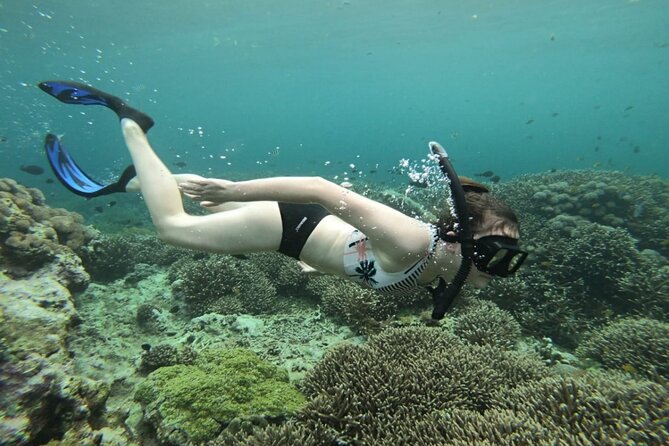
At $23 per person, this is priced like a value-first activity, and it includes more than just “a boat + masks.” You’re getting snorkel gear (mask, snorkel, fins), the flotation support, and a 3-point snorkeling day with stops that are known for marine life. Photos and video are included too, which can easily be the difference between a trip that feels forgettable and one you’ll keep showing people.
The total time is also reasonable: about 3 to 4 hours. That makes it a smart choice if you’re basing yourself on Nusa Lembongan and want wildlife without dedicating a full day to transport across islands.
Two cost considerations to keep in mind:
- Pickup and drop are included on Lembongan Island (and meeting is set for Yellow Bridge at 09:30 if you’re staying on Nusa Ceningan).
- You’re not picked up from Bali, so you’ll want to be on the Lembongan side already.
The 3-stop plan around Nusa Lembongan and Nusa Penida
The schedule runs three snorkeling periods of about 1 hour each. The big idea is variety: you start where mantas may be present, move to a reef wall that tends to show more big-life variety, then end at a mangrove area where fish life hangs around structure and shelter.
Do note the key “nature” reality: the manta site is weather-and-sea-dependent. If swells are too high, the captain and guides may skip or swap that stop for safety, and you’ll snorkel other locations instead. You still get a full day’s value, but your odds shift.
Stop 1: The Manta Point swim (why you might see them in a busy swell)
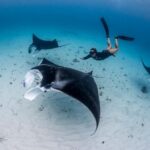
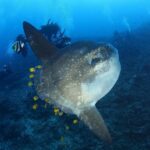
This is the manta-focused part of the trip. You snorkel at The Manta Point for about an hour, and manta rays are commonly seen as fins can pop up between waves when conditions line up.
What I like about how this stop is described: it sets expectations that you might see mantas that are smaller than what people sometimes picture, but the chances can be higher because there may be more of them. Even when the mantas aren’t huge, seeing that first wave of life at the surface can feel like the whole day clicked into place.
What to consider: if the sea state is rough, it may be unsafe to reach or stay at the manta site. One review said mantas couldn’t be seen because swells were too high, and they snorkeled other points instead. That’s not failure—it’s the tradeoff for taking a boat out into real ocean conditions.
Stop 2: Toya Pakeh Wall for turtles and schooling fish
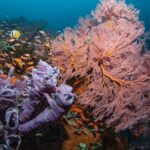
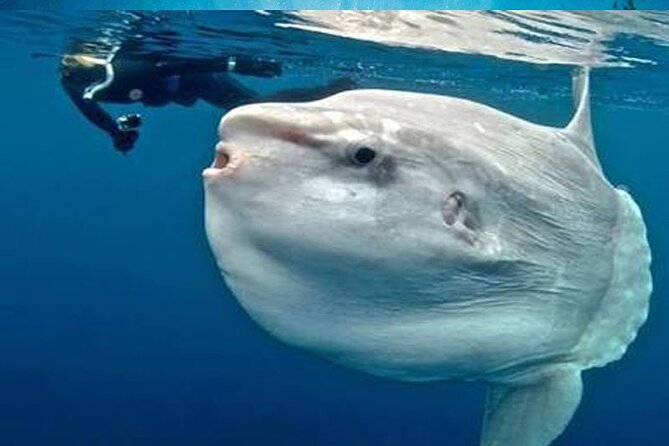
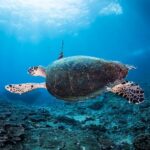
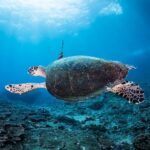
Next you head to Toya Pakeh, a reef wall area. This is where the trip shifts from “maybe manta” to “high chance of seeing lots of marine life.” You snorkel for about an hour and you can encounter species listed like mola mola, turtles, scorpion fish, stone fish, angel fish, clown fish, sea snakes, nudibranchs, bat fish, and barracuda.
That list matters for two reasons. First, it gives you a sense of what kind of viewing to expect: not just one animal, but a range. Second, the variety makes it easier for beginners. Even if you’re not perfectly comfortable yet, you can still enjoy fish you spot without chasing one specific moment.
A practical note: reef wall sites can also mean more boats and more swimmers at once. One review complained about too many boats and people in the water. That’s something I can’t control, but it’s a real reason to go in with patience. Your guide can help you get where you need to be, but you may still have company.
Stop 3: Mangrove Point Lembongan for shelter-loving species
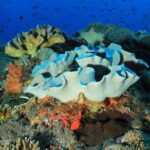
The final stop is Mangrove Point on Nusa Lembongan. Mangroves change the feel of the snorkeling: more structure, more hiding places, and often fish life that’s less about open-water movement and more about hanging around.
You’re likely to see fish like giant puffers, scorpion fish, angel fish, clown fish, box fish, plus nudibranchs, moray eels, nurse sharks, and turtles. The mangrove setting can be a nice way to end the day because it tends to feel calmer than a “wild” open-water encounter.
One more reason this stop is a good idea for beginners: you’re often not working as hard to locate wildlife. The environment itself gives fish plenty of places to appear, and the guide can point out what’s worth your time.
What it feels like on the water: staying together, staying safe, staying positive
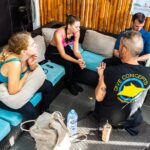
This trip is designed to be managed. In one featured review, the first stop was described as hectic, but the guide kept everyone together and made sure people didn’t drift or panic. Another review praised how staff stayed vigilant, especially when the boat pushed through giant swells—feeling safe while moving fast matters when you’re already on the edge of comfort.
For me, that lines up with the tour’s safety promise. Non-swimmers can snorkel because the crew provides flotation equipment and also guides you in the water as you need it. One review even said the staff accommodated how long people wanted to stay in the water, with patience and support.
Still, I’d make a small, smart move before you even enter the water: confirm that you have the right flotation setup. One review claimed life vests weren’t offered, and that snorkeling felt like it wasn’t communicated well for true beginners. You don’t need confrontation—just a quick check with the guide so you can relax.
The marine-life outcome: manta rays are the star, but not the only reason to book
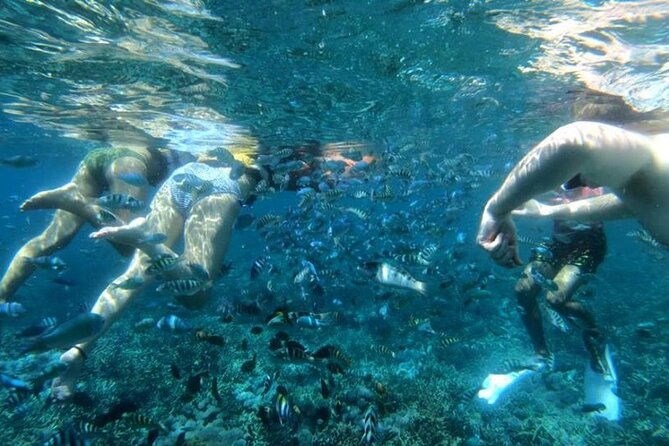
Let’s be honest. Your main reason for booking is the chance to see manta rays close up. The tour is clear that sightings aren’t guaranteed because mantas are wild animals and their presence can vary with environmental factors.
But the rest of the trip can carry its weight. One review said they saw manta rays and marine turtles, and had great diversity beyond that. Another review missed mantas due to swells but still saw turtles and a lot of colorful fish. In other words: even when the manta part doesn’t happen, the day still has real wildlife value.
If your heart is set on a manta-ray checklist, aim for a trip where conditions are likely to be workable and be mentally ready for substitutions. If you’re more flexible—wanting turtles, reef fish, and the overall snorkeling experience—this is the kind of itinerary that can still satisfy.
Logistics that matter in real life: pickup, meeting points, and what to bring
Here’s how to keep the day smooth.
Pickup and meeting
- If you’re on Nusa Lembongan: free pick up & drop service from your hotel is offered.
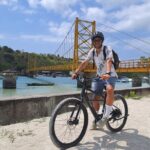
- If you’re on Nusa Ceningan: you’ll meet at Yellow Bridge at 09:30.
- Meeting starts at Lagoon Bliss Captain Good, on Nusa Penida/Lembongan area roads (near public transportation). The activity ends back at the meeting point.
Bring
- Comfortable clothing and a change of clothes
- Comfortable footwear
- Sunscreen
- Camera (if you want your own shots)
- Cash or credit card for self-expenses
What’s provided
- Snorkeling masks, snorkel, fins
- Life vest / life rings (and rope if needed)
- Towels, showers, lockers
Who this is best for (and who should think twice)
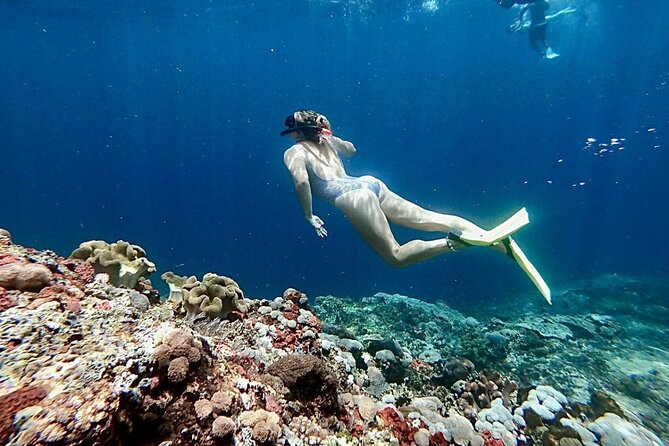
This is a great fit if you:
- want a manta-ray chance without needing to be a strong swimmer
- like getting real wildlife variety in a short time
- want underwater photos and video without paying extra
- prefer a small group (max 20)
It’s not a perfect fit if you:
- get motion sick easily when boats hit swells (one review mentioned sea sickness)
- need totally calm, stress-free water (conditions can force manta site changes)
- have a strict expectation of specific mega-fauna sightings that day (mantas aren’t guaranteed)
If you’re anxious about snorkeling, the guided support helps a lot. If you’re anxious about oceans, the photos and the mangrove stop can still make the day worth it—just don’t bet everything on the manta outcome.
Should you book this Nusa Lembongan manta ray snorkeling trip?
If your goal is a manta ray chance plus a fun, guided snorkeling day with safety gear and photo/video, I’d say book it—especially at this price. The itinerary is structured so even with imperfect conditions, you still snorkel multiple sites with meaningful marine-life possibilities.
But I’d book with the right mindset. The sea can be rough, swells can affect whether manta rays are reachable, and beginners still need to feel comfortable in the flotation setup. If you’re prepared for that, you’re set for a memorable half-day on the water.
FAQ
FAQ
How long is the snorkeling trip?
The trip runs about 3 to 4 hours total, with three snorkeling stops of roughly 1 hour each.
What does the tour cost?
It costs $23.00 per person.
Is pickup included?
Yes. There is free pick up & drop service from hotels on Lembongan Island. If you stay on Nusa Ceningan, you meet at Yellow Bridge at 09:30.
Where do I meet?
The activity starts at Lagoon Bliss Captain Good, on Jalan Raya Mangrove Point, Jungutbatu, Nusa Penida area (near public transportation). The tour ends back at the meeting point.
Do I need to bring snorkeling equipment?
No. Snorkeling equipment is provided, including masks, snorkel, fins, and safety flotation gear like life vests/life rings (and rope if needed).
Can non-swimmers join?
Yes. Non-swimmers can snorkel with the group because safety equipment is provided and guides are there to support people who need assistance.
Are manta ray sightings guaranteed?
No. Manta rays are in the wild, and sightings depend on environmental factors. Conditions around the manta area can also affect whether you go there.
What marine life might I see on this trip?
Expect possibilities like mola mola, turtles, scorpion fish, stone fish, angel fish, clown fish, sea snakes, nudibranchs, bat fish, barracuda, giant puffers, moray eels, nurse sharks, and more.
What facilities are available after snorkeling?
You get showers, lockers, and towels so you can wash and change after the trip.
What happens if the weather is poor?
This experience requires good weather. If it’s canceled due to poor weather, you’ll be offered a different date or a full refund. You can also cancel up to 24 hours in advance for a full refund.