REVIEW · NUSA LEMBONGAN
Try Diving in Nusa Lembongan – Penida. For beginners (with 2 ocean dives)
Book on Viator →Operated by Bali Diving Academy · Bookable on Viator
Learning scuba is one thing. Doing it in Penida is better. This beginner program in Nusa Lembongan and Nusa Penida pairs a pool skills reset with two guided ocean sessions around some of Bali’s best-known underwater spots. I like that it’s small-group, so you get real time with your instructor, and I like that the day is built for comfort with water, hot drinks, and lunch on the boat.
One thing to consider: you still need a bit of underwater confidence. If you freeze after a few minutes, you’ll want an instructor who can slow things down and keep you calm, and that depends on the instructor and your own pacing.
In This Review
- Key highlights you’ll care about
- Why Nusa Lembongan and Penida work so well for first-timers
- Your day schedule: from pool practice to two ocean sessions
- Safety and instructor attention for nervous beginners
- What’s included on the water: gear, food, and hot drinks
- Wildlife expectations: manta rays, Mola Mola season, and coral reef life
- Price and value: is $125 a good deal for beginners?
- Who should book this try-scuba course (and who should go slower)
- Booking rhythm and what can change your day
- Should you book this Nusa Lembongan try-scuba program?
- FAQ
- FAQ
- Where is the meeting point for the program?
- What time does the experience start?
- How long does the experience take?
- Do I need previous experience?
- What’s included for the day?
- How many people are in the group?
- What wildlife can I expect to see?
- What happens if the weather is poor?
- Can I cancel and get a full refund?
Key highlights you’ll care about
- Pool-first training so you practice breathing and control before you head to open water
- Two guided ocean sessions with close instructor attention during each water time
- Small group cap of 8 for steadier coaching and less waiting around
- Gear included so you avoid rental hassles and packing pressure
- Lunch box + hot drinks + water on the boat to keep your energy up
- Seasonal wildlife timing: Mola Mola July–October, manta rays year-round but not guaranteed
Why Nusa Lembongan and Penida work so well for first-timers
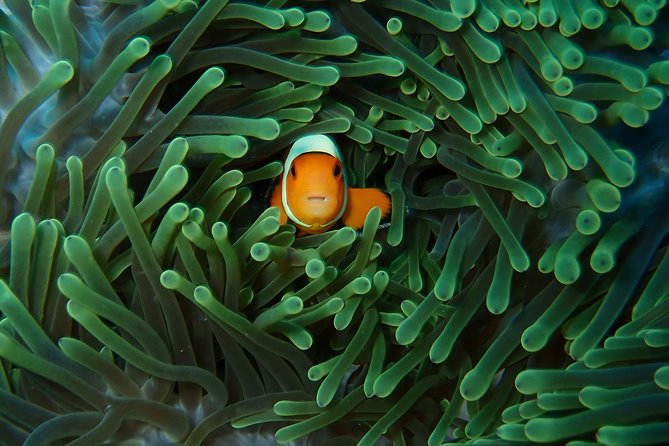
Nusa Lembongan and Nusa Penida are the kind of places divers plan around, even if they’re new to the sport. The reason is simple: the water and the marine life can be world-class, and the sites are close enough to get a full day of training without turning it into a long, exhausting travel saga.
If you’re hoping for big-ticket animals, timing matters. The July to October window is the best shot for Mola Mola sightings. Outside that season, you’re still in the game for other stars—especially manta rays, which can show up year-round. But I want you to go in with the right expectation: sightings aren’t promised. Visibility, current, and daily conditions decide what you see.
The training part matters too. This course is designed for absolute beginners. That means your underwater time isn’t random, and it isn’t about “toughing it out.” You practice control first so the ocean sessions are a continuation, not a shock.
You’ll also hear site names that come up again and again around the islands—Manta Bay, Crystal Bay, Gamat Bay, Toya Pakeh, and Sental. You won’t necessarily hit all of them in one day, but you’re diving into an area known for clear water and colorful coral reef life.
You can also read our reviews of more scuba diving tours in Nusa Lembongan
Your day schedule: from pool practice to two ocean sessions
The day runs like a steady progression. No skipping steps, no rushing you straight into deep water.
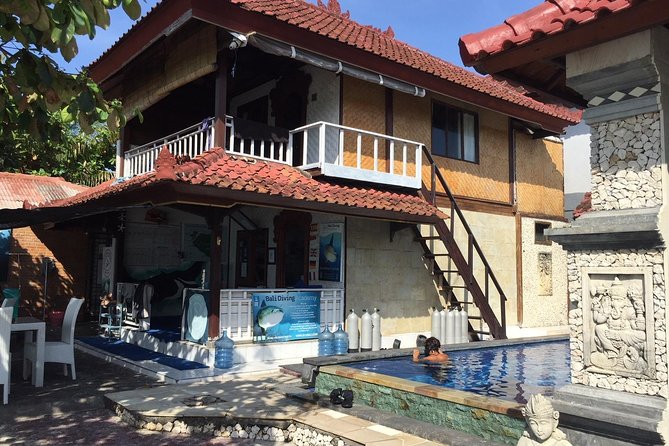
You meet at 8:00am at the shop in Jungut Batu, with paperwork and gear sorting. The goal here is to get everything set before the training starts, so you don’t burn mental energy figuring out equipment while you should be learning technique.
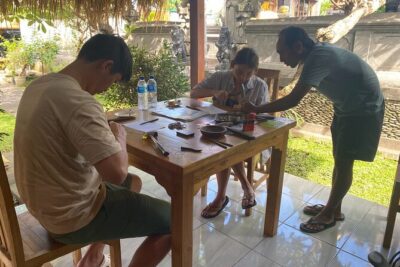
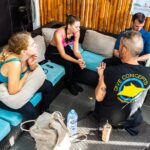
Next comes the pool session. This is the stage I’m most grateful for if you’re a first-timer. It’s where you get the basics of breathing underwater, plus work on basic control and comfort. You’ll also learn neutral buoyancy skills—basically, how to hover without fighting the water.
Then the ocean schedule begins around 10:00am with your first guided ocean session. Expect it to be structured: your instructor will stay close, and your job is to focus on breathing, calm movement, and the control skills you practiced earlier.
After the first ocean session, you get about a one-hour surface interval. This matters more than it sounds. You’re catching your breath, settling your nerves, and eating enough to keep your energy steady. On that break you’ll have tea and coffee, plus a lunch box (you get a choice of lunch-box options), which you eat on the boat.
Then comes the second ocean session—again guided, again with instructor attention. By the time you finish, you’re not just “done.” You’ll usually feel like you understand what your body is doing underwater, which is exactly what you want after a first try.
You’re back to the shop around 3:00–3:30pm, so you still have the afternoon free in Lembongan.
Safety and instructor attention for nervous beginners
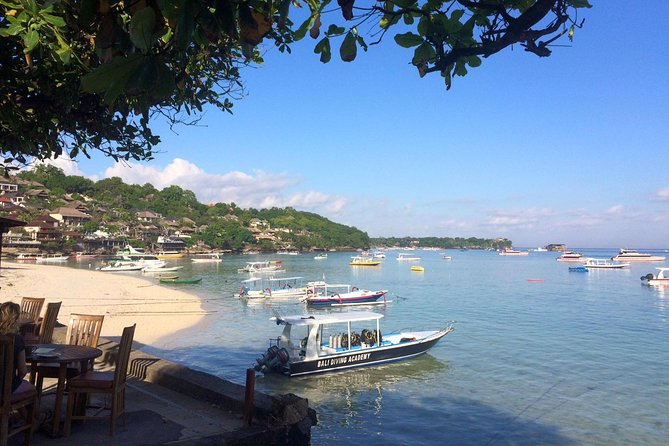
This experience is positioned as safety-first, and they claim a 100-percent safety record. No one can guarantee conditions every minute of the day, but the framing tells you what the operator values: doing things methodically, not cutting corners.
The more practical safety feature is the small-group size, capped at 8 travelers. In practice, small groups mean:
- your instructor can watch you more closely
- you get quicker fixes if something feels off
- fewer people means less waiting and fewer distractions
This is especially important because first-timers often struggle with the same things: breathing timing, buoyancy control, and staying relaxed when the water feels unfamiliar. A good instructor turns those moments into short, solvable lessons.
Neutral buoyancy is a big deal for comfort. When you can hold yourself level, you stop thrashing. Less thrashing usually means better breathing, less fatigue, and a better chance you’ll actually enjoy the scenery—and not just count the minutes until you’re back on the surface.
One caution from the real world: confidence can’t be faked. If you tend to panic, the best move is to communicate early and ask for slower steps before the first ocean session. The course is built for beginners, but the “right pace” still depends on the instructor and your own comfort level.
What’s included on the water: gear, food, and hot drinks
A big part of value here is what they handle for you.
You don’t need to pack scuba gear. Everything you need is provided, which means you avoid the usual hassles—wrong sizes, missing parts, last-minute rentals, and all the stress that comes with trying to learn in unfamiliar equipment.
Then there’s the comfort package on the boat: water, hot drinks, and lunch. That sounds like a small thing until you’re out in open water for a full training day. Staying hydrated helps you feel steadier, and warm drinks can take the edge off the chill when you’re resting between sessions.
Lunch is a local lunch on the boat, and during the surface interval you’ll also get a lunch box with tea and coffee. If you’ve ever had a half-finished meal right before a physical day, you know how much it affects nerves. This schedule is set up to keep you fed and moving in a steady rhythm.
Also, the schedule is built around breaks. You’re not doing back-to-back ocean time without recovery.
Wildlife expectations: manta rays, Mola Mola season, and coral reef life
Here’s how to think about wildlife on this route.
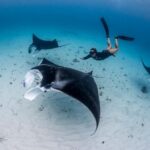
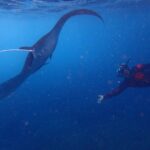
Manta rays are possible all year. That’s great, because you don’t need perfect months to have a chance. But even when they’re in the area, sightings depend on the specific site and the day’s weather and visibility.
Mola Mola is the seasonal headline. July to October is when you’re most likely to see them around these islands. If you travel during those months, it’s worth setting your sights on that window.
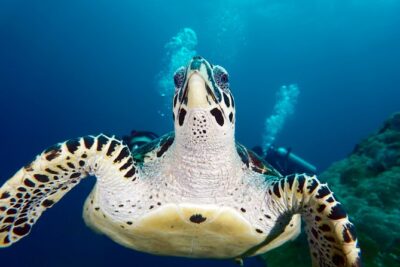
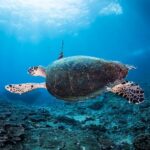
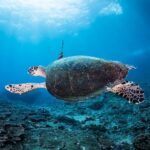
You may also see other ocean life like turtles, depending on site conditions. What I like about this course is that it doesn’t sell you an absolute guarantee. It focuses on giving beginners a controlled first experience, while still putting you in the right region for real wildlife.
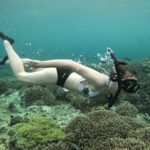
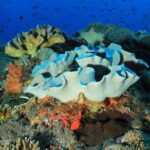
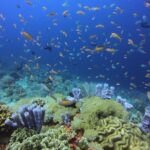
About the underwater world itself: this area is known for clear water and healthy coral reef ecosystems. Even if the big animals don’t show up that day, the reef life is still the point for many first-timers—color, texture, and the feeling of space down under.
Sites named in the program lineup include Manta Bay, Crystal Bay, Gamat Bay, Toya Pakeh, and Sental. There are 12 total underwater spots around the islands, so your exact route depends on conditions.


Price and value: is $125 a good deal for beginners?
At $125 per person for an approximately 8-hour day, it’s not a “cheap” activity. But it’s also not one of those DIY bargains where you pay extra later for equipment and supervision.
For this price, you’re getting:
- pool training to learn breathing and basics
- two guided ocean sessions tailored to beginners
- gear provided
- small-group coaching (max 8 travelers)
- lunch and boat-time hydration (water + hot drinks)
That matters because beginner scuba costs add up fast if you try to piece it together. Training isn’t just time in the water; it’s instruction, safety planning, and the coaching needed to keep you calm and improving.
Another subtle value point: the schedule includes a surface interval with drinks and lunch. That reduces fatigue, and fatigue is the enemy of good technique.
If you want to plan well, note that it’s often booked about 20 days in advance on average. If your travel dates are tight, booking early helps you lock in the time you want.
Who should book this try-scuba course (and who should go slower)
This is a smart fit if:
- you’re a first-timer and want pool training first
- you want an instructor who stays close during the ocean sessions
- you prefer a small group instead of a crowded boat experience
- you’d like the operator to handle gear and meals
It’s also a decent fit if you’re comfortable with moderate physical activity. The course asks for a moderate physical fitness level, which basically means you should be able to move in and out of the water safely and handle some time aboard a boat.
Who might want to pause and think first? Anyone who knows they struggle under pressure. The course is built for beginners, but underwater confidence affects how quickly you relax. If you’re anxious, plan to tell your instructor at the start, go through the pool steps carefully, and don’t pretend you’re fine when you’re not.
If you’re okay with learning at your pace, this style of course usually feels empowering because you’re not thrown into the ocean and left to figure it out.
Booking rhythm and what can change your day
Your day depends on conditions, and the operator notes that the experience requires good weather. If the weather doesn’t cooperate, you’ll be offered a different date or a full refund.
That’s a good sign operationally. In water sports, “weather happens” is real, but so is planning. A well-run course doesn’t insist you go out no matter what.
Confirmation timing can also vary. You’ll get confirmation at booking time unless you book close to travel (within about 9 days), in which case confirmation comes within 48 hours, depending on availability.
On the operational side, the course uses a mobile ticket, which is convenient if you travel light.
Should you book this Nusa Lembongan try-scuba program?
I’d book it if you want your first scuba experience to feel structured, supported, and not overwhelming. The combination of pool practice, two guided ocean sessions, gear included, and actual food and drinks on the boat adds up to more than a “try it once” outing. It’s a full day built for learning.
I’d think twice only if you’re likely to panic under pressure or you need extra patience beyond what the schedule allows. In that case, set expectations upfront before you start, and make sure you’re ready to slow down in the pool so the ocean sessions feel manageable.
If you’re traveling during July–October, and you’re hoping for Mola Mola, this is one of the right ways to experience the area. If you’re there any time of year, focus on manta rays as a chance, not a certainty—and enjoy the reef life and the skills you’ll build.
FAQ
FAQ
Where is the meeting point for the program?
You meet at the shop in Jungut Batu, Nusa Lembongan, at the address listed: Jungutbatu, Kec. Nusa Penida, Kabupaten Klungkung, Bali 80771, Indonesia.
What time does the experience start?
It starts at 8:00am.
How long does the experience take?
The activity runs about 8 hours.
Do I need previous experience?
No. The course is designed for absolute beginners and does not require prior skill. It includes a pool session to build basic skills.
What’s included for the day?
You get pool training and two guided ocean sessions, an experienced instructor, and scuba kit provided. You’ll also have lunch on the boat, plus water and hot drinks.
How many people are in the group?
The group is capped at maximum 8 travelers.
What wildlife can I expect to see?
In the July–October season, Mola Mola sightings are possible. Manta rays can be seen all year round, but sightings depend on the dive site and daily conditions. You might also see turtles, depending on the day.
What happens if the weather is poor?
The experience requires good weather. If it’s canceled due to poor weather, you’ll be offered a different date or a full refund.
Can I cancel and get a full refund?
Yes. You can cancel up to 24 hours in advance for a full refund. If you cancel less than 24 hours before the start time, the amount paid is not refunded.