REVIEW · NUSA LEMBONGAN
Open Water Course in Nusa Lembongan – Get Certified on remote island (next Bali)
Book on Viator →Operated by Dive Concepts Bali · Bookable on Viator
Breathing underwater starts with calm, clear coaching. This SSI Open Water course on remote Nusa Lembongan focuses on skill-building with certified instructors, and you’ll get plenty of structure from people like Silvère, Kaka, Loïc, and Pablo. The local scuba school setting is also practical: Wi‑Fi, lockers, bathrooms, and a restaurant are right there for downtime.
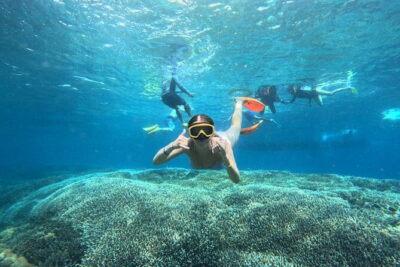
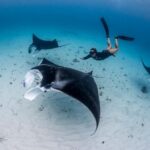
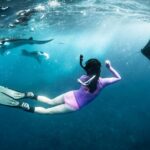
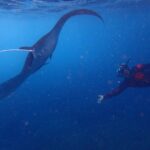
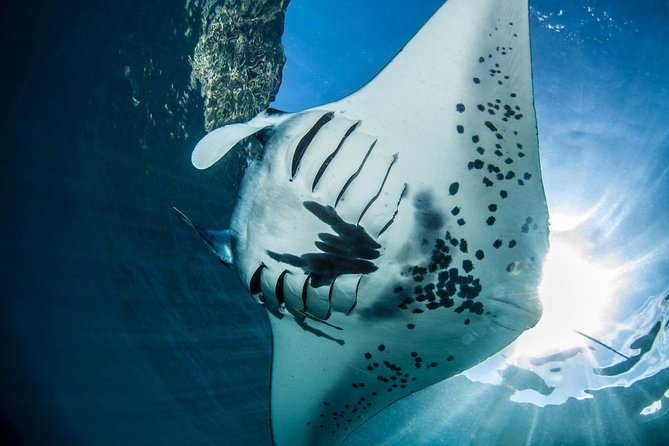
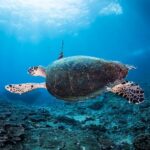
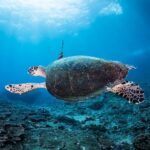
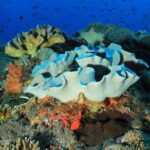
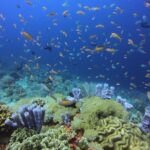
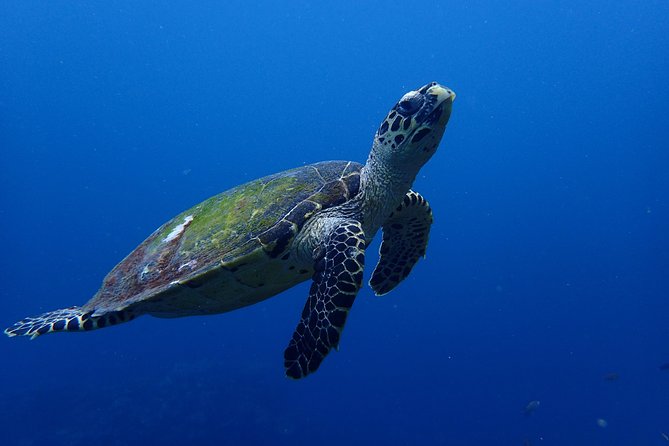
I also like that the program is built around real underwater time, not just paperwork. You’ll learn the basics, then complete at least four offshore water sessions, with a real chance to see manta rays and plenty of other sea life like turtles, octopus, and sometimes sharks—plus the course includes the core gear (mask, tank, fins) so you’re not lugging equipment.
One consideration: the experience needs good weather. If conditions are poor, plans can shift or a specific manta-ray location (like manta point) might not be reachable that day.
In This Review
- Key Things I’d Plan Around
- SSI Open Water to 18 Meters: What You Actually Earn
- How the 3-Day Course Flows (Theory to Open Water)
- Crystal Bay, Mangrove Point, Toyapakeh, and Jungut Batu Beach
- What the Underwater Instructors Do That Makes This Worth It
- Included Gear and Comforts: Less Stress, More Learning
- Price and Value for $461.48 per Person
- Who This Course Suits Best on Lembongan
- Practical Planning Tips for Your Lembongan Certification Days
- Should You Book This Open Water Course on Nusa Lembongan?
Key Things I’d Plan Around
- SSI Open Water certification up to 18 meters (60 feet) with instructor supervision
- At least four offshore sessions plus training exercises in shallower water
- Manta-ray encounters are a featured goal, but access can depend on conditions
- Gear is included (mask, tank, fins and the rest of the necessary kit)
- Onsite comfort: Wi‑Fi, lockers, bathrooms, shower/change space, and a restaurant
SSI Open Water to 18 Meters: What You Actually Earn
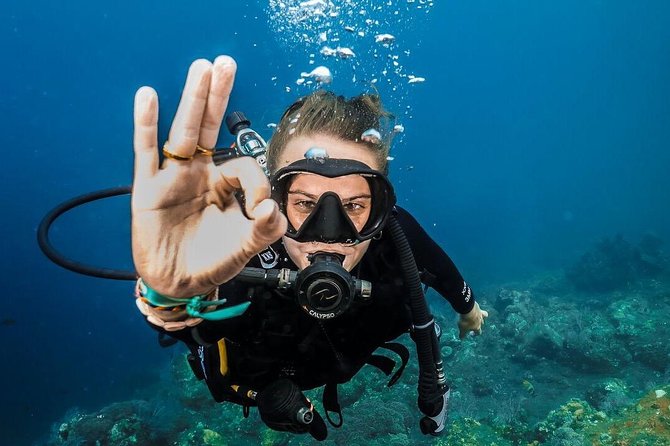
This is an SSI Open Water certification course, aimed at getting you certified to scuba to 60 feet / 18 meters. That matters because it’s not a casual taste-test—SSI Open Water is the standard “first certification” that opens doors to future guided underwater trips and, eventually, independent diving with the right training and conditions.
The course is designed in three parts: understanding the fundamentals, practicing core skills in shallow water, and then applying those skills in open ocean conditions. The result is a certification built around competence: buoyancy control, breathing management, safe procedures, and staying calm when things feel new.
Also, the minimum age is 10 years, and the course expects moderate physical fitness. That’s a good reality check: you don’t need to be an athlete, but you should be comfortable with swimming, following directions, and handling a few physical moments that can come with water entry and staying relaxed underwater.
You can also read our reviews of more tours and experiences in Nusa Lembongan.
How the 3-Day Course Flows (Theory to Open Water)
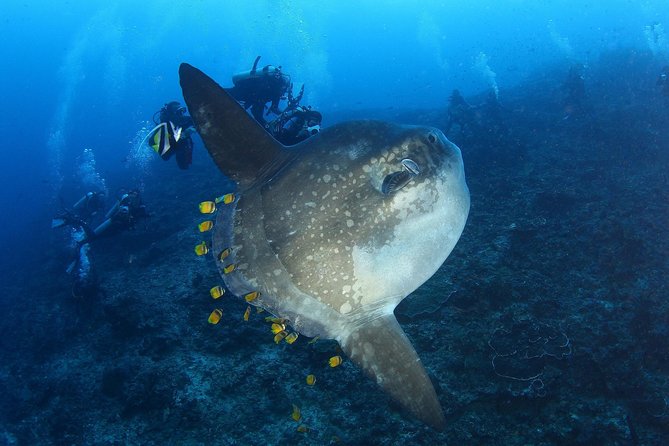
The total duration is about 3 days, with the learning broken into a clear sequence.
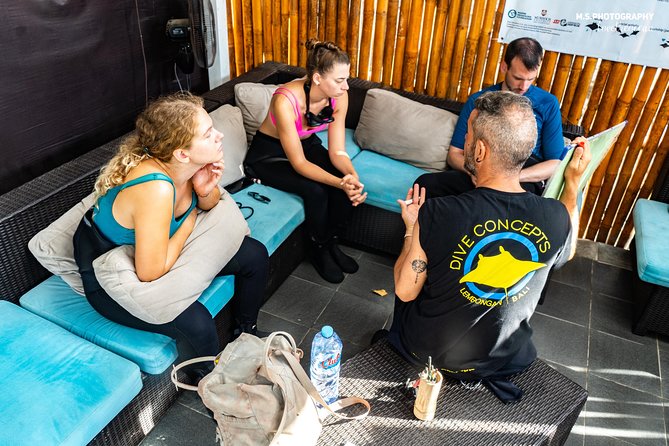
First, you develop your knowledge—so you understand the basics of diving/scuba before you’re asked to do anything hands-on. This theory isn’t about memorizing trivia; it’s about knowing why you’re breathing what you’re breathing, what buoyancy feels like, and how safety procedures work in practice.
Next comes the skills phase in shallow water. You’ll do at least 5 training sessions in beach or pool conditions. This is where you learn the body mechanics and the “muscle memory” side of scuba: controlled breathing, equipment awareness, and doing tasks calmly without panic.
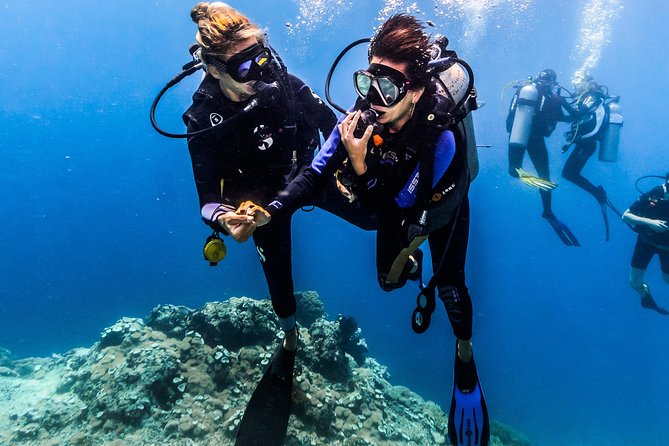
Then you move into open ocean water sessions. Your certification requires at least four deeper-water sessions (the program also references training dives as part of the process). This stage is where you prove you can handle the basics while you’re dealing with real conditions—movement with currents, visibility that may not be perfect, and the simple fact that you’re farther from the surface than in the shallow area.
Crystal Bay, Mangrove Point, Toyapakeh, and Jungut Batu Beach
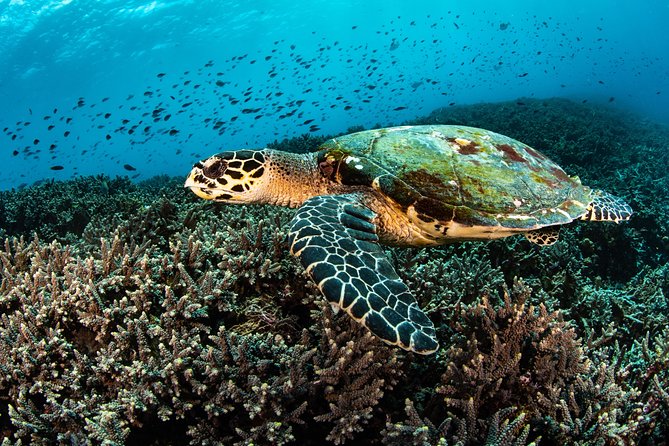
Your offshore sessions are split across four named underwater areas: Crystal Bay, Mangrove Point, Toyapakeh, and Jungut Batu Beach. While the exact order can vary depending on conditions, it’s smart to think of these as a set of progressively “real” learning environments. You’ll repeat the key safety checks and skills each time, building comfort as you go.
Here’s what you should expect from the way these sites are used in an Open Water program:
- You’ll use the training you already practiced in shallower water, then apply it in a more natural setting.
- You’ll keep following an instructor-led rhythm: instructions, equipment/safety checks, controlled descents, and guided underwater time.
- You’ll spend time becoming comfortable with awareness—staying oriented, checking your gear, and responding to prompts without rushing.
Manta rays deserve a special note. This course is strongly associated with manta-ray experiences, and sea life sightings can be a big part of the excitement. At the same time, one reality from the field is that access to a specific manta-ray spot (manta point) isn’t always possible. If that happens, you’re not left with nothing—you still have multiple offshore sessions and plenty of other marine life that can make the course feel like a real adventure rather than a checklist.
What the Underwater Instructors Do That Makes This Worth It
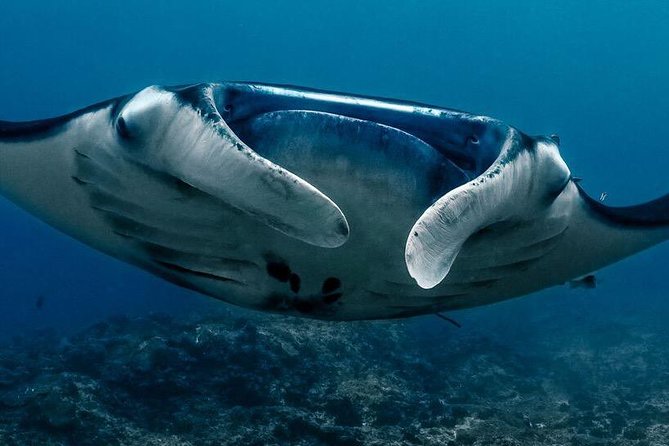
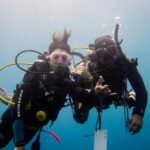
A big part of why this course scores so high is the teaching style. Instructors such as Silvère, Kaka, Loïc, and Pablo show up again and again in feedback, and the consistent theme is calm, patient instruction.
That matters because Open Water is often where new scuba students get nervous. The moment you feel different breathing underwater, it’s easy to lock up or rush. A good instructor keeps things simple: clear explanations, step-by-step coaching, and the confidence to slow you down until your body matches the new environment.
If you’re the type who worries you’ll panic, you’ll want to take that seriously in your choice of course—and this one’s reputation suggests they’re comfortable working with nervous moments. The course structure also supports that: shallow practice first, then offshore sessions once you’ve done the movements on land or in pool conditions.
Included Gear and Comforts: Less Stress, More Learning
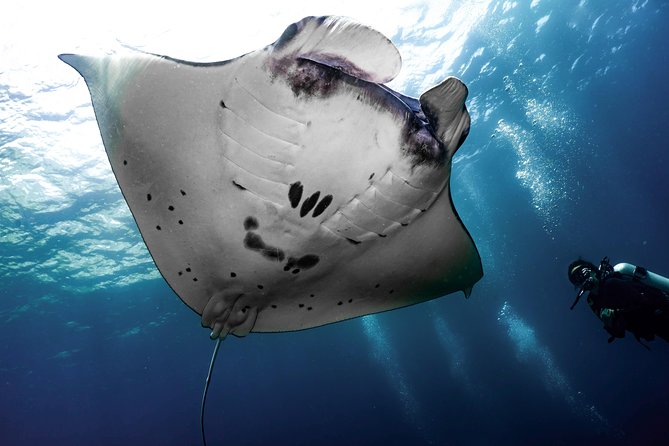
A hidden win for value is that the package includes the scuba essentials: mask, tank, fins, and the necessary gear. That means you can travel lighter and arrive ready to learn, not stuck trying to rent the right kit last minute.
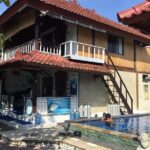
The onsite setup also reduces friction. The scuba school has Wi‑Fi, lockers, bathrooms, and a restaurant. That’s not glamorous, but it’s practical: you’ll want a place to store gear, rinse off, change comfortably, and eat without having to hunt around the island between sessions.
If you’re doing this right after arriving in Bali, these basic comforts help you actually recover between training blocks. You’ll feel the difference on your second day when you’re repeating skills with a clearer head.

Price and Value for $461.48 per Person
At $461.48 per person, this isn’t the cheapest way to get certified—but it doesn’t pretend to be. Here’s how I’d think about the value:
- You’re paying for SSI Open Water certification to 18 meters, not just a “try it once” experience.
- You get instructor-led supervision and a structured progression from knowledge to shallow skills to at least four offshore sessions.
- Core gear is included, which lowers both travel hassle and the risk of renting the wrong fit.
Also, timing helps. The average booking window is about 35 days in advance, which tells me this course tends to fill during planning-friendly periods. If you want a specific schedule, book earlier rather than waiting for a last-minute window.
Private tour format is another value lever. It’s listed as private for your group, meaning you won’t be lumped into a random crowd where your pace gets adjusted to someone else’s comfort level.
Who This Course Suits Best on Lembongan
This course is a strong fit if you want a first scuba certification with real instruction and real underwater time, and you’re excited by the idea of seeing manta rays and other marine life like turtles and octopus.
It’s also a good match if you:
- want a structured SSI certification pathway,
- appreciate an instructor who explains clearly and stays patient,
- prefer a course where the center provides real basics (lockers, bathrooms, Wi‑Fi, food).
It may be less ideal if you’re extremely risk-averse about sea conditions. The course requires good weather, and if conditions are rough the schedule can shift. That’s not the operator being difficult—it’s just the ocean doing ocean things.
Practical Planning Tips for Your Lembongan Certification Days
Since the course is weather-dependent, I’d plan your broader trip with a little breathing room around the certification window. If you’ve got only one fixed day on the calendar for everything else, you’ll feel the stress if the schedule needs adjustment.
Also, remember this is about learning control and calm underwater. Go in rested, not rushed. Hydrate, eat well, and treat the shallow-skill phase as the real foundation, not a warm-up.
Finally, if you care about photos/videos, budget a little extra. Digital souvenir photos/videos aren’t included, though they’re available to purchase.
Should You Book This Open Water Course on Nusa Lembongan?
Book it if you want an SSI Open Water certification that takes the “learn it properly” approach: theory first, then shallow skill practice, then at least four offshore sessions—ideally with manta-ray encounters as a featured goal.
Skip or reconsider if your schedule is tight with zero flexibility and you’d be unhappy with weather-related changes. Also think about comfort with moderate fitness and being able to follow instructions consistently.
If you can plan ahead and you’re excited by the idea of learning scuba in a remote island setting a short hop from Bali, this is a smart, well-supported way to get certified.