REVIEW · UBUD
Bali Amazing Cycling Tour
Book on Viator →Operated by Dejulius Tour · Bookable on Viator
Downhill cycling with Mount Batur in view. This Bali bike tour pairs big north- to south-views with real village pace, from Kintamani down toward Ubud. You also get guided stops that explain daily life, rice farming, and local food in a way that feels practical, not just scenic.
I like that the day is built around included meals—Balinese breakfast plus a Balinese lunch at a family house—with vegetarian options available. I also like the simple start: pickup happens on time in the Ubud area, and the guide keeps things friendly and informative.
One thing to think about: the free pickup/drop is only in Ubud. If you’re staying outside that area, you’ll need to arrange transport (extra cost), and the ride depends on good weather.
In This Review
- Key highlights at a glance
- Bali’s North-to-South Bike Day: What 6 Hours Actually Means
- Getting to Kintamani: Pickup, Timing, and the Early Views
- Rice terraces and coffee processing: the morning stops that set the tone
- The bike ride from Kintamani to Ubud: downhill, scenic, and explained
- Breakfast scenery and Mount Batur/Lake Batur context
- Traditional Balinese family-house lunch: food with a real address
- Price and value: what $40 includes (and why it’s not just a bike rental)
- What to bring and how to prepare so the day feels easy
- Who should book this cycling day (and who might want a different plan)
- Should you book the Bali Amazing Cycling Tour?
- FAQ
- Where does the cycling start and end?
- How long is the tour?
- What time is the morning pickup in Ubud?
- Is free pickup available outside Ubud?
- What food is included during the tour?
- Is the bike and water included?
- What major stops should I expect?
- How large is the group?
- What if the weather is bad?
- Is there a cancellation window for a full refund?
Key highlights at a glance
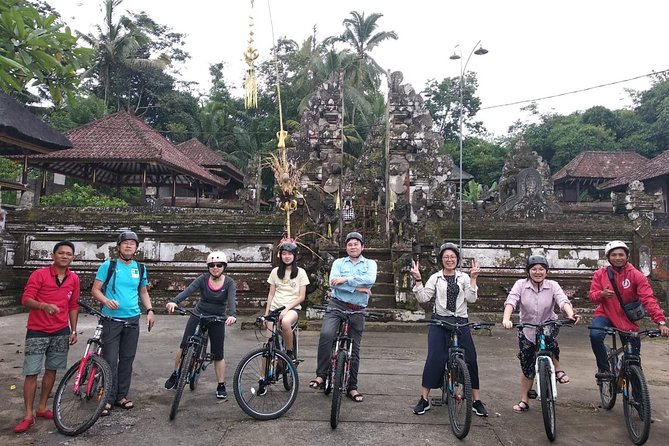
- Kintamani to Ubud is a downhill route (north to south), built for a scenic ride more than a hard workout.
- Mount Batur and Lake Batur views show up early with breakfast scenery before you start riding.
- Rice terraces and rice-field walking come with an explanation of how rice is planted.
- Coffee plantation and coffee processing are part of the morning schedule.
- Lunch at a traditional Balinese family house plus vegetarian options.
- Small-group feeling up to 45 travelers, with included bicycle, water, and insurance.
Bali’s North-to-South Bike Day: What 6 Hours Actually Means
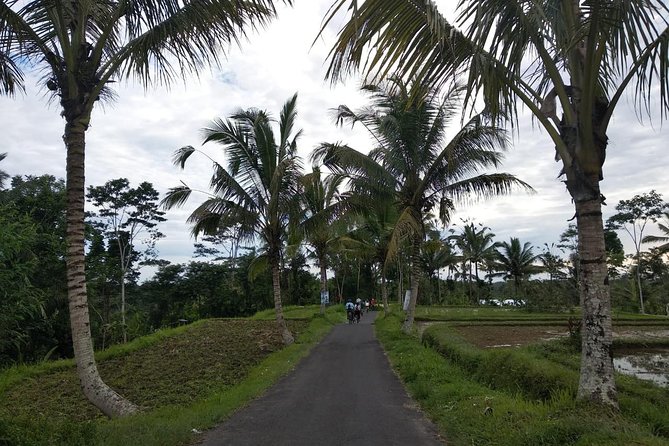
This tour is designed as a single, satisfying half-day: about 6 hours from pickup to drop-off. The schedule moves at a steady pace, so you’re not stuck waiting forever at stops, but you also don’t feel rushed the whole time.
The ride itself is the big draw. You start around Kintamani and finish in an Ubud village area, heading north to south and going downhill by bike. That matters because it changes the vibe: this is a “watch the world slide by” day, not a “train for a marathon” day.
The rest of the experience is about context. You’ll see rice terraces, orange farm and jungle-type countryside (as described), and you’ll get guide-led explanations about how people live and farm here—especially around the rice fields. If your idea of Bali is not just temples and selfies but also how daily work connects to the landscape, this format works well.
You can also read our reviews of more cycling tours in Ubud
Getting to Kintamani: Pickup, Timing, and the Early Views
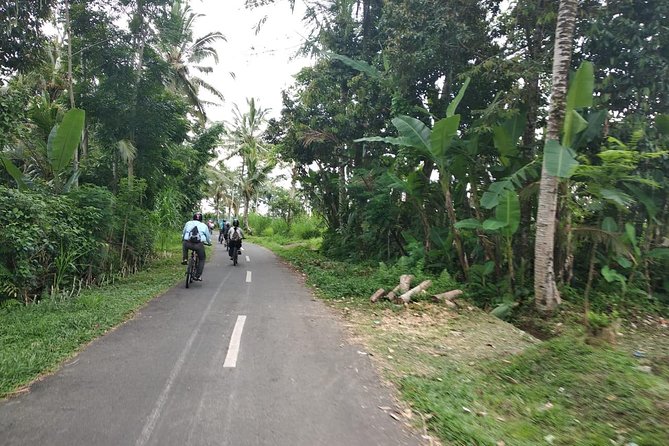
The day starts in the morning with pickup at 8:30 am. It’s free if you’re staying in the Ubud area, and it’s arranged through your hotel info and contact number. If you’re not in Ubud, the tour still runs, but pickup/drop may cost extra—so plan ahead.
After pickup, you travel uphill toward Mount Batur and Lake Batur. This is the part that often surprises people in a good way: before you even touch the pedals, you get mountain-and-lake scenery while having breakfast. The Kintamani area is described as having cold weather, so bring that reality into your packing list even if Ubud feels warm when you start the day.
One practical tip: be ready for a weather-dependent day. The tour notes that it requires good weather, which can affect whether you ride or whether you’re offered an alternate date or a refund. That’s not a problem—just don’t plan a tight schedule right afterward.
Rice terraces and coffee processing: the morning stops that set the tone
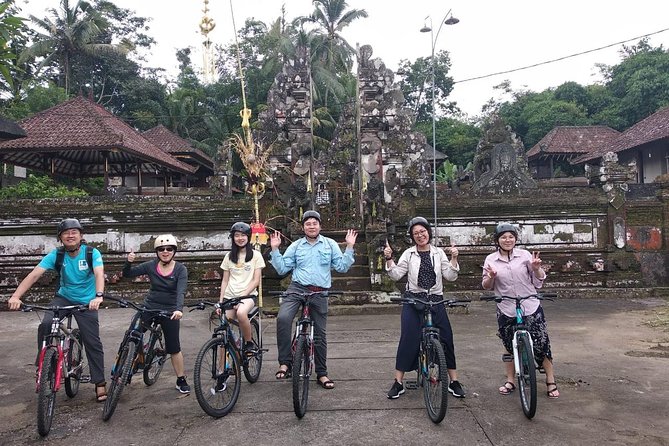
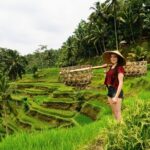
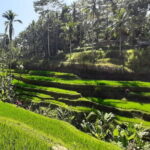
Around 9:15 am, you’ll visit famous rice terraces and then head to a coffee plantation and coffee processing stop. This is a smart pairing because it gives you two different kinds of “Bali work life” in one morning: rice farming and coffee production.
The rice terraces are more than a photo op here. The pacing and the guide explanation help you connect what you’re seeing—terraces, water management, and field patterns—with why this is a daily rhythm for local farmers. Even if you’ve seen rice terraces elsewhere, the context changes the way you look at them.
Then coffee enters the picture. You’ll see the plantation experience and processing steps, so you’re not just hearing coffee facts—you’re watching the chain of production. If you like souvenirs you can actually justify, this is the part of the day where coffee tasting and purchases usually make sense (though personal expenses aren’t included).
If you’re a morning person, you’ll probably enjoy this schedule. If you’re not, bring a little patience. The upside is you’re building energy for the downhill ride rather than starting with it.
The bike ride from Kintamani to Ubud: downhill, scenic, and explained
By about 10:30 am, the cycling begins. The route is downhill bikes from Kintamani to Ubud village, north to south. That downhill element is a big part of why this tour is doable for most people who can participate. It’s still cycling, but the design favors views and cruising over grind.
As you ride, you’ll pass a mix of natural scenery and working farmland—rice paddies, and other countryside elements described in the tour outline. The guide’s role becomes especially important here because the experience isn’t only motion; it’s meaning.
One of the most valuable pieces is the stop where you walk through the rice paddies and get an explanation of how rice is planted. Even if you don’t know anything about agriculture going in, the guide can connect the dots: how fields are prepared, why timing matters, and how the farming calendar shapes daily life. That’s the kind of knowledge that turns a scenic ride into a real cultural encounter.
Photo tip: bring a camera, and also consider what you’ll wear while cycling. You’ll be moving through sun, fields, and village areas, so sun cream is a must, and comfortable footwear helps.
Breakfast scenery and Mount Batur/Lake Batur context
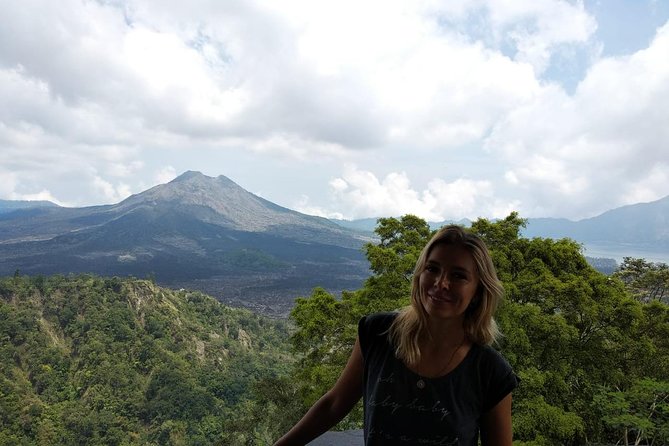
Before the ride starts, you get a breakfast stop with a payoff: active volcano Mount Batur and Lake Batur views. This is one of those moments that can change your whole mental map of Bali. Instead of thinking of Bali as only beaches and greenery, you see the volcanic system behind the scenery.
The tour places this early in the day, which I like from a value standpoint: you pay for a whole day’s experience, so you want the most dramatic scenery to happen before you get tired. Morning light helps too, and your energy is high before cycling.
Also, don’t ignore the practical note about cooler weather in Kintamani. Even if the sun shows up, the temperature difference can feel real. If you run cold, pack something light you can manage before and after the uphill drive.
This part isn’t just scenery—it’s how the rest of the day makes sense. Rice farming, water patterns, and terraced fields all connect to the broader environment, and the Mount Batur context is the doorway.





Traditional Balinese family-house lunch: food with a real address
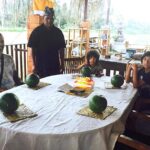
Around 1:00 pm, you finish cycling and have lunch in a traditional Balinese family house. Lunch being included is a big value marker here, and so is the detail that vegetarian options are available.
Food in Bali can be excellent, but it’s often a random stop if you’re moving on your own. Here, lunch is part of the experience design, which makes it feel less like an interruption and more like a transition from field life to village life. A family-house setting also tends to keep the tone grounded: you’re not just eating in a restaurant bubble.
You’ll also get bottled water included, which matters because you’re in the sun and actively moving. I’d rather spend my money on experiences than guessing how much water I’ll need mid-ride.
After lunch, you’ll head back toward your hotel and arrive around 1:45 pm. That early finish makes the day feel efficient. You still have your afternoon for wandering Ubud or resting without losing the whole day.
Price and value: what $40 includes (and why it’s not just a bike rental)
At about $40 per person, this tour prices itself in the “good deal” category—mostly because you’re not just buying a bicycle. Your included items are meaningful:
- Bicycle use
- Breakfast (Balinese food, vegetarian available)
- Lunch (Balinese food, vegetarian available)
- Bottled water
- All fees and taxes
- Insurance
- Free pickup/drop in Ubud area
When you compare that to piecing together rice terrace stops, transportation to Kintamani, and a guided explanation, the bundled value becomes clearer. Even the insurance inclusion is a quiet win, especially for a day that involves cycling and weather variability.
What’s not included is also important: personal expenses and alcoholic drinks aren’t part of the price. So if you want beer or cocktails, budget separately. The good news is your basic day—food, bike, and guided stops—is covered.
One more value angle: the group size is listed as maximum 45 travelers. That doesn’t sound tiny, but for a half-day tour, it often keeps logistics workable without feeling like a single-file parade.
What to bring and how to prepare so the day feels easy
You’ll get the best experience by showing up prepared. The tour asks you to bring:
- Camera
- Some cash
- Sun cream
- Shoes/flip-flop
- Small backpack
That list is practical for a field-and-village day. Flip-flops can be fine for walking, but shoes usually feel safer if the ground is uneven. A small backpack is useful because you’ll want water, a phone, and sun protection without juggling bags.
Also, bring your contact details. The tour notes you should provide your contact number and hotel name so pickup works smoothly. If you mess up those details, you’re the one who pays the stress tax.
If you’re wondering about weather: the tour requires good weather. If it’s canceled due to poor conditions, you’re offered another date or a full refund. That’s the right kind of flexibility for an outdoor cycling day.
Who should book this cycling day (and who might want a different plan)
This is a great match if you:
- want real Bali life through daily farming and village context, not just architecture
- like guided explanations that help you understand what you’re seeing
- enjoy a bike day with a downhill route and scenery payoff
It’s also a good fit for many activity levels because the tour says most travelers can participate. You still need basic comfort with biking, but the route description supports an easier effort profile than a mountain climb.
Consider a different plan if:
- you’re staying far outside the Ubud area and want to avoid extra transport costs
- you hate weather-dependent schedules. If you’re traveling during a period of frequent rain, you may be rescheduled
If you’re traveling solo, with friends, or as a couple, this format works because it’s structured: pickup, stops, lunch, and drop-off are all handled. You just show up and follow along.
Should you book the Bali Amazing Cycling Tour?
If you want a half-day that mixes cycling plus farming-and-food context, book it. The best reasons are practical: on-time pickup in Ubud, a friendly, informative guide, and real inclusions (bicycle, breakfast, lunch, water, insurance) that make the price feel fair.
I’d especially recommend it if you’re basing yourself in Ubud and want a day that reaches beyond town. The Kintamani to Ubud downhill route, Mount Batur and Lake Batur breakfast scenery, and that rice-paddy planting explanation all combine into a day that’s easy to justify and hard to forget.
If you’re outside Ubud, do the math on the transport cost first. Otherwise, this is the kind of Bali day where you leave with more than photos—you leave with a clearer sense of how people live and work here.
FAQ
Where does the cycling start and end?
The ride starts in the Kintamani area and finishes in Ubud village, moving from north to south.
How long is the tour?
The tour runs for about 6 hours.
What time is the morning pickup in Ubud?
Pickup is scheduled for 8:30 am for hotels in the Ubud area.
Is free pickup available outside Ubud?
Free pickup/drop is only included in the Ubud area. If your hotel is outside Ubud, contact the provider to arrange transport for an extra cost.
What food is included during the tour?
You get breakfast and lunch, both described as Balinese food. Vegetarian options are available for both meals.
Is the bike and water included?
Yes. The tour includes use of a bicycle and provides bottled water.
What major stops should I expect?
You’ll visit rice terraces, a coffee plantation and coffee processing, enjoy breakfast scenery near Mount Batur and Lake Batur, bike downhill, walk through rice paddies with planting explanations, and have lunch at a traditional Balinese family house.
How large is the group?
The tour lists a maximum of 45 travelers.
What if the weather is bad?
The tour requires good weather. If it’s canceled due to poor weather, you’ll be offered a different date or a full refund.
Is there a cancellation window for a full refund?
Yes. You can cancel for a full refund up to 24 hours before the experience’s start time.