A river-side ritual can reset your whole day. This Bali experience is interesting because you’re not just watching spirituality from afar. You take part in a blessing and purification ceremony led by a Mangku priest at a secluded spot next to a river, with real meaning explained as you go.
I also liked the careful, hands-on lead-in. You start with a guided walk through a spice and herb garden, then you learn the bamboo instrument Rindik and dress in Balinese temple clothing before the ceremony.
One key consideration: the purification/blessing isn’t permitted during a female menstruation period and for pregnant women, so check your timing before you book.
In This Review
- Key things that make this Bali purification day worth it
- Purification Ceremony at a river-temple near Mount Batukaru: what you’re signing up for
- The garden-to-music warm-up: spices, Rindik, and temple clothing
- The Mangku ceremony: offerings, bells, and the meaning behind each step
- Village lunch and Balikaru farm: Trigona bees, animals, and chat time
- Belulang Hot Springs after the ritual: sulfur water unwind time
- Price and value: why $89 can feel reasonable here
- Who should book (and who should reconsider)
- Should you book this Bali purification ceremony day?
- FAQ
- What time does the purification ceremony experience start?
- How long is the experience?
- Where do I meet for the tour?
- What is the maximum group size?
- Is the tour guided in English?
- What’s included in the price?
- Are there dietary options like vegetarian?
- Is the ceremony allowed during menstruation or pregnancy?
- What happens if the weather is poor?
- Can I bring a service animal?
Key things that make this Bali purification day worth it
- Mangku-led blessing and purification in a quiet, river-adjacent temple setting
- Rindik practice plus temple clothes included, so you’re part of the ritual setup
- Spice and herb garden walk that connects everyday plants to daily Balinese life
- Balikaru farm time with animals and stingless Trigona bees
- Homemade lunch at a local village warung, followed by a dip at Belulang Hot Springs
- Small group size (max 6), which makes the day feel personal rather than rushed
Purification Ceremony at a river-temple near Mount Batukaru: what you’re signing up for
This is a day built around a simple idea: in Bali, spirituality isn’t only for big ceremonies. You’re invited into a ritual that refreshes body and mind, with time to feel what’s happening instead of sprinting from photo stop to photo stop.
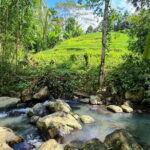
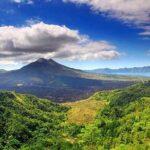
You’ll be based in a mountain village area at the foot of Mount Batukaru. That matters because the day is quieter by default. You walk through countryside with spices, herbs, and village life in view, then move toward a sacred temple beside a secluded river where the Mangku guides the purification steps.
The overall pace is long enough to settle in, but short enough that you won’t feel drained. The scheduled duration is about 3 hours 30 minutes, starting at 9:00 am and ending back at the meeting point.
You can also read our reviews of more tours and experiences in Bali.
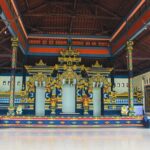

The garden-to-music warm-up: spices, Rindik, and temple clothing
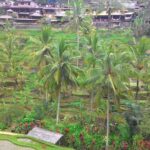
Before anyone starts any ritual, you get a warm, practical setup. The day begins with a walk through a spice and herb garden, where you explore tropical plants, spices, and herbs. Even if you don’t know the names of everything, you’ll understand the point: these plants are part of daily life, not museum material.
Next comes the bamboo instrument Rindik. You don’t just hear it; you learn to play it with the team. It’s a clever way to shift your brain from tourist mode into ceremony mode, because your body is participating. The sound and rhythm also help you settle before dressing for the temple.
Then you help with Balinese temple clothes rental, so you’re properly prepared for the ceremony. That kind of detail isn’t for show. It sets boundaries for respect, and it makes the ritual feel like it belongs to the place, not to your camera.
The Mangku ceremony: offerings, bells, and the meaning behind each step
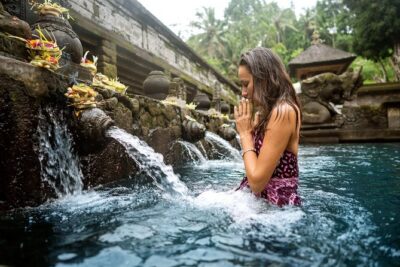
This is the core of the experience: a Balinese purification and blessing ceremony led by a local priest, a Mangku. You’ll be at a sacred temple in a secluded area next to a river. The setting is part of the spiritual mood, and it also keeps things calm.
The ceremony includes offerings and comes with guidance on what each ritual step means. That’s huge. A purification ritual is more powerful when you understand the purpose behind the motions, so the priest and your guide aren’t just saying do this, do that. They explain the why as well.
You’ll also hear the sound of sacred bells, which acts like a cue for timing and attention. The overall feeling you should expect is quiet, focused, and respectful. This isn’t a performance for entertainment; it’s something people do in their own cultural rhythm.
One practical note: because this includes formal religious participation, follow the guidance from the team closely. Dress neatly, arrive with time to settle, and keep your questions respectful. If you’re sensitive to religious customs, you’ll still likely find it clear and explained, but you’ll want to go in with the right attitude.
Village lunch and Balikaru farm: Trigona bees, animals, and chat time
After the ceremony, you eat. The lunch is described as a homemade Balinese meal called Nasi Campur Tumpeng at a village warung (Warung Balikaru). If you’ve done Bali tours that feel like snack stops between activities, this one is different. It’s an actual village meal, served in context of the day rather than dropped into your schedule.
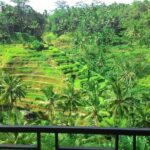
Then you head to the countryside again, joining a farmer in the rice fields. The experience is designed to show how closely nature, work, spirituality, and community connect in everyday routines.
You also visit Balikaru farm, where you can meet animals and see stingless Trigona bees. That’s a specific detail I love because it gives the farm visit its own identity. Instead of just passing by farmland, you’ll look at a real living part of the local ecosystem.
Finally, you get time to chat with villagers. That’s where the day becomes more than a ritual and a meal. You’re not only receiving; you’re learning how people interpret their own way of life.
Belulang Hot Springs after the ritual: sulfur water unwind time
The last major stop is Belulang Hot Springs. Locals bathe in natural sulfur water, and the hot springs are a natural follow-up after purification.
Think of it as a “cool down” for your body after a ceremony that asks for focus and intention. The warmth and the mineral water help you slow down again before the day ends.
This is also a good emotional landing point. By the time you reach the hot springs, you’ve already done the garden walk, instrument moment, temple clothing, and the Mangku ceremony. A soak is the kind of practical reset that makes the whole experience feel complete.



Price and value: why $89 can feel reasonable here
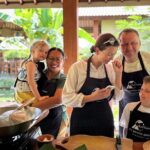
At $89 per person, you’re paying for more than a single sightseeing stop. This day includes an English-speaking guide, a welcome drink, time in a spice and herb garden, Rindik teaching, temple clothing rental, offerings, the Mangku purification and blessing ceremony, lunch at Warung Balikaru, and a farm visit that includes animals and stingless bees.
You also get a farewell gift and purification memories with a personal photo by email. That photo piece may seem small, but it’s often the difference between “I went somewhere” and “I remember what happened.”
Group size is capped at max 6 travelers, and that matters for value. Smaller groups tend to mean more explanation and less waiting around. It’s the kind of detail that can turn a short tour into a genuinely meaningful morning.
My practical take: if you want a standard cultural show, this isn’t your ticket. If you want an experience that is structured around participation and understanding—ritual, lunch, farm, and hot springs—this price can feel fair.
Who should book (and who should reconsider)
This fits well if you:
- want hands-on cultural participation, not just photos
- like quiet, meaningful activities where guides explain the context
- enjoy village life basics like rice fields, farms, and local food
- prefer smaller groups and a slower rhythm
It’s a bad match if:
- you’re not comfortable with religious participation and temple customs
- you need the ceremony to work around menstruation timing or pregnancy, because it’s not permitted for female menstruation and not permitted for pregnant women
- you’re hoping for a large-group party vibe or a quick hit of highlights
Also, go in with good expectations for respect. This is a spiritual day. If you treat it like a casual walking tour, you might feel out of place. If you treat it like a learning moment, you’ll get more from every step.
Should you book this Bali purification ceremony day?
If your Bali trip includes temples and culture, this is the kind of activity that makes the trip feel personal. You’ll walk through village scenery, play Rindik, and take part in a Mangku-led purification with guidance on meaning. Then you eat a real village lunch, see farm life including Trigona bees, and unwind at Belulang Hot Springs.
I’d book it when you want a spiritual anchor day—something calmer than the usual sightseeing sprint. Skip it only if the ritual participation rules don’t fit your situation or you dislike religious customs. Otherwise, this looks like strong value for a small-group, participation-based experience.
FAQ
What time does the purification ceremony experience start?
It starts at 9:00 am.
How long is the experience?
The total duration is about 3 hours 30 minutes (approx.).
Where do I meet for the tour?
The start meeting point is at Warung.Balikaru, Belulang Village, Mengesta, Penebel, Tabanan, Bali (listed as J47M+5CG).
What is the maximum group size?
The group is limited to a maximum of 6 travelers.
Is the tour guided in English?
Yes. It includes an English-speaking guide (other languages may be available depending on options).
What’s included in the price?
Included items are: welcome drink, Rindik learning, Balinese purification and blessing ceremony with a Mangku, offerings and temple clothes rental, homemade lunch (Nasi Campur Tumpeng at Warung Balikaru), spice and herb garden tour, Balikaru farm visit (animals and stingless Trigona bees), farewell gift, and purification memories via personal photo by email.
Are there dietary options like vegetarian?
Yes. You can request dietary needs such as vegetarian, as long as you indicate it at booking.
Is the ceremony allowed during menstruation or pregnancy?
No. Purification/blessing isn’t permitted during a female menstruation period and for pregnant women.
What happens if the weather is poor?
This experience requires good weather. If it’s canceled due to poor weather, you’ll be offered a different date or a full refund.
Can I bring a service animal?
Yes. Service animals are allowed.
If you want, tell me your travel month and whether anyone in your group has dietary limits or is pregnant, and I’ll help you judge fit and timing.