REVIEW · KUTA
Best of Ubud with Jungle Swing Experience
Book on Viator →Operated by Putu Bali Driver · Bookable on Viator
A day in Ubud with private access is easier than it sounds. This tour strings together craft villages, sacred sites, and scenic stops into one smooth 6–7 hour outing, with a guide who stays focused on you. You’ll see how daily Balinese life connects to art and worship, not just photo spots.
Two things I like a lot: you get hotel pickup and drop-off (so you’re not juggling rides all day), and you’ll move through the creative hubs of Tohpati, Celuk, and Batuan to understand what people actually make and why. That mix of hands-on craft context plus major landmarks makes the time feel properly used.
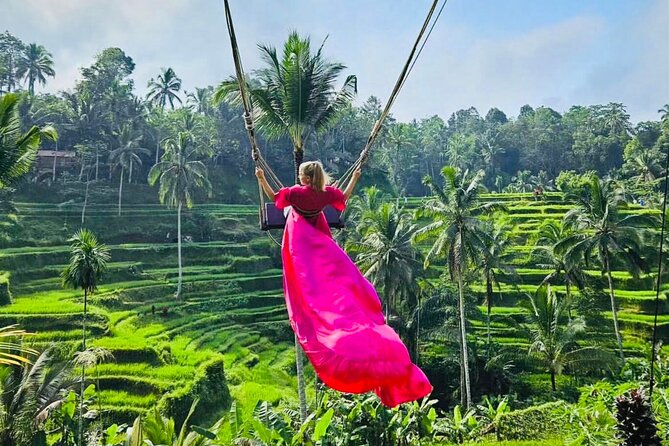
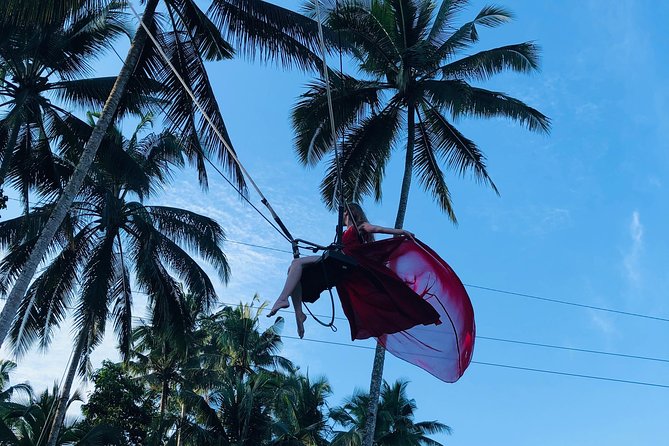
One consideration: the tour name includes Jungle Swing, but the schedule details you’ll see emphasize villages, temples, terraces, market, and the monkey forest. Before you go, check your confirmation so you know exactly where the swing fits into your day.
In This Review
- Key highlights worth your attention
- A Ubud day that doesn’t waste your energy
- Pickup timing and how the day is paced
- Tohpati, Celuk, and Batuan: crafts you can actually understand
- Tohpati Village for batik
- Celuk Village for gold and silver
- Batuan Village for painting and daily life connections
- Batuan’s temple stop: a peek at home, routine, and worship
- Tegalalang rice terraces: viewpoints plus an irrigation lesson
- Gunung Kawi Sebatu: holy water pools and shrine details
- Ubud Palace and the Sacred Monkey Forest: culture with character
- Ubud Palace
- Sacred Monkey Forest Sanctuary
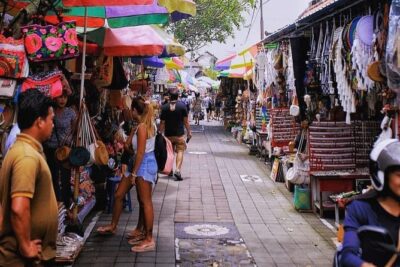
- Ubud Traditional Art Market: souvenirs with less guesswork
- Price and logistics: is $55 a fair deal?
- Who this tour fits best (and who should consider alternatives)
- Should you book this Ubud private day?
- FAQ
- FAQ
- How long is the Ubud sightseeing tour?
- What time does the tour start?
- Is hotel pickup and drop-off included?
- What stops are included in the day?
- Are meals included?
- Is the tour private?
- Do I need multiple people to book?
- Is there free cancellation?
Key highlights worth your attention
- Private guide, private day: You get undivided attention instead of waiting for a big group
- Craft-focused stops: Tohpati (batik), Celuk (gold and silver), Batuan (painting)
- Sebatu holy water temple: shrines and clear spring pools tied to local Hindu worship
- Tegalalang rice terrace view plus irrigation talk: you’ll learn what you’re looking at
- Monkey Forest time with real macaques: natural behavior, not a staged show
- Market browsing window: Ubud Traditional Art Market for practical souvenir shopping
A Ubud day that doesn’t waste your energy
Ubud can eat up your time fast. Getting from one “must-see” to the next often turns into a game of traffic, waiting, and figuring out where to stand for a good view. This is built to avoid that.
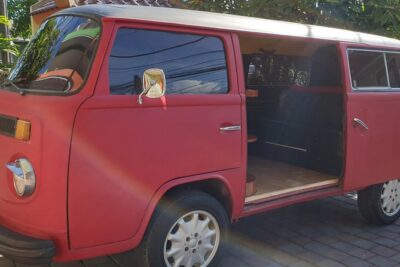
You start with pickup from your Ubud accommodation and travel by air-conditioned vehicle. With a private setup, your guide can keep the flow comfortable and adapt pacing if your group has questions or wants extra time for a particular stop.
Also, this tour’s strongest feature is how it links art, agriculture, and spirituality. The day isn’t just temples for looking; it’s explanations for understanding.
One more note: you’ll want to plan for a hot day. The itinerary includes outdoor viewpoints like the rice terraces and outdoor wildlife time at the monkey forest, so bring water and wear something that won’t fight the heat.
You can also read our reviews of more tours and experiences in Kuta.


Pickup timing and how the day is paced
The tour start time is listed at 8:00am, and the morning begins with pickup at 9:00am from your accommodation. That small mismatch usually means you should expect pickup to be coordinated locally and confirm the exact time in your confirmation message.
The overall duration is about 6 to 7 hours, which is long enough to feel like you did something meaningful, but short enough to still enjoy Ubud afterward (dinner, a massage, a relaxed walk). That balance matters because Ubud has plenty of evening plans.
This is also a minimum 2 people per booking tour. If you’re traveling solo, you may need to pair up with another guest or check whether they’ll match your booking.
Your guide is listed through the provider as Putu Bali Driver. In at least one review, the guide name given is Eddy, and the vibe described is friendly and organized—exactly what you want when the day includes multiple locations.
Tohpati, Celuk, and Batuan: crafts you can actually understand
The day begins in the art villages, which is a smart way to start. Crafts don’t just look impressive; they reflect materials, skills, family traditions, and local demand. Seeing multiple villages back-to-back helps you spot patterns.
Tohpati Village for batik
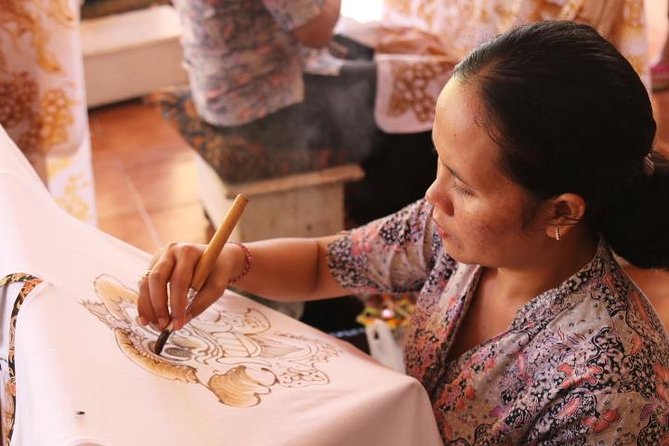
Tohpati is known for batik art, and it’s the kind of place where your guide’s commentary can make a huge difference. You’ll likely see how designs are transferred and created with traditional methods, and you’ll get context for what’s common in local styles.
If you’re the type who buys souvenirs without knowing what you’re looking at, this stop is a fix. You’ll have a clearer sense of what makes one batik different from another.
Celuk Village for gold and silver
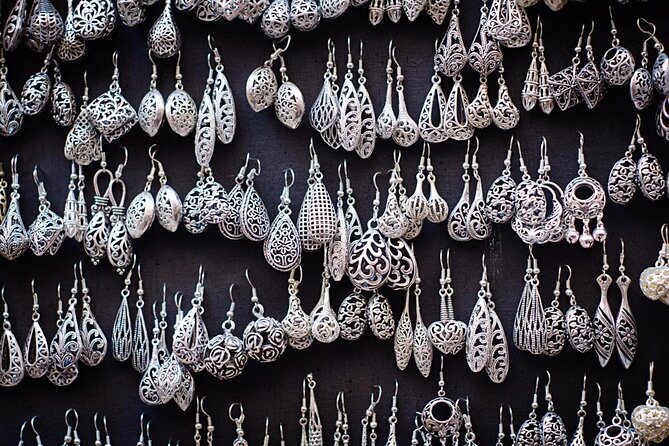
Next up is Celuk Village, famous for gold and silver art. This is where you can go from seeing craft as something abstract to recognizing the skill involved—metalworking, finishing, and detail work.
A practical tip: if you’re thinking about purchasing jewelry, ask about what you’re actually looking at (materials and workmanship level). With a private guide, you can get answers faster than trying to negotiate while you’re distracted by sights.




Batuan Village for painting and daily life connections
Then you’ll head to Batuan Village for painting. This stop is useful because it helps you understand that “art” in Ubud isn’t one thing. It’s drawing, painting, metalwork, textile work—plus the everyday life and neighborhoods where those skills get practiced.
The day’s craft theme ends up feeling cohesive, not random stops that happen to be near each other.
Batuan’s temple stop: a peek at home, routine, and worship

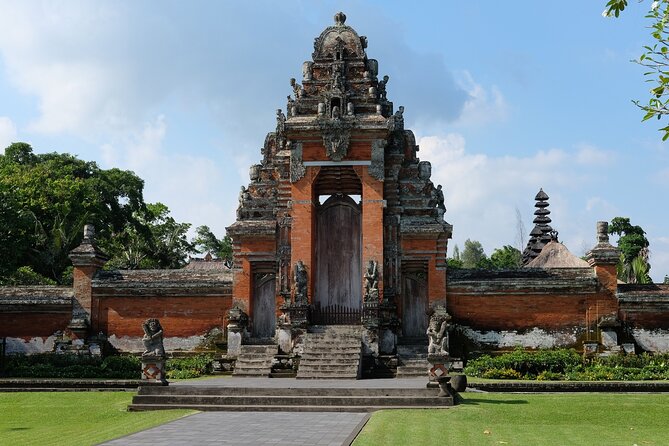
After the village craft time, you go to Puseh Batuan Temple, linked with Pura Desa Adat Batuan. This isn’t just about walking through a sacred space—it includes a chance to learn about a traditional Balinese house compound and the daily activities of local residents.
That balance is rare. Too many sightseeing days focus only on architecture. Here, you get the human scale, which makes the temples feel less like scenery and more like part of real life.
What to watch for during this stop:
- how the household compound and sacred areas are organized
- how worship rhythms fit into the day
- the difference between what’s for visitors versus what’s used by locals
If you’re sensitive to religious spaces, keep your posture respectful and follow your guide’s instructions closely. Even when the place is open to visitors, your job is to notice and behave calmly.
Tegalalang rice terraces: viewpoints plus an irrigation lesson
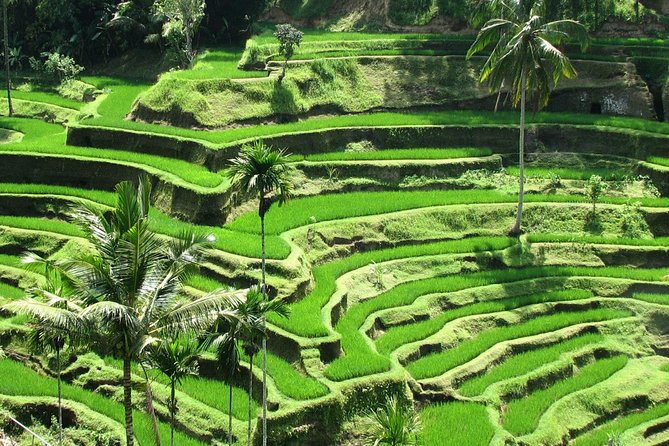
Next comes the Tegalalang Rice Terrace area via Ceking Village. This is one of those iconic Ubud landscapes where it’s easy to just take photos and move on. Don’t do that.
Your guide will help you understand the Bali irrigation system, and that turns the view into something you can read. You’ll start noticing how water control shapes what you see on the slopes.
This stop is listed as about 1 hour, which is short but workable if you keep your feet moving. The terraces can involve uneven paths, and midday sun can be intense.
Practical advice:
- Wear shoes with grip.
- Have a plan for where you’ll pause for photos so you don’t slow the group.
- Bring water and keep snacks light if you’re sensitive to heat.
If your goal is to see Ubud’s famous scenery while still learning something useful, this is a strong match.
Gunung Kawi Sebatu: holy water pools and shrine details
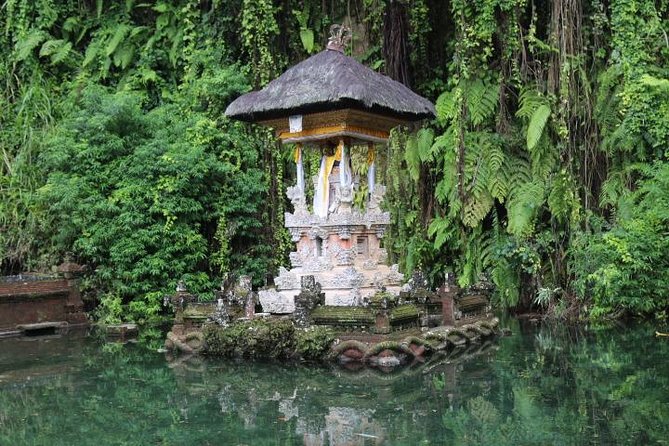
About 10 minutes from Tegalalang, you reach Sebatu Village for Gunung Kawi Sebatu, a spring holy water temple. This is a different mood from the rice terraces: quieter, more spiritual, and centered on the temple’s water feature.
The description highlights ancient shrines surrounded by crystal clear pools fed by natural springs. Even without technical details, you can tell this place is valued because of the water itself, not just the scenery.
How to enjoy it without missing the point:
- Focus on the shrines and water channels, not only the wide views.
- If your guide explains what the holy water is used for, pay attention—this stop works best when you treat it as worship space, not a photo set.
- Be mindful with timing and footsteps; these areas often have slick or uneven surfaces near water.
This is also one of those stops where going with a guide matters because you’ll likely learn what’s expected of visitors and why certain areas are emphasized.
Ubud Palace and the Sacred Monkey Forest: culture with character
The overview includes two big signature stops: Ubud Palace and the Sacred Monkey Forest Sanctuary. Even though the detailed schedule you may see lists fewer explicit minutes for them, they’re part of what this tour is designed to deliver.
Ubud Palace
Ubud Palace is about seeing the cultural center of Ubud in a way that connects to local traditions. It’s a strong stop for orientation: once you see the palace area, you understand why Ubud’s identity is tied to arts, ceremony, and courtly heritage.
Give it enough time to slow down. If you rush, it turns into just another building.
Sacred Monkey Forest Sanctuary
Then comes the monkey forest, where you’ll marvel at playful macaques in their natural environment. The key word is natural. That means you’ll see normal behavior—trotting, climbing, stealing attention, and sometimes being bold.
Practical tips that really help:
- Keep your valuables secure and avoid dangling items.
- Don’t try to feed macaques unless your guide clearly says it’s allowed.
- Watch where you step. Branches and ground clutter are all part of the environment.
If you’re traveling with kids, the monkeys can feel like the day’s highlight. If you don’t love close encounters, you can still enjoy the setting—just keep a calm posture and let the guide handle the flow.
Ubud Traditional Art Market: souvenirs with less guesswork
The final listed stop includes Ubud Traditional Art Market with about 2 hours of time. This is where the craft conversation you started earlier can pay off.
Instead of buying blind, you can recognize:
- batik design styles
- metalwork detail levels
- painting themes and common motifs
A practical way to shop here is to decide what you want to bring home before you enter. If you’re aiming for small gifts, set a spending range. If you’re thinking about a bigger purchase, like jewelry, prioritize quality and craftsmanship over the first price you hear.
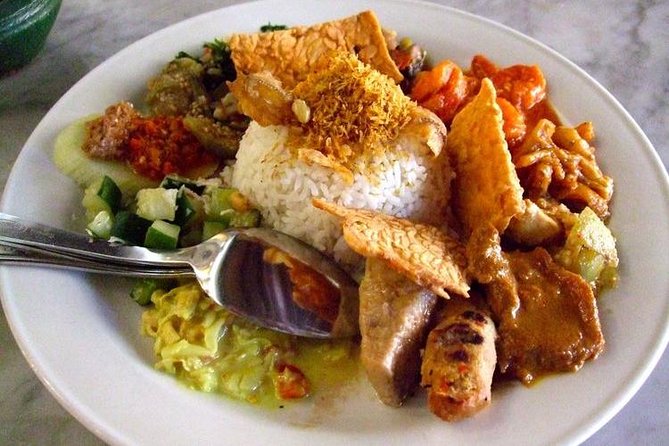
Also, remember lunch isn’t included. If you want to eat near the market, use that 2-hour window to plan a simple meal break rather than forcing food into the edges of the day.
Price and logistics: is $55 a fair deal?
The price is $55.00 per person, and it’s typically booked about 49 days in advance. That advance booking pattern suggests it’s popular, and you shouldn’t wait until the last moment if your dates are tight.
So is it good value? In my view, it is, because you’re paying for:
- a private driver/guide
- hotel pickup and drop-off
- private air-conditioned transport
- tickets and parking fees
- public liability insurance
For a day that includes multiple villages, multiple cultural sites, and wildlife time, the transport and guide piece is the real cost driver. You’re not just paying for entry tickets.
What isn’t included:
- meals and drinks
- lunch
- souvenirs
That means you’ll want to budget for food separately. If you plan ahead and keep your shopping focused, the overall cost stays reasonable.
About the Jungle Swing angle: the title includes a Jungle Swing Experience, but the detailed stops you’ll see emphasize crafts, temples, terraces, palace, and monkey forest. Make sure your booking confirmation clarifies the swing component. If it’s included, great. If not, you may be mixing two different plans in your mind.
Who this tour fits best (and who should consider alternatives)
This tour is ideal if you want a full Ubud day without stress. It’s especially good for:
- people who prefer private guidance over group hopping
- first-timers who want craft villages plus major landmarks
- shoppers who want to understand what they’re buying
- travelers who like wildlife but still want cultural stops
It’s less ideal if you’re mainly chasing only one thrill item—like jungle swing—because the day is structured around culture, landscape, and temple visits. If your priority is the swing, confirm the exact timing so it doesn’t get squeezed out.
Should you book this Ubud private day?
I’d book it if you want a well-connected Ubud itinerary with pickup, a guide, and a day that teaches you something while you’re moving. The strongest reason to choose it is the way the stops connect: batik and metalwork leads into temple and daily life context, then you transition to rice terraces and irrigation, and finish with art market shopping and the monkey forest.
If you care about the Jungle Swing portion, treat that as your “confirm first” checklist item. Once you verify how the swing fits into your schedule, this becomes a solid, practical value day with plenty to see and enough time to actually look closely.
FAQ
FAQ
How long is the Ubud sightseeing tour?
It runs for about 6 to 7 hours.
What time does the tour start?
The start time is listed at 8:00am, with pickup at 9:00am from your accommodation.
Is hotel pickup and drop-off included?
Yes. Hotel pickup and drop-off are included.
What stops are included in the day?
You’ll visit craft areas such as Tohpati and Celuk, see Puseh Batuan Temple and related sites in Batuan, enjoy Tegalalang Rice Terrace, visit Gunung Kawi Sebatu holy water temple, spend time at Ubud Traditional Art Market, and also include Ubud Palace and the Sacred Monkey Forest Sanctuary.
Are meals included?
No. All meals and drinks, including lunch, are not included.
Is the tour private?
Yes. It’s a private tour, and only your group participates.
Do I need multiple people to book?
Yes, there is a minimum of 2 people per booking.
Is there free cancellation?
Cancellation is free up to 24 hours in advance for a full refund.