Riding through Ubud without breaking a sweat is the whole point. This 3-hour Electric Bike Tour in Ubud uses fat-tire e-bikes to help you cruise narrow lanes and rice paths around Sok Wayah, with round-trip hotel transfers and a real lunch included. I especially like how the route mixes classic viewpoints with everyday village rhythm, not just one big photo stop.
One thing to keep in mind: even on an e-bike, you still pedal on uphills, and if your confidence on narrow lanes is low, you’ll want to go slow at the start—some stretches can feel tight with traffic nearby.
In This Review
- Key highlights at a glance
- Entering Ubud by e-bike: what the ride feels like
- At $34, what you really get in 3 hours
- Getting started: pickup, the shop meet-up, and your first minutes
- Sok Wayah rice paths: narrow lanes, big views
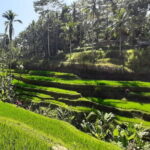
- Tegalalang Rice Terrace: the stop that anchors the scenery
- The traditional house stop and the terrace lunch
- Guides, safety, and handling traffic on a fat-tire e-bike
- How much effort you should expect (even with electric help)
- Who this tour suits best in Ubud
- Should you book this Electric Bike Tour in Ubud?
- FAQ
- How long is the Electric Bike Tour in Ubud?
- How much does it cost?
- Are hotel transfers included?
- Is lunch included?
- Where do you ride in Ubud?
- Is a traditional house stop included?
- What’s included with the e-bike?
- What about departure times?
- How big is the group?
- Is there a weather-related policy?
Key highlights at a glance
- Fat-tire e-bikes for stable riding on uneven village paths
- Tegalalang Rice Terrace stop with scenic photo breaks
- Traditional house visit plus a snack-style stop for local flavor
- Lunch on the shop terrace included at the end of the ride
- Small group feel with a maximum of 10 travelers, and 6 per booking
Entering Ubud by e-bike: what the ride feels like
This is an easy-to-like way to see Ubud when you want views and culture, but you also want your legs to survive the trip. The fat-tire e-bike setup matters here: wider tires help you handle dirt edges and the kind of bumpy, narrow paths you’ll find near rice fields and small compounds. The electric assist means you can choose your effort level. Some hills will feel manageable even if you’re not a cyclist.
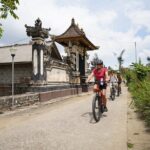
You’ll ride with a guide throughout, and the pace is set for the group. Expect short stretches of road mixed with supervised riding, plus quieter lanes that thread through homes and paddies. The best part is that you’re not stuck looking at Ubud from a car window; you’re moving slowly enough to notice daily life—small greetings, compound gates, and that everyday rhythm Balinese communities keep.
You can also read our reviews of more cycling tours in Ubud


At $34, what you really get in 3 hours
For the price point, the value comes from bundling a lot of the annoying pieces together. You pay about $34 for a roughly 3-hour tour that includes:
- the bike rental and gear
- bottled water and snacks
- a local guide
- pickup and drop-off within Ubud
- an air-conditioned vehicle for the transfers
Then there’s the stuff that makes it feel like a real experience: a lunch included at the end, plus a stop at a traditional house for a snack-style break. Also, the itinerary includes the Tegalalang rice terrace stop, and the admission ticket is listed as free—so you’re not hit with another cost just to see the view.
In other words, you’re paying for transportation, guidance, and access to a couple of meaningful stops—not just a bike ride.
Getting started: pickup, the shop meet-up, and your first minutes
The tour starts near Puri Bebengan in Ubud (Jl. Kajeng area). Depending on where you’re staying, you’ll get pickup within Ubud and then head to the shop where bikes are prepared.
When you arrive, you’ll meet your guides and get acquainted with the bike. This early section is where you build confidence: how the brakes feel, how the electric assist works, and how the bike handles tight turns. A lot of the safety work happens in the first 10 minutes—like where to position yourself in a lane and how to follow the guide when paths get narrow.
Guide names from past tours include Wayan, Ketut, Nyoman, Suradnya (Inyoman), and Gusti. Whoever you get, the pattern is consistent: they focus on keeping you comfortable and moving safely, and they’re the ones taking the photos at the scenic stops.
Sok Wayah rice paths: narrow lanes, big views
After the bike check, you’ll ride along the Sok Wayah rice field paths. This is where the tour earns its reputation. You’ll pass cottages and rice fields on lanes that don’t feel like tourist shortcuts. It’s scenic, yes, but it’s also slow enough to register what daily life looks like at human scale.
Tegalalang Village and the rice terraces come next. The key is timing and pace: you get breaks for photos, and you can soak in the view without feeling rushed through it like a line-cutter at a theme park. Since the route is guided, you also get context while you’re looking around—what you’re seeing in the paddies and how life ties into the landscape.
If you’re hoping for a bike ride that feels mostly off-road, the honest answer is: it’s a mix. There are narrow paths, but you may also ride supervised portions on busier roads. It’s handled in a group, but bike confidence still matters. If you’re nervous about narrow lanes right away, plan to take it easy and let the guide set your rhythm early.
Tegalalang Rice Terrace: the stop that anchors the scenery
The Tegalalang Rice Terrace moment is the visual anchor of the tour. This is the stop people picture when they think of Ubud’s rice-terrace scenery—layered paddies, dramatic angles, and that sense of depth that makes photos look instantly more interesting.
A good thing here is the lack of extra friction. The tour lists admission ticket free, so you’re not worrying about payments just to access the terraces. You’ll have time for pictures, and you’ll be able to look around from different angles at a comfortable pace.
One practical tip: treat it like a viewpoint stop, not a long hike. Wear shoes with grip, because you’ll likely step on uneven surfaces while you find your best angle.
You can also read our reviews of more tours and experiences in Ubud



The traditional house stop and the terrace lunch
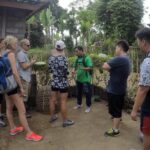
Midway through the experience, you’ll stop at a traditional house. This isn’t just a photo-and-leave moment. The whole point is to see daily life through a real family compound setting and hear explanations from your guide.
In past rides, guests described this stop as a highlight because it gave a sense of how family life and community work together. You may also get a snack at this stop—so it’s not just talk, it’s a small taste of local hospitality. It’s a nice contrast to the bike time: you pause, you observe, and you refuel.
Then the ride finishes with a meal. The lunch is served at the end of the tour on the terrace of the company’s shop. Past guests have praised the noodles at lunch, and the general vibe is that it’s a satisfying, non-fussy finish after cycling.
Guides, safety, and handling traffic on a fat-tire e-bike
Safety is a big part of why this tour works for many people. Guides ride with you and manage where you stop, how you line up, and when to take pictures. Even when the route includes road sections with motorbikes and cars, it’s described as supervised with experienced guides.
You’ll want to take traffic seriously in the moment. Narrow lanes can feel tight, and rice paths can be uneven at the edges. The good news: the electric assist helps you keep control on hills, and guides often adjust the pace so you’re not sprinting or panicking to “keep up.”
One more detail that’s worth knowing: in the past, guides have shown up with raincoats when weather turned wet. Rain isn’t guaranteed to be handled that way, but it does suggest the team takes practical comfort seriously. For planning, bring a light rain layer anyway—Ubud weather can change fast.
How much effort you should expect (even with electric help)
This tour is listed for travelers with moderate physical fitness. That doesn’t mean you need to be athletic; it means you should be comfortable with some pedaling and staying balanced on a bike for the length of the ride.
The electric motor makes a big difference, especially for uphills. But it’s not magic, and you may still feel effort on steeper bits. Some prior guests noted that the bike support can vary on climbs, so if you’re choosing your settings, use the motor when you need it and save your legs for the flatter stretches.
The best way to approach it:
- Start with a calm pace while you learn the bike
- Use the motor assist on hills instead of trying to brute-force it
- Keep a steady grip and slow down at tight turns
If you’re comfortable with the basics of riding, you’ll probably find this far less tiring than a standard bicycle tour.
Who this tour suits best in Ubud
This is a great match if you want to see Ubud’s rice terraces and village paths without spending a full day trekking. It’s also a good choice if you’re traveling as a couple or with family, because the pace is guided and the group size stays small.
From the way the tour is described and rated, it tends to work for:
- first-time riders who want help and structure
- people who want culture stops like a traditional house, not just scenery
- visitors who want lunch included and want transfers handled
If you’re extremely confident on bikes and want a purely off-road ride, you might wish for more natural paths and fewer road segments. But the blend of terraces, rice paths, and human-scale village life is usually the reason people feel it’s worth it.
Should you book this Electric Bike Tour in Ubud?
If you want an efficient, scenic way to cover a lot of ground in Ubud—while still stopping for real cultural moments—this is an easy yes. The $34 price for a guided fat-tire e-bike, pickup within Ubud, included lunch, bottled water, and snacks is strong value. The biggest “maybe” is for riders who lack confidence on narrow lanes or aren’t comfortable with supervised road sections.
I’d book it if you’re excited about Tegalalang’s rice terraces, you like guided explanations, and you want a tour that ends with a proper meal instead of a quick snack and a goodbye.
If you tell me your travel dates and where you’re staying in Ubud, I can suggest a good time to slot this in around temple visits and markets.
FAQ
How long is the Electric Bike Tour in Ubud?
The tour runs about 3 hours.
How much does it cost?
The price is $34.
Are hotel transfers included?
Yes, hotel pickup and drop-off within Ubud are included. Transfers outside Ubud aren’t included, but can be arranged if you ask.
Is lunch included?
Yes, local lunch is included in the tour price, served at the end on the shop terrace.
Where do you ride in Ubud?
You ride around Ubud along the Sok Wayah rice field path and you also stop at Tegalalang Rice Terrace.
Is a traditional house stop included?
Yes, there is a stop at a traditional house with a snack included.
What’s included with the e-bike?
Bike rental and gear are included, along with bottled water, snacks, and a local guide.
What about departure times?
There are morning and afternoon departures available.
How big is the group?
The tour can have up to 10 travelers, and there is a maximum of 6 people per booking.
Is there a weather-related policy?
Yes. The experience requires good weather. If it’s canceled due to poor weather, you’ll be offered a different date or a full refund.