REVIEW · UBUD
Jatiluwih full day e-bike cycling with lunch & trekking program
Book on Viator →Operated by Green Bikes Bali · Bookable on Viator
Jatiluwih looks like a postcard, but it’s for riding. This full-day e-bike + trekking combo takes you from Batukaru Temple into Bali’s famous rice-terrace valley, then sends you down footpaths where the day feels calmer and quieter.
What I liked most is how the e-bikes make the ride approachable. Even if you’re not a confident cyclist, the electric mountain bikes (plus helmets and local guidance) help you cover the big valley views without turning it into a grind.
Second, I really enjoyed the pacing: lunch in the rice fields first, then a real trek after. One drawback to plan around is sun and heat—most of the ride and the trails are outdoors, so you’ll want good shoes, sunscreen, and light clothes.
In This Review
- Key Highlights at a Glance
- Why This Day Works: The Best Parts of Bali, in One Route
- Getting There: The Batukaru Start and How the Day Flows
- The E-Bike Ride Through Jatiluwih (UNESCO): What You’ll Actually Feel
- A practical tip from the real world
- Bamboo Forest to Rice Terraces: The Route Variety You Don’t Get on a Bus
- The small-group factor
- Lunch at Green Cafe: A Real Break in the Fields
- The Trekking Segment: Where the Trails Feel Quieter
- What to wear (so the trek stays fun)
- Guide Style and Local Insight (Agus, Komang, and What That Means for You)
- Price and Value: Why $88 Makes Sense for What You’re Getting
- Who Should Book This Tour (And Who Might Not)
- Booking Timing and What to Expect on the Day
- Should You Book This Jatiluwih E-Bike + Trek Day?
- FAQ
- What time does the tour start?
- How long is the full day experience?
- Where does the cycling start?
- What’s included for lunch?
- How long is the trekking after lunch?
- Are the e-bikes provided, and do I need to ride a regular bike?
- What is the group size and height requirement?
Key Highlights at a Glance
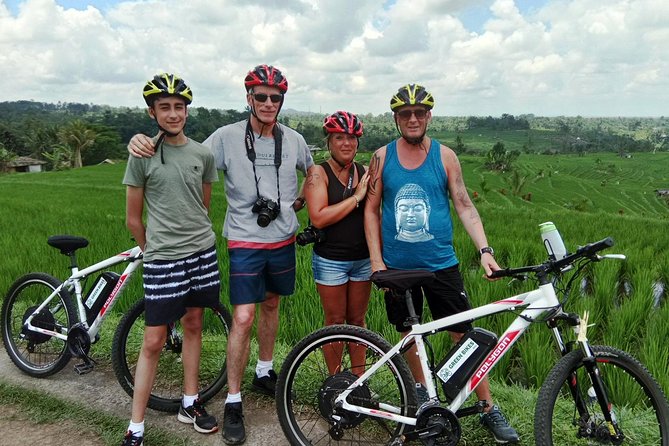
- E-bike through UNESCO rice terraces at Jatiluwih, not just around the edges
- Guides from the local area, including Agus and Komang in past groups
- Lunch at Green Cafe in the fields, with water plus coffee or tea
- 2 to 2.5 hours of trekking, including a down-to-the-river section
- Small group size (up to 12) for a more personal pace
Why This Day Works: The Best Parts of Bali, in One Route
This tour is built around two different ways to “feel” Bali. First you move by e-bike through the big scenic stretches—jungle bits, bamboo, village roads, and then the wide terraces at Jatiluwih. Then you slow down on foot with a trek that’s long enough to feel like an adventure, but not so long that it wrecks your afternoon.
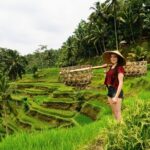
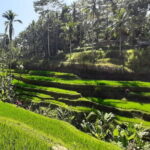
That combo matters because Jatiluwih isn’t one single viewpoint. It’s a valley system, spread across more than 300 hectares, tied to layers of rice terraces and tropical vegetation. Cycling gets you the overview. Trekking gets you the texture—waterways, paths, and the feeling that you’re not walking the same track as everyone else.
Also, it’s a day that’s surprisingly efficient for the price. At $88 per person, you’re not paying separately for transport, e-bike use, guide time, lunch, and the trekking segment—those pieces are bundled in.
You can also read our reviews of more cycling tours in Ubud
Getting There: The Batukaru Start and How the Day Flows
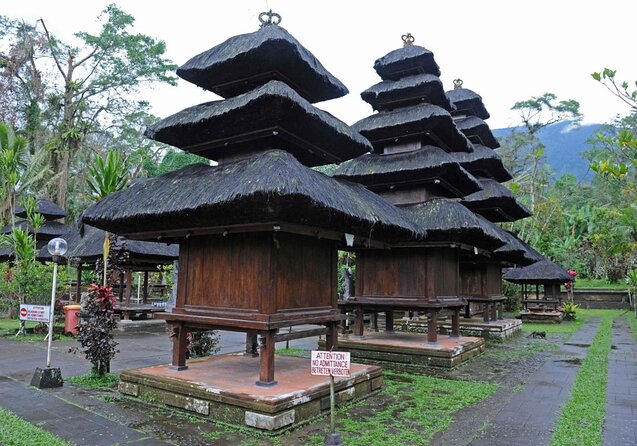
The day starts at 10:00 am with transport via an air-conditioned minivan and hotel pickup and drop-off. You’ll ride from Batukaru Temple toward Jatiluwih on smaller, quieter roads rather than main highways. That’s a big deal because it makes the start feel relaxed and “local,” not like a transfer that turns into a traffic tour.
From the temple area, the route is designed to ease you into the terrain:
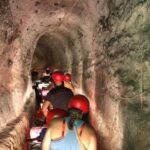
- dense jungle sections
- a giant bamboo forest area
- small rivers and streams you pass along the way
- views of farmers working rice fields using traditional practices
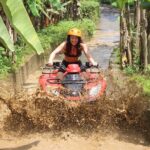
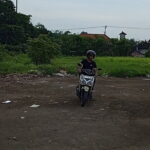
You’ll be riding electric mountain bikes with a helmet provided. If you’ve never used an e-bike before, don’t stress. One of the standout themes from past participants is that it’s easy to get the hang of quickly—basically, you get help when you need it and you still control how hard you want to work.
The E-Bike Ride Through Jatiluwih (UNESCO): What You’ll Actually Feel
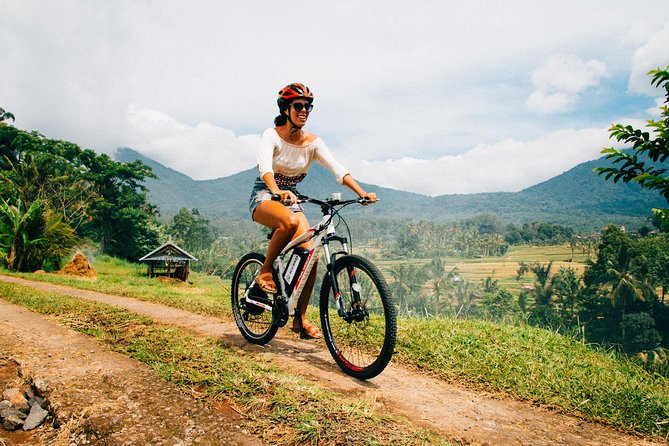
Jatiluwih is in the valley of four extinct volcanoes, and you can see why the terrain matters. The cycling route isn’t flat-straight. It gently moves with the land, so you’ll get gradual changes in elevation and perspective, especially as you approach the terraces.
Once you’re inside the UNESCO area, the ride becomes about rhythm:
- stopping to take in wide terrace views
- moving through narrower sections where bamboo and jungle frame the track
- watching working rice fields up close, not just from a distance
And because you’re on an e-bike, you’re less likely to arrive tired before you’ve even seen the main scene. You’re still riding, but you’re not fighting the whole valley yourself. Think of it as turning a long scenic route into something you can enjoy rather than just survive.
A practical tip from the real world
Bring a small bag or secure pocket for your phone, because with a full day you’ll want photos. Sunscreen is also important—this is outdoors time for hours, and the tour itself only advises sun protection, not that it will save you from the sun.
Bamboo Forest to Rice Terraces: The Route Variety You Don’t Get on a Bus
A bus day to Jatiluwih usually gives you a few viewpoints and then a schedule shuffle. This plan gives you variety while you’re moving. The ride is structured to show different Bali “textures” as you go: quiet roads, bamboo shade, and then the open terrace corridors.
That variety is one reason I’d recommend this even if you’re already familiar with rice terraces. The visuals don’t just repeat. You’re crossing from village-adjacent farmland into the big UNESCO valley, and you pass through elements like giant bamboo forest and streams that are easy to miss if you’re only looking from one parking lot.
You can also read our reviews of more tours and experiences in Ubud
The small-group factor
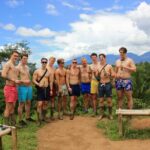
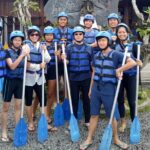
The tour is limited to a maximum of 12 travelers. For me, that matters because it keeps the pace human. It also helps guides keep everyone together when the route gets narrow or slightly bumpy.
Lunch at Green Cafe: A Real Break in the Fields
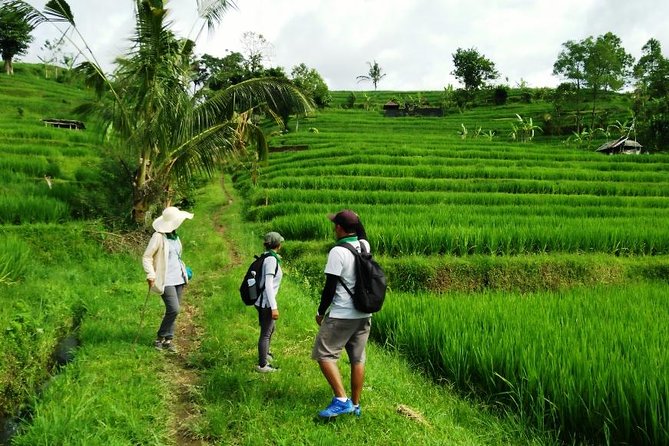
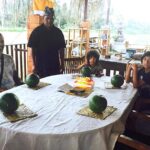
After the cycling portion, you’ll stop for lunch at Green Cafe, served in a setting surrounded by rice fields. The meal is traditional Balinese nasi camour, and it includes water plus coffee or tea.
This is a good lunch setup for two reasons:
- It gives you energy right before the trek portion.
- You get the “fields” experience in a slower way—without needing extra time to find a restaurant yourself.
Alcoholic drinks aren’t included, but you can purchase them. If you’re thinking about trekking afterward, I’d keep alcohol light or skip it entirely. The tour is outdoors and physical, so you want to be fresh, not “vacation-sleepy.”
The Trekking Segment: Where the Trails Feel Quieter
After lunch, you’ll trek for about 2 to 2.5 hours. This is where the experience shifts from scenic riding to actual walking through terrain.
What you should know from how the day is described:
- you’ll trek through rice fields
- you’ll go off the beaten path
- the route goes down toward a river
- you pass through natural areas where the usual crowds don’t dominate
This trek is also the moment you learn the most from a local guide, because they’ll be pointing out how farmers manage the landscape and how the paths are used. Past guide names you might hear in these groups include Agus and Komang, and the common thread is local knowledge and an ability to answer questions while you’re walking.
What to wear (so the trek stays fun)
Wear comfortable clothes and comfortable shoes. Since the day includes a river-direction section, you’ll want footwear with decent grip. The tour provides helmets for the cycling portion, but the trekking part is all you and your shoes.
Guide Style and Local Insight (Agus, Komang, and What That Means for You)
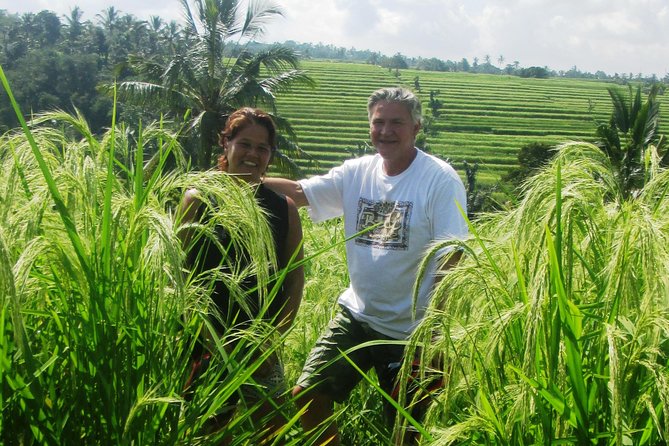
A local guide can make a UNESCO-area day feel like more than a photo stop. Here, guides are from the area around the route, and that local context is exactly what makes the day click: they can explain what you’re seeing as you ride and as you walk.
In particular, the combination of e-bike guide plus trekking guidance helps you avoid “watching passively.” You’re moving through rice fields and bamboo corridors, and your guide can connect what you see with how the community lives and works.
If you get a guide like Agus or Komang, you’re likely to get more than just route instructions. You’ll get the small explanations that turn terraces from scenery into a real working system.
Price and Value: Why $88 Makes Sense for What You’re Getting
At $88 per person for an approximately 7-hour experience, you’re not just paying for a ride. You’re paying for a bundled day that includes:
- hotel pickup and drop-off
- air-conditioned minivan transport
- e-bike use and a helmet
- a local guide
- traditional Balinese nasi camour lunch with water and coffee or tea
- trekking time
- beverages and bottled water
- insurance
- admission-related elements are handled via included taxes and fees
The value piece is that these are the costs that usually add up when you plan a day yourself. Here, the tour does the linking for you: transport to Batukaru, the e-bike portion into Jatiluwih, the lunch stop at Green Cafe, then the trekking segment out into quieter paths.
If you want one day that covers both cycling and walking without you having to coordinate separate drivers, tickets, and timing, this format is a strong deal.
Who Should Book This Tour (And Who Might Not)
This tour fits best if you:
- want a hands-on day rather than a sightseeing drive
- like the idea of combining e-bike and trekking
- enjoy rice terraces more when you’re moving through them, not only stopping at the edge
- prefer a small group pace
You might think twice if you’re someone who:
- struggles with walking even at a moderate pace (the trek is 2 to 2.5 hours)
- dislikes sun and outdoor heat (there’s no suggestion of indoor breaks beyond lunch)
- is under 150 cm, since there aren’t small bikes available
Booking Timing and What to Expect on the Day
This tour is commonly booked about 28 days in advance on average. If you’re traveling during a busy season, booking earlier is smart, because you’re dealing with a small max group size.
You’ll receive a mobile ticket, and confirmation is provided at booking time. The schedule starts at 10:00 am and runs around 7 hours total, so plan a simple morning and give yourself buffer for pickup.
As for the day-of rhythm, it’s straightforward: cycling out from Batukaru, then Jatiluwih-focused ride time, then lunch at Green Cafe, then trekking for a couple hours before the day wraps up with transport back.
Should You Book This Jatiluwih E-Bike + Trek Day?
I think you should book it if you want a Bali day that feels active but not exhausting. The e-bike makes Jatiluwih doable even if you’re not training for anything. Then the trek after lunch adds the kind of “I found a quieter place” feeling that you usually can’t get from terrace viewpoints alone.
I’d skip or adjust expectations if you hate outdoor walking or you’re very sensitive to heat, because this is still a full-day outside situation. But for most people who want more than a photo stop, this is a strong mix of views, movement, and a proper meal in the rice fields.
If you’re aiming for one memorable rice-terrace experience in Ubud that combines effort with comfort, this is a solid pick.
FAQ
What time does the tour start?
The tour start time is 10:00 am.
How long is the full day experience?
It runs about 7 hours (approx.).
Where does the cycling start?
The cycling starts from Batukaru Temple and goes toward Jatiluwih.
What’s included for lunch?
Lunch is served at Green Cafe and includes traditional Balinese nasi camour, plus water and coffee or tea.
How long is the trekking after lunch?
The trekking portion lasts about 2 to 2.5 hours.
Are the e-bikes provided, and do I need to ride a regular bike?
Yes—electric mountain bikes are provided, along with a helmet.
What is the group size and height requirement?
The tour has a maximum of 12 travelers, and guests should be at least 150 cm tall because there are no small bikes available.