REVIEW · UBUD
Full-Day Private Cultural Bali Tour + Balinese Driver
Book on Viator →Operated by Ubud Bali Tour Guide · Bookable on Viator
This private Bali day moves fast. It’s a great fit for anyone who wants Hindu temple meaning and big nature moments in one go. I like the AC private vehicle and the culture explanations that come with a local driver like Sutu or Putu.
One watch-out: admission tickets aren’t included, and lunch isn’t covered, so plan for entry fees plus a meal stop. Also, several places involve stairs and uneven ground, so good shoes help.
At about 8 hours, it’s long enough to feel like a real sampler, with pickup offered, bottled water, and WiFi on board to keep you organized.
In This Review
- Key highlights to know before you go
- Why this private Bali tour beats DIY driving from Ubud
- The day’s flow: Ubud culture, south coast cliffs, and sunset timing
- Sacred Monkey Forest Sanctuary: fun energy, real attention to belongings
- Tegalalang Rice Terrace: the view is the point, swing optional
- Tirta Empul Temple: holy spring water with a clear purpose
- Tegenungan Waterfall: stair walks and a worthwhile viewpoint
- Water Blow and Garuda Wisnu Kencana: waves and myth in one arc
- Padang-Padang Beach and Uluwatu: surf fame and cliff drama
- Kecak and Fire Dance at 6pm
- Jimbaran Bay: plan your meal for the sunset vibe
- Tanah Lot and Jatiluwih: rock shrine and UNESCO terraces
- North-and-east photo stops: Handara Gate, Wanagiri, Lempuyang, and water palaces
- How the guide helps across a long route
- Value check: is $32 a deal or a trap?
- Practical tips so your day feels easy (not exhausting)
- Should you book this private cultural Bali tour?
- FAQ
- How long is the Bali tour?
- Where does the tour operate, and is pickup offered?
- Is lunch included in the price?
- Are admission tickets included for the stops?
- What’s included in the tour package?
- What time is the Kecak and Fire Dance at Uluwatu Temple?
Key highlights to know before you go
- Private driver, private pacing: Only your group participates, so you’re not stuck with other plans or bathroom line-up chaos.
- Culture-focused temple stops: Holy spring rituals at Tirta Empul and cliffside worship at Uluwatu are the type of sights where a guide makes a big difference.
- Nature stops with photo payoff: Waterfalls, rice terraces, and sea-and-rock locations give you variety without needing extra planning.
- Evening planning matters: Kecak and Fire Dance runs daily at 6pm, which affects the timing of the Uluwatu portion.
- Value is in the transport: The base price covers the air-conditioned ride, parking, and fuel, while most attractions charge entry separately.
Why this private Bali tour beats DIY driving from Ubud
Hiring a private driver in Bali is less about luxury and more about stress control. You get air-conditioned transportation, bottled water, parking, and fuel surcharge handled, so you can focus on the sights instead of traffic math and routing.
This tour also leans hard into meaning. With a guide (names like Sutu and Putu show up in past customer feedback), you’re not just snapping photos at temples—you’re learning what holy spring water is for, why certain temples sit where they do, and how the religious story connects to the setting.
The other big win is pacing. With a private vehicle, you can shift the order of photos, take a short break when the heat hits, and move quickly between clusters. That matters in Bali because the day can get physical: waterfalls, cliff edges, steps, and long walkways add up fast.
You can also read our reviews of more private tours in Ubud


The day’s flow: Ubud culture, south coast cliffs, and sunset timing
This route is designed as a “greatest hits” style day: start with classic nature and culture around central areas, then work toward the south-coast icons and the sunset show. In practice, an 8-hour day can only fit so much time at each stop, so you’ll want to be ready to move and decide quickly where you want your longer photos.
Here’s how the big sections tend to feel:
- Morning / early daytime: Sacred forests, rice terraces, and temple compounds where you can take your time learning before crowds and heat peak.
- Midday: Waterfall and sea-coast sights where you’ll want sunscreen and water.
- Evening: Uluwatu for Kecak and Fire Dance at 6pm, then on to sunset-friendly spots like Jimbaran Bay.
Sacred Monkey Forest Sanctuary: fun energy, real attention to belongings
The Sacred Monkey Forest Sanctuary is exactly what the name suggests: a sanctuary full of monkeys and temple grounds that make you feel like you’re entering a lived-in natural space. Plan for close encounters in a place like this, so keep your belongings secure and avoid dangling items.
Also note the practical part: the stop lists an admission ticket not included. Bring a little cash or have a card ready, and you’ll glide through without waiting.
You’ll get about one hour, which is enough time to walk at a relaxed pace and still get your photos without rushing through everything.
Tegalalang Rice Terrace: the view is the point, swing optional
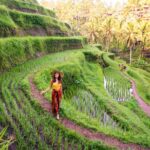
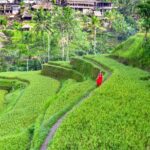
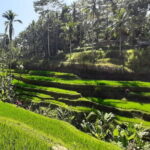
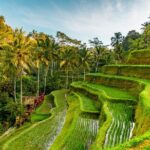
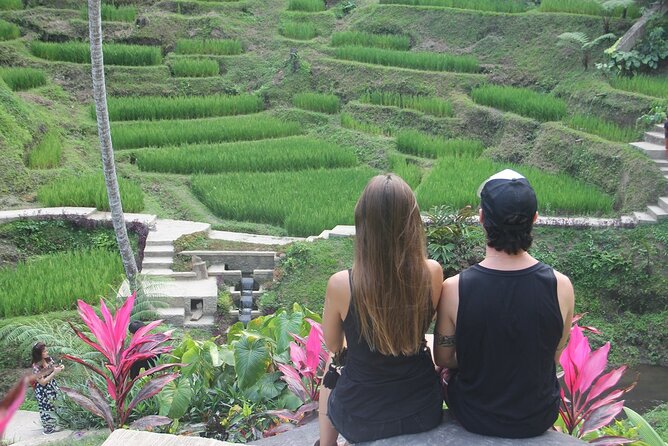
Tegalalang Rice Terrace is all about the layers. You get sweeping views over green paddies that roll across the hills, and it’s one of those places where your photos look good even if you’re not trying too hard.
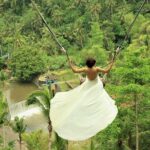
There’s also a popular swing attraction here that many people aim for because it’s very photo-friendly. If you’re game, it can be a fun add-on, but keep it as optional—your main win is the terraces and the way the light hits the fields.
Again, admission tickets aren’t included, so treat this as a separate cost. Timing helps too: you’ll usually enjoy it more when you’re not fighting the hottest sun.
Tirta Empul Temple: holy spring water with a clear purpose
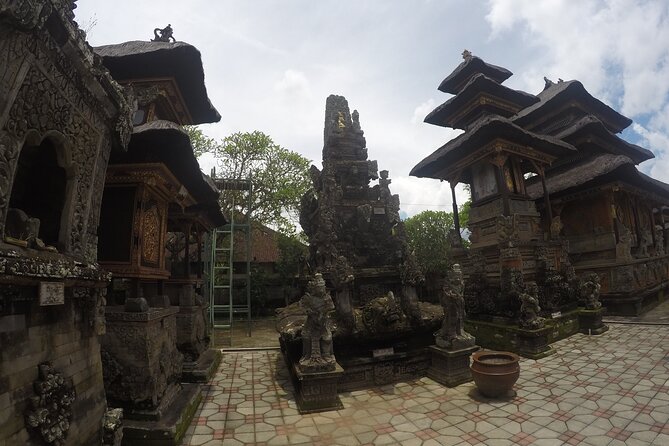
Tirta Empul is where the day feels more grounded and meaningful. The name points to the heart of it: holy spring water used for ritual purification. Inside the temple compound, you’ll see the bathing structure area (petirtaan), where Balinese Hindus go for purification as part of religious practice.
If you’re curious about how Bali’s Hindu culture connects to everyday rituals, this is one of the best stops. With a guide, you’ll understand what you’re looking at beyond the visuals.
Plan for a one-hour visit, and remember entry is not included in the tour price.
You can also read our reviews of more tours and experiences in Ubud




Tegenungan Waterfall: stair walks and a worthwhile viewpoint
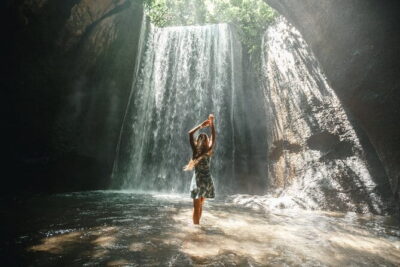
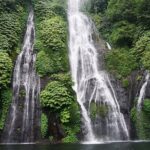
Tegenungan Waterfall adds the classic Bali “nature break” to the temple rhythm. The waterfall runs with different levels, and the site includes steps you can climb after descending to reach the waterfall area more directly.
The stop also includes viewing space near the entrance where you can take in the waterfall and jungle view without doing the extra climb. If you’re planning your day around energy levels, pick the viewpoint that matches your comfort.
Admissions aren’t included here either, and you’ll want practical footwear because you may be walking on wet or uneven ground.
Water Blow and Garuda Wisnu Kencana: waves and myth in one arc
Water Blow is a sea-and-cliff spectacle. Large waves of sea water from the Indian Ocean continually crash against jagged limestone edges of a cliff. The result is a dramatic, rhythmic splash zone that looks different every time you watch it. It’s also listed at about one hour, so it’s easy to work into a tight schedule.
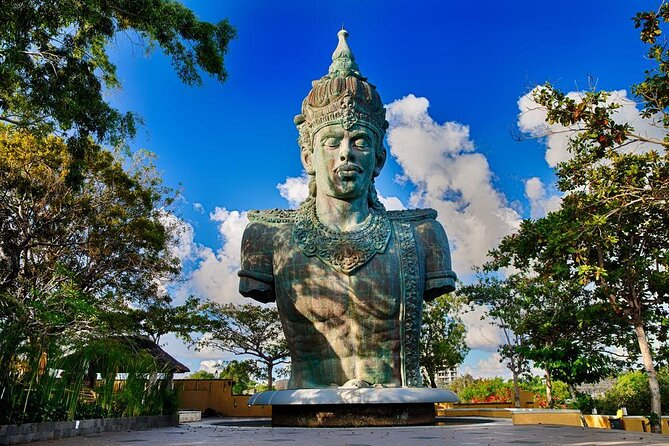
Then you hit Garuda Wisnu Kencana Cultural Park (GWK), which swings the mood from ocean power to Hindu myth. GWK is devoted to Vishnu and his companion Garuda, and the giant Lord Vishnu statue is about 120 meters high—a landmark you can spot and build your photos around.
Like the other stops, admission tickets aren’t included, so factor that into your day budget.
Padang-Padang Beach and Uluwatu: surf fame and cliff drama
Padang-Padang Beach is famous for its waves. It became especially well known after the movie spotlight around Eat Pray Love, and the surf community also keeps an eye on it. Even if you’re not surfing, the cliffs and ocean views make it feel like a real destination, not a quick photo stop.
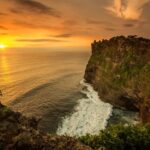
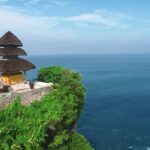
From there, the big spiritual moment arrives at Uluwatu Temple. The temple sits at the edge of a cliff—about 70 meters high—overlooking the sea. The dramatic location is part of why this site works so well: the worship spaces feel connected to the horizon, wind, and surf.
Kecak and Fire Dance at 6pm
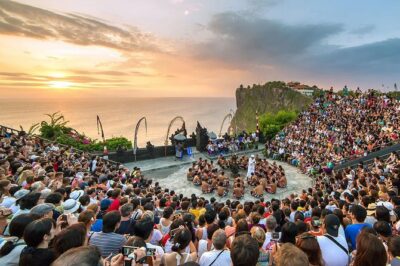
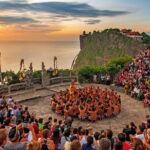
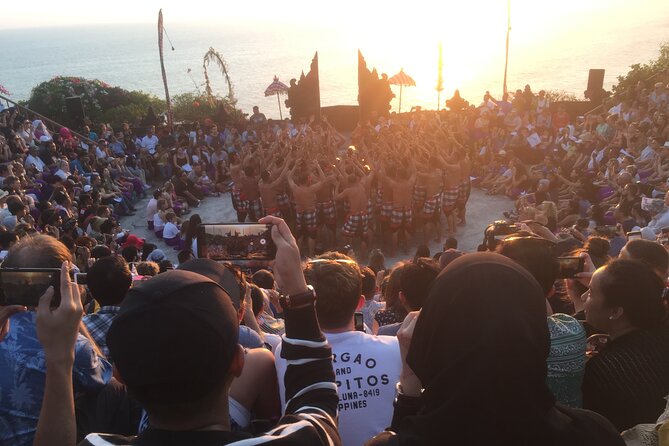
At Uluwatu, the Kecak and Fire Dance performance is held outdoors daily at 6pm. The show is based on the Ramayana, and the cliffside setting means the sunset becomes part of what you watch in the background.
This is the one timing detail you shouldn’t ignore. If you’re trying to see the dance, you’ll need to plan your afternoon so you’re not rushing in at the last minute.
Jimbaran Bay: plan your meal for the sunset vibe
After Uluwatu, Jimbaran Bay is where you can unwind. It’s known for sunset views and for grilled seafood in beachside cafes. This part of the day is less about temples and more about letting the day’s pace slow down.
Because lunch isn’t included, this is often the practical spot to handle food. If you want a calmer meal experience, consider eating before peak demand and then taking time for sunset walks.
Tanah Lot and Jatiluwih: rock shrine and UNESCO terraces
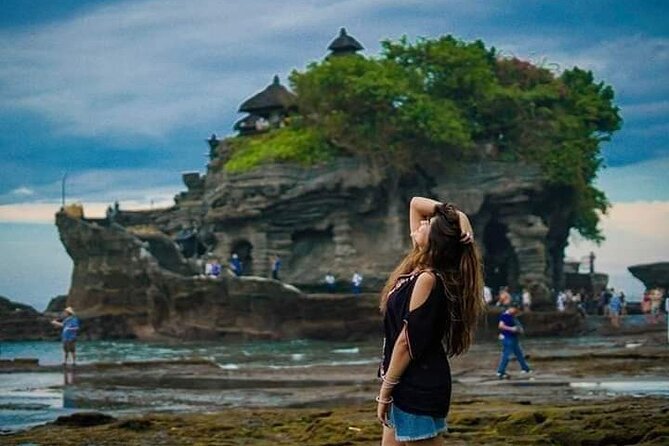
Tanah Lot Temple sits on an offshore rock shaped by the ocean over long periods. The temple’s location in the sea is tied to Balinese mythology for centuries, which makes the visual feel less random and more intentional. It’s a gorgeous spot for photos, especially when the tide and light cooperate.
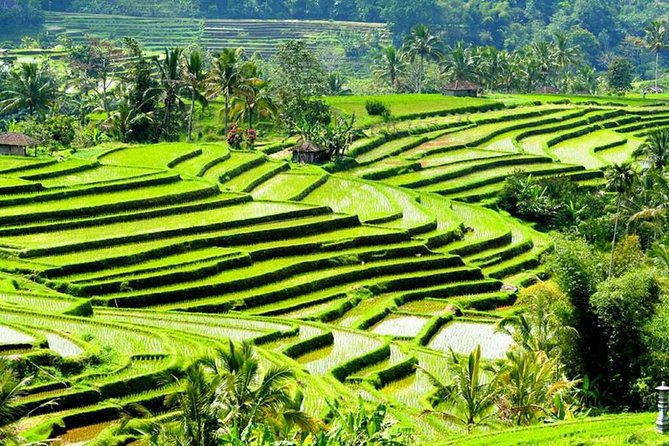
Then you can shift to Jatiluwih, which takes you back to terraced rice farming. Jatiluwih village has paddy fields following the contours of terraced land with Mount Batukaru and Mount Agung as the backdrop, and it’s part of UNESCO World Cultural Heritage.
This stop works well when you want something more expansive and slower-looking than cliff temples. Just remember: you’ll still be on your feet, and entry is not included.
North-and-east photo stops: Handara Gate, Wanagiri, Lempuyang, and water palaces
Some days include a string of iconic viewpoint and temple-photo locations. If your route includes them, they’re all very photogenic, but each also has its own “reason to be here” beyond the camera.
- Handara Iconic Gate: A famous gate scene with green scenery behind it.
- Wanagiri Hidden Hills: Viewpoints plus swing-style photo moments over a lake area, and bird-nest-style photo setups.
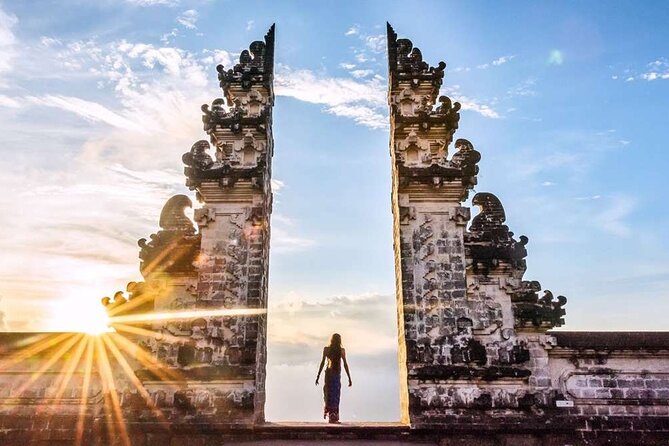
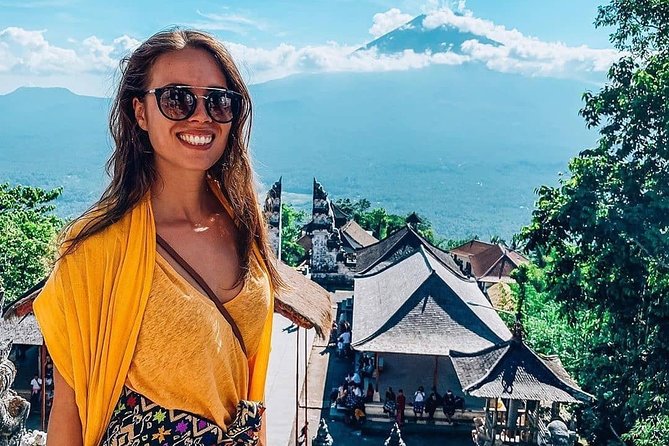
- Lempuyang Temple: Famous for the heaven gate view, with Mount Agung over clouds.
- Tirta Gangga: A water palace built in 1948 with pools laid out like a maze.
- Ujung Water Palace (Ujung Park): A former palace with three large pools, and a main building in the middle pool area.
None of these stops list admission as included, so budget for entry tickets as they come. Also, for viewpoint gates and temple photo areas, you’ll get the best experience when you’re flexible about time—cloud cover and light can change the view fast at places like Lempuyang.
How the guide helps across a long route
One of the strongest reasons this tour gets top marks is the guide experience. In past feedback tied to this tour style, guides like Sutu were singled out for making the day feel smooth and for helping people understand what they’re seeing at each cultural stop.
That matters because Bali sites can feel similar at first glance: temple compound, steps, statues, courtyards. A good guide helps you notice what’s different and what each place is for—ritual purification at Tirta Empul, ocean-and-rock mythology at Tanah Lot, Hindu storytelling and the 6pm show at Uluwatu.
It also helps with practical choices. With a private driver, you can ask where to position yourself for the best photos, what to prioritize if the day runs tight, and when to slow down for water and rest.
Value check: is $32 a deal or a trap?
For $32, you’re paying for transport and convenience more than for attraction fees. The included items are meaningful: bottled water, WiFi on board, fuel surcharge, an air-conditioned vehicle, private transportation, and parking fees. That alone can save you time and hassle versus arranging everything separately.
But you should treat this as a “foundation price.” Lunch isn’t included, and admission tickets aren’t included for the listed sights. So your real total depends on how many stops you choose to enter and how you handle meals.
Still, for many people, the value lands well because the day is packed with major icons without the stress of driving and parking between them.
Practical tips so your day feels easy (not exhausting)
This is a full day. You’ll do better if you prep like you expect to be active.
- Wear shoes with grip for stairs and wet areas.
- Bring sun protection. Even with AC in the vehicle, outdoor time adds up.
- Carry a small amount of cash for entry tickets (since tickets are not included).
- Keep your phone charged. With WiFi on board, you can plan while riding, but photo time usually outsmarts batteries.
- If you want the 6pm dance, plan your afternoon so you’re not rushing at the end.
Should you book this private cultural Bali tour?
Book it if you want a single-day Bali sampler with a private driver from Ubud, strong temple focus, and a clear sunset anchor at Uluwatu. It’s especially worth it when you’d rather pay for smooth transport than spend your day navigating routes and parking.
Skip it or rethink if you’re on a strict budget for entry fees and meals, or if you hate being on the move. Since tickets and lunch cost extra, the total day expense can rise quickly.
Also, if you’re the kind of person who wants to linger for hours at one place, this tour’s 8-hour structure may feel fast. For a balanced mix of culture, nature, and viewpoints, though, it’s a smart way to see a lot without making your travel day feel like a chore.
FAQ
How long is the Bali tour?
It’s listed at about 8 hours (approx.).
Where does the tour operate, and is pickup offered?
It operates in Ubud, Indonesia, and pickup is offered.
Is lunch included in the price?
No. Lunch is not included.
Are admission tickets included for the stops?
No. Admission tickets are listed as not included.
What’s included in the tour package?
Included are bottled water, WiFi on board, fuel surcharge, an air-conditioned vehicle, private transportation, and parking fees.
What time is the Kecak and Fire Dance at Uluwatu Temple?
The Kecak and Fire Dance is performed daily at 6pm at Uluwatu Temple.