Scuba’s first breath changes everything fast. This half-day try-scuba setup pairs PADI-led coaching with two water sessions and all the gear you need, so you can sample the experience without signing up for a full course. I especially like the small-group feel and the way instruction is structured around comfort and control. The one drawback to plan for: it’s medical-questions heavy, and it’s not a good fit for some health conditions or if you’re dealing with certain ear, sinus, lung, or medication issues.
What makes this outing work so well is that it’s built like a confidence ladder. You start with a skills practice in protected, calmer conditions, then move into guided open water on shallow reefs—plus there’s an option to do a second water session right away if you want more time underwater. I also like that the operator feeds you during the wait with snacks and drinks, and handles hotel pickup/return in the Amed and Tulamben area.
Before you book, the key consideration is simple: you must be comfortable in the water and meet the health requirements. If you can swim, are medically fit for scuba, and can fill out the medical questionnaire, this is one of the more straightforward ways to test the sport.
In This Review
- Key things I’d zero in on
- Try Scuba Without the Full Course in Amed
- What the Half Day Really Looks Like (5 hours, 8:30 start)
- Training That Builds Confidence Fast (Protected Bay to Reef)
- Skills practice: why the protected-bay start matters
- Instructor attention: what you’ll notice in real life
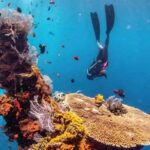
- Coral Gardens, Shallow Reefs, and What You Should Hope For
- What depth and control mean for your enjoyment
- Getting There Smoothly: Amed and Tulamben Pickup
- Gear, Food, and Small Comforts That Add Up
- Price and Value: Is $121 a Fair Deal?
- Who Should Book (and Who Should Skip It)
- Should You Book This Try-Scuba Half Day?
- FAQ
- What do I need to bring for the half-day try-scuba experience?
- Where does pickup happen, and how long does it take?
- Do I need previous scuba certification?
- What are the age and swimming requirements?
- Is this experience safe if I have health conditions?
- What happens if weather is bad or I need to cancel?
Key things I’d zero in on
- Two-session format (half day): learn basics first, then enjoy two guided reef experiences without committing to a full certification.
- Tiny group size: the activity caps at 4 participants, and the team often keeps it smaller (commonly 2–3 people), which helps with attention.
- 45-minute-style coaching: one instructor-led setup is described as starting with a thorough briefing before you hit the water.
- Protected-bay practice first: you practice skills in calmer conditions before going out to the shallow reefs.
- Specific, praised instructors: multiple guides are mentioned by name (like Roda, Coco, Pierre, Sasa, Nyoman, and Kadek), and the tone is consistently patient and safety-focused.
- All gear included: you bring swimwear; everything else is provided, plus refreshments during the session.
Try Scuba Without the Full Course in Amed
This is the “taste test” version of scuba. The whole point is that you can learn how breathing underwater feels, get comfortable with basic equipment use, and experience the sensation of moving through the water with guidance—without doing the full certification track.
The location setup matters. Even though the listing location shows Ubud, this experience is run around Amed and Tulamben, with pickup from hotels in that area. That’s a practical advantage: less time chasing transportation, more time focused on the actual experience.
From what you’ll see in the way instructors are described, the atmosphere is calm and supportive. Guides like Roda, Coco, and Pierre are repeatedly credited for being patient, professional, and able to explain things in a way that makes first-timers feel steady. That’s not a small detail. When you’re new to scuba, feeling safe is the difference between freezing up and enjoying the whole thing.
You can also read our reviews of more scuba diving tours in Ubud
What the Half Day Really Looks Like (5 hours, 8:30 start)
The day is built around a tight schedule. The start time is 8:30 am, and the full experience runs about 5 hours.
Here’s the practical flow you can expect:
1) Pickup and arrival
You get picked up from your hotel in the Amed/Tulamben area. The operator also uses a mobile ticket, so you’re not wrestling with paperwork in the morning.
2) Gear fitting and safety briefing
You’ll be kitted out with scuba gear (the gear is included; you supply swimwear). Before you go in, you get a clear explanation of how the equipment works and how the skills will be taught.
One review response specifically highlights that they start with a comprehensive briefing around 45 minutes. Even if your timing varies a bit, it signals the style: you’re not thrown in immediately. You’re taught in a sequence.
3) Protected-area skills practice
You practice basic scuba skills in a protected bay with conditions described as pool-like. This is where you learn the “mechanics” so the open water feels less like a shock.
4) First shallow reef session
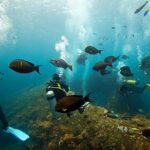
After the skills practice, you go on a guided open-water experience on shallow reefs. The overall goal is to help you connect with what you came for: fish, coral, and that buoyant, controlled sensation underwater.
A response in the reviews mentions getting to around 12 meters if it’s safe for you. That’s a helpful clue: you’re not expected to handle scary depth, but you do get a real scuba experience rather than just surface snorkeling.
5) Optional second water session
If you liked the first one, you can do a second dive session. The experience is designed to allow that extra underwater time, and that’s a huge value move for first-timers. Two sessions also increases your chance of feeling comfortable enough to enjoy the sights instead of focusing only on survival mode.
6) Return and wrap-up
You’ll return to your hotel after the sessions. Expect a complete morning-to-midday block rather than a short, two-hour splash.
Training That Builds Confidence Fast (Protected Bay to Reef)
The teaching style is the heart of this experience. This is not a “watch and hope” format. You learn basics, then practice, then apply those basics in real conditions.
Skills practice: why the protected-bay start matters
When you’re new, the hardest part is often not the scenery. It’s the gear and the breathing rhythm. Starting in calmer conditions (protected bay with pool-like conditions) gives you a chance to:
- get used to breathing through scuba gear
- practice basic control
- understand what to do when something feels unfamiliar
Some first-timers are also described as being a bit scared. If you are nervous, the experience allows the option to start with a practice lesson in a resort pool to build comfort before going into the ocean. That’s a smart option because it tackles anxiety before it turns into panic.
Instructor attention: what you’ll notice in real life
A pattern shows up in the reviews: instructors are praised for being patient and careful. Names you may see mentioned include:
- Roda for kindness and professionalism
- Longsor (Bukti) for competence and friendliness
- Coco for patience and clear explanations
- Pierre for strong knowledge and a “you can do this” confidence boost
- Sasa for making a first-time diver feel safe
- Nyoman as a standout instructor
- Kadek being helpful with kids
Even if your guide is different, those names tell you the operator hires for temperament, not just technical skills.



Coral Gardens, Shallow Reefs, and What You Should Hope For
You’re not doing a deep-water expedition here. You’re doing a first-timer scuba experience designed to deliver real underwater life without overwhelming conditions.
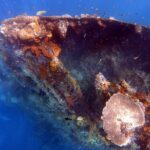
The description emphasizes a stunning coral garden and strong marine life. And in the reviews, people mention reef sites and sea life repeatedly. One review response also notes that the team offers choices among site types after a skills check, including reef, deep reef, macro, wreck, wall, drift, cavern, or even guided tec options for advanced divers.
For you as a first-timer, what that translates to is: you’re likely to get a guided route that matches your comfort level and what’s happening that day, rather than a one-size-fits-all plan. Also, the small-group structure makes site selection easier because instructors can adapt quickly.
What depth and control mean for your enjoyment
The mention of reaching around 12 meters if it’s safe matters because it signals you’ll experience real scuba—not just a shallow taster. Still, your comfort comes first. The best-case scenario is that by the time you’re on the reef, you’re focused on fish and coral instead of thinking about every step of the gear routine.
Getting There Smoothly: Amed and Tulamben Pickup
This experience is designed to be easy on logistics. If you’re staying in the Amed/Tulamben area, pickup and return are included, and reviews praise the “never a problem” vibe around transport.
That matters more than it sounds. Your first scuba day has enough variables: nerves, equipment fit, and water conditions. You don’t need added stress like finding a parking spot or coordinating with a taxi during a tight morning schedule.
The start time being 8:30 am is also practical. You’re not waiting around all day. You’re getting in early while conditions are typically calmer, then you’re done with a satisfying activity before the afternoon grind.
Gear, Food, and Small Comforts That Add Up
This operator includes the scuba gear you need, except for swimwear. So your packing list is simple:
- swimwear
- towel (you might find it helpful, even if not stated)
- sunscreen and a cover-up for between water sessions
They also provide snacks and drinks: fizzy drinks, coffee, tea, and bottled water. On a schedule like this, those extras are real value. You don’t want your energy to dip right when you’re about to do the second session (if you choose it).
One practical plus: the gear quality is mentioned positively in reviews. That affects comfort because well-maintained equipment tends to fit better and behaves more predictably in the water.
Price and Value: Is $121 a Fair Deal?
At $121, the value comes from bundling three big costs into one:
1) Instruction with a PADI instructor
2) Gear included
3) Two water sessions (often the “second one” is where first-timers feel like they finally relax)
Add pickup/return from the Amed/Tulamben area and the included snacks/drinks, and the cost looks more sensible for what you’re getting. This isn’t just a sightseeing snorkel. It’s a structured learning experience that still gives you two tries to see if scuba is for you.
For first-timers comparing this to a full certification course: you’re paying for the chance to decide. If you end up loving it, you can later choose to continue into certification. If you’re unsure, this format helps you avoid committing money and time to a course before you know the sport clicks.
Who Should Book (and Who Should Skip It)
This experience is aimed at people who want a scuba test drive. The stated prerequisites are:
- able to swim
- medically fit for scuba
- minimum age 10 years or older
It’s also important that it’s not recommended if you take prescribed medications, have conditions like diabetes, ear or sinus problems, lung injuries, inner surgeries within the last 12 months, asthma, allergies, and several other issues. You’ll fill out a medical questionnaire to check if you’re able to participate.
So here’s the honest guidance:
- If you’re healthy, can swim, and you’re curious, this is a great “start small” option.
- If you have any of those conditions, don’t guess. Use the medical questionnaire process and be prepared that you might be turned away.
Reviews also confirm that it can be kid-friendly in the right cases. One example mentions children starting at 10 and 13 years old, and an instructor (Kadek) handling the younger participant with patience while skills were practiced before the final session.
Should You Book This Try-Scuba Half Day?
I’d book it if you want two guided underwater experiences, you’re okay doing a skills practice first, and you want a first-timer plan that’s structured rather than random. The small-group setup and the consistent praise for instructors like Roda, Coco, Pierre, Sasa, Nyoman, and Longsor all point to a focus on comfort and safety—exactly what you want when you’re new.
I’d be cautious if you’re dealing with medical issues listed as not recommended (ear/sinus, asthma, lung injuries, recent surgery, diabetes, or prescribed medications) or if you aren’t a confident swimmer. In those cases, it’s better to sort out health clearance first than hope for the best.
If you’re deciding between doing nothing or doing a full course immediately, this is the middle path. You get real scuba breathing and reef time today, and you can choose your next step based on how you feel after.
FAQ
What do I need to bring for the half-day try-scuba experience?
You’ll need swimwear. Everything else for the scuba setup is included (gear is provided), and snacks and drinks are part of the experience.
Where does pickup happen, and how long does it take?
Pickup and drop-off are offered from hotels in the Amed and Tulamben area. The experience runs about 5 hours, starting around 8:30 am.
Do I need previous scuba certification?
No. This is designed for first-timers to learn basic skills with a PADI instructor and then enjoy two guided underwater sessions.
What are the age and swimming requirements?
Participants must be at least 10 years old and able to swim.
Is this experience safe if I have health conditions?
It’s not recommended if you take prescribed medications or have conditions such as diabetes, ear or sinus problems, lung injuries, inner surgeries in the last 12 months, asthma, or allergies. You must fill out a medical questionnaire to check if you can participate.
What happens if weather is bad or I need to cancel?
This experience requires good weather. If it’s canceled due to poor weather, you’ll be offered a different date or a full refund. You can cancel for a full refund up to 24 hours before the experience’s start time.