REVIEW · UBUD
Kintamani Cultural and Nature Cycling Tour ( Manual Bike )
Book on Viator →Operated by Greenbike Adventure · Bookable on Viator
One road turns into real Bali.
This Ubud-based ride pairs lush countryside with practical culture stops as you pedal downhill from the Kintamani area toward Payangan, avoiding the worst of the big-tour crowds. You also get round-trip transport, plus breaks built around coffee, snacks, and lunch, so it feels like a full day out rather than a quick photo run.
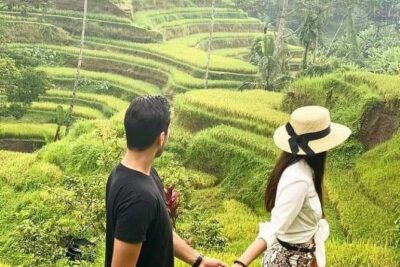
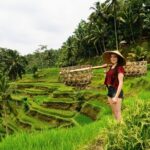
What I like most is the mix of scenery and human-scale moments. You’ll stop for views at Tegalalang rice terraces, then move into smaller villages where your guide explains everyday life, traditional foods, and home industries like stone making and woodworking.
One thing to consider: the biking is easy on paper, but the paths can still be narrow and bumpy, so you’ll want good control of your manual bike and steady brakes. On top of that, I’d keep some buffer in your expectations for timing and day-of logistics, since there’s at least one report of a late driver and a mechanical hiccup affecting gears.
In This Review
- Quick Key Points to Know Before You Go
- Entering the Ubud-to-Kintamani Rhythm
- Pickup, Bikes, and What the Day Feels Like
- Stop 1: Greenbike Adventure Coffee Setup (Start Strong)
- Stop 2: Tegalalang Rice Terrace Quick Hits
- Stops 3–4: Kintamani Views and an Abuan Village Home Visit
- Stop 5: Taro Village Coffee and Gunung Raung Temple
- Stop 6: Bresela Rice Fields and Irrigation Systems
- Stop 7: Payangan Finish at Hyang Api Temple
- Stop 8: Greenkubu Cafe Lunch, Swing Time, and Refuel
- The Ride Itself: Easy Direction, Real Roads
- Guides Make the Day: Names You’ll Hear and Why It Matters
- Price and Value: Is $33 a Good Deal?
- Who This Tour Suits Best
- Should You Book This Kintamani Cultural and Nature Cycling Tour?
- FAQ
- How long is the Kintamani Cultural and Nature Cycling Tour?
- Where does pickup and transport happen?
- Is this tour on a manual bike?
- What food and drinks are included?
- Are there gluten-free options?
- Will I see the Tegalalang rice terraces?
- How much of the route is downhill?
- What are the main stops during the day?
- What should I bring?
- What is the cancellation policy?
- FAQ
- Are there admission tickets included for stops?
- What ages can participate?
- How big are the groups?
Quick Key Points to Know Before You Go
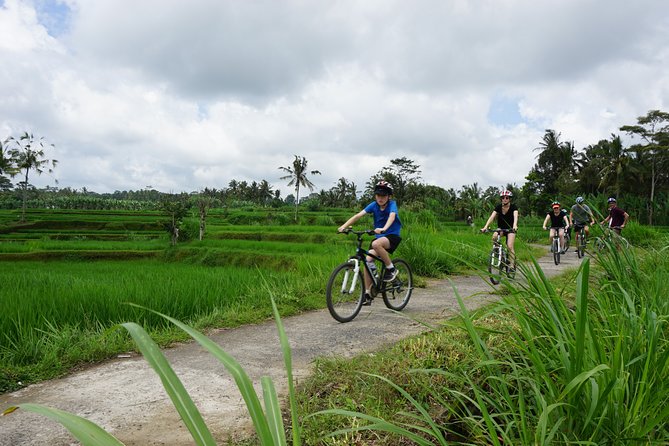
- Mostly downhill, very manageable pacing based on how guides run the route and keep everyone together
- Two-guide setup (lead + sweep) for navigation, traffic awareness, and safety on village lanes
- Coffee, lunch, and snacks are part of the package, not add-ons
- Culture stops go beyond views: rice irrigation, village homes, and a temple visit at Gunung Raung
- Tegalalang + Kintamani views give you the classic Bali look without spending all day in crowds
- Manual-bike day means you should be comfortable controlling speed and staying alert on uneven ground
Entering the Ubud-to-Kintamani Rhythm
This is a classic Bali day structure: pick up in Ubud, ride into the countryside, pause often, and finish with food and temple vibes. The big selling point here is that the biking route takes you away from the most congested tourist strips and into quieter lanes where the pace matches the villages you pass.
I also like that the day is built for real comfort. You get round-trip transport from Ubud, and you’re not stuck trying to figure out timing on your own. You’re also given breaks that make sense: coffee first, photo stops mid-ride, and a proper lunch stop later in the day.
The tour runs about 7 to 9 hours, so plan it as your main activity day. It’s long enough to feel like you made progress, but not so long you’ll be cooked by late afternoon, especially if you’re riding the downhill-heavy route the guides are known for.
You can also read our reviews of more cycling tours in Ubud
Pickup, Bikes, and What the Day Feels Like
This experience starts with hotel pickup in Ubud and ends back in the area after lunch. You’ll use a mobile ticket, which is handy if you prefer not to juggle paper while traveling.
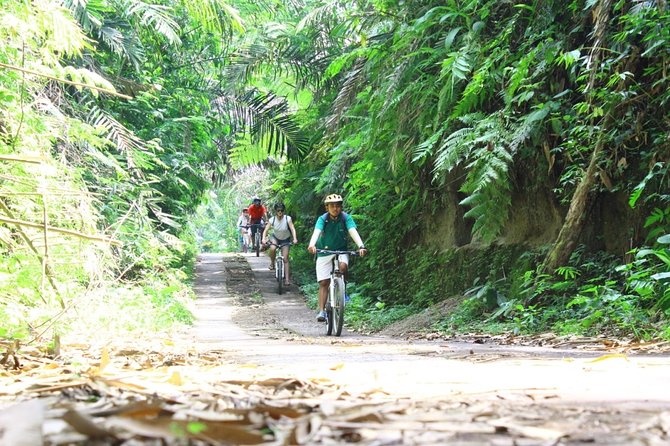
Because it’s a manual bike tour, the day rewards basic bike confidence. Reviews repeatedly describe it as easy-going downhill with directions given clearly, but the road surfaces can still include narrow segments and small bumps. You’ll want shoes with grip and to keep your hands ready for quick adjustments.
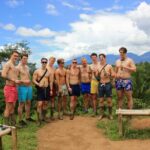
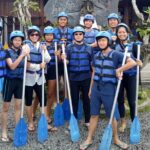
Group size is capped at 50 travelers, and the tour is set up to handle mini-groups smoothly. Several guides are mentioned by name, including Gede, Ben, Wayan, Yoga, Madi, Gudday, and Amin. A common theme across the better moments: a lead guide rides up front while a second guide acts as a sweep, keeping slower riders from getting left behind and watching for traffic.
If you’re the kind of person who likes a planned day but still wants to feel local, this is a good fit. If you hate unpaved surfaces, strict timing, or you’re easily stressed by traffic, you might want to switch to a different style of tour.
Stop 1: Greenbike Adventure Coffee Setup (Start Strong)
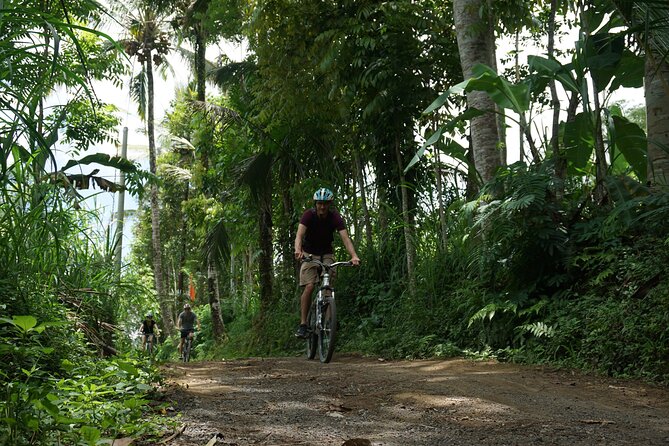
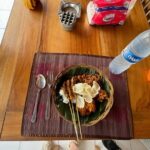
You begin at Greenbike Adventure, where the morning starts with a coffee break. This isn’t just a drink stop for show. It includes choices like pancake or a smoothie bowl, and the staff can handle a gluten-free request if you make it in advance.
This first stop matters because it gets you ready for a long ride. You’ll stretch out a bit, hydrate, and get your bearings before the downhill starts. Also, if you’re traveling with a camera, it’s a good time to settle your small backpack so you aren’t fumbling later.
How long this takes in practice can vary with the group’s setup, but this is the part of the day that sets the tone. Guides often use it to explain what’s ahead, and that helps you ride with less worry.
Stop 2: Tegalalang Rice Terrace Quick Hits
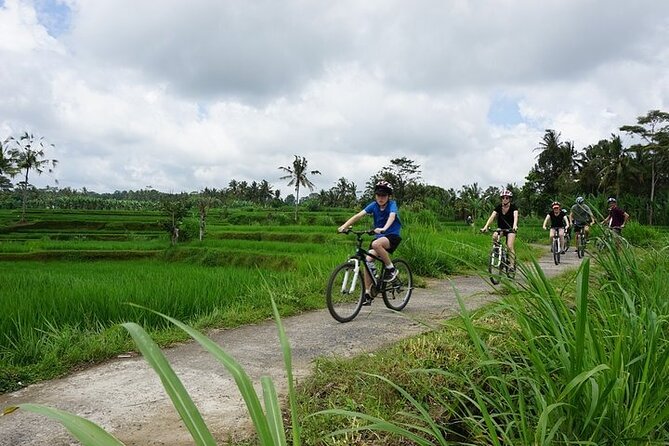
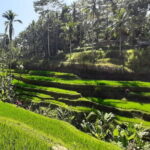
Next comes Tegalalang, with a short stop focused on photos and viewpoints. You’re there for about 15 minutes, so treat it like a scenic checkpoint rather than a long wandering session.
What makes this useful is how it balances the day. You get the recognizable rice-terrace look, but you’re not stuck waiting around while people take the perfect shot. If you’re trying to keep the day moving and still get the classic Bali view, this stop works.
A small drawback: because the stop is brief, you’ll want to move quickly once you arrive. If you prefer a slow, casual pace for photos, you may feel slightly rushed here.
Stops 3–4: Kintamani Views and an Abuan Village Home Visit
After Tegalalang, the tour reaches Kintamani area for a longer viewing break (about 30 minutes). This is where the day gives you breathing room and a chance to look out over the wider countryside from the higher starting zone.
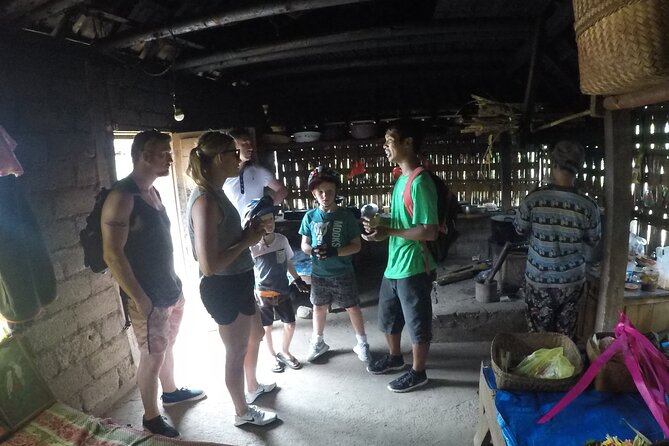
Then you continue to Abuan village, including a visit to a local home. This is where the day shifts from scenery toward everyday life. Expect your guide to explain how Balinese religion and daily routines overlap, and you’ll likely hear about traditional foods and local work.
The value here is that you’re not only watching Bali from a viewpoint. You’re seeing how people live and organizing the scenery you see later into something more meaningful. Guides like Ben have been singled out for sharing background in a friendly, clear way, and that kind of commentary tends to turn a village visit from a stop into a story.
One practical note: because this is a village home visit, be ready to follow guidance on where to stand and how to behave respectfully. Keep your voice down, wear appropriate clothing, and don’t expect to treat it like a quick photo booth.



Stop 5: Taro Village Coffee and Gunung Raung Temple
The tour then moves to Taro village, where you get another coffee break and a visit to Gunung Raung temple. This stop runs about 1 hour, which gives you enough time for both the drink break and a calmer temple look.
Gunung Raung temple is the kind of stop that adds texture to a bike day. Instead of collecting more panoramic photos, you slow down in a space with religious significance and ask questions. This also helps break up the rhythm after the earlier viewpoints.
If you’re someone who enjoys learning small, specific details, this part of the tour tends to be satisfying. It’s not just temples as architecture. It’s temples as part of daily life, which is the theme the guides keep returning to.
Stop 6: Bresela Rice Fields and Irrigation Systems
In Bresela, the focus is rice cultivation and how water is managed. You’ll spend about 45 minutes here, and the main point is seeing the irrigation system that keeps rice paddies growing.
This stop is valuable because it explains something you can’t easily see from a viewpoint. Water management is the quiet engine behind the terraced look. When your guide explains how irrigation fits into family and farming routines, the earlier rice-field scenery becomes more than scenery.
The only consideration: if you’re not interested in farming processes, this may feel a bit more educational than scenic. But even if your interest is casual, you’ll probably walk away with a better mental model of why the paddies look the way they do.
Stop 7: Payangan Finish at Hyang Api Temple
The day finishes riding toward Hyang Api Temple in Payangan. This stop is about 30 minutes and works like a spiritual capstone to the ride.
I like finish points like this because you don’t feel like the day ends abruptly after lunch. You get a final short moment to look around, take photos if appropriate, and process what you just saw over the hours of cycling.
After that, you’ll transition into lunch.
Stop 8: Greenkubu Cafe Lunch, Swing Time, and Refuel
Your lunch is at Greenkubu cafe, with about 1 hour here. Lunch is included, and this is also where the day often adds a bit of fun with the swing option noted as part of the stop.
Food matters on this tour. A downhill-heavy bike day can still tire you, especially if you’re paying attention to traffic and road conditions. Reviews mention breakfast and lunch being delicious, and that matches the logic of the schedule: this meal is the reset before you head back toward Ubud.
If you love photos, this is a good time to slow down. It’s also a nice moment for families or groups who want a calm, scenic end after the riding.
The Ride Itself: Easy Direction, Real Roads
The route is often described as easy and mostly downhill. Some guides are noted for giving simple, clear instructions and pointing out potential hazards along the way. There’s also a common safety pattern: a lead guide rides first, and a second guide rides behind to keep everyone together.
Still, I’d treat this as active travel, not a theme-park ride. Narrow lanes and uneven spots mean you should ride with both hands on the bars when needed, keep an eye on the surface, and don’t let speed fool you into forgetting braking.
A few practical tips that really help:
- Wear sunscreen and keep it handy.
- Use bug spray if you’re prone to getting bitten (this comes up in the ride feedback).
- Bring walking/sport shoes with grip.
- Use a small backpack for camera/video so you aren’t holding everything in your hands.
One more reality check: there’s at least one report of a bike gear issue that caused a fall, plus a complaint about operational problems like a late driver and communication gaps. Those are isolated stories, but they’re still a reminder to check your bike before you roll and to speak up immediately if something feels off.
Guides Make the Day: Names You’ll Hear and Why It Matters
If you remember one thing about this tour, make it the guide quality. Several guides are mentioned by name, and their roles come through in the way they ride and explain.
- Gede is praised for being friendly, giving strong background on Bali, and making hazards and turns easier to handle.
- Wayan earns notes for attentiveness and answering questions while keeping the ride smooth.
- Yoga and Madi are highlighted for helping riders, including teaching and accommodating needs.
- Gudday is credited with making the ride feel organized and informative.
- Amin is described as kind and attentive, and also helps the day run without delays.
Even if you don’t end up with the same guide name you see in other people’s notes, you’ll likely still get the same philosophy: clear directions, safety awareness, and culture explanations that make the stops feel connected.
Price and Value: Is $33 a Good Deal?
At $33 per person, this tour sits in the low-to-mid range for a full-day Ubud countryside experience that includes transportation and meals. You’re not only paying for bike time. You’re paying for:
- Round-trip pickup/transport from Ubud
- Guided stops through multiple areas (including rice terraces and village sites)
- Coffee breaks and snacks
- Lunch included
- A structured route that usually prevents you from getting stuck doing logistics on your own
In plain terms, it’s good value if you want a day that mixes riding with learning and food. If you’re only interested in one view and you’d rather spend the day on your own, you may find cheaper options. But if you want the convenience of transport plus guided stops, $33 can feel like a smart buy.
One thing to keep in mind: it’s a manual bike day. If your confidence is low with bike mechanics, the value may drop for you because you’ll be focusing on control instead of enjoying the ride.
Who This Tour Suits Best
This is a great match for:
- People who want a downhill-friendly Bali bike day
- Anyone who likes culture stops that go into everyday life, not just monuments
- Visitors staying in Ubud who want a countryside day with pickup
- Groups and families who appreciate a lead-and-sweep guide approach
It may be less ideal if:
- You’re sensitive to uneven roads or narrow lanes
- You want a slow, long stop at each viewpoint
- You’re very worried about minor mechanical issues on manual bikes
If you’re comfortable riding and you show up ready with sunscreen, bug spray, and proper shoes, this tour is likely to land well.
Should You Book This Kintamani Cultural and Nature Cycling Tour?
I’d book it if you want a full day that feels like you’re moving through local Bali, not just checking boxes. The best parts are the lead-and-sweep guidance, the downhill-heavy ride style, and the way the day mixes rice scenery with village life and temple visits. Add coffee and lunch included, and the price starts to make sense fast.
I’d hesitate only if you’re uneasy with narrow, uneven roads or you expect perfect timing with zero day-of issues. If you’re flexible, ride smart, and double-check your bike before starting, this is the kind of tour that gives you a strong sense of place without the crowds pressing in on every photo.
FAQ
How long is the Kintamani Cultural and Nature Cycling Tour?
The tour lasts about 7 to 9 hours.
Where does pickup and transport happen?
It includes round-trip transport from Ubud, with pickup offered from your hotel.
Is this tour on a manual bike?
Yes, it’s a manual bike cycling tour.
What food and drinks are included?
You’ll have coffee during the tour, plus lunch and snacks.
Are there gluten-free options?
Yes. The coffee break can include pancake or a smoothie bowl for gluten-free requests.
Will I see the Tegalalang rice terraces?
Yes, there is a short stop at Tegalalang for photos.
How much of the route is downhill?
Many riders describe it as very downhill-heavy and easy, with easy directions given by the guides.
What are the main stops during the day?
You cycle through areas including Kintamani and nearby villages, then stop at places such as Taro, Bresela (rice irrigation views), Payangan (Hyang Api Temple), and finish with lunch at Greenkubu cafe.
What should I bring?
Wear walking or sport shoes, bring sunscreen, and consider a small backpack for your camera or video.
What is the cancellation policy?
You can cancel up to 24 hours in advance for a full refund.
FAQ
Are there admission tickets included for stops?
Admission tickets are included for Greenbike Adventure and lunch at Greenkubu cafe, while other listed stops show admission ticket free.
What ages can participate?
Adults are age > 12, and children are age 6 to 12.
How big are the groups?
The tour has a maximum of 50 travelers.