REVIEW · UBUD
Canggu Scooter Lessons
Book on Viator →Operated by Canggu Scooter Lessons · Bookable on Viator
Learning scooters in Bali should not be scary. This private electric lesson in Canggu (Tibubeneng) gives you patient coaching with an instructor close by, plus a step-by-step setup that moves from theory to balance and then out onto calmer roads. I especially like that they teach you at your pace, and that they only move you forward when you’re ready. The one drawback to plan for: you’ll need a valid license, and the session depends on weather.
You start in a parking-lot area, get clear theory on how the scooter works, then practice control basics in a low-pressure way. If you’re returning to Bali, or you’re brand new here, this kind of structured practice can save you time and nerves before you mix it up with traffic.
The lesson time is listed at about 2 hours, but your learning pace matters. They’ll suggest 2–3 sessions for most people, and average total learning time is often 4–6 hours.
In This Review
- Key things to know before you hop on
- A real-skill lesson in Canggu (not a one-time demo)
- The first 30–45 minutes: scooter theory you’ll actually use
- Balance drills and turns: where confidence is built
- The “quiet village street” phase: practice with the right level of risk
- How many lessons will you need?
- Price and value: why $31.34 can be a smart buy
- Who this is best for (and who should reconsider)
- Instructors and teaching style: patient, step-by-step, no rush
- What to expect when the session ends (and how to keep the progress)
- Short practical checklist before you go
- Should you book this scooter lesson in Canggu?
- FAQ
- Where does the lesson start?
- How long is the scooter lesson?
- Is this a group lesson or private?
- Do I need a valid license?
- Is a mobile ticket provided?
- Can I take breaks during the lesson?
- How many lessons will I probably need?
- What happens if the weather is bad?
- What is the cancellation policy?
- Do they teach anything besides scooters?
Key things to know before you hop on
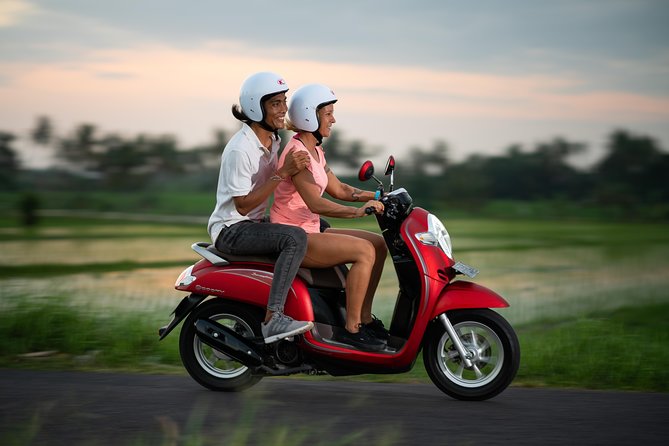
- Private electric scooter instruction in Canggu, with one-on-one style guidance for your group
- Theory first, then balance and turning drills before you ride on quieter streets
- You control the pace, with permission to take breaks when you need them
- Instructor support stays close by, designed to help you feel safe while you improve
- Most riders take multiple sessions (often 2–3) to feel comfortable in real conditions
A real-skill lesson in Canggu (not a one-time demo)
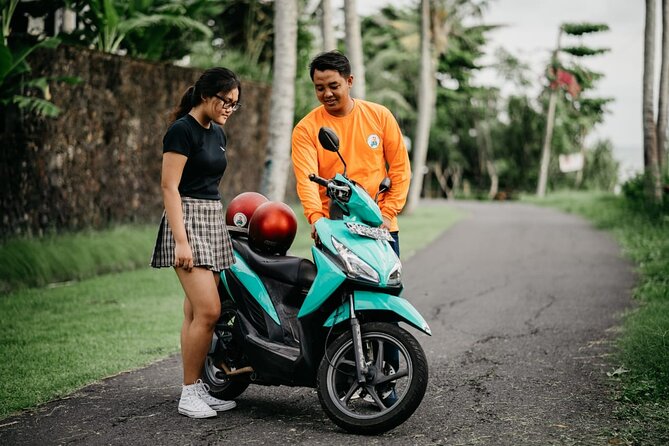
If you’re planning to ride around Bali, the biggest problem isn’t the scooter. It’s the moment you realize Bali traffic doesn’t wait for your confidence to catch up. That’s why I like this setup so much: you don’t get thrown into the deep end. You build skills in order.
This is a private electric scooter lesson in the Canggu area, starting at their meeting point on Jl. Raya Dawas in Tibubeneng (Kuta Utara, Badung). You’ll practice with an instructor guiding you step by step, and the goal is simple: you should be able to ride with more control and less stress once you’re out there on your own.
What’s also smart is the pacing. They don’t rush you just to hit a script. You only move to the next stage when you’re ready, which is exactly how skill learning should work when you’re dealing with a moving vehicle.
You can also read our reviews of more tours and experiences in Ubud

The first 30–45 minutes: scooter theory you’ll actually use
Every good ride starts with understanding what you’re touching. The lesson begins at their parking-lot meeting spot, where you go over the basics of how the scooter works—its functions and how everything operates. This is the part people often skip when they self-teach, and it’s the part that helps you avoid random panic later.
Here’s what this theory time is meant to do for you:
- Help you recognize how the scooter responds, instead of guessing
- Build comfort with the controls before you try balancing
- Give you a framework for what to practice next
From the description, the instruction is meant to be clear and encouraging, not just technical. And the reviews reinforce that style. In particular, riders highlighted how the teaching was detailed and how instructors stayed patient while guiding them through the next steps at the right moment. That matters, because scooter learning is mostly about calm repetition.
One small consideration: the lesson assumes you can get through the basics and practice in a controlled environment. If you expect a short, casual intro with no real learning, you may feel it’s more structured than you hoped.
Balance drills and turns: where confidence is built

After the theory, you switch into hands-on practice right there near the start area. The progression is straightforward:
- Learn how to balance the scooter
- Practice taking turns
That turn practice is a big deal. You can be okay going straight, then feel totally lost when you need to turn safely at low speed. By practicing turns early, you’re building the muscle memory you’ll need later when you’re navigating real Bali roads.
The instructor guidance is designed to help you feel supported. One of the standout themes in the feedback is patience—riders specifically called out instructors being calm and helpful, like Agus and Gede, who guided people through their first attempts without pressure.
And yes, you can take breaks if you need them. That’s not just comfort. Breaks help you reset. If you keep pushing when you’re frustrated, you start doing everything wrong. A short pause lets you come back clearer, which speeds up learning.
The “quiet village street” phase: practice with the right level of risk
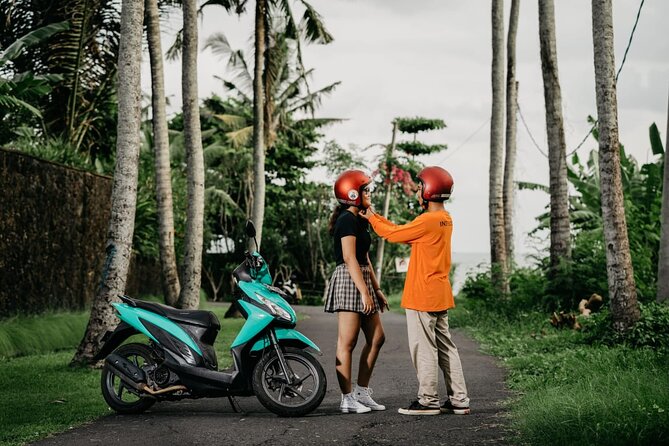
Only when you’re confident do you move on to a quieter village street. This is the lesson’s smartest safety design: you don’t jump from controlled practice to chaotic traffic. You ramp up the challenge gradually.
In practical terms, this quiet-street stage helps you:
- Learn how steering feels in real riding conditions
- Practice making smoother choices while moving
- Start developing the sense of flow you’ll need later
This is also where many first-time riders realize they’re not hopeless. One review described feeling much safer after practicing first in a safe environment, then using the tips to improve their control on busier roads later. That’s the value of the staging: you’re learning skills, not just following instructions.
If you tend to get overwhelmed easily, this step-by-step approach can be a huge relief. It’s basically training wheels for your brain.
How many lessons will you need?
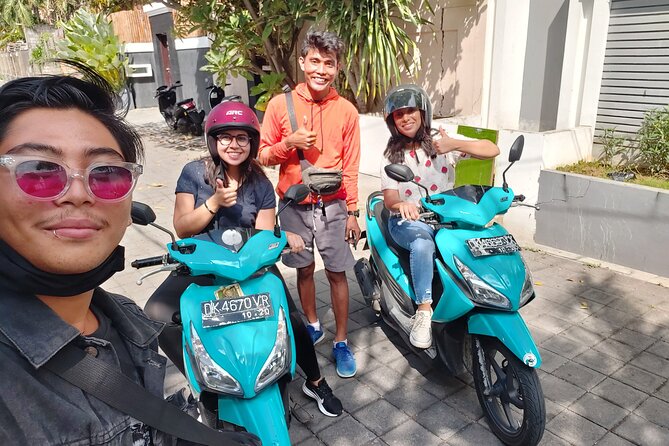
The duration listed is about 2 hours per session, but the total time depends on you. They explicitly say it’s based on your pace and comfort level.
Their experience-based average is:
- About 4–6 hours total
- Often 2–3 lessons, though you can do as little or as many as you want
What I like here is the honesty. Scooter learning is not one-size-fits-all. Some people feel balanced quickly; others need more time with turns or smooth starts and stops. Since the instructor only advances you once you’re confident, doing extra sessions is rarely wasted time.
A useful way to decide before you book: be honest about your current riding background. If you’re completely new to riding, plan extra time. If you already ride a bike confidently, you’ll likely progress faster because you’ll understand balance and basic movement concepts.
Also note the requirement they mention: for learning driving the scooter, you need experience riding a bicycle/bike. If you’re not comfortable on a bicycle, ask about their bicycle lesson option, because that could be the missing link.
You can also read our reviews of more tours and experiences in Ubud




Price and value: why $31.34 can be a smart buy
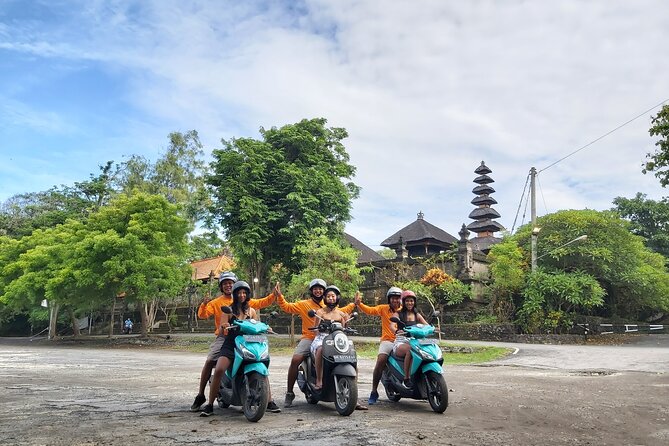
The price is $31.34 per person for the lesson format shown here, with a private experience and a mobile ticket. On paper, it might look like a small cost compared to a scooter rental. In real terms, it can be a bargain if it helps you avoid costly mistakes.
Here’s the value equation I’d use:
- If you learn faster and safer, you waste less time guessing
- You reduce the chance of feeling stuck because you’re afraid to ride
- You gain clearer technique for turns and control
- You get coaching in a safe environment before traffic
Even if you end up taking 2–3 sessions, you’re still paying for skill-building with an instructor close by. That’s different from trial-and-error. Trial-and-error can work, but it’s also how people end up stressed, shaky, or stuck walking the scooter back.
One more plus: this lesson is described as a good fit for both new arrivals and repeat visitors. That makes sense. Repeat visitors still don’t magically master scooters; they just decide they want to ride. This lesson gives them the structure they skipped earlier.
Who this is best for (and who should reconsider)
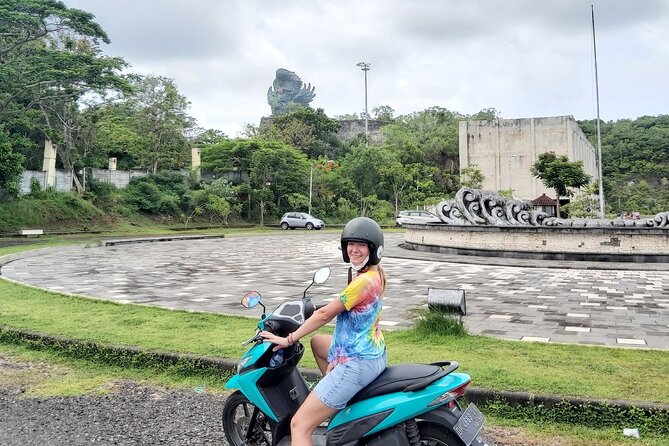
This experience fits best if you:
- Want to learn in a safe, encouraging environment
- Prefer one-on-one or small-group attention (it’s private for your group)
- Care about moving at your own pace, not racing a checklist
- Have bike experience and at least a moderate physical fitness level
It’s also a good match if you plan to ride in Bali traffic soon, because the whole lesson is designed to get you ready with confidence and practical scooter knowledge.
Who might reconsider? If you don’t have a valid license, the note is clear: the travelers should have one. Also, if you expect a fully hands-off experience where you never practice balancing and turning, the lesson won’t match that style.
Instructors and teaching style: patient, step-by-step, no rush
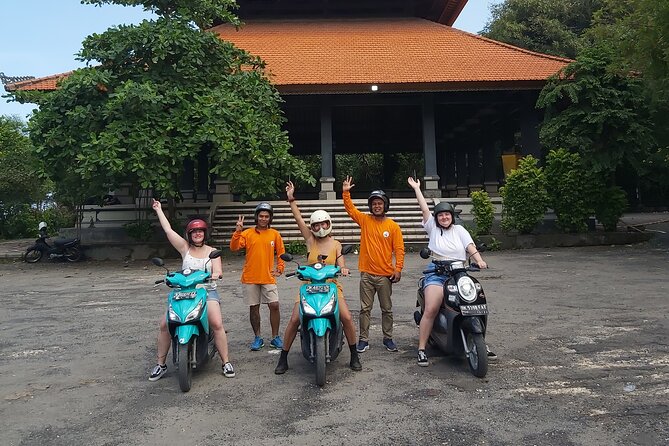
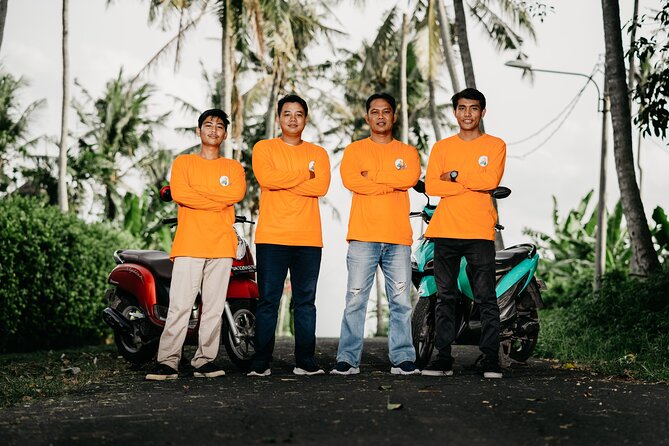
The most consistently praised element is the teaching vibe: calm, patient, and detailed. People specifically thanked instructors for being helpful and for explaining things clearly.
Examples from the names you’ll see in feedback:
- Agus was described as nice and patient, especially for a first-timer
- Gede was highlighted as very patient and helpful, taking the time to move to the next step only after confidence
- Krisna appears in a positive outcome message, connected with how smoothly someone felt once they could ride
Across those comments, one theme stays steady: there’s no pressure to learn fast. They suggest 2 or 3 lessons for many riders, but you’re not forced into a rigid plan. If you need more time, you can take it.
What to expect when the session ends (and how to keep the progress)
The lesson ends back at the meeting point. The practical question is what you do next—because learning doesn’t end when you park the scooter.
Use the quiet-street stage as your benchmark. If you can handle:
- Balancing without constant corrections
- Turning smoothly
- Starting and stopping with control
…then you’re building the foundation you’ll need outside. If you still feel shaky, it’s a strong sign you should plan another session rather than pushing it immediately.
This is also where planning helps. If you want to ride right away after learning, try to give yourself a little buffer time so you can keep practicing at a pace that feels safe.
Short practical checklist before you go
I’d treat this like a real training session. You don’t need to be an athlete, but you do need to be ready to practice balancing and turning.
Bring:
- Your valid license (required in their notes)
- A mindset for repetition and calm practice
- Comfort with bike balance, since scooter learning assumes bike experience
Wear clothing that lets you move. And if you tend to get cold or tired easily, plan for that too—since the lesson depends on good weather.
Should you book this scooter lesson in Canggu?
Book it if you want a structured, safe way to learn scooters and you’d rather practice under guidance than guess your way into Bali traffic. The private format, step-by-step progression, and emphasis on patience make this especially strong for first-timers.
I’d skip or postpone if you’re missing a valid license, you’re not comfortable on a bicycle, or you’re expecting a quick “watch and go” experience. This is real skill training, and that’s the point.
If you’re trying to ride around Bali soon, this lesson can turn scooters from intimidating into manageable. And once it clicks, you can explore with a lot more freedom.
FAQ
Where does the lesson start?
The lesson starts at Canggu Scooter Lessons, Jl. Raya Dawas, Tibubeneng, Kec. Kuta Utara, Kabupaten Badung, Bali 80361, Indonesia. It ends back at the meeting point.
How long is the scooter lesson?
The experience duration is listed as about 2 hours.
Is this a group lesson or private?
It’s a private tour/activity. Only your group participates.
Do I need a valid license?
Yes. The lesson notes say travelers should have a valid license.
Is a mobile ticket provided?
Yes. The experience includes a mobile ticket.
Can I take breaks during the lesson?
Yes. The schedule allows for break time if you need it.
How many lessons will I probably need?
It depends on your pace and confidence. The average is about 4–6 hours total, which is often 2–3 lessons, but you can do as little or as many as you want.
What happens if the weather is bad?
The experience requires good weather. If it’s canceled due to poor weather, you’ll be offered a different date or a full refund.
What is the cancellation policy?
The experience is non-refundable and cannot be changed for any reason. If it’s canceled due to poor weather, you’ll be offered a different date or a full refund.
Do they teach anything besides scooters?
Yes. They list services that include helping you get an Indonesian driving license, manual motorbike lessons, and bicycle lessons.