REVIEW · UBUD
Kintamani Vulcano Tour
Book on Viator →Operated by Bali Ubud Tour · Bookable on Viator
A long day, but it packs real Bali. This Kintamani Volcano Tour strings together temple visits in rice-terrace settings, plus big views around Mount Batur and the Tegalalang paddies. I like how it’s structured: market first, sacred sites mid-day, viewpoints later, and then a pretty finale.
Two things I’d repeat: Gunung Kawi’s cliff carvings feel old-school and scenic at the same time, and Tirta Empul gives you a close look at the Hindu Melukat purification procession at the spring temple courtyard. One consideration: it’s an all-day drive (about 9 hours), and you’ll go temple-to-temple—so bring water, wear comfy shoes, and plan for a lot of time in the car.
In This Review
- Key highlights you should know before you go
- North Bali in One Long Day From Ubud
- Start With a Traditional Produce Market Stop
- Gunung Kawi: Cliffside Carvings in Rice Terraces
- Tirta Empul and the Melukat Purification at Holy Water Temple
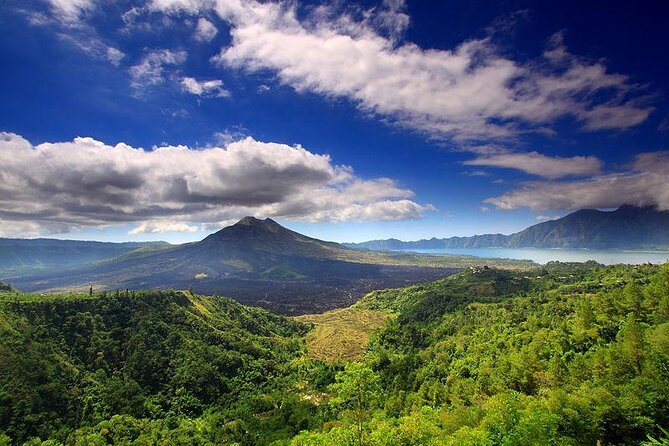
- Kintamani Highland Views Over the Mount Batur Caldera
- Tegalalang Rice Terrace: How to See Subak in Action
- The Price Breakdown and What You Actually Get
- Service and Smooth Driving: Why It Matters on This Route
- Who This Tour Fits (and Who Might Want to Rethink It)
- Should You Book This Kintamani Volcano Tour?
- FAQ
- What time does the Kintamani Volcano Tour start, and is pickup offered?
- How long is the tour?
- What’s included in the price, and what’s not?
- Which stops are part of the day?
- Do I need to pay for temple entry or bring a sarong?
- Is there free cancellation?
Key highlights you should know before you go
- Gunung Kawi on the cliffs with ancient rock carvings beside the rice terraces
- Tirta Empul’s sacred spring and the Hindu Melukat purification procession
- Kintamani viewpoints over the Mount Batur caldera area
- Tegalalang rice terraces and how the subak irrigation system shapes what you see
- Service-first guides/drivers, with Dewa and Kadek specifically praised for being on time and informative
North Bali in One Long Day From Ubud
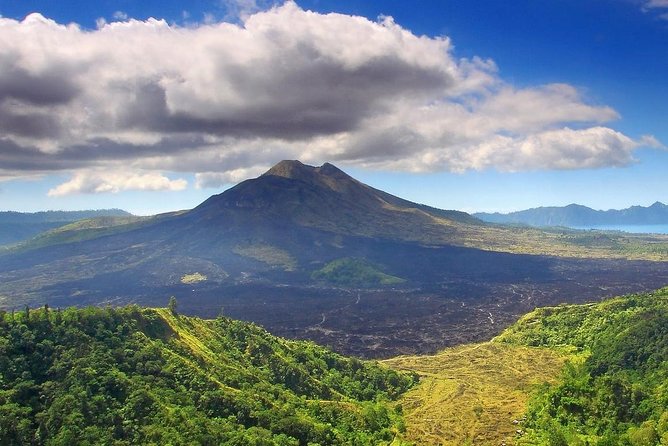
If you want north Bali without stitching together multiple tickets and complicated transport, this is a solid day plan. You start from Ubud (with pickup offered), then head north through the Gianyar area and into the Kintamani highlands. Expect a schedule that keeps moving but still gives you about an hour per main stop.
The price is $52.62 per person, which is fairly good for a day that includes air-conditioned transport plus temple admission fees. The big value isn’t just the sights—it’s that you get a logical route: sacred sites, then volcanic-region views, then the iconic rice terraces.
Also, this is set up as a private tour/activity, meaning only your group participates. That tends to feel less stressful than hopping between crowds, and it makes it easier to ask questions while you’re at the temples and viewpoints.
You can also read our reviews of more tours and experiences in Ubud.



Start With a Traditional Produce Market Stop
Before the temples, you’ll visit a traditional produce market that serves local villages. This is more than a quick photo stop. It’s your first taste of how daily life works in rural Bali—where food, ingredients, and small-scale trade are part of the rhythm.
What I like about starting here is mental reset. You’re not jumping straight into tourist temples; you’re seeing the region as locals experience it first. You’ll be better prepared to understand what comes next, especially once the route swings toward holy water and rice terraces.
Practical tip: markets can be warm and active. Wear sandals or breathable shoes you can walk in comfortably, and keep your camera ready but be respectful around vendors.
Gunung Kawi: Cliffside Carvings in Rice Terraces
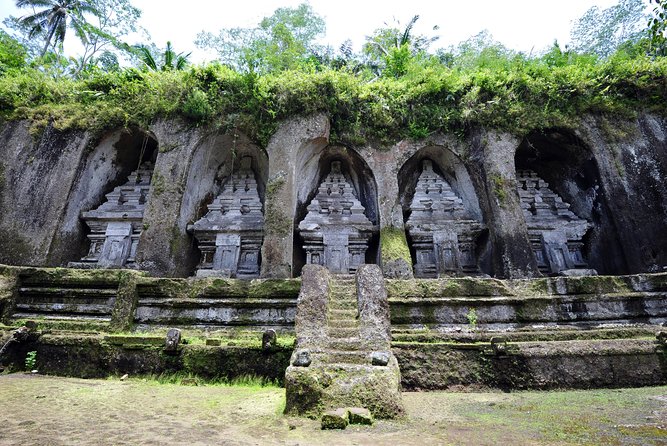
Gunung Kawi is one of those places where Bali blends “wow” with “how did they do this?” It’s known for large old carvings carved into cliffs, and it sits in a dramatic setting close to rice fields. The date matters here: it was built in the late 11th century, which makes the stonework feel seriously historic.
You’ll spend about an hour at this stop, and admission is included. That time is usually enough to do three things well: take in the cliff carvings from different angles, notice how the site works with its surroundings (rice terraces and the cliff edge setting), and slow down for the small details rather than rushing through.
What to watch for: cliff temples can mean uneven footing and lots of steps. Bring shoes with grip. And since you’re in rice-country scenery, you’ll probably want to plan for shifting weather—light rain or mist can happen around the highlands.
Tirta Empul and the Melukat Purification at Holy Water Temple
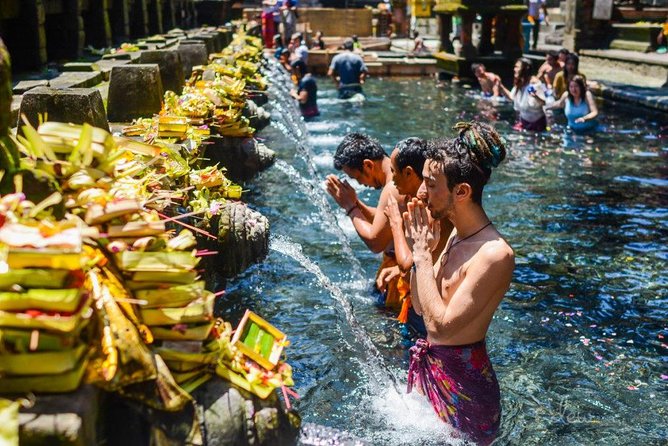
Tirta Empul Temple is built around the sacred spring at Tampak Siring. The spring bubbles up in the inner courtyard of the temple complex, and it’s believed to have curative power. That belief is part of the reason this site feels different from a typical “look-and-go” attraction.
This stop is your cultural centerpiece. You’ll spend about an hour here, with admission included. The highlight is that you can watch the Hindu Melukat procession—people participating in purification bathing tied to the sacred spring. Seeing it in action (rather than only reading about it) gives you a much clearer sense of the temple’s purpose.
Two practical notes:
- You’ll use a sarong for the temple visit (included). Wear clothing that’s easy to adjust so you don’t fight fabric changes mid-tour.
- Holy water sites can be active and time-sensitive. Aim to arrive with patience and a quiet, respectful mindset—this isn’t just a scenery stop.
If your guide has a strong command of local context, this is the place where those explanations click. That’s also where good guiding really shows; one guide named Dewa is specifically praised for sharing cultural context and keeping the experience thoughtful.
Kintamani Highland Views Over the Mount Batur Caldera
After the temples, the route shifts north to the Kintamani region—northeast Bali around the Mount Batur caldera. You’ll hear the name Kintamani as a shorthand for a wider area that includes Penelokan, Toya Bungkah, Batur, Kedisan, Abung, Songan, and Kintamani villages.
You’ll have about one hour here, and admission is included. This is when the day’s “scale” hits. The caldera area tends to create huge, open sightlines, and the viewpoints are the main reason to come. Even when weather is changeable, the highlands still deliver: big sky, dramatic terrain, and that volcanic-region sense of place.
I also like that the schedule doesn’t leave you stuck here for hours. An hour lets you get your bearings, take photos, and absorb the view without turning the day into a long waiting game.
Tip: bring sun protection even if it looks cloudy. Highland light can hit fast. And if you’re sensitive to heights or cliff edges nearby, keep your walking closer to safer zones and let the guide lead the flow.


Tegalalang Rice Terrace: How to See Subak in Action
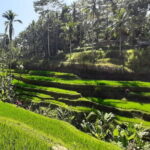
The day ends with Tegalalang Rice Terrace, one of Bali’s best-known rice scenery areas near Ubud. What makes it worth your time isn’t only the “pretty” factor. It’s that you can also connect the terraces to how they’re managed—through subak, the traditional Balinese cooperative irrigation system.
You’ll spend about one hour here, with admission included. In that window, you can do more than snap a few quick shots. You can walk slowly, spot how the water and irrigation shaping affects the terraces, and notice the layout that makes the paddies look the way they do.
Possible drawback: rice-terrace areas are visually famous, so you may encounter other visitors depending on the day’s timing. The upside is that you can still find good angles and focus on the irrigation patterns and terrace structure rather than getting stuck only on crowded viewpoints.
I’ll also say this: if you’re short on Bali time, this stop is a smart “final wow.” After temples and highlands, the terraces bring you back down to something human-scale and photogenic.
The Price Breakdown and What You Actually Get
At $52.62 per person, this tour feels built around value, because several costs that often add up on Bali day trips are folded in:
Included
- Bottled water
- Air-conditioned vehicle and private transportation
- All fees and taxes
- Sarong for temple visits
- Admission tickets at the main stops
Not included
- Lunch
- Personal expenses
That “not included” part matters. You’ll want to budget for lunch separately, and you’ll likely decide on the spot depending on what’s available near your route that day. If you can, eat earlier in the lunch window or keep snacks on hand so you don’t feel rushed when the next viewpoint pulls you along.
Also, the combo of A/C transport plus admission fees is the real cost saver. If you were to plan the same temples and scenic stops on your own, you’d likely spend time coordinating rides, then pay entry fees separately—both in money and effort.
Service and Smooth Driving: Why It Matters on This Route
This kind of north-Bali day is only as pleasant as the pace and transportation. Long drives plus multiple stops can either feel organized or chaotic.
The reviews highlight a couple of key strengths: good timing and a calm, informative driver. A driver named Kadek is called out as polite and informative, and one group even noted he took them to a coffee plantation where they learned a lot. That coffee detour isn’t listed as a guaranteed stop in the core plan, but it does suggest the day can include small educational extras when the schedule allows.
A guide named Dewa also gets praised for being right on time and for explaining local culture in a way that makes temple viewing feel more meaningful. On a day that spans cliff carvings, sacred spring bathing, volcanic-region viewpoints, and rice terraces, having an explanation beats just having a camera.
Who This Tour Fits (and Who Might Want to Rethink It)
This tour fits best if you want a single, efficient day that covers multiple “classic north Bali” experiences from Ubud. It’s especially good for couples, small groups, and anyone who wants a private setup without giving up structure.
You’ll probably enjoy it if:
- You like temple visits that include context (especially at Tirta Empul with Melukat)
- You want both culture and scenery
- You’d rather ride with a driver than manage multiple transfers yourself
You might consider a different plan if:
- You hate long drives or prefer a slower pace with fewer stops
- You’re looking for a pure hiking adventure (this is more sightseeing + viewpoints than big trails)
- You strongly depend on having lunch included in the package (you’ll need to plan for lunch separately)
Should You Book This Kintamani Volcano Tour?
If you’re choosing between “doing north Bali somehow” and “doing it with a clear route,” I’d lean toward booking this. For the price, you’re getting a lot: temples with admission included, sarong provided, A/C transport, and a route that hits both cultural sites and the Kintamani and Tegalalang scenery.
The main decision comes down to your tolerance for an all-day schedule. If you can handle a 9-hour day, comfortable shoes, and a lunch stop you’ll manage on your own, this is a practical way to see why north Bali is so loved.
If you want your day to feel smooth and informative, pay attention to the guide/driver quality since that’s a big part of what makes the temples land well. With service people like Dewa and Kadek being highlighted for being on time and sharing useful local context, you’re more likely to leave with understanding—not just photos.
FAQ
What time does the Kintamani Volcano Tour start, and is pickup offered?
The tour starts at 9:00 am, and pickup is offered.
How long is the tour?
The duration is about 9 hours.
What’s included in the price, and what’s not?
Included are bottled water, an air-conditioned vehicle, private transportation, all fees and taxes, and a sarong for the temple visit. Lunch and personal expenses are not included.
Which stops are part of the day?
The main stops are Mount Kawi, Tirta Empul Temple, Kintamani highland views around Mount Batur, and Tegalalang rice terrace, with a traditional produce market stop earlier in the day.
Do I need to pay for temple entry or bring a sarong?
Temple admission tickets are included for the stops, and sarong use for the temple visit is included too.
Is there free cancellation?
Yes. You can cancel up to 24 hours in advance for a full refund.