REVIEW · BALI
Pure Bali Village Experience, Cooking & Jamu Class+VIP Transfer
Book on Viator →Operated by Balikaru · Bookable on Viator
A village day with hands-on bites of Bali. You make jamu herbal tonics, cook a real Balinese lunch, and see village life around Mount Batukaru—not just another stop-and-snap tour. I like that the day is built around practical skills: herbs, food, and small sacred moments in the countryside.
The small group size means you actually get time with your guide while you learn instruments, cooking techniques, and the why behind them. One possible drawback: it’s an early 7:30am start with about 8 hours total, plus a 30-minute downhill walk later, so plan for a steady pace and comfortable shoes.
- Small group (max 12): more hands-on help during cooking and jamu tasting.
- 40+ herb varieties: you don’t just learn words—you walk the garden and pick from it.
- Cook at the bamboo grill station: Sate Lilit is part of the interactive show, not a demo.
- A sweet using a clay pot: Lak Lak cooking is included, and it’s a great local contrast to the savory dishes.
- Belulang hot spring is the grand finale: optional bath time to cool down after rice-field and village moments.
In This Review
- Why This Bali Village Day Feels Different From The Usual Tour Loop
- Morning Pickup and the 7:30am Start That Actually Makes Sense
- Rindik Music and a Village Walk Before the Food Work Begins
- The Herb and Spice Garden: Where Jamu Really Clicks
- Paon Bali Cooking Class: Sate Lilit and Lak Lak at the Bamboo Grill
- Lunch in a Mountain Village: Eating What You Made
- After Lunch: Rice Planting, Stingless Bees, and Village Compound Time
- Belulang Hot Spring and the Chance to Slow Down for a Bit
- Price and Value: What $89 Covers and Why It Can Be Worth It
- Who Should Book This (and Who Might Want a Different Day)
- Should You Book Pure Bali Village Experience: Cooking & Jamu Class Plus VIP Transfer?
- FAQ
- FAQ
- What time does the tour start?
- How long is the experience?
- Is pickup and drop-off included?
- Is there a small group size?
- What language are the guides?
- What cooking and food activities are included?
- Is the hot spring bath included?
Why This Bali Village Day Feels Different From The Usual Tour Loop
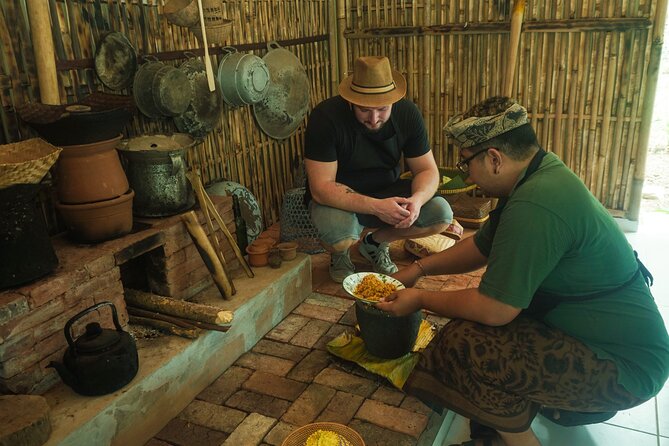
Most Bali day trips are either all transport or all “look at this, then leave.” This one is slower by design. You’re taken into a mountain village area where you walk, snack, cook, and do a few village activities that feel connected to how people live—not just rehearsed for visitors.
The biggest win for me is the two-part food and medicine focus: you learn jamu (Bali’s herbal health drink) and then you cook lunch in an open-air kitchen (Paon Bali). That means you’re not only eating local flavors—you’re learning where the flavors come from and how the plants are used.
The second big win is the small group format (up to 12). It changes the vibe. With a bigger bus tour, you watch. Here, you do more of the work and ask more questions because there’s room for back-and-forth with the guide and the chef.
Morning Pickup and the 7:30am Start That Actually Makes Sense
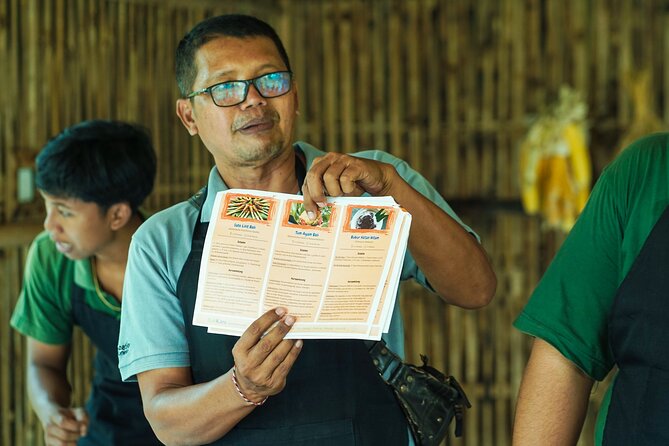
The day begins at 7:30am with hotel pickup and return drop-off. You ride in an air-conditioned vehicle, and along the way you get a scenic drive through tropical terrain plus a photo stop. It’s not just travel time—it’s the setup.
That early start might sound like a lot, but for a mountain village day it’s practical. You get to the countryside before it heats up and before the day gets crowded. It also gives you time for the full sequence: walk, garden, cooking, lunch, village visits, and the sacred hot spring finish.
If you’re someone who likes to sleep in, this might be the one thing you’ll feel all day. But if you like getting the day done efficiently while still taking it easy, the timing works.
You can also read our reviews of more tours and experiences in Bali.

Rindik Music and a Village Walk Before the Food Work Begins
Once you arrive at the mountain village, you start with a leisurely walk and an introduction to Rindik, a traditional Balinese instrument. This isn’t a long museum lecture. It’s an entry point into village culture that sets the tone: you’re there to learn daily life and local traditions, not just collect photos.
Then you move into the garden portion of the day, which is where the experience turns practical. The pacing matters here: you’re not straight into cooking. You get a first taste of the place—literally and culturally—so the rest of the day feels connected.
The Herb and Spice Garden: Where Jamu Really Clicks
The guided tour through the herb and spice garden is one of the best parts of the day because it’s specific. You’ll see over 40 varieties of plants, and you get the chance to craft and taste two types of jamu at the Jamu Pavilion.
This matters because jamu can sound like a vague health trend when you read about it online. In a garden setting, you start making real connections: plant → aroma → taste → what it’s used for. Even if you don’t memorize every detail, you walk away with a sense of how jamu fits into everyday life.
You also get fruit tasting as part of this section. It keeps the experience from turning into only bitter herbal drinks and gives you an extra sensory reference point.
Tip for you: come hungry for this part. Even though the day includes lunch later, the garden tasting keeps your energy up while you transition into cooking.
Paon Bali Cooking Class: Sate Lilit and Lak Lak at the Bamboo Grill
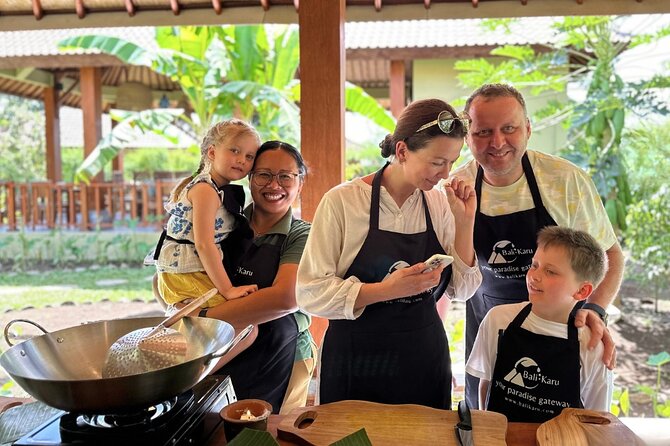
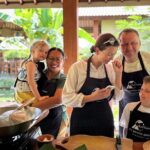
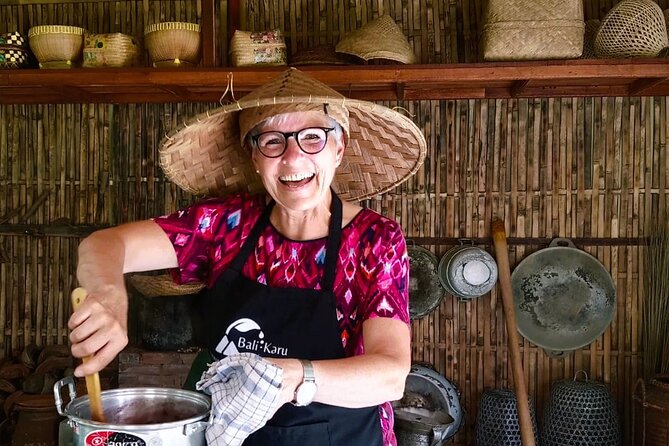
After the jamu and garden time, you head to Paon Bali, the open-air Bali kitchen. This is where the day becomes very hands-on. You’ll cook an authentic Balinese meal with guidance from the chef.
The included lunch includes Nasi Campur Tumping plus dessert that you cook yourself. Savory plus sweet, and both are part of what you learn—not just served to you.
Here are the two moments that stand out as practical cooking wins:
- Sate Lilit at the live bamboo grill station: you get to participate while the grill is going. That live station energy is fun, but the bigger point is that you learn how a local grilling style works in a village kitchen setting.
- Lak Lak using a traditional clay pot: dessert isn’t an afterthought here. The clay pot method is different enough that it helps you understand local technique rather than repeating a generic dessert idea.
If you’re the kind of traveler who enjoys cooking but hates the “knife lesson for 10 minutes” style, this is closer to a real cooking day. You’ll be working in a kitchen environment designed for people who cook this way all the time.
And since it’s a small group, you’re not fighting for attention with the chef. You can ask questions as you go.
Lunch in a Mountain Village: Eating What You Made
After you finish cooking, you sit down for lunch and enjoy the calm of village life and nature around you. This part is quietly important. In a lot of tours, lunch is just fuel between activities. Here, lunch feels like the natural reward for the morning work.
Because you’re eating what you prepared, you’re also more likely to notice details—salt level, spice balance, texture, and how jamu pairs with food. It’s also a chance to slow down and chat with your guide about the things you’ve just learned: herbs, tools, and local tastes.
If you’re vegetarian, you can request dietary needs ahead of time, and vegetarian options are accommodated.



After Lunch: Rice Planting, Stingless Bees, and Village Compound Time
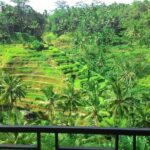
Once lunch is done, the tour shifts from cooking into “helping and observing” mode. You’ll have enough energy to give the farmer a hand with planting rice. This is one of those activities that makes the day feel real. You’re not just walking past rice terraces—you’re assisting with the work.
Next comes a visit to the Balikaru farm, where you’ll see animals and get to learn about stingless Trigona beehives. Stingless bees are one of those topics that feel nerdy in the best way. It’s interesting because it’s both practical (bees and their role) and different from what many visitors expect to see.
Then you do a soft trekking segment—about 30 minutes downhill. This helps explain why the day starts early and why the pace is steady. You’re not doing hard hiking, but you are moving on terrain, so bring proper footwear.
There’s also time to walk through and visit an authentic Balinese compound and learn about Asta Kosala architecture, which is influenced by Balinese feng shui. Even if you don’t want to become an architecture expert, it’s a useful cultural lens: the village layout and building choices aren’t random. They connect to balance, space, and spiritual beliefs.
Belulang Hot Spring and the Chance to Slow Down for a Bit
The day ends at Belulang hot spring, with an optional bath. After cooking, trekking, and village walking, this is the perfect kind of finale: body-friendly and calming.
If you’re traveling with tight schedules, this stop also serves a practical role. It gives you time to cool down and reset before the drive back to your hotel.
One more note: in past experiences tied to this kind of sacred-spring day, some groups have mentioned purification-style ceremonies during the sacred part of the visit. That’s not listed as a headline activity in the basic outline, so don’t count on it without confirming, but it’s worth asking your guide if it’s being offered on your date.
Price and Value: What $89 Covers and Why It Can Be Worth It
At $89 per person for an 8-hour day, this isn’t a “cheap ticket” in Bali terms—but it also isn’t overpriced when you look at what’s included.
Here’s where your money goes:
- Door-to-door VIP transfer (pickup and drop-off) in an air-conditioned vehicle
- A full sequence of cultural and food learning: Rindik, herb garden with 40+ plants, and crafting two jamu types
- A chef-led cooking class in Paon Bali, including the lunch you cook plus dessert you make
- Village activities: rice planting help, farm visit with stingless bees, and a trek segment
- Transported time in a small group, where you actually participate rather than watch from a distance
The value becomes clearer when you compare it to typical Bali classes that focus only on cooking or only on herbs. This day blends both, plus adds village context and ends with the hot spring.
What’s not included is also worth noting: drinks, tips, and personal expenses. So budget a little extra for water and whatever snacks you might want along the way.
One more perk: you get a personal cooking class certificate by email after the tour, plus a farewell gift on the day.
Who Should Book This (and Who Might Want a Different Day)
This experience is a strong match if you want:
- Hands-on Bali food learning, including jamu and a real Balinese lunch
- A quieter, less tourism-heavy day around the Batukaru region
- A small-group format where your questions get answered
- A “culture plus activity” mix: instrument intro, garden learning, cooking, farm time, and hot spring relaxation
You might want to skip or reconsider if:
- You hate early mornings (it starts at 7:30am)
- You’re not comfortable with a downhill trek around 30 minutes
- You prefer purely scenic viewpoints with zero physical effort
Should You Book Pure Bali Village Experience: Cooking & Jamu Class Plus VIP Transfer?
If you’re looking for a Bali day that feels grounded—food, plants, village rhythm, and a hot spring finish—this is a yes for most people. The jamu + cooking pairing is the star, and the small group size helps the day stay personal instead of rushed.
My only hesitation is practical: it’s a full, early start day with walking involved. If you’re okay with that, you’ll get a lot of genuine learning out of your time, plus a meal you actually made and can recreate later.
FAQ
FAQ
What time does the tour start?
It starts at 7:30am, with hotel pickup.
How long is the experience?
The duration is listed as about 8 hours.
Is pickup and drop-off included?
Yes. The tour includes hotel pickup and drop-off by air-conditioned vehicle.
Is there a small group size?
Yes. The experience has a maximum of 12 travelers.
What language are the guides?
You’ll have an English- or German-speaking guide. Other languages have a surcharge.
What cooking and food activities are included?
You’ll have a chef-led cooking class at Paon Bali, including cooking Nasi Campur Tumping and dessert (you cook both). You’ll also craft and taste two types of jamu and have fruit tasting.
Is the hot spring bath included?
The visit to Belulang hot spring is included, and the bath is optional.