REVIEW · UBUD
Rural Charm of Bali Tour
Book on Viator →Operated by Tour East Indonesia · Bookable on Viator
Bali, but in rice-field quiet. This Ubud-area tour sends you to Gulingan Village for a rural day away from the beach crowd, with a real Balinese cooking lesson and lunch among the fields. You’ll also walk through coffee, vanilla, and cloves plantations and see how everyday countryside life works here.
What I like most is the mix of hands-on food learning and actual village setting. The cooking demonstration has you grinding and mixing spices, then you sit down to the dishes you helped create in a pavilion with rice-field views.
One thing to keep in mind: there’s some walking on rural paths and through rice areas, so you’ll want to be comfortable with uneven ground. Also, the event is a demonstration first, so the chefs do a lot of the cooking for you—plan for learning by watching and helping where you can.
In This Review
- Key highlights you should know before you go
- Why this Ubud countryside day beats the beach plan
- From your hotel: the early start and the ride into the interior
- Arriving at the village: what you’ll actually do in Gulingan
- Rice terraces and spice walks: coffee, vanilla, and cloves on foot
- The cooking demonstration: what you help make and what you watch
- Lunch in a pavilion: the meal that matches the day
- Guides and group size: how your day may change
- What about extra stops like art or batik?
- Price and value: is $71.80 a fair deal for this Bali slice?
- What to bring and how to make the day smoother
- Who this tour is best for (and who should skip it)
- Should you book the Rural Charm of Bali Tour?
- FAQ
- What time does the tour start?
- How long is the Rural Charm of Bali Tour?
- What’s included in the ticket price?
- Where does the tour begin and end?
- What dishes are part of the cooking experience?
- Is there any walking during the tour?
- Does the tour require a minimum number of people?
- What is the cancellation rule?
Key highlights you should know before you go
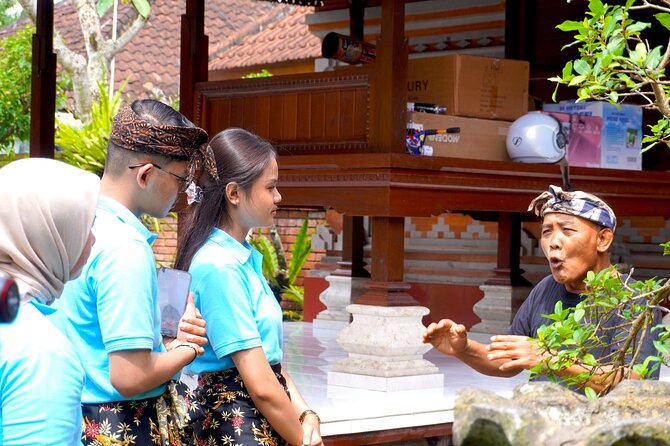
- Gulingan Village countryside time with pond fishing, farm walks, and classic village activities
- Hands-on spice prep before the meal, including grinding and mixing herbs and spices
- Lunch of classic Balinese dishes served after your cooking session
- Spice plantation strolls (coffee, vanilla, and cloves) plus coconut palms in the area
- Hotel pickup and drop-off from major Bali areas, with an English-speaking licensed guide
- Good chance of small-group vibes, even though capacity can go up to 99
Why this Ubud countryside day beats the beach plan
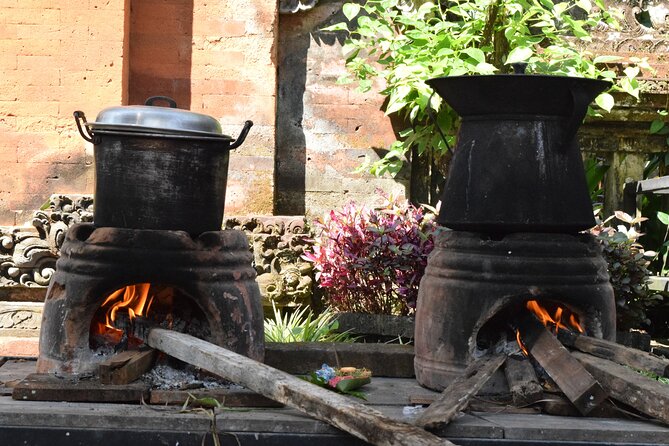
If you’re in Ubud and you’ve already spent time on scooters, cafes, and temples, this tour feels like a reset. It’s a half-day trip into the island’s interior where the day is paced by fields, ponds, and kitchen prep—not storefronts.
The promise here is simple: you go to a working Balinese hamlet, you get a cooking lesson using local ingredients, and you eat lunch where the setting matches the food. You’re not just collecting photos; you’re learning how Balinese cooking builds flavor through spice blends, then getting to taste the result right away.
I also like that this tour doesn’t pretend rural Bali is a museum. You’re there for daily-style activities—walking through farm areas, trying small local experiences, and watching how families and cooks put meals together in their own kitchen style.
You can also read our reviews of more tours and experiences in Ubud.



From your hotel: the early start and the ride into the interior
Pickup happens between 30 minutes and 1 hour before 9:00am, then your start time is listed as 9:00am. Your exact pickup time is confirmed by the operator, so it’s worth checking your message the day before.
The ride itself matters more than you might think. Getting out of Ubud’s “center” early helps you arrive while the village day feels fresh and calm, not rushed. It also means you’re not trying to fit a rural visit into peak traffic.
If you’re staying in places like Kuta, Seminyak, Sanur, Jimbaran, or the Nusa Dua area, you’ll be picked up from major hotels in those zones. If you’re elsewhere, you may need to think through whether your pickup area is covered—your operator confirms what’s available.
Arriving at the village: what you’ll actually do in Gulingan
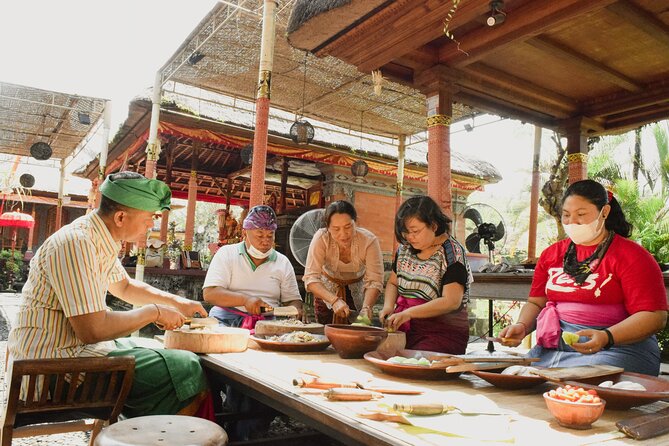
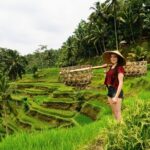
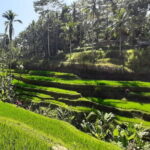
The core of the experience is time in and around Gulingan Village, framed by terraced rice areas and the kind of mountain mist you usually only get inland. Once you arrive, you start shifting from city mode to village pace.
Your day can include several countryside activities, such as:
- trying a classic Balinese kite (a fun, quick way to get a feel for local play)
- learning about or playing gamelan (the bamboo-instrument sound you’ll hear during ceremonies)
- pond fishing in a local pond
- strolling through coffee, rice, cloves, and vanilla areas, along with coconut palms
Not every stop feels equally “hands-on,” but each one helps you understand what rural life revolves around here: music, gardens, and daily food sources. Even if you’re not trying to do everything, the variety is the point. This tour keeps giving you something visual and something practical.
Rice terraces and spice walks: coffee, vanilla, and cloves on foot
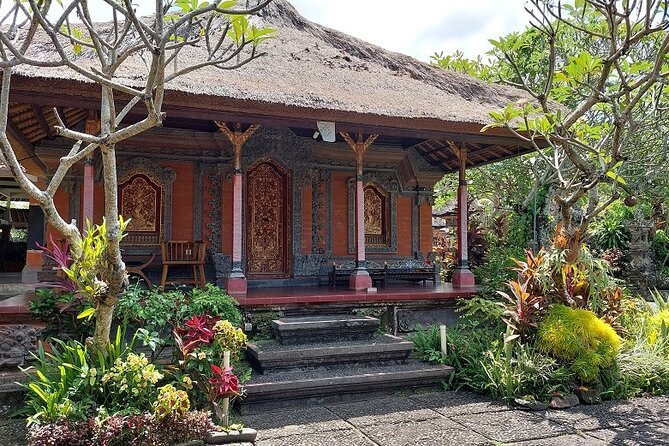
The plantation walk is one of the best parts because it turns “spices” from a cooking word into a real ingredient story. You’ll walk through areas tied to coffee, vanilla, cloves, and rice, plus coconut palms in the region.
What makes this valuable is that it connects directly to lunch. When you later smell and taste the spice mix, you’ll recognize where the ingredients come from. It’s a small education win that doesn’t require a classroom.
Wear shoes that can handle dirt paths. The tour description is clear that there’s walking through rural villages and rice fields. If you arrive in sandals, you’ll spend the day thinking about your feet instead of the experience.
The cooking demonstration: what you help make and what you watch
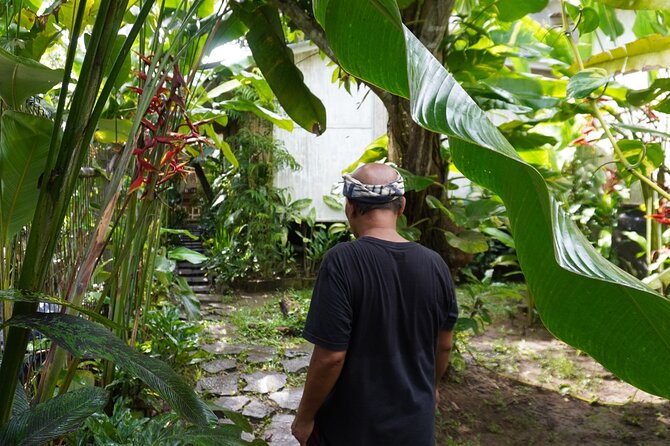
After village activities, you head to a traditional kitchen setup for your cooking session. The experience includes a visit to a traditional market where you learn about fresh ingredients and local spices, then you move into the cooking area.
This is where you’ll feel the “hands-on” side most. You’ll be grinding, mixing, and preparing the spice blends that give Balinese dishes their flavor. The cooking plan described includes:
- Tum Wrapping
- Yellow Rice
- Fresh vegetables
A key detail from the way this is run: the cooking is a demonstration first. You’ll participate in steps, but the chefs do most of the main cooking work. I think that’s fine, especially if your goal is to learn what goes into the dish and why it tastes the way it does—rather than trying to master every technique on a deadline.
Also, the session is set up to explain the sequence. The spices aren’t just thrown in; they’re presented as a process you can follow later at home if you want to recreate the flavors.



Lunch in a pavilion: the meal that matches the day
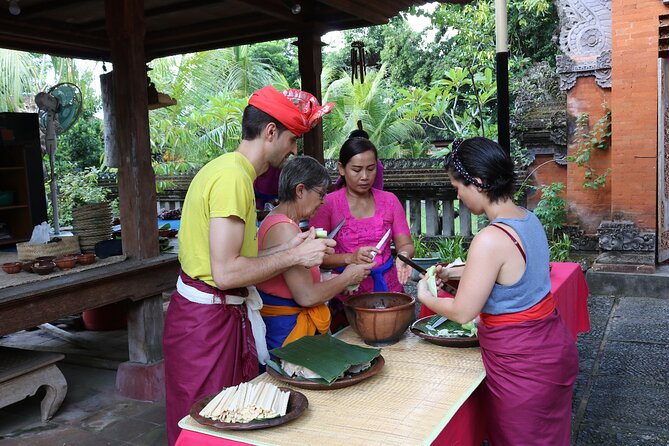
After your cooking steps, lunch is served in a thatched pavilion set among the rice fields. This matters because food experiences work better when you’re not rushed and you can actually taste what you’re eating.
Expect authentic Balinese flavors built around those spice blends you prepped. The dishes listed—tum (wrapped), yellow rice, and fresh vegetables—are classic and filling without feeling heavy in an “all carbs” way.
I like that the lunch isn’t treated like a random add-on. It’s tied to your market visit and your spice work, so you’re eating with context. When people rave about how good the food is, this is usually why: it’s the best part of the day you helped create.
If you’re sensitive to spice or heat, you can always ask your guide about spice intensity. The tour materials don’t specify spice levels, and Balinese dishes can range from mild to fiery depending on the blend and cook.
Guides and group size: how your day may change
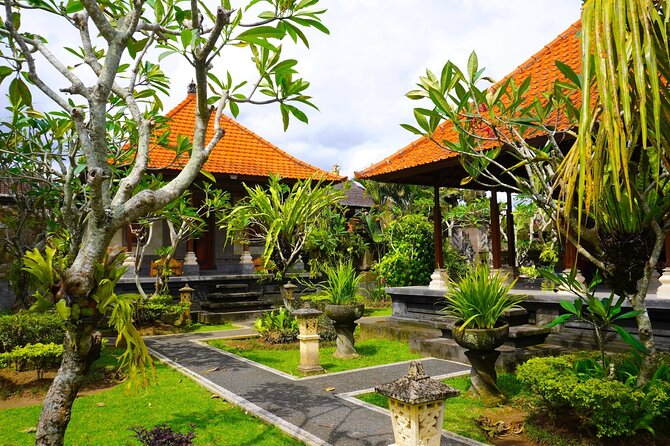
The tour is led by an English-speaking licensed guide, and the vibe is generally described as friendly and informative. That matters because rural tours live or die on interpretation: what you see is interesting, but the guide is what turns it into meaning.
There’s also an important practical note: group size can vary. The tour lists a maximum of 99 travelers, but multiple experiences described very small groups on the day—sometimes only a couple of people. If your group is small, you’ll often get more personal attention during the cooking steps and better explanations along the walk.
One watch-out: one account mentioned a more pushy guide style involving extra tour booking pressure. That’s not the most common tone in the overall feedback, but it’s worth taking seriously. If you feel uncomfortable, you can calmly steer the conversation back to the tour itself and keep your boundaries clear.
What about extra stops like art or batik?
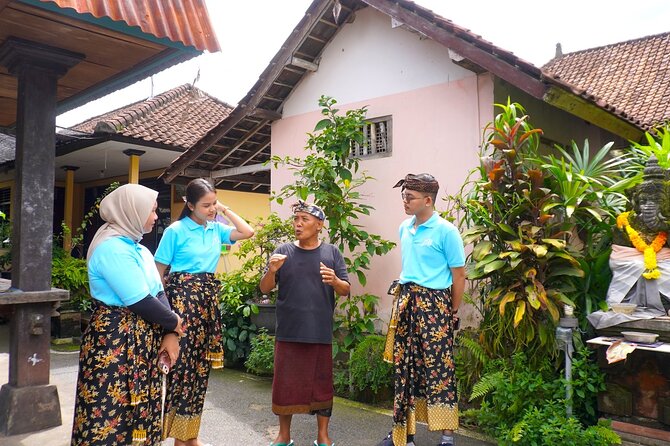
Your core day centers on Gulingan and the cooking lesson. That said, one experience described additional cultural shopping stops like a batik factory and an art gallery on a day when the group was extremely small.
So here’s how to think about it: the tour is built around food and village life, but some guides may add cultural stops depending on scheduling and group situation. If you hate shopping detours, tell your guide early that you prefer to focus on the rural experience and the cooking session.
Price and value: is $71.80 a fair deal for this Bali slice?
At $71.80 per person, this is priced like a “real experience,” not a quick taxi-and-a-snack outing. You’re getting a half-day structure with pickup and drop-off, an English licensed guide, a cooking demo plus market ingredient walk, and lunch.
Here’s the value math that matters:
- Hotel pickup and drop-off saves you time and hassle, especially if you don’t want to manage transport into rural areas.
- Lunch included helps justify the cost because you’re not paying separately for a full meal during the day.
- The cooking lesson is more than a show. You grind and mix spices and learn how dishes come together.
Compared with many Bali “food” tours that are mostly eating and minimal instruction, this one leans toward learning. If you enjoy cooking, spices, and understanding ingredient sources, you’ll likely feel like your money went where it should.
If you’re only interested in a light cultural walk and don’t care about cooking, you might feel the value is weaker. In that case, you’d probably do better choosing a shorter plantation or rice terrace tour without the kitchen focus.
What to bring and how to make the day smoother
The tour is straightforward, but a few details will make it more enjoyable:
- Good walking shoes for uneven rural paths and rice-field areas
- light, breathable clothes (you’ll be outside during parts of the day)
- sun protection if you burn easily (the walk through plantations can be bright)
- a small tote or bag for water and personal items, if you’re not given one
Also plan your morning so you’re not rushing. With pickup happening before 9:00am, you want a relaxed start. A late breakfast or a slow coffee habit can throw off your timing fast.
Who this tour is best for (and who should skip it)
This is a strong fit if you:
- want an authentic look at everyday Balinese life in the interior
- enjoy cooking demos and want to take home spice knowledge
- like rural walks and seeing coffee/vanilla/clove type ingredients where they grow
- want hotel pickup so you can enjoy the day without logistics stress
It might not be ideal if you:
- hate any kind of early start (pickup is before 9:00am)
- struggle with walking on rural and rice paths
- want a fully hands-on cooking class where you do every step yourself (this is a demo with participation, not a full “chef training” workshop)
Should you book the Rural Charm of Bali Tour?
I’d book it if your Bali trip needs a calmer, countryside-focused half day. The combination of Gulingan Village time, spice-plantation walks, market ingredient viewing, and a real lunch after cooking prep is a solid blend for Ubud visitors who are tired of the same city loop.
Before you go, set expectations: wear shoes for walking, accept that cooking is a demonstration style, and keep your priorities clear if your guide suggests extra stops. If you handle those basics well, this tour is one of the more satisfying ways to experience Bali beyond temples and beach bars.
FAQ
What time does the tour start?
The tour start time is listed as 9:00am, with hotel pickup happening between 30 minutes and 1 hour before 9:00am.
How long is the Rural Charm of Bali Tour?
The duration is listed as 4 to 6 hours (approximately).
What’s included in the ticket price?
Included are the Balinese cooking demonstration, lunch, hotel pickup and drop-off from major hotels in Kuta, Seminyak, Sanur, Jimbaran, and the Nusa Dua area, and an English-speaking licensed guide.
Where does the tour begin and end?
It starts at Bali Budaya Cultural Village on Jalan Raya Ir. Utami in the Kemenuh area, and it ends back at the meeting point.
What dishes are part of the cooking experience?
The cooking session includes Tum Wrapping, Yellow Rice, and Fresh Vegetables.
Is there any walking during the tour?
Yes. There is some walking through rural villages and rice fields, so the tour advises bringing good walking shoes.
Does the tour require a minimum number of people?
Yes. A minimum of 2 people per booking is required.
What is the cancellation rule?
Free cancellation is available up to 24 hours in advance for a full refund. If you cancel less than 24 hours before the start time, the amount paid is not refunded.