REVIEW · UBUD
Sidemen Trekking: A Walk from a Different Perspective
Book on Viator →Operated by Sidemen Trekking · Bookable on Viator
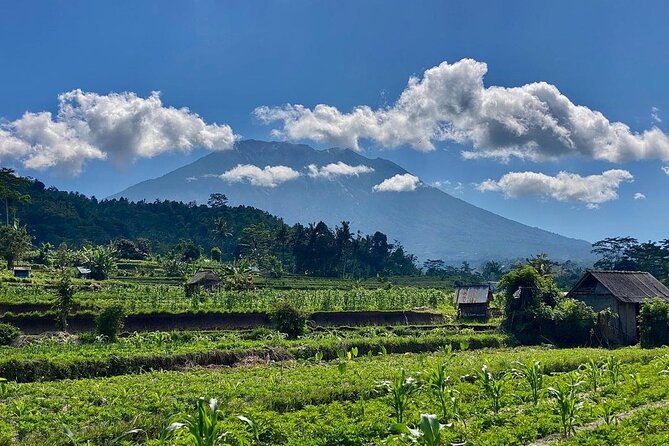
Sidemen looks quiet from a scooter ride. On foot, it feels like you’re watching Bali work in real time, with Mount Agung views and close-up rice terraces guiding the way.
I especially like how this walk turns everyday farm routes into a sightseeing plan, and how a guide such as Adidas or Adi helps you notice details you’d miss on your own.
I also love the small-scale feel: a group capped at 10, a route that follows irrigation paths and a hanging wooden bridge built for both people and motorbikes, plus plenty of photo stops. The one thing to consider is footing: some stretches can be narrow, elevated, and a bit slippery, so you’ll want real shoes and a steady sense of balance.
In This Review
- Key points before you go
- Sidemen on foot: why this trek feels real (and not staged)
- Where the trek starts: Pasar Sidemen and the Upa Boga meet-up
- The walking route: market streets to rice paddy terraces
- Rice fields and viewpoints: seeing terraces from a different angle
- The hanging wooden bridge: one of those moments you remember
- Temples and daily religion: where spirituality shows up naturally
- Your guide makes it click: Adidas, Adi, Darya, and more
- What to bring: the practical gear list that actually matters
- Finish point: Warung Ume Anyar, a smart place to unwind
- Getting home: transportation reality in Sidemen
- Price and value: $13.75 for a short, guided rural experience
- Weather and timing: plan for good conditions
- Who should book this trek (and who should skip it)
- Should you book Sidemen Trekking?
- FAQ
- How long is the Sidemen trekking experience?
- Where do I meet the guide?
- Where does the trek end?
- Is bottled water included?
- What should I bring?
- Does the tour include hotel pick-up and drop-off?
- Is the walk hard?
- Can I explore the market before the trek?
- What is the group size?
- What if weather is bad?
Key points before you go
- Small group size (max 10) keeps the walk personal
- Mount Agung panorama shows up in the right places, not just at the end
- Paths farmers actually use mean fewer “tourist shortcuts”
- Hanging wooden bridge is part of the route and a fun checkpoint
- Easy pace, tricky footing means bring sturdy shoes and take your time
- Finish at Warung Ume Anyar makes it easy to relax after
Sidemen on foot: why this trek feels real (and not staged)
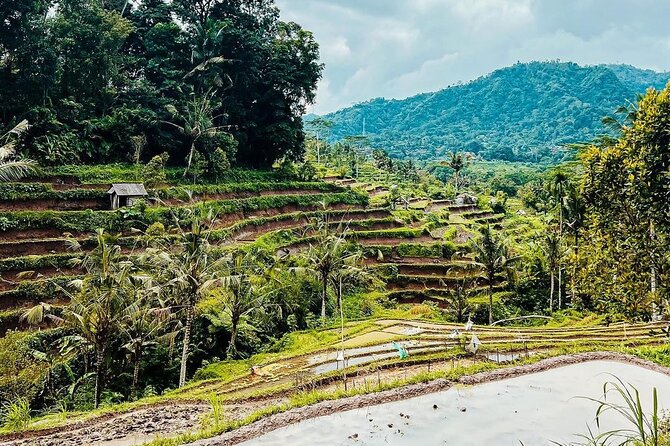
Sidemen is the kind of Bali you can’t fully understand from viewpoints alone. This walk puts you among the rice fields and village lanes, where you see how water moves through terraces and how local religious life is built into the daily rhythm.
What makes it work is the time length. At roughly 2 hours (often up to about 2.5), you get a meaningful route without committing a full half day. That’s great if you’re bouncing between temples and waterfalls and still want one genuinely rural experience.
And yes, the scenery is gorgeous, but the best part is the context. Your guide explains what you’re stepping through: rice growing, seasonal changes, and the everyday logic behind where people walk and farm.
You can also read our reviews of more walking tours in Ubud

Where the trek starts: Pasar Sidemen and the Upa Boga meet-up
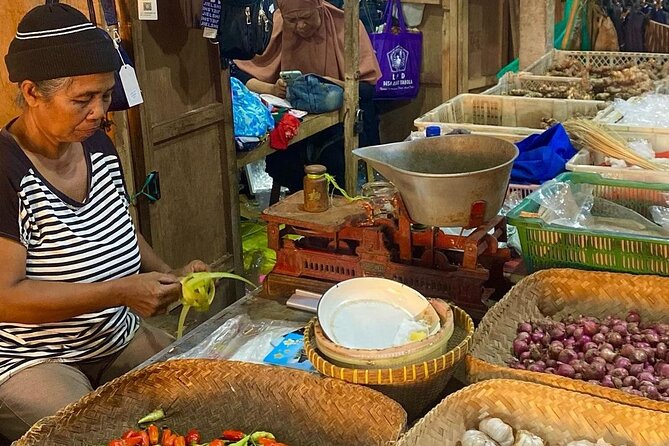
You’ll begin at Pasar Sidemen, the Sidemen Traditional Market. The meeting spot is very specific: go to the shop with the sign Upa Boga, where your guide will find you.
This start point matters. Markets are where people actually move through the area for supplies, food, and daily tasks. Starting here also sets expectations for the day: you’re not doing a long nature hike out in the wilderness—you’re stepping into village life, then following it into the rice terraces.
Tip that saves time: if you want to see the market before the trek, the market runs from 5:00 AM to 10:00 AM. Booking a morning session is the easiest way to fit that in without rushing.
The walking route: market streets to rice paddy terraces
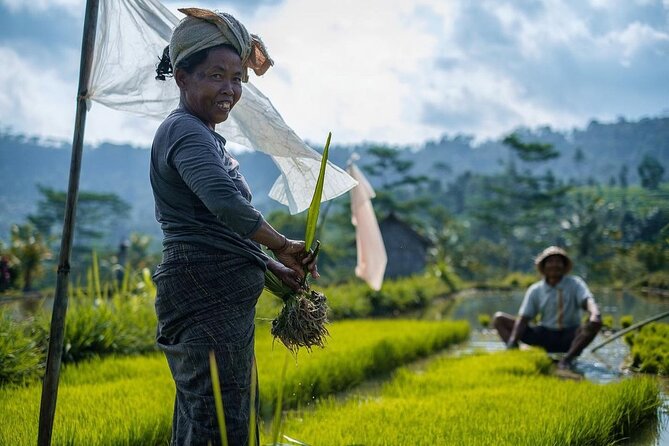
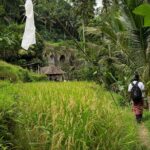
After the market, you’ll walk up into village streets and then transition into the rice paddies. The route includes up-and-down segments through local lanes, and then you follow irrigation lines where water feeds the terraces.
A big highlight is that it’s not a clean, tourist-ready path. You’ll be on farmer tracks, narrow edges, and sections where steps aren’t obvious. Reviews back this up with practical reminders: watch your step, slow down on narrow terrace sections, and expect a bit of uneven ground.
About distance and effort: the trek is described as not taxing, but “easy” here means manageable in pace, not “easy” in balance. You should have at least a moderate fitness level and be comfortable with short stretches that demand steadiness.
Rice fields and viewpoints: seeing terraces from a different angle
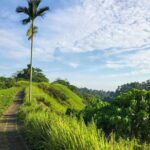
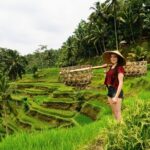
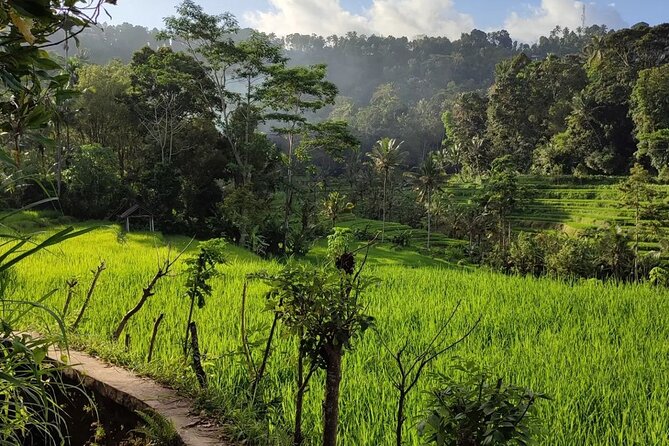
The rice terraces are the main event, and you’ll reach viewpoints where you can look across the fields. The big value isn’t only what you see; it’s how you see it.
From lower ground, the terraces can look like wallpaper. On this walk, you get a sense of scale and layout because the paths take you through the working space rather than just around it. That gives you a different “map” of Sidemen in your head by the time you finish.
Seasonal note (handy if your dates line up): in December, rice crops may have been harvested, and guides often explain what else is planted afterward. If you’re traveling at that time of year, ask your guide what’s growing right now and what comes next.
The hanging wooden bridge: one of those moments you remember

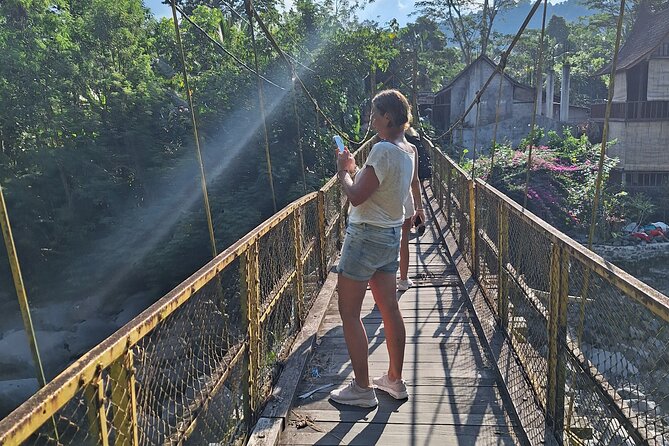
Midway through the trek, you’ll pass a hanging wooden bridge. It’s described as fit for motorbikes and humans, which tells you it’s not a fragile set-piece meant only for walkers. It’s a functional part of moving through the irrigation and village systems.
This is also one of those natural photo pauses that actually feels earned. You’re not standing around; you’re moving through the working landscape, then crossing something that locals use.
You can also read our reviews of more hiking tours in Ubud
Temples and daily religion: where spirituality shows up naturally
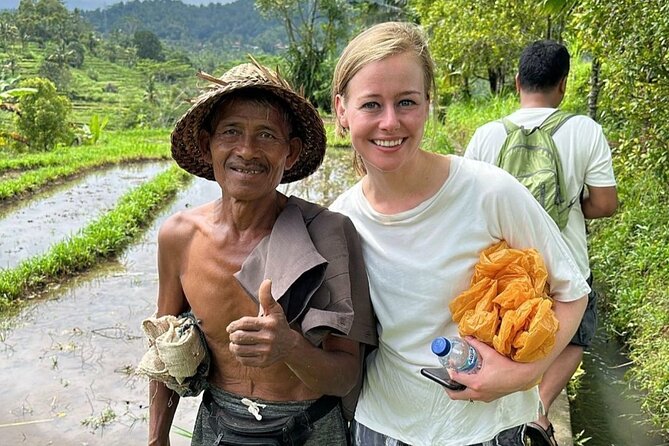
As you walk through the village and along the route, you’ll pass a temple used by local villagers for praying. This isn’t framed like a formal sightseeing stop where you’re rushed and herded. It’s part of the route, which makes it feel more grounded in everyday life.
If you enjoy learning how religion shapes daily actions, this is one of the quieter, more meaningful parts of the tour. Your guide usually ties this into the bigger story of how rice farming and local beliefs move together.
Your guide makes it click: Adidas, Adi, Darya, and more
This trek consistently shines because you’re not just following a route. You’re following a person who can explain what you’re seeing and why it matters.
Some guides you might meet include Adidas, Adi, and Darya. You might also hear praise for guides like Wayan, depending on the day. Across the board, the most repeated strengths are:
- Clear explanations about rice farming and local community life
- Easy conversation (not a lecture)
- Route knowledge, including the smaller paths that are hard to spot without help
If you want a more personal feel, the small group size (maximum 10) helps a lot. You can ask questions without shouting over a crowd.
What to bring: the practical gear list that actually matters
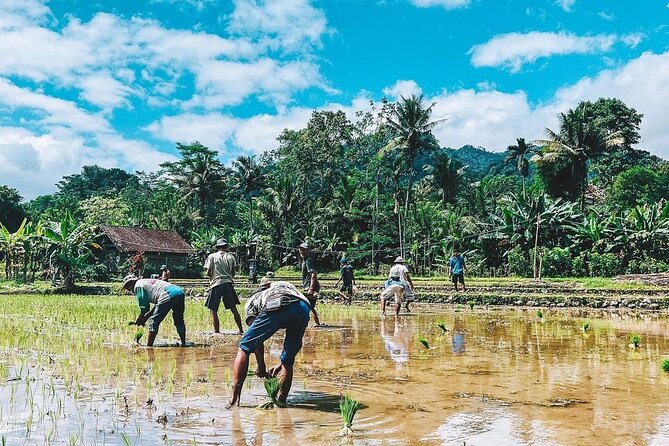
The tour asks you to bring a few items, and you should listen. This is a walk in sun, with uneven terrain, and rice fields that can be damp.
Bring:
- Sun hat
- Hiking boots or sturdy walking shoes
- Sunscreen
- Sunglasses
I’d add one mindset: treat your shoes as tools, not fashion. You might get a bit muddy, and a good grip matters more than looking clean.
Finish point: Warung Ume Anyar, a smart place to unwind
The trek ends at Warung Ume Anyar Restaurant, located in Ogang Village. This is a convenient choice because you don’t need to immediately find transport or sprint to a new plan.
It’s an easy way to turn the experience into a full morning: walk for a couple of hours, then grab a drink or meal right where the tour drops you.
Getting home: transportation reality in Sidemen
This tour does not include hotel pick-up and drop-off, so you’ll need to arrange your own ride. If you’re staying in Sidemen, plan ahead because Grab availability can be spotty, and some hotels may only allow drop-off, not pick-up.
Practical strategy:
- Arrange a driver to pick you up around 2–2.5 hours after the trek starts.
- If you already have a private driver, tell them the finish location is Warung Ume Anyar.
If you’re stuck and need a backup option, there’s also a walk-back alternative. It’s roughly 3 km, about 30–40 minutes along the main road.
Price and value: $13.75 for a short, guided rural experience
At about $13.75 per person, this trek is priced for access, not luxury. The value comes from three things you can’t replicate cheaply on your own: a guide who understands the routes and farming story, a group setup that keeps it simple, and a finish location that makes the day easy to end.
Bottled water is included, which is a small cost saver but also a comfort factor on a warm morning. What you’ll add yourself are tips (not included) and your transportation to the start point.
If you’re trying to get one rural, rice-focused experience without spending big, this is the kind of option that makes sense. Just remember the hidden cost isn’t money—it’s your time and attention for safe footing.
Weather and timing: plan for good conditions
The tour requires good weather. If it’s canceled due to poor weather, you’ll be offered a different date or a full refund.
For timing, the tour is roughly 2 to 2.5 hours. If you have another plan right after, build a little buffer so you’re not racing to catch a ride.
Who should book this trek (and who should skip it)
You’ll likely love this if you:
- Want rural Bali with rice terraces and irrigation paths, not just scenic stops
- Like learning from local guides and asking questions
- Prefer a short morning activity that doesn’t drain your day
- Are comfortable walking on narrow, uneven paths for a couple of hours
You might want to think twice if you:
- Have trouble with balance or narrow trails
- Don’t have proper shoes for uneven ground
- Expect a wide, simple trail like a public park hike
Should you book Sidemen Trekking?
Book it if you want a real Sidemen experience in a short window of time. The route follows places that make sense to locals, it includes a temple stop as part of the walk, and it ends in a relaxed setting at Warung Ume Anyar. For the price, you’re buying a guided lens on village life and rice farming that you won’t get from looking at terraces from far away.
Skip it only if you’re looking for a paved, low-footwork walk or if you’re unsteady on narrow paths. If you can handle that, bring sturdy shoes, wear sun protection, and let your guide’s explanations (whether it’s Adidas, Adi, Darya, or another local) steer you toward what to notice.
FAQ
How long is the Sidemen trekking experience?
It takes about 2 hours, with pickup after the trek often scheduled around 2 to 2.5 hours after the start.
Where do I meet the guide?
You meet at Pasar Sidemen (Sidemen Traditional Market), at the shop marked with the sign Upa Boga.
Where does the trek end?
The trek ends at Warung Ume Anyar Restaurant in Ogang Village.
Is bottled water included?
Yes. Bottled water is included.
What should I bring?
Bring a sun hat, hiking boots or walking shoes, sunscreen, and sunglasses.
Does the tour include hotel pick-up and drop-off?
No. Hotel pick-up and drop-off are not included, so you’ll need to arrange your own transport.
Is the walk hard?
It’s suitable for people with moderate physical fitness. The pace is not described as taxing, but some parts of the rice-field paths can be narrow and uneven, so balance and careful steps matter.
Can I explore the market before the trek?
Yes. Pasar Sidemen is open from 5:00 AM to 10:00 AM, and exploring before the trek is easiest with a morning session.
What is the group size?
This activity has a maximum of 10 travelers.
What if weather is bad?
The experience requires good weather. If it’s canceled due to poor weather, you’ll be offered a different date or a full refund.