REVIEW · KUTA
The best surf lessons in Kuta
Book on Viator →Operated by Bali Surf Class · Bookable on Viator
Kuta makes your first wave surprisingly doable. In two hours, you get a step-by-step surf lesson built around safety, quick beach practice, and real time on the water. It’s beginner-focused and runs as a true private lesson for your group.
What I like most is the way the instructors keep things practical and confidence-building. From Harman’s clear, calm coaching to Jerry’s detailed explanations and patience (even when you spend more time falling than standing at first), the vibe stays supportive. I also love that the lesson format is structured: theory first, then dry-land drills, then two separate paddling/wave sessions with a break in the middle.
The main thing to consider is that Kuta conditions can change with the weather. The provider notes beach conditions can be variable through the year, so you’ll want to be flexible if the sea looks rough on the day.
In This Review
- Key highlights you’ll feel quickly
- Kuta Surf Lessons for First-Timers: What You Really Do in 2 Hours
- Meeting on Jl. Pantai Kuta: Easy Start, Clear Where-To-Go
- The First 20 Minutes: Surf Safety and Theory That Actually Helps
- Beach Practical: A Few Minutes That Save You in the Water
- Round One in the Ocean: Paddling, Catching Waves, Standing (45 Minutes)
- Mid-Lesson Break: Water, Rest, and Less Rush (The Smart Reset)
- Round Two in the Ocean: Your Chances to Improve Fast (45 Minutes)
- Price and Value: Why $25 Works If You Want Real Learning
- Gear, Toilets, and What to Bring So You Don’t Lose Time
- Picking the Best Time: Tide and Weather Can Change the Experience
- Who This Is Best For (and When You Might Want to Adjust)
- Should You Book Bali Surf Class in Kuta?
- FAQ
- FAQ
- How long is the surf lesson?
- Is this lesson good for complete beginners?
- What’s included in the price?
- What happens during the 2 hours?
- Where do we meet for the lesson?
- Are there showers and toilets nearby?
- What if the weather is bad?
Key highlights you’ll feel quickly

- Private 2-hour lesson with your group, not a crowded scramble
- Surf safety + theory first, so you understand what you’re doing before you paddle
- Two ocean rounds (45 minutes each) separated by a break to reset
- Beginner-friendly setup with surfboards, rash vests, and bottled water provided
- Instructors who tailor the pace, with examples from first-timers through older beginners
- Extras after class like photos and videos sent via WhatsApp show up in many lessons
Kuta Surf Lessons for First-Timers: What You Really Do in 2 Hours
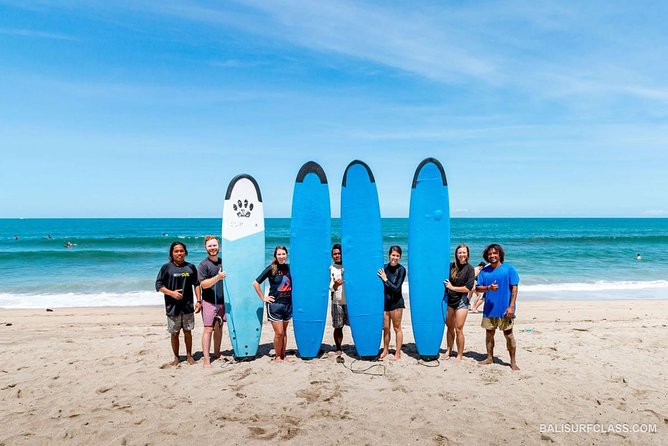
If you’ve ever stared at the surfers in Kuta and thought, I could never do that, this lesson format is built to knock that worry down fast. You’re not just handed a board and pointed at the ocean. You get a clear sequence: surf safety basics, a few beach drills, and then two sessions where you actually try to paddle, catch waves, and stand.
The biggest win here is that the time is focused. The lesson is about 2 hours total, with the ocean portion split into two blocks (about 45 minutes each). That matters because your body learns in cycles: practice, fatigue, a reset, then a better second attempt.
You’ll also get the small, important stuff that makes the whole thing easier to enjoy. The surf school provides the surfboard and rash vest, plus one 500ml bottle of water per person. It sounds basic, but on a hot beach, it changes your energy for the next wave attempt.
You can also read our reviews of more tours and experiences in Kuta



Meeting on Jl. Pantai Kuta: Easy Start, Clear Where-To-Go
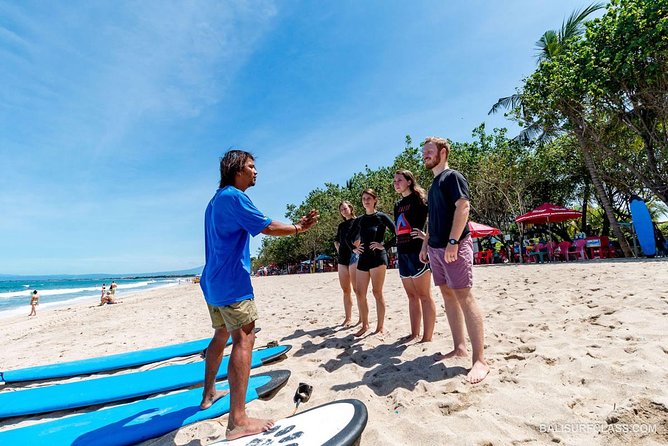
You meet at Bali Surf Class on the beach in front of ROSSO VIVO Italian Restaurant, on Jl. Pantai Kuta, Kuta. The lesson ends back at the meeting point, so you don’t have to figure out a separate pickup or a messy return.
This is the kind of location that works well if you’re already walking the Kuta beachfront. The listing also notes it’s near public transportation, so you’re not stuck arranging a special ride just to get to the surf school.
One more practical touch: you get a mobile ticket, and confirmation comes at booking. For a 2-hour activity, that’s helpful. You can keep your morning or afternoon schedule simple and not waste time on admin.
The First 20 Minutes: Surf Safety and Theory That Actually Helps
Before you get wet, you’ll spend around the first 20 minutes on surf safety and theory. This isn’t just rules for the sake of rules. It’s the stuff that keeps a first attempt from turning into panic.
Here’s what the structure tells you about how the lesson will feel:
- You’ll learn key safety points before you paddle out.
- You’ll get basic understanding of what to watch for when you’re waiting for waves.
- You’ll get guidance on how to behave in the water so you don’t accidentally interfere with others or put yourself in a bad situation.
If you’ve never surfed, this front-loaded safety chunk is what helps the instructor manage the pace. You’re less likely to feel lost, and you’re more likely to understand why they’re telling you to do something before you do it.
Beach Practical: A Few Minutes That Save You in the Water
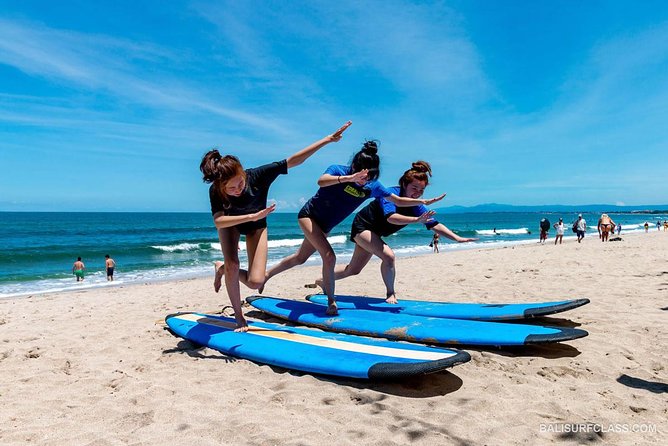
After theory, the lesson moves into beach practicals for a few minutes. This is where beginners often make the biggest leap, because it connects “what should I do” to “how do I do it.”
Even if you’re unsure at the start, these beach drills matter because they reduce the mental load once you’re in the ocean. Instead of figuring everything out while waves are hitting you, you’re rehearsing the basics right where you can stand up, breathe, and reset.
This part is also where you’ll likely feel the benefit of the private lesson setup. With personalized attention, the instructor can adjust your starting position and technique based on what you’re doing wrong in real time.
Round One in the Ocean: Paddling, Catching Waves, Standing (45 Minutes)
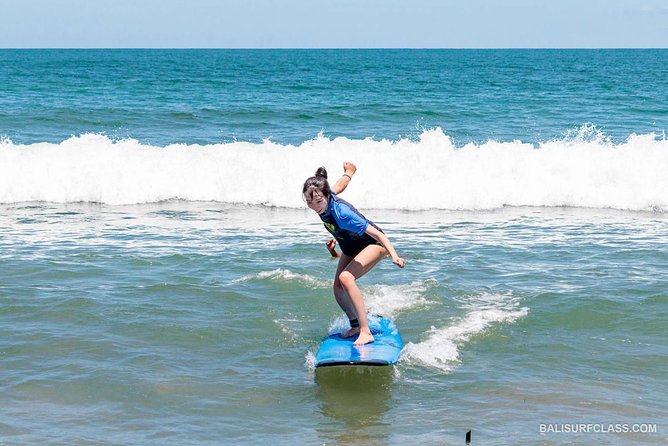
Then it’s straight into the water. Round one is about 45 minutes of paddling, wave attempts, and (hopefully) standing on your board.
Two things make this specific ocean format beginner-friendly:
- You’re not thrown into an endless loop of getting knocked down without feedback. The lesson is paced so you can learn and try again.
- The instructors stay right with you. Multiple lessons highlight instructors staying attentive the whole time, including examples of how they handle rougher conditions at certain tide moments.
One review mentioned they were there during high tide, so the water felt a bit rough, but they didn’t feel unsafe because the instructors matched the wave selection to experience level. That’s exactly the kind of guidance you need as a beginner: not just waves, but the right waves.
If you get tired early, that’s normal. The best outcome here is not perfection. It’s learning the mechanics well enough that your second attempt feels clearer.






Mid-Lesson Break: Water, Rest, and Less Rush (The Smart Reset)
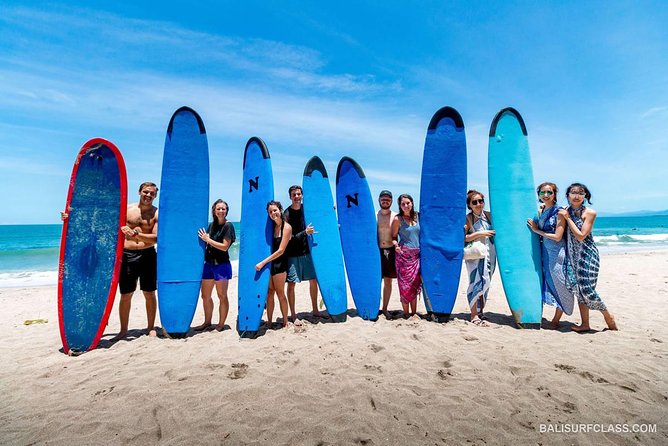
After round one, you head back to the beach for a quick break. The lesson includes time to drink water and rest a little before you go out again.
This break is more than “stand around.” It’s a reset for your arms, your core, and your nerves. Surfing can be surprisingly draining, especially the first time you paddle and then try to pop up on a moving board.
Also, the lesson provides a bottled water that supports this reset. For hot days, that small detail can be the difference between an okay second session and a great one.
Round Two in the Ocean: Your Chances to Improve Fast (45 Minutes)
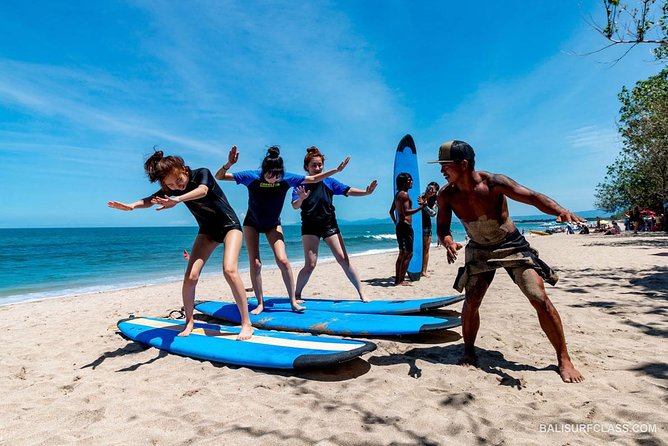
Once you’re ready, you go into the water for another 45 minutes. This is where most first-timers start to make sense of the whole process, because you’ve already learned what it feels like to paddle out and what to do when a wave comes.
Instructors often adjust during round two based on what you managed in round one. That’s why private or small-group attention matters. If you tried and failed on a certain approach, the instructor can redirect your effort before you burn out.
The lesson also aims to leave you with a level of confidence where you can keep practicing on your own afterward. You won’t be a pro, but you should be able to repeat the core steps without guessing.
Price and Value: Why $25 Works If You Want Real Learning
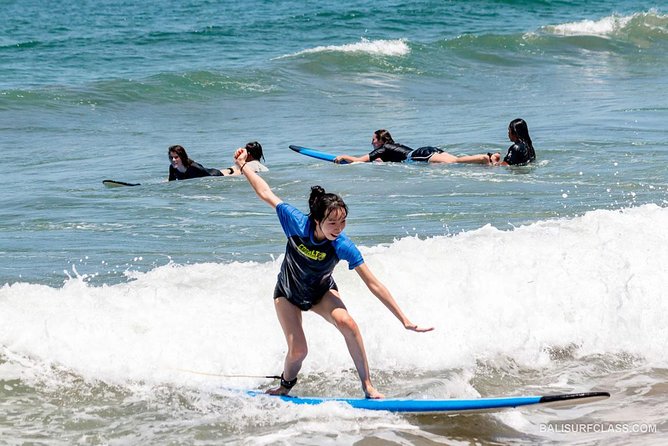
At $25 per person for about 2 hours, this can be strong value in a place like Bali where prices for surf activities vary a lot. Here’s why the math works for me:
- You’re getting a complete beginner setup, not just board rental.
- The lesson includes gear (board + rash vest) plus water.
- You get a structured timeline with safety, drills, and two ocean rounds.
- You’re not competing for attention in a massive crowd, because it’s a private lesson for your group.
Could you find cheaper surfing activities? Sure. But if your main goal is learning with guidance, the value isn’t just the dollar amount. It’s the amount of useful attempts you get with feedback.
Also, many lessons include photos and videos sent after via WhatsApp. That’s not the point of surfing, but it’s a nice memory and a good way to spot what you did right.
Gear, Toilets, and What to Bring So You Don’t Lose Time
You’ll be provided with:
- a surfboard
- a rash vest
- one 500ml bottle of water per person
Public showers and toilets are available on the beach, but they’re mentioned as an additional cost. So if you’re the type who likes to plan ahead, assume you might pay a small extra fee for shower access.
What you should bring:
- a smile (seriously, the instruction encourages it)
- and sensible beach essentials like sunscreen and a towel are smart, even though the lesson itself only lists gear and water
The provider also asks that you have a moderate physical fitness level. That doesn’t mean you need to be an athlete. It means you should be comfortable paddling and getting back up repeatedly.
One extra note: service animals are allowed, and it’s near public transportation. That helps if you’re organizing your day around simpler logistics.
Picking the Best Time: Tide and Weather Can Change the Experience
This surf lesson depends on sea conditions. The provider is upfront about it: weather can change beach conditions, and they do their best despite that being outside their control.
Here’s the practical takeaway: ask for timing advice when you book. The surf school specifically notes that choosing the right tide conditions can make the difference between an average and an excellent first surf experience.
You can also take comfort from the way they handle variation. One example described high tide making waves rougher, but instructors still guided the group on when and how to catch waves for their skill levels.
If you’re booking during a period when storms or choppy conditions are more likely, keep your schedule flexible. When the activity can’t run, they offer a different date or a full refund.
Who This Is Best For (and When You Might Want to Adjust)
This is ideal if:
- you’re a complete beginner
- you want personalized attention instead of being lost in a larger group
- you want enough instruction to progress quickly, not just have a fun try
It can also suit different ages and abilities within beginner level. There are examples of older beginners (including people in their 50s) managing to get up on the board with patient coaching.
You might want to adjust expectations if:
- you’re very sensitive to cold water or rough conditions at certain tides (even with guidance, the ocean is the ocean)
- you’re not comfortable with moderate physical activity like paddling for extended periods
Should You Book Bali Surf Class in Kuta?
I think you should book this if your goal is simple: learn to surf in a way that feels safe, structured, and encouraging. The lesson’s format—safety theory, beach drills, then two real ocean rounds with a break—gives you multiple chances to improve without feeling like the day drags on.
It’s also a good call if you care about how you’re taught. Names like Harman and Jerry show up in feedback for their clear instructions and patience, and other instructors are described as friendly and supportive with a group vibe.
Just keep one thing in mind: conditions can shift, and that’s not the school’s fault. If you can be flexible with your timing and meet the day with the right mindset, this is one of the better beginner surf values in Kuta.
FAQ
FAQ
How long is the surf lesson?
It’s about 2 hours total.
Is this lesson good for complete beginners?
Yes. It’s designed for people who are starting from zero, with surf safety theory, beach practice, and then two ocean sessions.
What’s included in the price?
You get a surfboard, a rash vest, and one 500ml bottle of water per person.
What happens during the 2 hours?
You’ll cover around 20 minutes of safety and theory, then do some beach practicals, and go into the water for about 45 minutes. After a break, you’ll return for another 45 minutes in the ocean and then head back to the meeting point.
Where do we meet for the lesson?
Meet at Bali Surf Class on the beach in front of ROSSO VIVO Italian Restaurant, Jl. Pantai Kuta, Kuta, Bali.
Are there showers and toilets nearby?
Public showers and toilets are available on the beach, but they’re listed as an additional cost.
What if the weather is bad?
This experience requires good weather. If it’s canceled due to poor weather, you’ll be offered a different date or a full refund.