REVIEW · UBUD
Transforming Plastic Waste A Hands On Recycling Experience
Book on Viator →Operated by r•Plastic · Bookable on Viator
Plastic waste becomes a product here.
In the recycling studio near Ubud, I love how you get real, hands-on time with Bali’s plastic problem and the machines turning it into useful materials. It is part education, part making, and all practical.
Two things I especially like: the guided walk-through of plastic types and recycling challenges, and then the chance to do the work yourself—sorting bottle caps and building recycled artwork. If you want to understand what recycling really means, this hits the spot.
One possible drawback: there is no lunch, so you’ll want to plan your meal before or after (water is provided for refills). Also, because it runs like a workshop, you should assume it’s best when the weather plays along.
In This Review
- Key highlights to know before you go
- A Recycling Studio in Bali, Not a Typical Ubud Stop
- The Real Problem: Plastic Types and Why Recycling Is Complicated
- Studio Tour + Machine Demos: From Waste Handling to Product Possibilities
- Hands-On Making: Sorting Bottle Caps and Creating Your Recycled Artwork
- The CNC Demo and What It Means for Real-World Recycling
- The Take-Home Keychain: A Souvenir With Actual Purpose
- Price and Time: What $15.06 Buys in 90 Minutes
- Who Should Book This Workshop (And Who Might Want Another Plan)
- Getting There: Meeting Point, Parking, and Timing That Works
- Should You Book r•Plastic in Bali?
- FAQ
- How long is the hands-on recycling experience?
- Where does the experience take place?
- What is included in the price?
- Is lunch included?
- What will I do during the workshop?
- Do I get to see the CNC machine?
- What souvenir do I take home?
- How big is the group?
- What happens if the weather is bad?
Key highlights to know before you go
- Hands-on bottle cap sorting by color and type, not just watching
- Recycled art you make yourself from plastic pieces from the studio
- CNC machine demo showing plastic cut into products like surfboard racks and furniture
- Small group size with a maximum of 20 people, which keeps the pace friendly
- Take-home souvenir: a handmade keychain made from Bali’s recycled plastic
- Top-up water available (bring your own bottle since they do not hand out single-use bottles)
A Recycling Studio in Bali, Not a Typical Ubud Stop
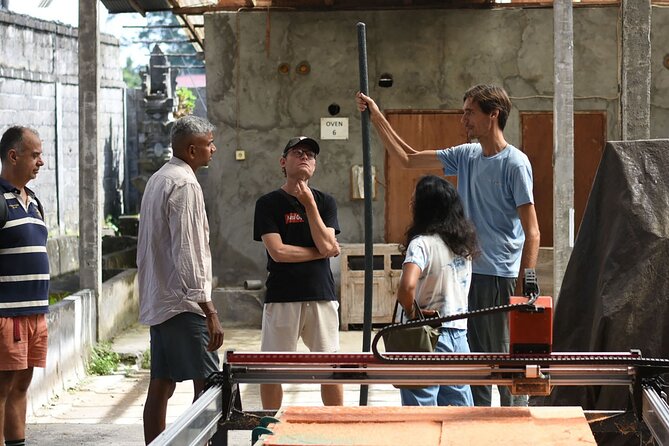
Most Ubud outings are about views, temples, or day trips. This one is different. You are stepping into a working recycling space where plastic waste gets processed into materials that can become products. That shift is the whole point.
I like that you are not stuck in a classroom lecture. You start with context, then move into studio demos, then get your hands working. You’ll also hear about Bali’s waste challenges and why recycling matters from Martijn Huizing and the team behind r•Plastic. The energy in their explanations comes from long experience in sustainability and product design.
And yes, it can feel oddly hopeful. Not because the problem is gone, but because you can see a real workflow that turns waste into something with a second life. In a place like Bali, where plastic is a daily reality, seeing the process in action makes the issue feel less abstract.
You can also read our reviews of more tours and experiences in Ubud.



The Real Problem: Plastic Types and Why Recycling Is Complicated
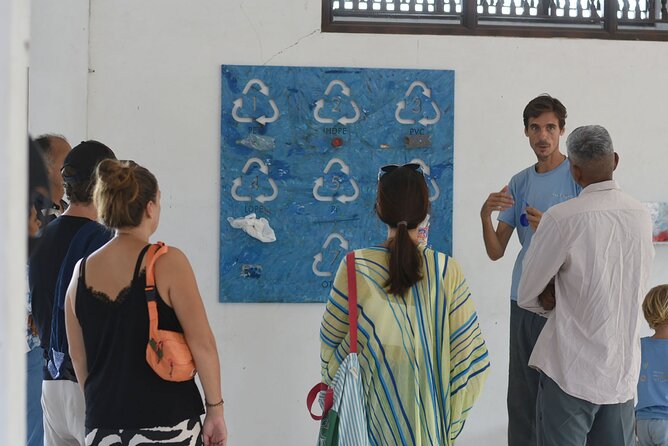
Before you touch anything, you get the story behind the workshop. You learn about plastic types and how Bali’s waste challenges connect to recycling limits. This matters because plastic is not one material. It behaves differently, breaks down differently, and needs different handling to become useful again.
You’ll also learn how bottle caps fit into the bigger picture. In this studio, caps are not treated like trash with no future. They are treated like raw material—something that can be sorted, processed, and turned into components for other objects.
If you’ve ever heard recycling advice that sounds simple, this is the antidote. The workshop shows you that sorting is not busywork. It is what keeps recycled plastic valuable instead of turning it into mixed material that is harder to reuse.
The best part is that you don’t just hear about the complexity—you practice the first step yourself later in the session. It is a small action, but it helps you understand why recycling systems are picky.
Studio Tour + Machine Demos: From Waste Handling to Product Possibilities
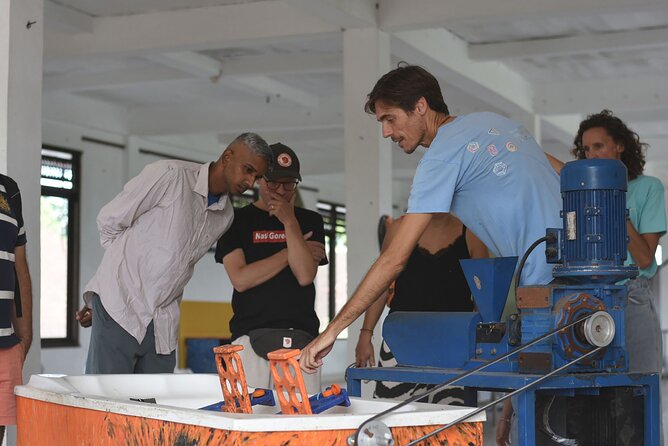
After the intro, you’ll get a studio tour and machine demonstrations. This is when the experience turns from explanation to observation.
You’ll see how the team recycles plastic using self-built machines. Even if you are not a technical person, it’s worth paying attention. You’ll notice that the studio is designed around a process: receiving plastic waste, sorting it, processing it, and shaping it into products.
Then comes a key moment: the CNC machine demonstration. CNC stands for computer numerical control, and it is basically a way to cut plastic with precision. In this workshop, you watch how plastic can be cut into items such as surfboard racks and furniture. Watching that happens fast in a workshop setting, but the takeaway is slow: the end goal is not recycled scraps. It’s practical objects made from recycled plastic.
I also like that there’s room for Q&A. You are not rushed to leave your questions behind. If you’re curious about how decentralized recycling can work, what plastic can and cannot be recycled, or why design choices matter, you’ll have a chance to ask.
Hands-On Making: Sorting Bottle Caps and Creating Your Recycled Artwork
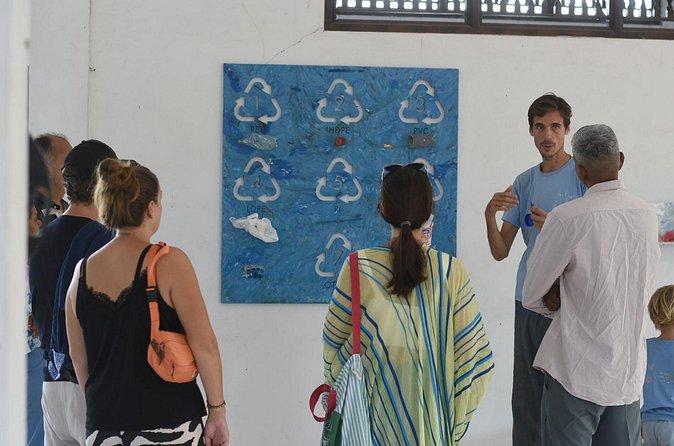
Now for the part that makes this worth the time: the hands-on activities.
First up is sorting plastic bottle caps by color and type. This is simple on paper, but it teaches a big lesson. Different plastic components behave differently once they are processed, and the studio needs fairly consistent inputs to make good outputs.
Then you’ll create your own artwork from recycled plastic. You’re not building a full product from scratch, but you are making something visual and personal out of the same material stream the studio uses for real items. That connection between your small creative project and the studio’s bigger product goals is what sticks with you.
This is also where the workshop can be fun even if you’re not into crafts. Sorting gives you a task. The artwork gives you a result. And because the group size is limited to 20, the activity feels guided rather than chaotic.
If you like learning through doing, this is the exact model you want: watch the process, try the first step, then make something that proves the materials can be used again.
The CNC Demo and What It Means for Real-World Recycling
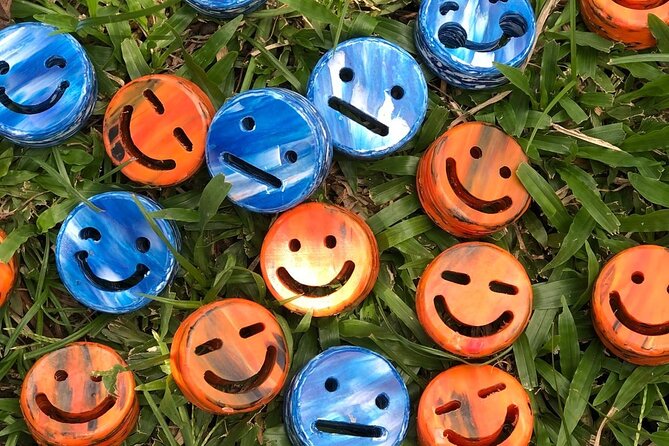
Seeing a CNC machine working on plastic is one of the most practical moments in the session. It takes the topic from environmental theory into product reality.
You’ll watch plastic get cut into items like surfboard racks and furniture. That matters because recycling only counts if it creates a useful outcome. If the process ended at sorting and re-melting, you might still wonder what happens next. Here, the workshop shows the link between waste and design.
The other takeaway is precision. CNC cutting implies repeatability and control. In other words, the studio isn’t relying on luck or messy trial-and-error. They’re trying to build reliable output from waste streams that are usually considered too inconsistent to be valuable.
This is where Martijn Huizing’s product design experience shows. You can feel the thinking behind the workflow: what materials can be made into what products, and what constraints the recycling process has.
So yes, it is a demo. But it’s also a lesson in systems: recycling is not just collecting trash. It’s managing inputs, machines, and design decisions to make reuse possible.



The Take-Home Keychain: A Souvenir With Actual Purpose
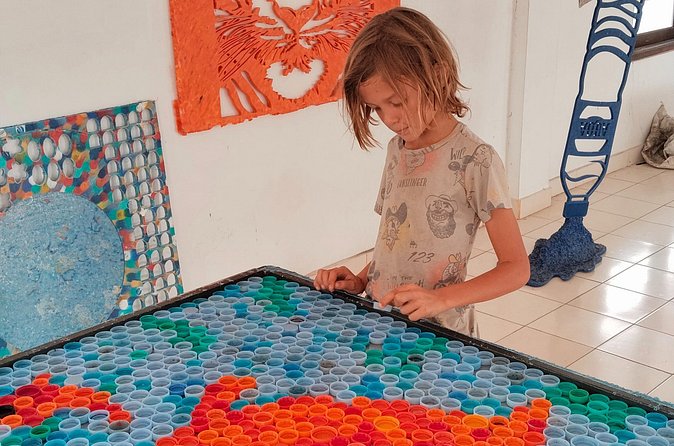
You’ll finish with a souvenir: a handmade keychain crafted from Bali’s recycled plastic.
This is a small item, but it’s not generic. It matches the workshop theme—second life for plastic waste—and it gives you something you can carry daily. That makes the experience stick longer than photos alone.
I also like that the keychain connects to the studio’s materials, not to a disposable gift stack. It’s a reminder of the specific process you saw: sorting, processing, and shaping plastic into usable objects.
If you’re traveling with kids, this is usually the moment they remember most. It’s tangible proof that the plastic pile became a finished thing.
Price and Time: What $15.06 Buys in 90 Minutes
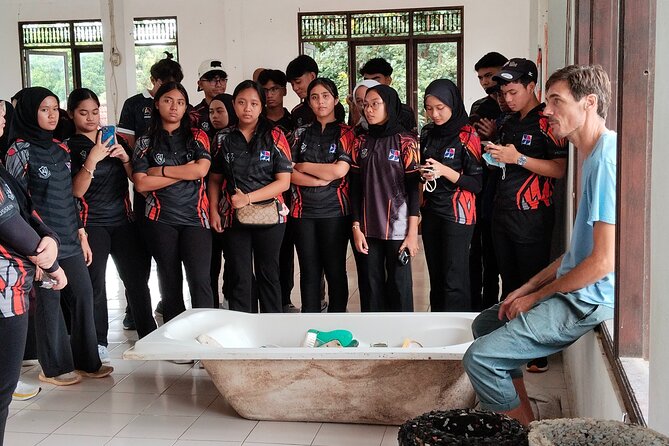
At $15.06 per person for about 1 hour 30 minutes, this workshop is priced like an activity, not like a museum tour. And in return, you get access to a working facility, machine demos, guided instruction, and a take-home keychain.
Value-wise, it’s strong because you get multiple types of payoff in one block of time:
- you learn the why (plastic types and local waste challenges)
- you see the how (self-built machines and CNC cutting)
- you do the work (sorting and making recycled artwork)
- you leave with a result (the keychain)
Also, water is included as a refill: you can top up your own bottle for free. They do not provide water bottles, since the studio avoids single-use plastic. That’s a small sustainability choice, but it reinforces the mission—and it means you should plan to bring a reusable bottle.
If you’re trying to balance a Bali itinerary between nature and culture, this is an unusual stop that adds depth without eating your whole day.
Who Should Book This Workshop (And Who Might Want Another Plan)
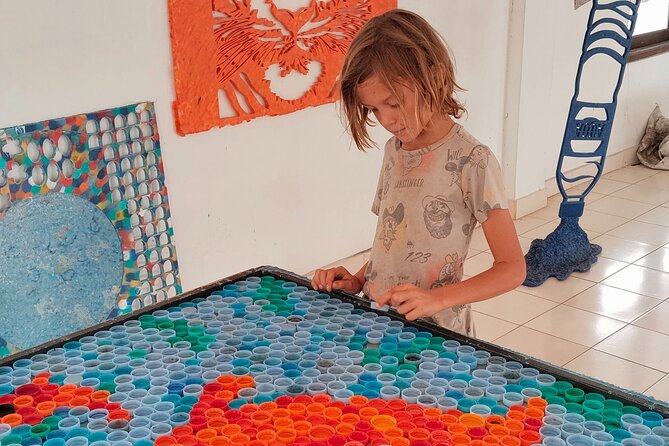
This is a great fit if you want hands-on learning, not passive sightseeing. It also works well for families and school-style groups. In fact, you’ll see that r•Plastic runs educational workshops for primary-aged students, where kids learn about plastic types and sorting in a practical way. A visit is often described as fun for both adults and children, and that makes sense: there are clear tasks and visible results.
You might especially enjoy it if:
- you’re interested in sustainability that goes beyond slogans
- you like maker-style activities and creative projects
- you want something different from typical Ubud tours
- you enjoy Q&A and learning how a process works
A possible mismatch: if you only want a relaxed walk-through with zero hands-on work, this is not that. You will sort caps and make artwork. You’ll leave more informed, but you’ll also be actively doing things.
Getting There: Meeting Point, Parking, and Timing That Works
The experience starts and ends back at the meeting point, which makes planning easier. Your start point is listed as F73J+CFR on Jl. Ir. Sutami in Kemenuh, Sukawati area (Gianyar). There is parking available, which is helpful if you’re using a car or driver for the day.
The ticket is mobile, and confirmation is received at the time of booking. The group size is capped at 20, so it should feel organized rather than crowded.
One more note: the workshop requires good weather. If weather conditions force a change, you’ll be offered a different date or a full refund. That is exactly the kind of practical policy you want for an outdoor-adjacent experience.
My practical suggestion: schedule this earlier in your trip window. If weather shifts, you want flexibility to move plans around.
Should You Book r•Plastic in Bali?
If you like real-world learning and you want to understand recycling as a process—not just a concept—then yes, book it. It is one of the rare Bali activities that gives you both education and a hands-on outcome, plus a take-home item that matches the mission.
Choose this workshop if you want:
- a small-group, guided studio experience near Ubud
- machine demos including CNC cutting
- a creative project made from recycled plastic
- a short commitment (about 90 minutes) that fits easily
Skip it only if you hate hands-on work or if you need a meal included. Since lunch is not part of the experience, plan food timing around it.
FAQ
How long is the hands-on recycling experience?
It lasts about 1 hour 30 minutes.
Where does the experience take place?
It takes place in the Kemenuh area near Ubud, with the meeting point listed at F73J+CFR, Jl. Ir. Sutami, Kemenuh, Kec. Sukawati, Kabupaten Gianyar, Bali 80582, Indonesia.
What is included in the price?
Bottled water is included, and you can top up your own water bottle for free. Parking is also available.
Is lunch included?
No. There is no lunch or other food included, but you can refill your water bottle.
What will I do during the workshop?
You’ll learn about plastics and Bali’s waste challenges, tour the studio and see machine demos, sort plastic bottle caps by color and type, create recycled artwork, and watch a CNC machine demo. There is also time for Q&A and a take-home souvenir.
Do I get to see the CNC machine?
Yes. The experience includes a CNC machine demo where you can watch plastic being cut into products such as surfboard racks and furniture.
What souvenir do I take home?
You take home a handmade keychain made from Bali’s recycled plastic.
How big is the group?
The maximum group size is 20 travelers.
What happens if the weather is bad?
The experience requires good weather. If it is canceled due to poor weather, you’ll be offered a different date or a full refund.