REVIEW · KUTA
Bali Scuba Diving at Nusa Penida Manta Point For Certified Diver
Book on Viator →Operated by Bali Diving · Bookable on Viator
Manta rays in open water beat any snorkel plan. This certified scuba program in Nusa Penida lets you target Manta Point plus Crystal Bay on a tight 3-stop schedule, with lunch onboard and small-group handling. I also like that the operator talks honestly about conditions, including a roughly 75% manta probability and the need for solid recent certification.
My favorite part is the practical setup: you’re not stuck figuring out rental gear or reef-taxa paperwork. You get equipment included, plus lunch and mineral water, and guides who keep briefings clear and feel hands-on—people even call out guides like Ketut and Dul for being attentive and well prepared.
The main thing to consider is that Nusa Penida weather and currents can change your day. You might face stronger water at times, and you can’t treat manta sightings as guaranteed—this is nature, not a theme park.
In This Review
- Key Highlights You’ll Actually Feel on the Day
- Why Nusa Penida Manta Point Works Better Than Snorkeling
- The Full 3-Stop Underwater Plan: Manta Point, Crystal Bay, and the Third Site Swap
- Stop 1: Manta Point (your manta target)
- Stop 2: Crystal Bay (variety, coral, and more wildlife)
- Stop 3: Toyapakeh, SD Point, or Mangrove (conditions decide)
- Timing, Pickup, and the Real Meaning of an 8-Hour Day
- Gear, Transfers, and What You Still Need to Pack
- Certification Rules and the 10 Logged Dives Requirement
- Manta Odds, Currents, and How to Stay Relaxed Under Changing Conditions
- Price and Value: What $180 Buys You (and What It Doesn’t)
- Reviews That Point to the Best Parts of the Day
- Who Should Book This Scuba Program at Nusa Penida Manta Point
- Should You Book It?
- FAQ
- FAQ
- What underwater locations are included in this 3-session plan?
- Is this experience for certified divers only?
- What’s included in the price?
- What should I bring since it’s not included?
- Do they guarantee manta rays at Manta Point?
- How long is the experience and what time does it start?
- Is there a vegetarian or vegan meal option?
Key Highlights You’ll Actually Feel on the Day
- 3 underwater sessions planned across Manta Point, Crystal Bay, and a third site based on conditions
- Manta Point focus with about a 75% chance of mantas, depending on sea state
- All equipment included, so you can travel lighter
- Lunch + mineral water onboard, plus ice cream/tea/coffee at the office
- Small group size (max 8), which usually means less chaos during tank checks and briefings
- Experienced guides with strong feedback in reviews, including Ketut and Dul
Why Nusa Penida Manta Point Works Better Than Snorkeling
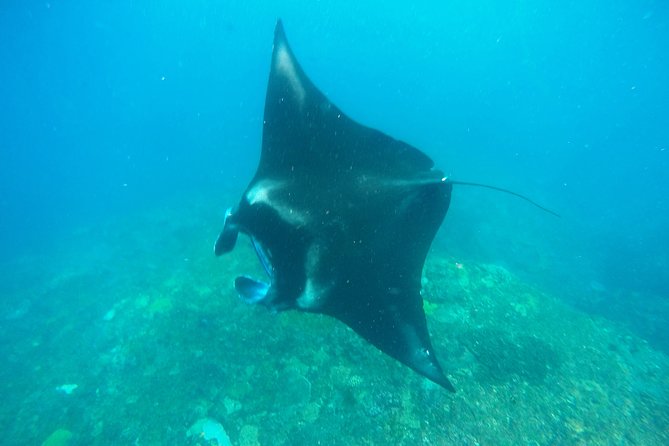
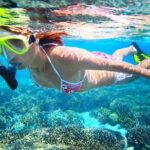
If you’ve only snorkeled around Bali, you already know the trade-off: surface time can be quick, and you often miss the action happening a bit lower. On this trip, you’re set up for full scuba sessions with the structure to hit top sites, not just float around and hope.
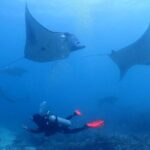
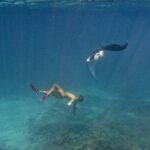
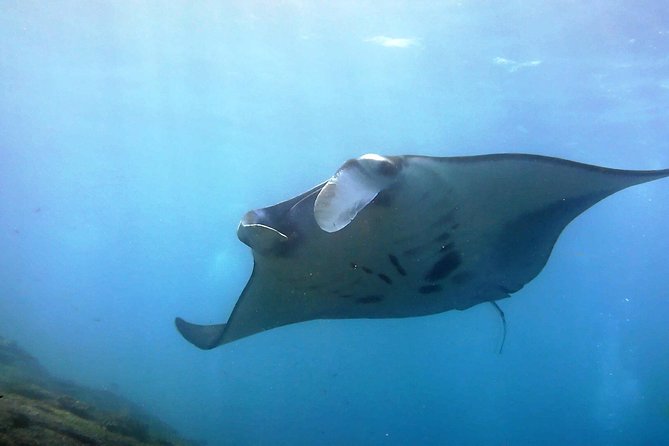
The big draw is that Manta Point is built around manta behavior in the water column. When the conditions line up, you get that slow glide-through feeling people dream about. Reviews back that up with calls for “big mantas” and that majestic, big-animal presence.
I also appreciate the honesty. The operator can’t promise mantas every time, because currents and visibility shift. But they do give you a real, stated probability (about 75%) rather than empty marketing.
You can also read our reviews of more scuba diving tours in Kuta
The Full 3-Stop Underwater Plan: Manta Point, Crystal Bay, and the Third Site Swap
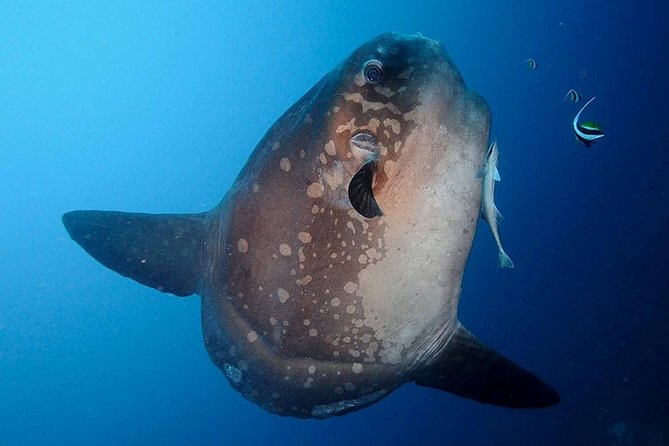
This is a structured 3-stop itinerary, designed to maximize your time on the water without bouncing you to a dozen random locations.
Stop 1: Manta Point (your manta target)
This is the session most people book for. When conditions cooperate, you’re in the right place for manta rays to pass through. The feedback is strong here: people describe mantas appearing during the first stop and the overall experience feeling special and high-impact.
Real talk: the same factors that bring mantas also control comfort. If water is moving, you’ll need to follow the guide closely and stay calm. One review notes current felt too strong for their liking, so this is not a “float and drift” guarantee.
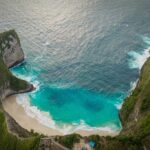
Stop 2: Crystal Bay (variety, coral, and more wildlife)
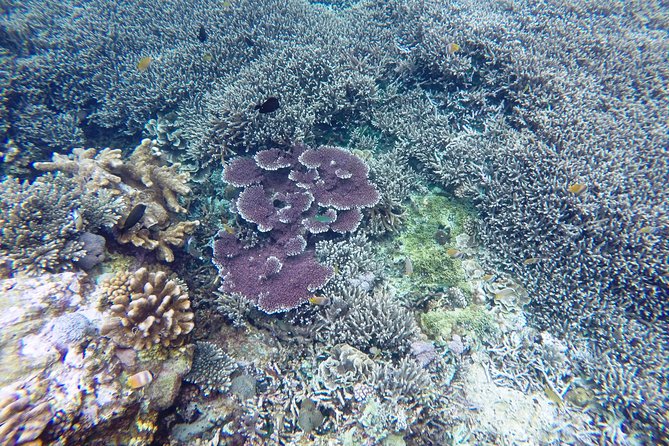
Crystal Bay is your second major site. Reviews mention a great variety of creatures and beautiful coral, and at least one person specifically reports seeing a mola mola. Even if you don’t see a mola, the point of the second stop is to keep the day interesting rather than putting all your hopes on one animal.
This is also where the day’s momentum matters. By stop two, you’ll know if your buoyancy is feeling smooth and if your body is adapting to the site conditions. Good briefing and a steady pace here can make the difference between tiring and truly enjoying the swim.
Stop 3: Toyapakeh, SD Point, or Mangrove (conditions decide)
The third location depends on the day: Toyapakeh / SD Point / Mangrove. That flexibility is smart in Nusa Penida, where conditions can shift quickly.
What does it mean for you? It means you’re less likely to get stuck with a single “plan A only” approach. The trade-off is you can’t read a perfect script about exactly what you’ll see on that last stop—because the sea gets a vote.
If you’re coming with a mindset of adaptability—great. If you need certainty down to the last centimeter, you might find the conditional third site frustrating.


Timing, Pickup, and the Real Meaning of an 8-Hour Day
The day starts early. The scheduled start time is 7:00am, and the full experience runs about 8 hours. That timing matters in Bali traffic and for the boat schedule over to Nusa Penida.
You may get round-trip hotel pickup and drop-off from select areas including Kuta, Sanur, Legian, Seminyak, and Nusa Dua. If you’re not picked up, there’s a clear meeting point in Sanur at the Bali Diving address on Jl. Bypass Ngurah Rai No. 46E.
Also, remember: you’re taking a speedboat out to Nusa Penida. One review warns to take sea sickness seriously. If you’re even slightly prone to nausea, it’s worth planning for it before you step on board.
My suggestion: bring what you use for motion sickness and don’t wait until you feel sick. The earlier you act, the calmer the day stays.
Gear, Transfers, and What You Still Need to Pack
One reason this trip feels like good value is that it handles the annoying parts.
Included essentials:
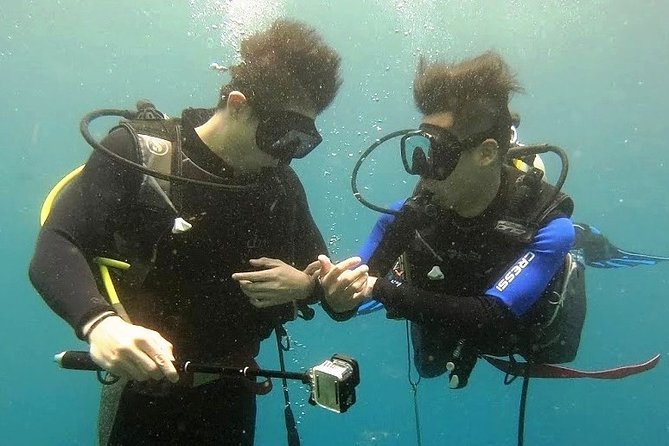
- Free use of all diving equipment rental
- Lunch and mineral water onboard
- Environmental Management Charge (Reef Tax) included
- Experienced underwater guide
- Diving insurance
- 3 sessions from a speedboat
- Ice cream or tea or coffee at the office
Not included:
- Towel and sunscreen
If you’re a carry-on-only traveler, this is a big plus. You don’t have to pack a bag of gear just to show up. You still want your own basics though, because sunscreen and towels are the kind of small thing that can derail comfort fast.
What to bring for a smoother day:
- A towel (explicitly not included)
- Sunscreen (explicitly not included)
- A change of clothes for after the boat ride
- Your certification paperwork (see below)
- If you’re sensitive to motion, plan for that too
Certification Rules and the 10 Logged Dives Requirement
This is explicitly for certified divers with recent experience. You’ll need to show evidence of certification, and you’ll complete a health questionnaire before you go in the water.
The big rule that stands out: Nusa Penida conditions require a minimum of 10 logged dives with recent diving in the past 6 months. That’s not a random bureaucratic hoop. It’s a safety filter based on local conditions.
There are also basic constraints:
- Minimum age is 14 years
- Travelers should have moderate physical fitness
- Pre-existing conditions (like asthma or heart conditions) may prevent diving—check with your doctor
- Scuba within 24 hours of flying is not recommended
If you meet these requirements, you’ll get more out of the experience because the operator can focus on the plan, not on coaching you through basics.
If you don’t meet the 10 logged dives plus recent rule, I’d treat that as a sign to book a different Bali option with an easier setup—otherwise the day may not work out.
Manta Odds, Currents, and How to Stay Relaxed Under Changing Conditions
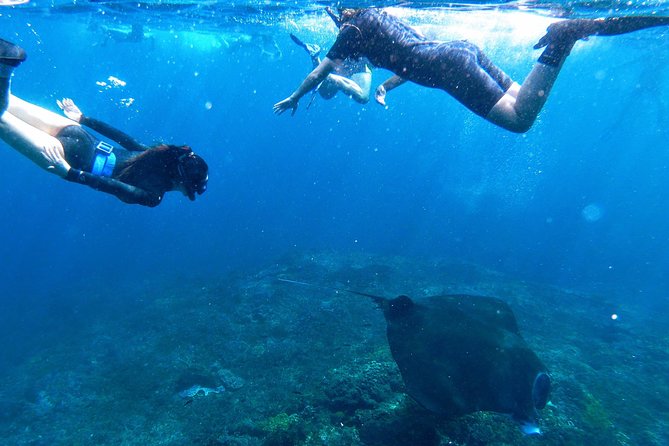
The operator gives you a practical manta expectation: mantas are possible, with about 75% probability, but not guaranteed. That’s the right tone. It prepares you emotionally and helps you enjoy the day even if the mantas are quieter than usual.
Currents are the other reality. A second review notes the sessions were easy drift-style, but another person mentions current felt strong and made them focus on staying safe rather than sightseeing. That contrast tells you the site experience can vary even within the same overall plan.
How you protect your day:
- Keep your breathing steady and follow the guide’s timing
- Don’t fight your buoyancy—get it stable early
- Treat “stronger current” as normal conditions, not an emergency
If you go in expecting the sea to influence the day, you’ll likely end up happier.
Price and Value: What $180 Buys You (and What It Doesn’t)
At $180 per person, this isn’t a budget snorkel add-on. But when you break it down, it looks like a fair price for a focused day with multiple major sites.
What you’re paying for:
- 3 organized underwater sessions from a speedboat
- All equipment rental included
- Lunch and mineral water
- Reef tax (Environmental Management Charge)
- Diving insurance
- Hotel pickup/drop-off from multiple Bali areas
- Small-group cap (max 8)
What you’re not paying for:
- Towel and sunscreen
The value logic is simple: if you priced out boat transport, gear rental, and the guide service separately, $180 becomes more reasonable. This also helps if you’re traveling light and don’t want to hunt down rentals or separate transfers.
One extra “value” detail: the tour includes ice cream or tea or coffee at the office, which is small, but it reinforces that this isn’t a bare-minimum operation.
Reviews That Point to the Best Parts of the Day
The strongest praise clusters around four themes.
First is the manta experience at Manta Point. People talk about big mantas and the feeling of a must-do, not a casual outing.
Second is guide quality and care. Names like Ketut and Dul show up in positive feedback for attentiveness, clear briefings, and well-managed sessions. In scuba, that matters more than people think—good guidance reduces stress fast.
Third is overall comfort logistics: lunch, water, and functional gear. People also highlight that the boat crew and staff were helpful.
Fourth is wildlife variety. Beyond mantas, at least one review mentions mola mola and beautiful coral. That’s a strong sign the itinerary isn’t just chasing one headline species.
Who Should Book This Scuba Program at Nusa Penida Manta Point
This is a strong fit if:
- You’re a certified diver with at least 10 logged dives and recent experience
- You want a targeted day hitting top sites rather than scattered stops
- You’re okay with changing conditions and understand mantas aren’t guaranteed
- You prefer a smaller group and structured guidance
You might want to skip it if:
- You don’t meet the logged-dive / recent requirement
- You struggle with motion sickness and haven’t planned for the speedboat ride
- You need guaranteed “easy going” water conditions on every stop
Should You Book It?
Yes, if you’re a qualified diver looking for a focused, high-probability manta day. The combo of Manta Point + Crystal Bay + a flexible third site, plus all gear included, plus lunch onboard is exactly the kind of package that saves time and reduces travel friction.
Hold off or choose a different option if you’re not comfortable with currents or your certification experience doesn’t match the operator’s stated minimum. This trip is built for people who can handle Nusa Penida’s real conditions.
FAQ
FAQ
What underwater locations are included in this 3-session plan?
You’ll do three sessions. The first is at Manta Point. The second is at Crystal Bay. The third is Toyapakeh, SD Point, or Mangrove depending on day conditions.
Is this experience for certified divers only?
Yes. Evidence of dive certification is required, and the program is for certified divers with recent experience. You also need a minimum of 10 logged dives with recent diving in the past 6 months.
What’s included in the price?
The price includes hotel pickup and drop-off from select areas, the environmental management charge (reef tax), free equipment rental, a guide, lunch and mineral water, diving insurance, and three sessions by speedboat. Ice cream or tea or coffee is available at the office.
What should I bring since it’s not included?
You should bring a towel and sunscreen. The recommendation is also to pack a change of clothes.
Do they guarantee manta rays at Manta Point?
No. Manta sightings cannot be guaranteed due to natural conditions. The probability is listed as 75%.
How long is the experience and what time does it start?
It’s about 8 hours and starts at 7:00am.
Is there a vegetarian or vegan meal option?
Yes. Vegan and vegetarian options are available if you advise at the time of booking.