REVIEW · KUTA
Scuba Diving Gili Tepekong & Mimpang 2 dives for certified divers
Book on Viator →Operated by Zero Gravity Diving · Bookable on Viator
Few places in Bali pair scenery and serious ocean conditions. This outing runs two certified diver sites at Gili Tepekong and Gili Mimpang, where you might see whitetip reef sharks in tunnels, turtles cruising over reef, and deep-water chances at mola mola. I like the shop’s high-touch organization and the way they keep things safety-focused with a tight guide-to-diver ratio, but you should know the currents here can be tricky, so it’s not a casual day.
You’ll start early (hotel pickup around 7:30 AM) and spend most of the day traveling from the Sanur area to Padangbai, then crossing by traditional jukung boat. One possible drawback: the sites are recommended only for experienced divers because of strong currents, and you’ll need to complete a PADI medical form before you’re allowed in the water.
In This Review
- Why These Gili Sites Feel Worth the Long Day from Kuta
- The Route: Sanur to Padangbai, Then Jukung Boat Time
- What Happens Underwater at Gili Mimpang and Gili Tepekong
- Currents and Experience Level: The One Thing You Must Take Seriously
- A Guide-to-Diver Ratio That Actually Matters
- Equipment, Comfort Stops, and the Little Things That Save Your Day
- Price and Value: $173 for Two Certified Sessions
- What to Bring and How to Prepare (Without Guesswork)
- Small Details That Indicate a Well-Run Operation
- Who This Works Best For
- Should You Book Gili Tepekong and Mimpang?
- FAQ
- How long is this experience?
- Do you pick up from hotels in Bali?
- How do you get to the dive sites from Bali?
- What’s included in the $173 price?
- Is there a medical requirement before scuba?
- Are these sites suitable for beginners?
Why These Gili Sites Feel Worth the Long Day from Kuta
If you like your Bali underwater time with a “checklist” vibe—big animals, structure, and active conditions—these two spots deliver. Gili Tepekong and Gili Mimpang are known for dramatic underwater terrain like tunnels and caverns, plus schooling fish around coral structures such as Tepekong Pinnacle.
I also love that the plan isn’t vague. It tells you what you’re likely to encounter (whitetip reef sharks, turtles, mola mola chances, and lots of reef schooling life), and it doesn’t hide the reality that this is an experienced-diver kind of trip. You’re trading convenience for quality and, honestly, that’s often the deal with the best underwater areas around Bali.
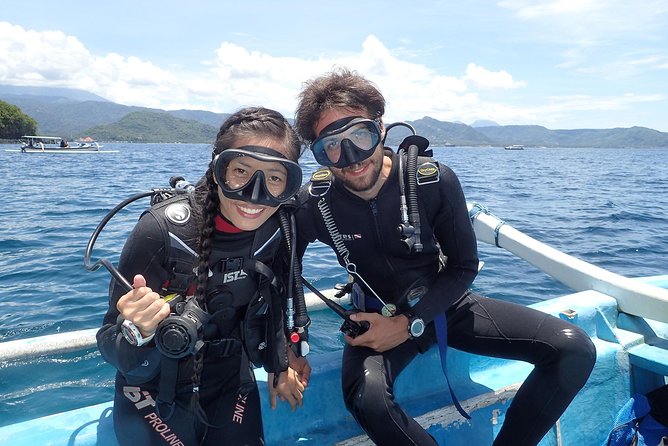
Finally, the group size makes a difference here. The format is one dive leader for max 4 certified divers, and the whole activity caps at 18 travelers, so you’re less likely to feel like a number.
The Route: Sanur to Padangbai, Then Jukung Boat Time
This day is built around getting you to the right water, not just filling hours at a local beach. First, you’ll ride by air-conditioned vehicle with WiFi from the pickup area toward Padang Bai Fishing Village. Travel time is listed as about 1 hour by minivan from Sanur, then around 30 minutes by traditional Indonesian jukung boat.
That boat ride is part of the experience. It’s usually when people finally get into “okay, we’re going” mode, and it also helps you understand why the schedule matters: once you’re out there, conditions and timing drive the whole day.
The tour timing is also clear. It starts around 7:30 AM from your hotel and typically finishes around 4:00 PM. So you’re planning a full day, not an easy morning add-on.
You can also read our reviews of more scuba diving tours in Kuta
What Happens Underwater at Gili Mimpang and Gili Tepekong
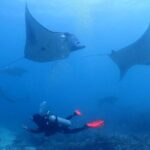
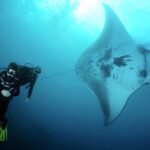
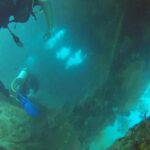
The promise here is structure plus big-life potential. On these two outings, you’re looking at underwater features like tunnels and caverns, with the added thrill (when conditions line up) of whitetip reef sharks passing through. You’ll also be tracking turtles and schools of reef fish such as oriental sweetlips and snappers.
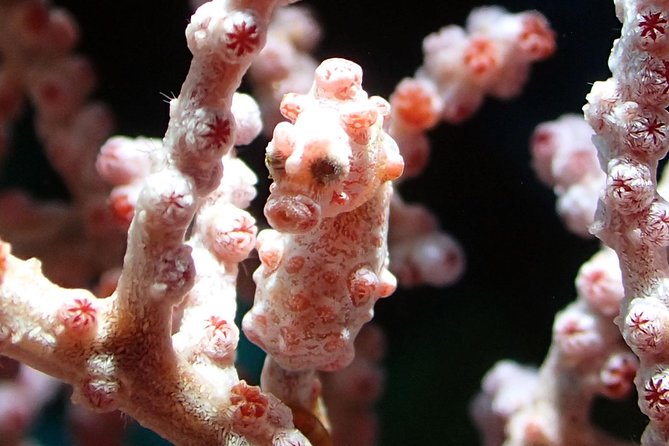
Gili Tepekong is singled out for its coral-life payoff. Around Tepekong Pinnacle, you can expect reef covered by schooling fish, and there’s a chance of seeing tiny pygmy seahorses. The listing frames these as small, special moments—so if you like slowing down to find the less-obvious stuff, this is where that mindset helps.
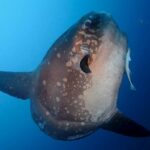
Deeper-water surprises are part of the pitch too. The itinerary notes mola mola chances in deep water. Real talk: deep-water sightings depend heavily on the day’s conditions and how the team reads currents. But the fact that they include it as a target tells you the sites are chosen for more than just pretty coral.
Currents and Experience Level: The One Thing You Must Take Seriously
This is the clearest “consideration” in the whole experience. The sites are described as highly recommended only for experienced divers because the current can be strong and tricky.
What that means for you: don’t treat this as a test of courage. If you’re not confident with drifting, staying close to your plan, and managing buoyancy in moving water, you’ll feel stressed. And stress is the last thing you want on a long day with two separate underwater sessions.
If you are properly trained for current conditions, you’ll likely enjoy the challenge. The payoff is that these sites can feel more alive than calmer reefs—more fish movement, more structure action, and better odds for the animal sightings people come for.
A Guide-to-Diver Ratio That Actually Matters
A lot of Bali operators say safety-friendly things. This one gives you an actual ratio: one leader for max 4 certified divers. That’s a meaningful difference when currents are a factor.
Smaller groups mean you get closer attention and clearer guidance, especially at the start of each underwater session when everyone is settling buoyancy, practicing direction control, and lining up as a team. It also makes it easier to point out the small stuff—the pygmy seahorse chances, the subtle life near reef edges, and the “wait, look right there” moments.
And the leadership style seems to be a core strength. In one account, the guide named Branko stood out for showing not only the big animals but also the small details, including an explanation about an eel’s life cycle—born without sex, shifting to female at one stage, then male later. Even if you don’t catch that exact behavior, the takeaway is clear: this team is paying attention to what’s going on, not just chasing sightings.
Equipment, Comfort Stops, and the Little Things That Save Your Day
You’re covered for a lot of the practical stuff. The price includes use of scuba equipment, lunch, bottled water, and even shower and towel after the water time. That matters more than it sounds, especially if you’re staying in Kuta-area hotels where you might not want to spend the afternoon dry-camping in damp gear.
The transport is also part of comfort. You get an air-conditioned vehicle with WiFi, which is a small win when the day starts early. If you’re the kind of person who likes to review your plan, upload photos, or just kill time without baking in heat, these are the kind of details that keep the day from feeling like a chore.
Then there’s communication. One account praises the shop for sending lots of practical info before arrival, even down to items like flashlight and pricing for possible add-ons such as a night water session. You may not need all that, but I love it when an operator takes friction out of the process.




Price and Value: $173 for Two Certified Sessions
At $173 per person, this isn’t the cheapest scuba outing in Bali—but it’s not positioned as a budget deal either. The value comes from a few specific things that cost money to do well: two sessions, small group leadership, and inclusion of equipment and lunch.
Here’s how I’d think about it for your trip planning:
- You’re paying for quality sites chosen for structure and animal potential (including deep-water targets).
- You’re paying for experienced-diver conditions handled with a tight guide ratio.
- You’re not paying extra for the basics: equipment, water, and meals are included.
If you’re a certified diver who wants meaningful underwater time—rather than a basic introduction—this price starts to look fair. If you’re still early in certification, though, you should consider a try option instead, since these currents can be unforgiving.
What to Bring and How to Prepare (Without Guesswork)
The data here doesn’t list a specific gear checklist, but you can still prepare smartly. Since this is a full day starting around 7:30 AM, plan around an early wake-up and bring a swimsuit and spare clothes you’ll actually want to wear after the boat day.
Because there’s a PADI medical form requirement, you should treat that as step one. You’ll be asked to fill out the form, and if you answer yes to any questions, the form requires a doctor approval signature prior to scuba participation. That’s non-negotiable, so don’t assume you can wing it at check-in.
Also, because currents are part of the deal, you’ll get the best experience when you go in calm and ready—well-rested, within your comfort limits, and aligned with your leader’s instructions.
Small Details That Indicate a Well-Run Operation
Even with only a few direct accounts, a pattern shows up: organization and safety matter here. One person specifically highlighted super organized planning, maintained equipment, experienced guides, personalized service, and impeccable safety.
That last piece isn’t fluff in this case. When you’re dealing with strong currents and underwater structure, “nice to have” safety becomes the whole point. Well-maintained gear reduces stress. Experienced guidance reduces mistakes. Personalized service helps you feel like you’re in the right hands—especially when the day starts early and includes a boat crossing.
Who This Works Best For
This outing is built for certified divers who can handle current conditions. It’s a great fit if you:
- want two structured underwater sessions in known high-potential areas,
- prefer small-group attention rather than big roaming packs,
- enjoy both big-animal chances and the smaller critter hunt (like pygmy seahorses),
- are comfortable making a full-day plan that starts early and ends mid-afternoon.
If you’re not comfortable with strong currents, or if you’re still developing confidence, you’ll likely have a better experience choosing a different, more gradual format.
Should You Book Gili Tepekong and Mimpang?
Book this if you’re a certified diver looking for a serious day at sites chosen for tunnels, caverns, schooling reef life, and the chance at bigger pelagic visitors. The small one-leader-to-max-4 format, included equipment, lunch, and shower towel setup add real value for the price.
Skip it (or choose a different style) if currents make you uneasy, if your medical paperwork isn’t ready for the required PADI form, or if you only want an easy, low-stress coastal reef day.
And if you’re on the fence, remember the trade-off: you’re coming for quality and conditions. This is not the kind of trip where you can treat experience level as optional.
FAQ
How long is this experience?
The day runs about 9 hours, starting around 7:30 AM from your hotel and finishing around 4:00 PM.
Do you pick up from hotels in Bali?
Yes. Pickup is offered, and you’ll travel by air-conditioned vehicle with WiFi.
How do you get to the dive sites from Bali?
It takes about 1 hour by minivan from the Sanur area, then about 30 minutes by traditional Indonesian jukung boat from Padangbai.
What’s included in the $173 price?
Included are two underwater sessions from the boat, scuba equipment, lunch, bottled water, shower and towel, and all fees and taxes. The leader ratio is one dive leader for up to 4 certified divers.
Is there a medical requirement before scuba?
Yes. You’ll need to fill out a PADI medical form. If you answer yes to any questions, you must consult your doctor for approval signature before you can scuba.
Are these sites suitable for beginners?
No. The sites are recommended only for experienced divers due to strong and tricky currents.