REVIEW · UBUD
UNESCO Sites Cultural Walking Tour in Bali
Book on Viator →Operated by Friends in Bali · Bookable on Viator
Tirta Empul alone makes this day special. The real win is the mix of temple rituals, rice-paddy walking, and straightforward local guidance that keeps the day from feeling scripted. I like that you get provided temple cloths for the purification bath, plus a Balinese lunch with drinks (mineral water and coconut water are included). One thing to plan for: it’s a moderate walking day with cave temple paths and steps, so if you have back issues, heart concerns, or you’re pregnant, this likely won’t be the best fit.
What you’re really buying is context. You’re not just looking at sights—you’re learning why they matter and how Balinese life connects to water, farming, and ceremony. The group stays small (max 20), and the pace is gentle enough for most people with normal fitness, but not so slow that it becomes a sightseeing bus ride in disguise.
If you enjoy spiritual experiences with respectful rules, and you want an authentic-feeling day around Ubud’s temples and rice countryside, this tour works well. Just come ready to follow temple etiquette and wear clothing that can handle a long day in the humid air.
In This Review
- Key Things to Know Before You Go
- Ubud Pickup and a 6-Hour Day That Actually Has a Rhythm
- Tirta Empul Temple: The Purification Ritual and Temple Etiquette
- The Meal Break: Light Breakfast, Lunch, and Keeping Energy for Walking
- Subak Rice Paddies: Learning the Irrigation System While You Walk
- Gunung Kawi Sebatu Cave Temple: The Walk, the Cave, and the Stories
- What You’re Really Paying For: Value at $58
- Guides and Group Size: Why the Tour Feels Personal
- Small Etiquette Tips That Will Make the Day Easier
- Should You Book This UNESCO Sites Cultural Walking Tour in Bali?
- FAQ
- What time does the tour start in Ubud?
- How long is the tour?
- Is hotel pickup and drop-off included?
- What’s included with the Tirta Empul purification ritual?
- Is breakfast and lunch included?
- Are drinks included?
- What happens at Gunung Kawi Sebatu Temple?
- What should I bring or plan for?
- Is the tour suitable for everyone?
- What is not included in the price?
Key Things to Know Before You Go
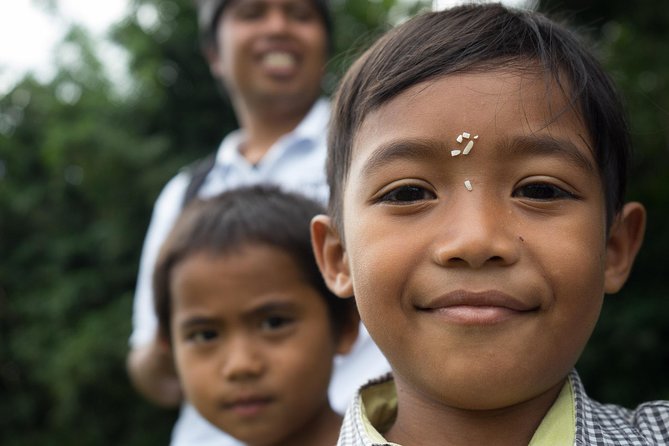
- Tirta Empul purification bath comes with guidance and temple cloths, so you’re not guessing.
- Subak irrigation teaching turns the rice paddies into a living lesson about water management.
- Gunung Kawi Sebatu cave temple adds history, rock-carved charm, and a scenic walking route.
- Small groups (max 20) help you actually hear your guide instead of shouting over everyone.
- Lunch and drinks are handled, so you can focus on the sights rather than hunting food.
Ubud Pickup and a 6-Hour Day That Actually Has a Rhythm
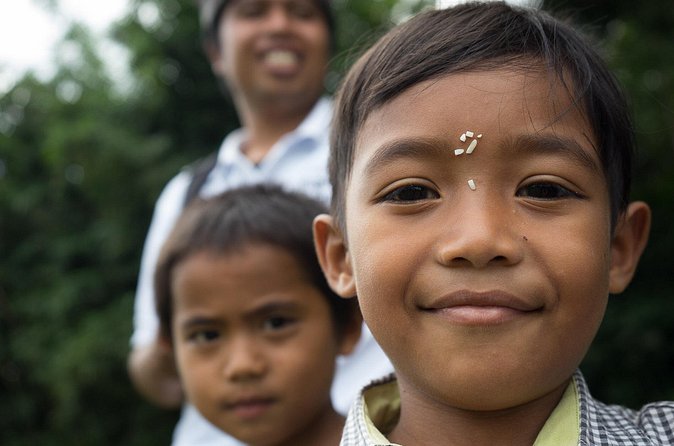
This tour starts at 8:30am in Ubud, with hotel pickup and drop-off included. If you’re staying around central Ubud, that convenience is a big part of the value—Bali traffic can be unpredictable, and you don’t want to waste part of your day figuring out rides.
The total time is about 6 hours. That’s long enough to feel like you’ve made a dent in the region, but short enough that you’re still fresh when you hit the cave temple section. The itinerary is built in blocks (about two hours at Tirta Empul, one hour for the meal break, and about two hours around Gunung Kawi Sebatu), so your day doesn’t feel like a blur of quick photo stops.
One practical note: the tour is described as needing moderate physical fitness. You’re walking through rice areas and around temple grounds, including steps and uneven surfaces. If you’re generally comfortable walking for an hour or two in heat, you’ll likely be fine. If you know you have trouble with back pain, serious medical conditions, or pregnancy, it’s not recommended.
You can also read our reviews of more walking tours in Ubud


Tirta Empul Temple: The Purification Ritual and Temple Etiquette
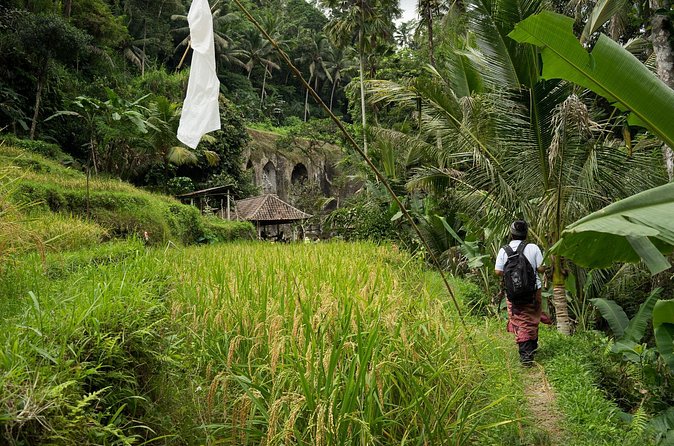
Tirta Empul is where the day turns from sightseeing into a real cultural moment. The tour includes admission and has your guide escort you to experience the purification ritual at the holy spring.
You also get Balinese cloths for the visit and purification bath. That matters more than it sounds. In Bali temples, how you dress is part of respect. And when you’re joining a ritual, you want the clothes situation handled for you—no last-minute scrambling, no awkward guesswork.
Here’s what you should mentally prepare for:
- You’ll be in an active religious setting, not a museum.
- You’ll follow instructions from your guide during the ritual time.
- You may get wet as part of the purification experience, so plan to treat this as a practical bathing event.
If you’re someone who likes spiritual travel but gets uncomfortable with rules, this is still likely a good pick—because the tour structure includes someone to guide you through what’s expected. The goal is respectful participation, not performing for your camera roll.
The Meal Break: Light Breakfast, Lunch, and Keeping Energy for Walking
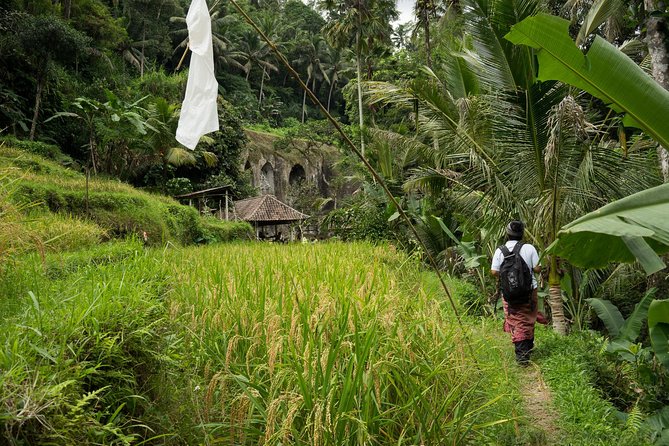
Food is built into the middle of the day, which is smart in Bali’s heat. The tour serves a light breakfast and then later a Balinese lunch, both included. Mineral water and coconut water are also provided, which is helpful when you’re moving through outdoor temple areas.
Why the meal timing matters: if you skip breakfast or try to eat randomly between stops, you’ll feel it later—usually around the time you’re walking through rice paddies or reaching cave areas. Having food included keeps the day comfortable and reduces decision fatigue.
You’ll also get views during the meal period. That’s not just nice for photos; it gives your brain a reset. After the intensity of Tirta Empul, it’s the calm pause that lets the afternoon feel relaxed instead of rushed.
Subak Rice Paddies: Learning the Irrigation System While You Walk
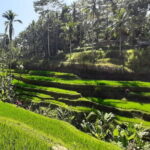
This is one of the most practical parts of the day because it teaches you how the countryside actually works. After lunch, you walk through rice paddies and learn about the traditional irrigation system called Subak.
Subak is tied to how Balinese farmers organize water for rice cultivation. Instead of seeing rice terraces as just pretty scenery, you start noticing the logic: water needs distribution, timing, and cooperation. Your guide helps connect that system to daily life, so the paddies become more than a backdrop.
As you walk, you’ll probably find yourself looking differently at:
- where water flows
- how fields are organized
- why water control is essential in seasonal farming
This part of the tour is a good fit if you like learning in motion. It’s not a classroom lecture—your feet are on the ground and the explanation is tied to what you can see around you.
Gunung Kawi Sebatu Cave Temple: The Walk, the Cave, and the Stories
Gunung Kawi Sebatu Temple brings the day into a quieter, more dramatic setting. This stop includes admission and focuses on two things: a walking route through the rice area and the cave temple itself.
Cave temples have a built-in mood. They can feel cooler, darker, and more intimate than open-air sites. Here, that feeling matters because the temple experience is part architecture, part spiritual setting, and part local storytelling. Your guide helps you understand the site’s charm and history so you’re not only looking at carved stone—you’re hearing what people associate with it and why it’s visited.
The “drawback” to consider is physical. Cave and temple grounds often mean steps, uneven stone, and time spent standing in humid air. If you’re comfortable moving slowly, you’ll enjoy it. If you want zero walking and perfectly smooth paths, this may feel like too much.
The good news: the tour is timed well. You get a meal before this stop, and the total walking is controlled within the overall 6-hour schedule.




What You’re Really Paying For: Value at $58
At $58 per person, this tour isn’t trying to be the cheapest option in Ubud. It’s priced more like a “day that runs smoothly for you” experience.
Here’s what makes the value feel real:
- Round-trip hotel pickup and drop-off (big time saver)
- Temple cloths for the purification bath and temple visit
- Admission tickets included for the key temple stops
- Lunch plus mineral water and coconut water
- A local guiding fee, plus a charity component in a local school
What’s not included is also clear. You’ll need to budget for alcoholic drinks if you want them, and souvenir photos are available by advance reservation. If you care about photos, plan ahead instead of hoping day-of fixes everything.
For me, the best value signal is not just the ticket list—it’s the structure. This is organized so you’re not managing multiple entrances, figuring out what to wear, and trying to line up transportation while your day is already moving.
Guides and Group Size: Why the Tour Feels Personal
This tour caps at 20 travelers, which changes the whole experience. Small groups mean fewer people competing for attention, and it’s easier to ask questions without feeling like you’re interrupting.
The guiding quality comes through in the way your day is timed and explained. Names like Wayan, Nyoman, and Dewa come up in feedback for being friendly and professional—focused on making sure things run right, not just reading facts off a card. The practical takeaway for you: expect guidance that helps you stay respectful at temples and oriented during walking portions.
If you prefer tours where you can actually hear answers, this is a better size than the massive group model.
Small Etiquette Tips That Will Make the Day Easier
Because this includes purification and temple visits, a little preparation goes a long way.
Wear something comfortable for humid walking and temple steps. You’ll also be given Balinese cloths for the ritual and visit, so you don’t have to obsess over sarong options. Still, bring a plan for damp conditions after purification.
Also, be ready to follow your guide’s timing. For example: during purification, you’ll want to listen and move when instructed. In places like Tirta Empul, the flow matters.
And keep your expectations realistic for walking days in Bali: your phone battery and your feet will feel the heat if you’re not pacing. Hydration is handled with included water, but pace yourself anyway.
Should You Book This UNESCO Sites Cultural Walking Tour in Bali?
Book it if you want a temple-and-countryside day that explains more than it photographs. This tour fits best if you like hands-on cultural participation—especially the purification ritual—and you enjoy learning how rice farming and water management connect to Balinese life.
Skip it if you want an easy, mostly seated day. Cave temples and rice-paddy walking can be tough if you have mobility or back issues, and the tour is not recommended for serious medical conditions or pregnancy.
If you’re traveling from Ubud and want a smooth, guided day with meals covered and temple essentials handled, this is a strong choice. The price is fair for what you get—and the small group size helps you keep the experience human.
FAQ
What time does the tour start in Ubud?
The tour starts at 8:30am.
How long is the tour?
It’s about 6 hours (approx.).
Is hotel pickup and drop-off included?
Yes, hotel pickup and drop-off are included.
What’s included with the Tirta Empul purification ritual?
You get admission and Balinese cloths for the temple visit and purification bath in the holy spring, plus guidance from your escort.
Is breakfast and lunch included?
Yes. You’ll have a light breakfast and a Balinese lunch.
Are drinks included?
Mineral water and coconut water are included.
What happens at Gunung Kawi Sebatu Temple?
You explore the cave temple and walk through rice paddies while learning about the traditional Subak irrigation system. Admission is included.
What should I bring or plan for?
Plan for moderate walking and temple etiquette. The tour provides cloths for the temple visit and purification bath.
Is the tour suitable for everyone?
It’s only recommended for people with moderate physical fitness. It’s not recommended for participants with back problems, heart complaints or other serious medical conditions, or for pregnant women.
What is not included in the price?
Alcoholic drinks are not included. Souvenir photos are available to purchase by advance reservation.