REVIEW · UBUD
Bali Art Shopping and Culture Tour
Book on Viator →Operated by Top Bali Trip - Private Tours Service · Bookable on Viator
One day in Ubud, and your shopping gets a story. This Bali art shopping and culture tour is built around craft villages, so you’re not just buying souvenirs—you’re learning what you’re looking at. I like how it mixes studio-style stops with real time to browse, plus pickup from Ubud and south Bali makes it easy on your schedule.
What I like most is the focus on handmade craft: batik from Tohpati, gold and silver work from Celuk, and Balinese artwork tied to Batuan’s temple area. You also get a guide/driver who helps you find good pieces, so you’re less likely to waste time on the wrong racks of mass-made stuff.
One thing to consider: this is a shopping-forward itinerary, so you’ll want to set a budget before you start browsing. Also, entrance fees at the temple and the waterfall are not included, so plan a little extra cash.
In This Review
- Key Things to Know Before You Go
- Why Ubud Craft Villages Beat Generic Souvenir Shopping
- Price and Logistics: What $63 Gets You for 5 to 6 Hours
- Door-to-Door Pickup That Saves Your Morning
- Stop 1: Tohpati Batik Center and How to Shop Smarter
- Stop 2: Celuk for Gold and Silver Work on Jalan Raya Celuk
- Stop 3: Batuan Temple Area and Balinese Paintings in One Stretch
- Stop 4: Mas Wood Carvers at Work (Watch the Craft, Not Just the Product)
- Tegenungan Waterfall: A Nature Reset Before You Wrap Up
- What to Buy (and What to Skip) for Best Value
- Great buys on this tour
- Things to think twice about
- How to shop without turning it into drama
- Timing and Energy: Making a 5 to 6 Hour Day Feel Smooth
- Who This Tour Fits Best (and Who Might Want Something Else)
- FAQ
- What time does the tour start?
- How much does it cost and is it per person?
- Is this tour private?
- What’s included in the price?
- Which stops have entrance fees?
- Can the route be changed?
- Should You Book This Bali Art Shopping and Culture Tour?
Key Things to Know Before You Go
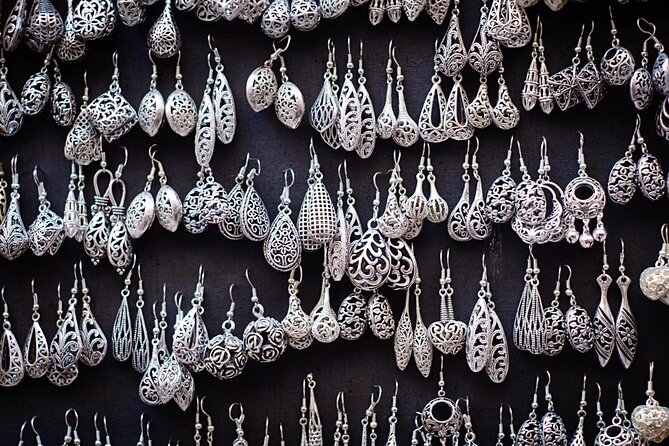
- Four craft-focused areas: batik (Tohpati), gold and silver (Celuk), paintings near Batuan, and wood carving in Mas
- Real browsing time: you’re not herded through; you can compare pieces and take your time
- Pickup from Ubud and south Bali: less hassle, more “start the day” energy
- Good variety, one route: art-shopping stops plus Tegenungan Waterfall in the same outing
- Shopping with a steer: having an English-speaking driver helps you sort what’s worth your attention
- Two paid entrance spots: Batuan Temple and Tegenungan Waterfall cost extra
Why Ubud Craft Villages Beat Generic Souvenir Shopping

Ubud is famous for art, but there’s a big difference between buying a souvenir and buying something that actually connects to where it was made. This tour is set up so you move through Bali’s craft lanes—where the products aren’t just displayed, they’re the reason the villages exist.
You’ll see (and shop for) pieces tied to different traditions: textiles, metals, and visual art. That makes your purchases easier to justify at home. Instead of, I bought a pretty thing, it becomes, I picked a batik fabric from Tohpati, and I understood the materials and style choices.
You can also read our reviews of more shopping tours in Ubud

Price and Logistics: What $63 Gets You for 5 to 6 Hours
The price is $63.00 per group, up to 6 people. That matters because this is a private door-to-door setup, not a cattle-car bus tour. If you’re traveling with friends or family, the per-person cost can be pretty reasonable for a full day that includes transport, bottled water, and an English-speaking driver.
Typical length is 5 to 6 hours. The time at each named stop is fairly specific for the first two village areas and the last two major sights, which helps you plan the rest of your day. In other words, you’re not guessing how this will stretch into an all-day marathon.
Still, remember: the itinerary includes browsing time. If you’re the type who hates shopping stops or you only want a quick look, you might feel the schedule is art-heavy. If you actually enjoy comparing crafts, this timing works well.
Door-to-Door Pickup That Saves Your Morning
You start around 9:00 AM, with pickup from the main lobby of your hotel in Ubud and south Bali areas. That’s one of the best parts of the deal. Bali traffic can be unpredictable, and finding a parking spot near busy craft roads is its own little sport.
You’ll ride in an air-conditioned mini van, and you get bottled water included. It’s the kind of practical comfort that keeps the day from turning into a sweaty rush.
Stop 1: Tohpati Batik Center and How to Shop Smarter
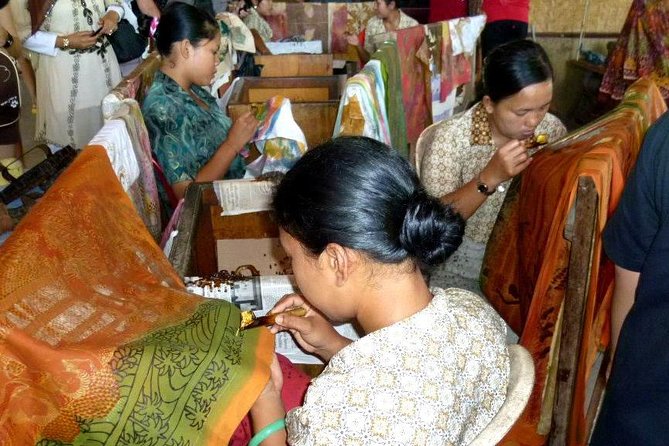
Tohpati Village is a go-to name for batik, the traditional art of painting fabric—often with careful use of dots and lines. The stop is about 30 minutes, and the admission there is listed as free.
During this window, you’ll want to shop with a “compare, then commit” mindset. Batik can look similar at a distance, but you’ll notice differences up close: pattern density, line quality, and how clean the dye work appears on the fabric. If you’re buying something wearable (like a sarong or cloth), check the feel and how it folds.
Also, don’t ignore asking simple questions. A good craft shop will help you understand what you’re buying—like whether it’s fabric that’s ready for use, how to care for it, and what the design style is meant to represent.
If you’re buying gifts, consider getting one “safe” item (a fabric cloth you can frame or use) and one more personal piece where the design meaning matters to you.
Stop 2: Celuk for Gold and Silver Work on Jalan Raya Celuk
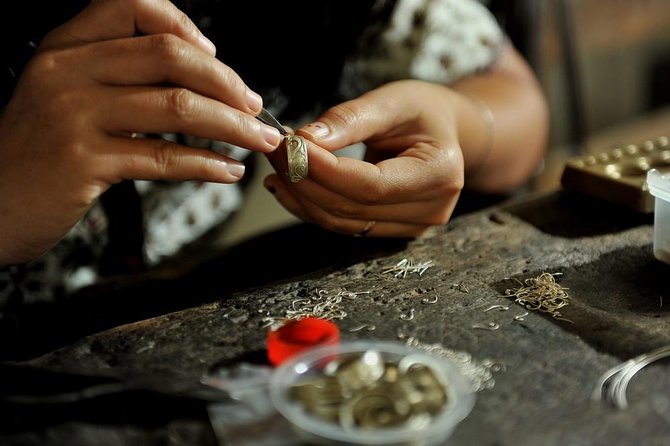
After batik, you’ll head to Celuk Village, one of Bali’s main centers for goldsmiths and silversmiths. This stop is also around 30 minutes, with admission listed as free.
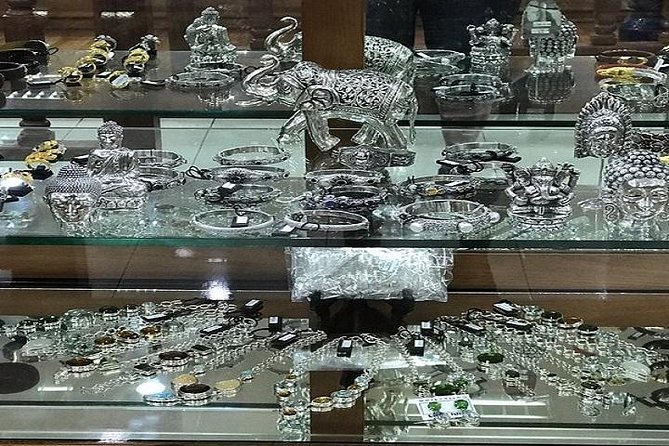
Celuk’s main road, Jalan Raya Celuk, is lined with galleries and workshops. That means you’ll see finished items everywhere—but the value is in getting your bearings before you start paying. Silver and gold work can range from simple and polished to heavily detailed and labor-intensive.
Here’s how I’d shop if you want good value:
- Look for craftsmanship you can see without a jeweler’s loupe: clean edges, consistent detail, and a finish that doesn’t look uneven.
- Compare a couple of pieces before you buy. Even within 30 minutes, you’ll feel the difference between “pretty” and “carefully made.”
- If you’re deciding between two styles, pick the one you can picture wearing or displaying at home.
A big plus is having an English-speaking driver who can help you navigate what’s being sold and where it’s made. In one of the guides’ write-ups, the name Gede came up for steering people toward shops with excellent quality batiks and metals, not just the loudest storefronts.






Stop 3: Batuan Temple Area and Balinese Paintings in One Stretch
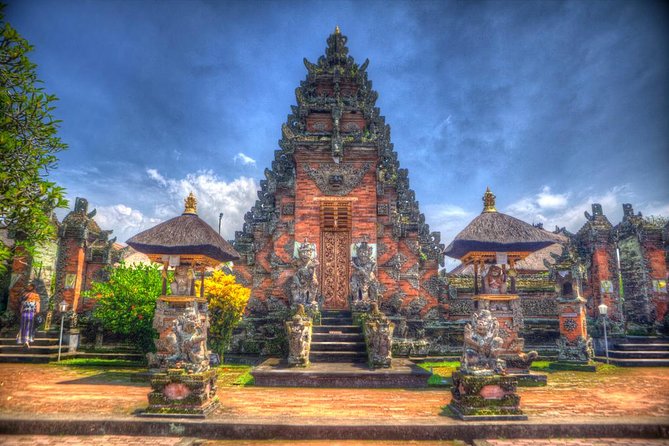
Next is the Puseh Batuan Temple area. This is a 45-minute stop, and the temple admission is not included.
Even if you’re not a big temple person, Batuan’s appeal is the way culture and art sit side by side. The area is popular because of a beautiful Balinese Hindu temple, and the region is also known for Balinese artwork and paintings for sale.
This stop is worth your attention because it gives context. You’re not just collecting images—you’re seeing how art fits into daily life and spiritual space in Bali. You can use that to guide your purchases. For example, if you find yourself drawn to certain scenes or styles, you’ll likely enjoy looking for matching pieces here rather than random souvenirs later.
Practical tip: plan to take your time in the painting shops. Batuan’s paintings can be bold and colorful, so it helps to step back, view them from a short distance, and check whether the colors and details remain clear.
One more note: since temple admission isn’t included, bring a bit of extra money for entry.
Stop 4: Mas Wood Carvers at Work (Watch the Craft, Not Just the Product)
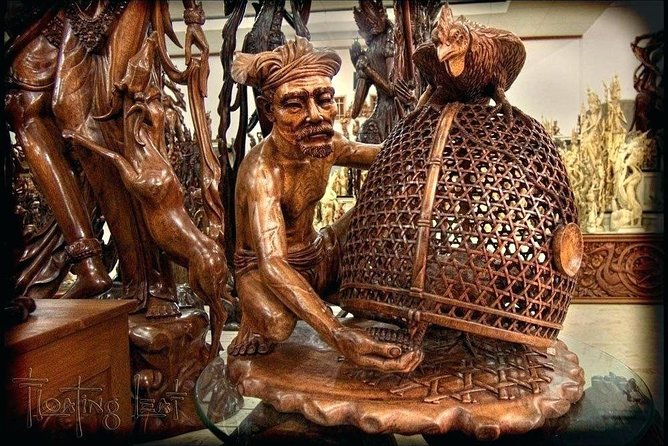
The tour’s craft lineup includes Mas village, known for wood carving. While the exact time isn’t spelled out in the details I have, it’s part of the core idea: see carving in action and then shop with more confidence.
This is the stop where you can learn the most quickly with your eyes. When you watch carving work, you start noticing what’s hard to fake: fine cuts, consistent shaping, and the way the final texture looks under natural light.
I like wood-craft stops because they tend to help you buy better even if you don’t speak the language. Once you understand what “good carving” looks like, you can scan shops faster and avoid pieces that look like they were rushed.
If you’re planning to bring something fragile home, this is also a smart time to ask how items are wrapped and whether the store can secure it properly for travel.
Tegenungan Waterfall: A Nature Reset Before You Wrap Up
The final destination is Tegenungan Waterfall, with about 1 hour on site. Entrance is not included, so again, set aside a little budget for tickets.
After craft shopping, this stop works like a reset button. You get a break from indoor displays and workshop browsing. It also gives your day a natural backdrop, which makes photos and memories feel less like a shopping spree.
A quick reality check: waterfalls mean moisture. You’ll want comfortable footwear and a little flexibility in plans if the ground is slick. If you’re traveling with kids, keep a close eye around viewpoints.
This hour can be as relaxed or as photo-focused as you want. Just keep an eye on your return timing, because you’ll still need to get back for hotel drop-off.
What to Buy (and What to Skip) for Best Value
If your goal is value, don’t buy everything because it’s “Bali.” Buy based on function and craft quality.
Great buys on this tour
- Batik fabric from Tohpati: easy to transport and easy to use later as a scarf, table cloth, or gift wrap upgrade.
- Silver jewelry or small metal items from Celuk: good for taking home something durable and wearable.
- Paintings from the Batuan area: if you’re collecting art, this is where you’ll find pieces tied to the local cultural setting.
- Wood carvings from Mas: best when you can see the detail quality and agree on how it’s finished.
Things to think twice about
- Very large items that need extra packing. Even if the piece is beautiful, travel logistics can become a hassle.
- Anything that looks identical across many stalls. If the design and finish are the same everywhere, you may not be getting craft value.
How to shop without turning it into drama
You don’t need to be a hard negotiator. You do need to be clear about your budget. When you find a piece you like, compare it quickly, then decide. If you keep moving store to store without a plan, you can end up paying for indecision.
Also, if you’re using an English-speaking driver for help, take advantage of that early. Ask for guidance when you’re comparing quality—not after you already committed.
Timing and Energy: Making a 5 to 6 Hour Day Feel Smooth
This tour works best when you treat it like four short chapters rather than one long slog. The first two stops give you a structured start: batik, then metals. You’ll have a chance to browse, compare, and narrow down your purchases before you move on.
The middle section ties art to a cultural landmark at Batuan Temple, where paintings are part of the scene. The final hour at Tegenungan Waterfall adds a nature break that makes the full day feel balanced.
If you want a stress-free rhythm:
- Wear breathable clothes you can comfortably handle in crowded shop areas.
- Bring a small bag for papers, receipts, or any extra items you might pick up.
- If you’re buying jewelry, keep an eye on how it’s packaged.
Who This Tour Fits Best (and Who Might Want Something Else)
This tour is a great fit if you want:
- A structured art-shopping day in Ubud with multiple craft villages
- Time to browse and compare, not a rushed factory sprint
- A private door-to-door setup with a mini van and an English-speaking driver
- Real variety: batik, metals, painting, wood carving, plus waterfall time
It might be less ideal if you:
- Only want a quick look at art and hate shopping
- Don’t want to deal with extra entrance fees (Batuan Temple and Tegenungan Waterfall aren’t included)
- Prefer a fully nature-focused or fully museum-focused itinerary
Families are fine too—children must be accompanied by an adult.
FAQ
What time does the tour start?
The tour starts at 9:00 AM, with pickup arranged from the main lobby of your hotel.
How much does it cost and is it per person?
It’s $63.00 per group, for groups of up to 6 people.
Is this tour private?
Yes. It’s a private tour/activity, so only your group participates.
What’s included in the price?
The tour includes an air-conditioned mini van, bottled water, an English-speaking driver, and hotel pickup and drop-off.
Which stops have entrance fees?
Admission is free for the Tohpati Village batik center and Celuk Village. Admission is not included for Puseh Batuan Temple and Tegenungan Waterfall.
Can the route be changed?
Yes. The itinerary can be changed as long as it stays in the same direction or within the Ubud area, based on your preference.
Should You Book This Bali Art Shopping and Culture Tour?
Book it if you want a practical, art-focused day that combines craft villages with enough time to shop thoughtfully. The $63 group price works well for small groups, and the door-to-door pickup keeps the day from starting with logistics.
Skip it (or adjust expectations) if you dislike shopping stops or you want only nature. In that case, the waterfall is great, but the day is built around craft browsing.
If you do book: come with a rough budget, decide what categories you want (fabric, metal, art, carving), and use your driver’s help early. That’s the fastest way to get value from a day like this.