REVIEW · UBUD
PRIVATE Authentic Balinese Cooking Class in Ubud at Putu’s Home
Book on Viator →Operated by Traveling Spoon · Bookable on Viator
Putu’s home-cooking turns Bali into real food. I love the private, hands-on format and the farm-fresh ingredients that shape the flavor. One heads-up: the cooking happens about 40 minutes from central Ubud, so plan your afternoon carefully.
This is a 3-hour experience (about 1.5 hours cooking), with door-to-door pickup and drop-off if you’re staying in Ubud. You’ll choose lunch or dinner, learn spice and household traditions, cook five Balinese dishes, then eat everything together—often with take-home leftovers.
In This Review
- Key highlights worth circling
- Why Putu’s Ubud kitchen feels like a family visit
- Private pickup in Ubud and round-trip clarity
- Arriving at a Balinese compound: temples, garden produce, and medicines
- What you cook in 5 dishes: grilled fish, banana leaf parcels, curry, and more
- Spice level and dietary needs
- From garden ingredients to balanced flavors: why the class tastes different
- The feast: local alcohol, non-alcoholic drinks, and take-home food
- Timing: how long it really takes and how to plan your day
- Lunch vs dinner
- Price and value check: what $75 includes (and why it adds up)
- Who should book this private class, and who should think twice
- Should you book Putu’s private Balinese cooking class?
- FAQ
- What dishes do I cook in Putu’s class?
- Is the class lunch or dinner?
- How long is the experience?
- Does the class include drinks or alcohol?
- Do they offer vegetarian or vegan options?
- Is pickup included, and where does it pick up from?
- Is this class private or shared with other people?
- What if I need to cancel?
Key highlights worth circling
- Private setting in Putu’s ancestral compound, not a classroom
- Ingredients come from the family farm (rice, produce, and more)
- Hands-on cooking with traditional techniques like hand grinding and wood-fired rice
- Learn Balinese Hindu household life, including the meaning of different temple areas
- Cook 5 dishes and adjust spice levels to your preference
- Meal + small local alcohol portion included, plus recipe notes for later
Why Putu’s Ubud kitchen feels like a family visit
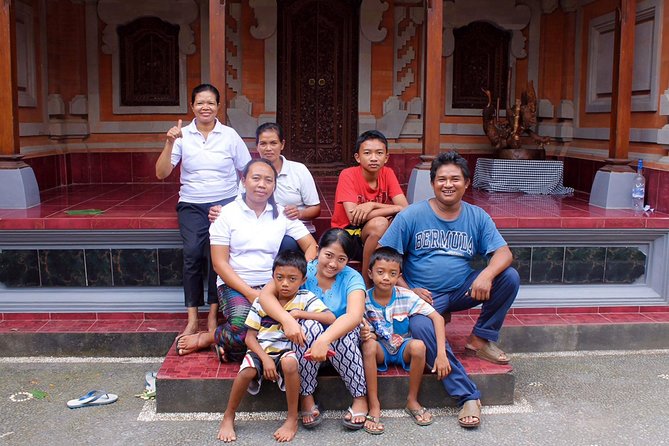
This is one of those experiences where you don’t just watch cooking. You join the work. Putu, her grandparents, her husband, and their children all play a role, so the class feels lived-in instead of staged.
I like the balance here: you get practical food skills and culture at the same time. The talk isn’t random trivia. Putu connects spices, ingredients, and kitchen decisions to what a Balinese family actually does day to day.
The kitchen itself can be simple (think basic cooktop and outdoor work areas), but that’s part of the point. You’re learning the real process, not just how to produce a plated dish.
You can also read our reviews of more private tours in Ubud



Private pickup in Ubud and round-trip clarity
Good logistics can make or break a cooking class. This one includes round-trip private transport from Ubud hotels, so you’re not spending your valuable time wrestling with scooters or finding someone’s house on a map.
The experience is run by Traveling Spoon, and you typically coordinate pickup using your reservation details. A practical tip from past participants: make sure you’re comfortable with WhatsApp, since it’s commonly used for communication.
One consideration: the class is not included with transport if you’re outside Ubud. If you’re staying elsewhere, budget for an extra transportation charge.
Arriving at a Balinese compound: temples, garden produce, and medicines
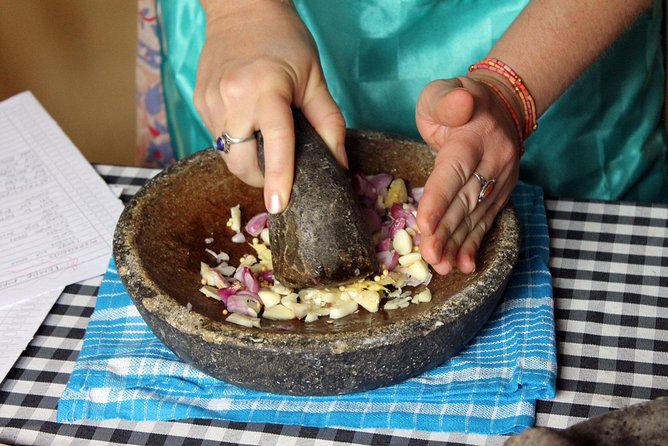
When you arrive, you’re not dropped into a kitchen and left to figure it out. Putu shows you her home compound and explains how the household is organized.
You’ll hear about the Balinese Hindu household temple areas and why they matter. This helps you understand why certain ingredients and food traditions fit into everyday life, not just festivals.
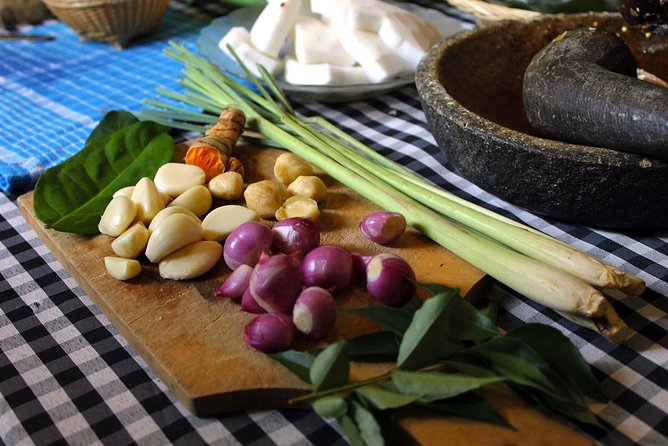
You’ll also get a look at the food system behind the meal. The class includes time around what Putu’s family tends on their farm—especially their rice. Several past classes also highlight fruit and other produce harvested straight from the gardens, so the story and the ingredients match.
One neat extra: Putu also talks about traditional Balinese medicines she makes. The point isn’t medical promises. It’s cultural context—why certain plants and preparations show up in both daily routines and healing practices.
What you cook in 5 dishes: grilled fish, banana leaf parcels, curry, and more
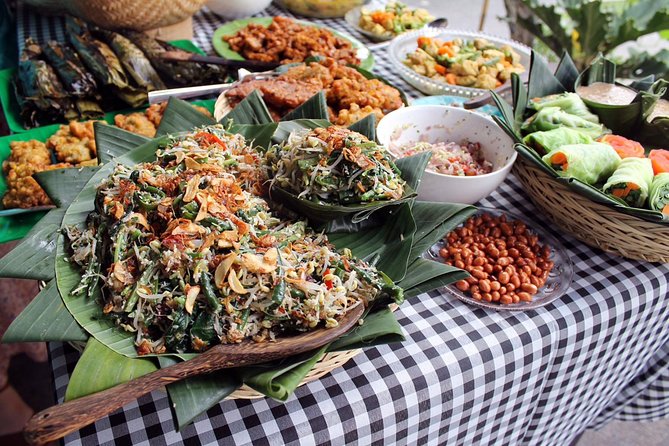
The core of the class is hands-on cooking of five Balinese dishes. The menu can vary by season, but you can expect options such as grilled fish, banana leaf parcels, or curry.
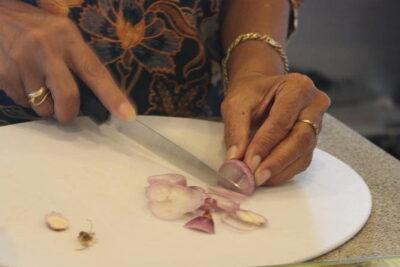
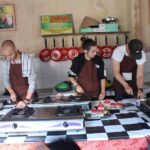
You’ll work through the steps with Putu guiding you while you chop, grind, and grill. This isn’t just one station and one recipe you repeat. The class is designed so you experience multiple techniques.
Here’s what to realistically expect in the kitchen:
- Traditional prep tools and methods, including hand grinding for some components
- Chopping on wood blocks with small cleavers
- Rice steamed the traditional way (some sessions use a wood-fired setup)
That’s great if you like learning by doing. It’s also a small consideration if you have limited comfort with knives or cooking smoke smells. You don’t need to be a pro, but you should be willing to participate.
Spice level and dietary needs
Putu lets you manage spice to match your comfort level. If you tell her your preference, you’ll cook in a way that keeps the dishes enjoyable for your palate.
If you need vegetarian or vegan options, those are available—just advise at booking so she can plan the menu.
If anyone in your group has allergies or dietary restrictions, share them in advance. The class is private, but food still has to be handled carefully.
You can also read our reviews of more cooking classes in Ubud
From garden ingredients to balanced flavors: why the class tastes different
A lot of cooking classes teach technique. This one teaches why certain ingredients work together in Balinese cooking.
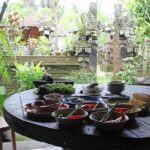
Because the dishes are built around fresh, homegrown produce and staple items (like family rice), the flavors come through in a way that feels less like restaurant seasoning and more like everyday food logic. Spices aren’t just sprinkled. They’re combined, ground, and treated as part of the texture and aroma, not only heat.
I also like how Putu’s explanations connect to what you’re doing. When she talks about ingredients or healing plants, it’s not a lecture. It ties back to choices you make at the stove.
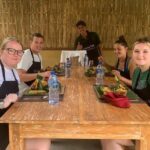
The class ends with you sitting down to a shared meal of everything you cooked. That’s when you see the system click: spice, acid, aroma, and the balance between grilled, wrapped, and sauced dishes.
The feast: local alcohol, non-alcoholic drinks, and take-home food
Once cooking wraps, you eat together. Your meal includes the dishes you prepared, plus local alcohol (typically 1–2 glasses) and non-alcoholic beverages.
You should treat the alcohol as a light accompaniment, not the focus. The real draw is the meal itself and the way you get to eat what you made, right away, while flavors are fresh.
Another practical win: many sessions come with leftovers packed to take away. If you want a low-effort dinner or breakfast later, that matters.
Some participants also note receiving a recipe book or recipe notes to bring home. That’s useful if you want to recreate the dishes instead of just remembering the taste.
Timing: how long it really takes and how to plan your day
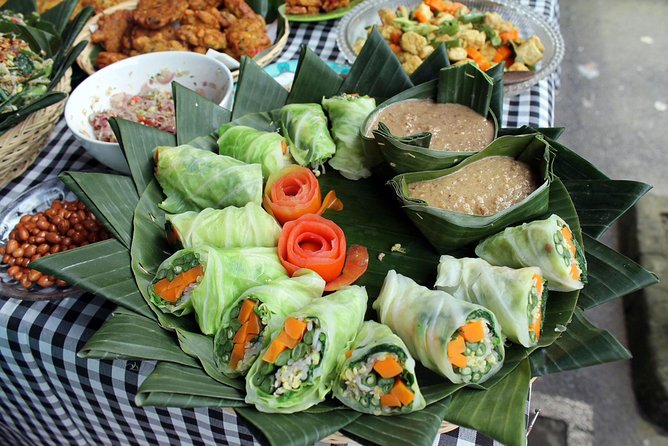
The full experience is about 3 hours. Most of that is travel plus cooking and eating. The cooking portion is roughly 1.5 hours, then you shift into the shared meal.
Because the cooking location can be around 40 minutes from central Ubud, it’s smart to avoid booking tight plans right after. Build in buffer time for pickup and the ride back.
Lunch vs dinner
You can choose lunch or dinner. If you go at night, the cooking area is set up to work after sunset, and the prep is still guided through clearly. Dinner can be a great fit if your morning is already full with rice terraces, markets, or temple visits.
Price and value check: what $75 includes (and why it adds up)
At $75 per person, the value is strongest if you compare it to the cost of a comparable private experience that includes transport and your full meal.
Here’s what’s included in the price:
- A private cooking lesson and home-cooked meal
- Local alcohol (usually 1–2 glasses) and non-alcoholic beverages
- Round-trip transport from Ubud hotels
- Taxes and fees, plus gratuities
The inclusion that really changes the math is transport and the full meal. In Ubud, getting a private driver and paying for lunch separately can add up fast.
Also, since it’s private, you’re not competing with a big class schedule. The pace tends to be more flexible, especially if someone in your group wants extra help on chopping, spice, or technique.
Who should book this private class, and who should think twice
I think this is a great fit if you:
- Love food and want skills you can recreate
- Want a more personal cultural experience than a restaurant meal
- Like learning how ingredients are grown and used at home
- Travel with mixed ages or different comfort levels in the kitchen (the class is set up for group participation)
You might think twice if you:
- Want a very formal, classroom-style lesson with minimal cooking mess
- Have strict time constraints and can’t spare the ride from Ubud center
- Are strongly opposed to cooking hands-on with knives, spice adjustments, and outdoor prep areas
Should you book Putu’s private Balinese cooking class?
If you want the “Bali food story” version of a cooking class, not the cookie-cutter one, this is an excellent choice. You’re paying for privacy, family hospitality, fresh ingredients, and a meal that includes local alcohol plus what you cooked yourself.
Book it if your trip can handle a few hours away from central Ubud. Then show up curious. Ask questions. Taste as you go. This kind of class is best when you treat it like an invitation, not a transaction.
FAQ
What dishes do I cook in Putu’s class?
You’ll cook five Balinese dishes, and the exact menu can vary depending on the season. Dishes you may prepare include grilled fish, banana leaf parcels, and curry.
Is the class lunch or dinner?
You can choose either a lunch or a dinner class, depending on your schedule.
How long is the experience?
The experience is about 3 hours in total. The cooking portion is about 1.5 hours, followed by a shared meal.
Does the class include drinks or alcohol?
Yes. The meal includes local alcohol (1–2 glasses), plus non-alcoholic beverages.
Do they offer vegetarian or vegan options?
Yes. Vegetarian and vegan options are available. Let Putu know at booking so the menu can be planned.
Is pickup included, and where does it pick up from?
Pickup and transport are included from Ubud hotels for round-trip service. If you’re outside Ubud, there’s an extra transportation charge.
Is this class private or shared with other people?
It’s private. Only your group participates.
What if I need to cancel?
Free cancellation is available. You can cancel up to 24 hours in advance for a full refund, but changes made less than 24 hours before the start time aren’t accepted.
If you tell me your travel dates and whether you prefer lunch or dinner, I can help you think through the best time to schedule it around your Ubud plans.