REVIEW · UBUD
Ubud Cooking Class Bali with Balinese Chef
Book on Viator →Operated by Bali Cooking Class Ubud · Bookable on Viator
Cooking in Ubud beats another buffet. This hands-on class puts you at your own station with a Balinese chef and guides you through an all-in meal you actually make, then eat. I especially like the English instruction and the way Chef Made and the team keep the pace clear and fun.
The big thing to consider is logistics. Morning pickup is limited to Ubud center hotels, and the afternoon class starts at a set meeting point, Lapangan Desa Ubud.
In This Review
- Worth knowing before you go
- Ubud cooking class, the practical way to learn real Balinese flavor
- Price and value: what $35.79 buys in Ubud
- Pickup, timing, and where you need to be
- Ubud Traditional Art Market: quick shopping context, not a long slog
- Ketuts Bali kitchen time: your own station, tools included
- The real learning: peanut sauce and bumbu bali you’ll actually reuse
- Menu breakdown: what you cook in the vegetarian and non-vegetarian sets
- Vegetarian set (7 dishes)
- Non-vegetarian set (7 dishes)
- Lunch or dinner: tasting what you made, with fewer surprises
- What I’d watch for before you go
- Who should book this Ubud cooking class
- Getting the most from the class (without overthinking it)
- Final verdict: should you book?
- FAQ
- Is the class taught in English?
- Do I cook the food myself or just watch?
- How long is the experience?
- Is there pickup from hotels in Ubud?
- Does the price include a market tour?
- What dishes are included for vegetarian participants?
- What dishes are included for non-vegetarian participants?
- What happens if the weather is poor?
Worth knowing before you go
- Personal cooking station: you handle prep and cooking, not just watch
- English-speaking chef: instruction is done in English for easier follow-along
- Market tour in the morning: a Traditional Art Market stop is only for morning trips
- Vegetarian or non-vegetarian menus: you choose which 7-dish set you cook
- Banana-leaf cooking and peanut sauce: you’ll make dishes built around Balinese flavor combos
- Weather matters: the experience requires good weather
Ubud cooking class, the practical way to learn real Balinese flavor
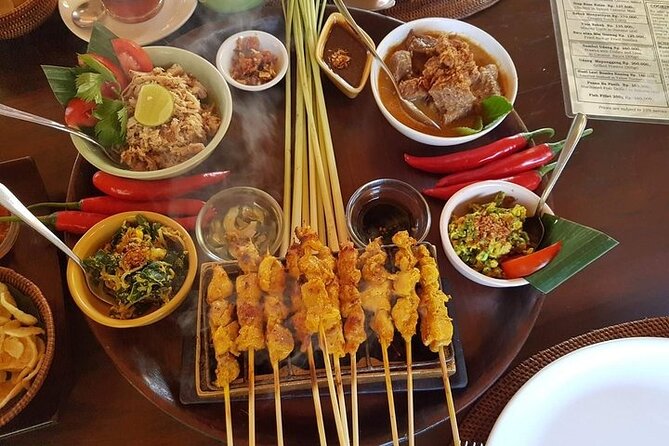
Ubud has plenty of food experiences. What makes this one different is that you’re not collecting bites as a spectator. You’re making lunch or dinner yourself, with a chef who teaches step by step in English.
You’ll work with a real Balinese workflow: make sauces and spice pastes, then build dishes around them. Even if you don’t cook much at home, the class is set up so the steps feel doable. You end up eating the same food you prepared, which makes the learning stick.
You can also read our reviews of more cooking classes in Ubud
Price and value: what $35.79 buys in Ubud
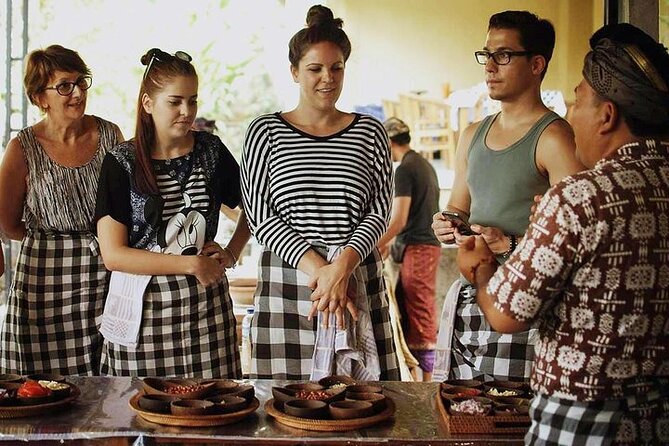
At $35.79 per person, this class prices like a budget-friendly tour but delivers like a full meal lesson. You get return transfer for morning trips in Ubud central (sharing car), a Traditional Art Market stop (morning only), ingredients, utensils, and the finished lunch or dinner.
The value gets even better because the class includes a full set of 7 cooked dishes plus dessert, and you’re not relying on pre-made components. If you’ve ever paid for a cooking demo and then walked away hungry, this is the opposite: you cook, you taste, you eat.
Pickup, timing, and where you need to be
This is a schedule you can plan around.
For the morning class, pickup is from hotels in Ubud center only. The transfer is included as a sharing car, and if your hotel is outside the central area, you’ll need to pay extra (up to IDR 600K per car).
For the afternoon option, the class meets at 2:30pm in front of Lapangan Desa Ubud as the pick-up point (and you’re returned after the class). If you hate waiting around, morning can feel smoother because you’re collected and started right away.
The overall experience runs about 4 hours (approx.), with a 3.5-hour cooking session plus the 30-minute market tour for morning trips.
Ubud Traditional Art Market: quick shopping context, not a long slog
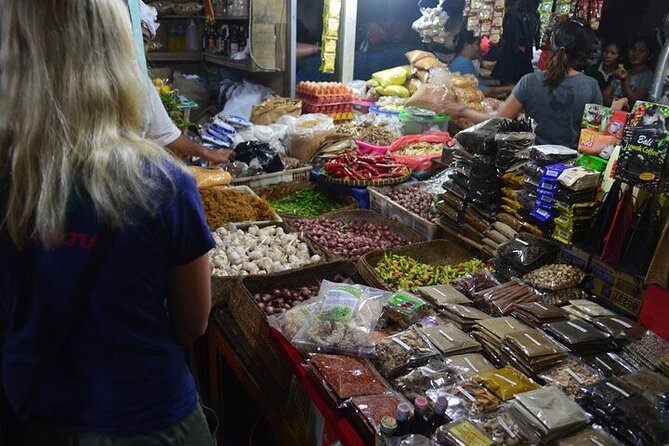
If you book the morning trip, you’ll start with a Traditional Art Market visit. It’s short—about 30 minutes—but it helps you see the ingredients and local food culture that your cooking will rely on.
This stop includes the admission ticket, and it’s a nice setup for the kitchen lesson that comes next. One practical note: personal purchases are on you. If you like souvenirs, snacks, spices, or small gifts, carry some cash. If you don’t, just keep it simple and treat the market as a quick orientation.
If you choose the afternoon class, you won’t get the market stop, so consider whether the market part is a must for your trip.
Ketuts Bali kitchen time: your own station, tools included
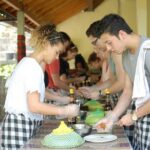
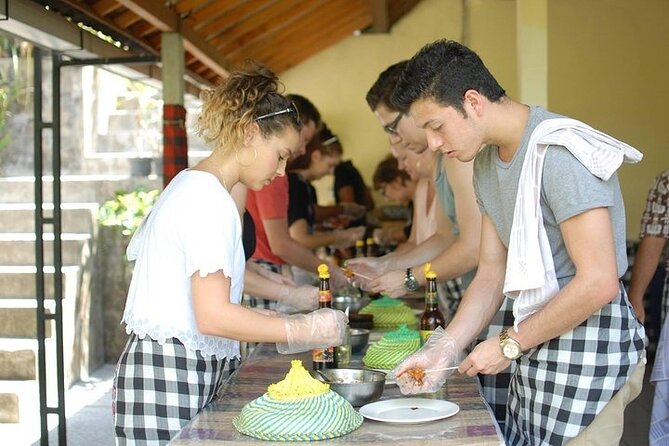
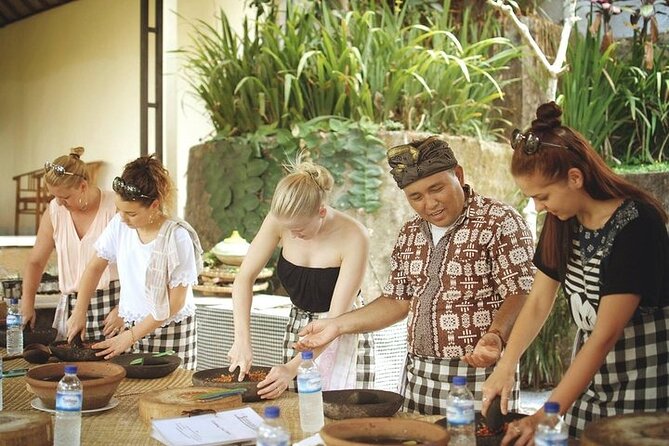
The cooking portion is run at Ketuts Bali Cooking Class. The format is very hands-on: you’re working at your own cooking station, using the utensils and cooking ware provided.
The instruction is in English, which matters here because Balinese cooking involves multiple steps: sauces, spice paste, then separate dish builds. The chef keeps everything organized so you can follow along without needing to already know the cuisine.
Group size is limited to a maximum of 24 people. That’s big enough to feel lively, but small enough that you’re not completely lost in a crowd.
Also, the class includes a welcome drink / mineral water. After the transfer and market, it’s a small reset before you start cooking.
You can also read our reviews of more tours and experiences in Ubud



The real learning: peanut sauce and bumbu bali you’ll actually reuse
A lot of cooking classes teach you a dish recipe. This one teaches you building blocks that show up across the menu.
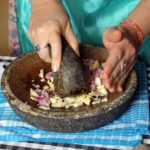
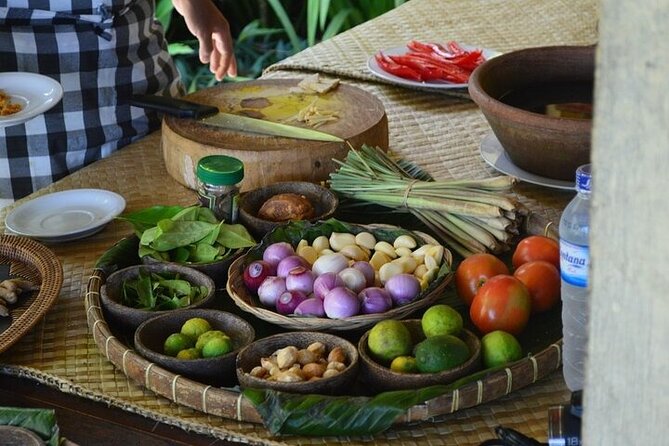
You’ll make Sauce Kacang (peanut sauce) and Bumbu Bali (Balinese spice paste). These are the kinds of flavors that can repeat across multiple dishes, so once you understand them, the rest of the menu makes more sense.
The peanut sauce is especially useful because it’s creamy, savory, and sweet-leaning enough to balance chilies and herbs. The spice paste gives you that unmistakable Balinese aroma base. Even if you don’t cook everything at home later, learning these two components helps you recognize the flavor structure.
Menu breakdown: what you cook in the vegetarian and non-vegetarian sets
You choose a menu when you join: vegetarian or non-vegetarian. Either way, you’ll still cover the peanut sauce and Balinese spice paste, then move into mains, noodles, and dessert.
Vegetarian set (7 dishes)
You’ll cook:
- Sauce Kacang (peanut sauce)
- Bumbu Bali (Balinese spice paste)
- Kare Sayur (vegetable curry)
- Tempe, tofu and vegetable Sate (vegetable sate with peanut sauce)
- Pepes Mushroom (grill mushroom in banana leaf)
- Mie Goreng (fried noodle)
- Kolak Pisang (braised banana saba in palm sugar gravy)
Two parts stand out if you’re vegetarian: the sate and the banana-leaf pepes. They show how Balinese flavors work even when the protein changes. Pepes also teaches a technique you can borrow for home cooking, because banana leaf cooking is all about gentle heat and aroma infusion.
Non-vegetarian set (7 dishes)
You’ll cook:
- Sauce Kacang (peanut sauce)
- Bumbu Bali (Balinese spice paste)
- Ayam Bumbu Bali (Balinese fried chicken)
- Sate Ayam Sauce Kacang (chicken sate with peanut sauce)
- Pepes Ikan (grilled fish in banana leaf)
- Mie Goreng (fried noodle)
- Kolak Pisang (braised banana saba in palm sugar gravy)
If you’re going the non-vegetarian route, you’ll get a mix of textures: fried chicken, grilled chicken sate, and banana-leaf fish. Fried food plus pepes can feel like a lot, but the noodles and dessert give you balance at the end.
Lunch or dinner: tasting what you made, with fewer surprises
One of the best parts of the format is that you taste what you prepared. After your cooking steps, you’ll eat in a dining room and enjoy the dishes that came out of your station.
This is not a side snack situation. It’s a full meal experience, and the dessert is part of the same flow. Kolak Pisang is included in both menu types, so you end with a sweet note that ties everything together.
When a class ends with the same dishes you cooked, you learn faster. You can also adjust your own cooking judgment because you’ll notice how sauce thickness, spice paste amount, or frying time changes the final result.
What I’d watch for before you go
This experience is strong, but there are a few practical considerations that can shape your day.
- Diet choice matters: you select either vegetarian or non-vegetarian dishes. If you have strict dietary needs, make sure you’re choosing the correct set before you start.
- Morning vs afternoon differences: morning includes the Traditional Art Market tour; afternoon does not. If market time is part of your plan, book morning.
- Pickup is not universal: morning pickup is only for Ubud center hotels. Outside that area, there’s an extra fee up to IDR 600K per car.
- Weather requirement: the activity requires good weather. If it’s canceled due to poor weather, you’ll be offered another date or a full refund.
And one more reality check: the class is hands-on, so you’ll be standing and cooking. Wear comfortable clothes that can handle a warm, active kitchen environment.
Who should book this Ubud cooking class
This is a great fit if you want:
- a real meal you cook yourself, not a tasting tour
- to learn Balinese basics like peanut sauce and bumbu bali
- an English-friendly cooking lesson in a group setting
- both a cultural ingredient stop (morning market) and a full cooking session
It’s also a solid choice for couples and small groups who want one shared activity that isn’t just wandering. If you’re visiting Ubud and you’d rather get a skill you can use later, this hits that goal.
If you hate schedules, cooking, or short market walks, the value might feel less obvious. This one is built around doing the work.
Getting the most from the class (without overthinking it)
Here’s how to make the experience pay off after the day ends:
- Pay attention when the chef explains the two foundations: Sauce Kacang and Bumbu Bali. Those flavors show up across multiple dishes.
- Eat mindfully. You’ll remember the texture and balance better when you’re tasting the exact food you cooked.
- If you want to recreate dishes later, focus on process cues more than perfect measurements. You’ll likely remember steps like paste consistency, sauce thickness, and how banana-leaf cooking changes aroma.
If you take photos, do it between steps, not during active cooking. You’ll learn faster when you’re fully watching and then doing.
Final verdict: should you book?
If you want a Ubud experience that combines local food culture with real cooking practice, I think this class is a strong pick. You get a full 7-dish menu plus dessert, guided in English by a Balinese chef, and you eat what you make.
Book morning if the Traditional Art Market sounds fun to you. Choose the afternoon if you’d rather sleep in or keep the rest of your day open.
Only skip or reconsider if you’re outside Ubud center and don’t want to pay extra for transport, you’re very sensitive to weather changes, or you’re looking for a pure sightseeing day with no hands-on cooking.
FAQ
Is the class taught in English?
Yes. The cooking class is conducted in English with a Balinese chef.
Do I cook the food myself or just watch?
You cook at your own cooking station. The class is completely hands-on, and you prepare and cook the dishes yourself.
How long is the experience?
It runs about 4 hours (approx.).
Is there pickup from hotels in Ubud?
For the morning class, pickup is offered from hotels in Ubud center only. Afternoon classes meet at 2:30pm in front of Lapangan Desa Ubud.
Does the price include a market tour?
For the morning trip only, yes. There’s a Traditional Art Market tour for about 30 minutes, and the admission ticket is included.
What dishes are included for vegetarian participants?
The vegetarian set includes: Sauce Kacang, Bumbu Bali, Kare Sayur, Tempe/tofu/vegetable sate with peanut sauce, Pepes Mushroom in banana leaf, Mie Goreng, and Kolak Pisang dessert.
What dishes are included for non-vegetarian participants?
The non-vegetarian set includes: Sauce Kacang, Bumbu Bali, Ayam Bumbu Bali (fried chicken), chicken sate with peanut sauce, Pepes Ikan in banana leaf, Mie Goreng, and Kolak Pisang dessert.
What happens if the weather is poor?
The experience requires good weather. If it’s canceled due to poor weather, you’ll be offered a different date or a full refund.