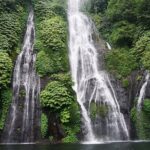
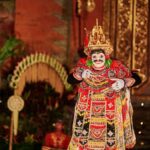
This route turns Ubud into a moving photo story, from rice terraces to temple stops. I like how it mixes Tegallalang scenery with culture you can actually talk about with your guide, not just walk past. I also love the practical touches: an electric bike, a personal guide, and photos taken all along the way.
One thing to keep in mind: the coffee plantation visit includes time in the area, but coffee plantation admission isn’t included, so bring a bit extra if you want to pay for that part on the day.
In This Review
- Key Things to Know Before You Go
- Why This Ubud E-Bike Route Works: Rice Terraces, Temples, and Coffee
- Price and Logistics: Is $44.07 Worth It?
- Electric Bike Comfort and Safety Gear: Riding Without Guesswork
- Stop 1 at Tegalalang: Visiting a Balinese House (It’s About Everyday Life)
- Stop 2 on Jalan Pejengaji: A Balinese Temple Stop With Spiritual Focus
- Stop 3 at Tegalalang Rice Terrace: The One-Hour Tegallalang Experience
- Stop 4 at Uma Pakel Agro Tourism: Coffee Plantation Time (Plus the Admission Note)
- Lunch, Water, and Photos: The Inclusions That Make the Day Feel Easy
- Who This Tour Fits Best (and Who Might Want Something Different)
- The Route’s Real Value: Small Stops That Actually Connect
- Quick Practical Checklist Before You Book
- Should You Book This Ubud E-Bike Tour?
- FAQ
- How long is the Ubud E-Bike tour?
- How much does the tour cost?
- Does the tour include pickup in Ubud?
- What’s included in the price?
- Are tickets included for all stops?
- Is this tour private?
- Where does the tour start and end?
Key Things to Know Before You Go
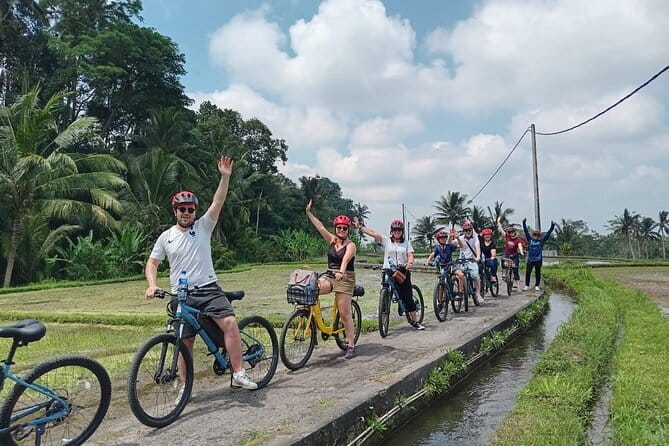
- Electric bike + safety gear means you can focus on the ride instead of guessing how you’ll manage the hills.
- Tegalalang Rice Terrace ticket included for an easy, stress-free main stop.
- Balinese lunch and water included, so you’re not scrambling for food mid-route.
- Free pickup in the Ubud area saves you time and hassle.
- Private tour setup keeps the pace calmer and the route more flexible for your group.
- Coffee plantation admission not included, so budgeting one extra cost helps.
Why This Ubud E-Bike Route Works: Rice Terraces, Temples, and Coffee
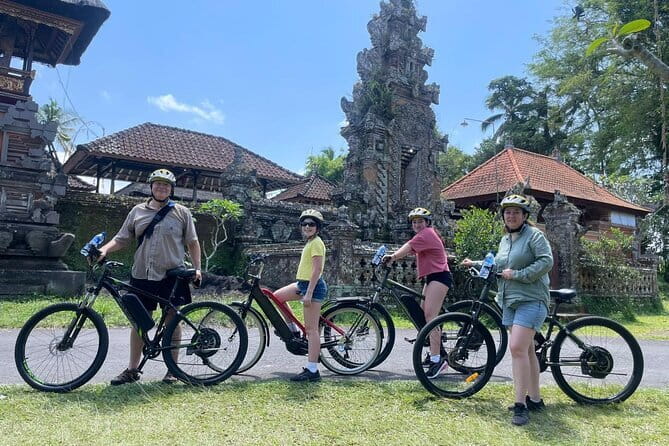
If you want Ubud without the gridlock or the same old “just take photos” loop, this e-bike tour is a smart fit. It’s built around short visits that connect the dots: traditional life, Hindu worship, rice farming, then coffee culture. The timing is also friendly—about 4.5 hours for a big slice of the area.
The electric bike matters more than people expect. You’re still riding under your own power, but the assist helps when roads get uneven or when you’re dealing with Ubud’s heat. That gives you time to actually look around and listen, rather than spending the whole day getting worn out before the good stops.
I also appreciate the human side of it. The tour is run like a small, family-style operation, and the guides are known for being respectful, informative, and very good at taking photos. In particular, guide Raika is called out for friendliness and for making sure there are lots of photos and video clips during the day.
You can also read our reviews of more cycling tours in Ubud

Price and Logistics: Is $44.07 Worth It?
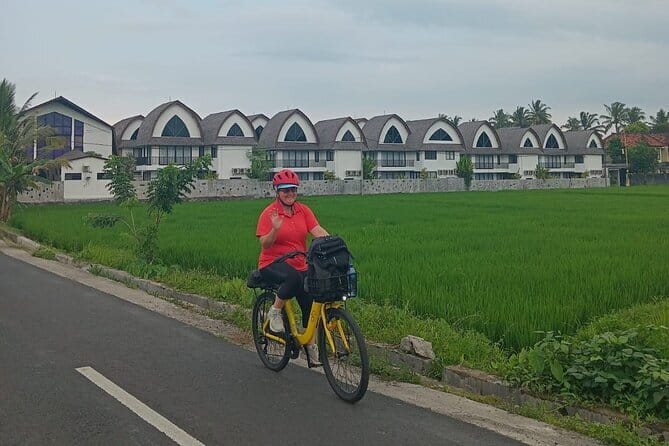
At $44.07 per person, this isn’t a “bare-bones transport” tour. You’re paying for the bike, the guide, and several extras that add up fast.
Here’s what you’re getting that reduces extra spending:
- Electric bike and safety equipment
- Free pickup in the Ubud area
- A personal guide
- Photos taken all along the way
- Balinese lunch plus water
What’s not included:
- Coffee plantation admission (time is included, but you’ll likely pay the coffee stop entry separately)
- personal expenses
When you add up those included items, the price starts to make sense. Tours that only offer a ride usually cost about the same once you factor in guide time, entry fees, and food. This one bundles the main experience steps—rice terraces, a temple stop, a traditional home visit, and lunch—so you’re not constantly reaching for your wallet mid-tour.
Electric Bike Comfort and Safety Gear: Riding Without Guesswork
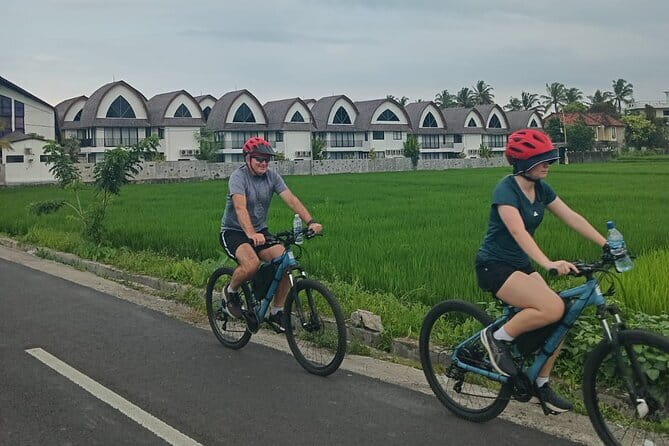
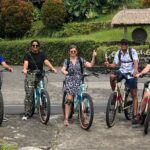
This is an electric bike tour, not a scooter rental. That difference can change the whole vibe. You’re still moving under your own control, but the assist helps you keep your energy for the photo stops and the one-hour rice terrace segment.
The operator includes safety equipment, which is the kind of detail that makes a difference in real life. It means you can focus on enjoying the route instead of asking what’s provided and what’s not. And because you have a personal guide, you’re not left to figure out traffic patterns or where to pull over when it’s time for a temple or rice terrace viewpoint.
If you prefer a tour where the day is organized around stops (and not around “find your way”), this one fits.
Stop 1 at Tegalalang: Visiting a Balinese House (It’s About Everyday Life)
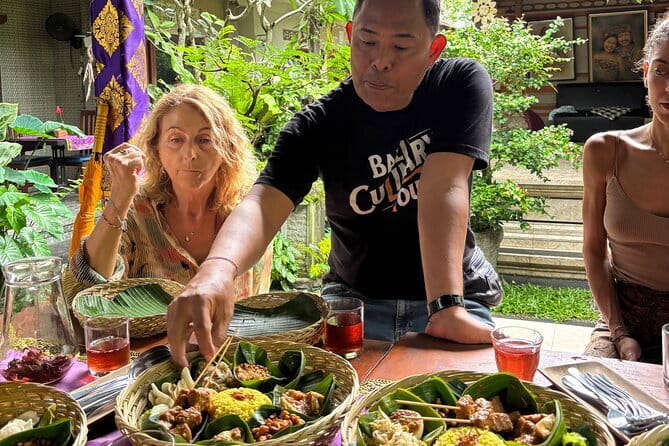
Your first big cultural moment is a visit to a traditional Balinese house in the Tegalalang area. This is one of those stops that can either feel like a quick look-through or turn into a real understanding of how people live.
What makes this stop valuable is that the house visit isn’t just architecture for show. It’s a chance to understand daily life and local culture in a way that feels grounded. The tour includes 30 minutes here, and admission is free, so you can spend time absorbing details without feeling like you’re rushing to “justify” entry.
If you like cultural experiences that go beyond temples and viewpoints, you’ll probably enjoy this portion a lot. It also sets the tone for the day: you’re not just sightseeing—you’re learning how the culture connects to where you’re riding.
Stop 2 on Jalan Pejengaji: A Balinese Temple Stop With Spiritual Focus
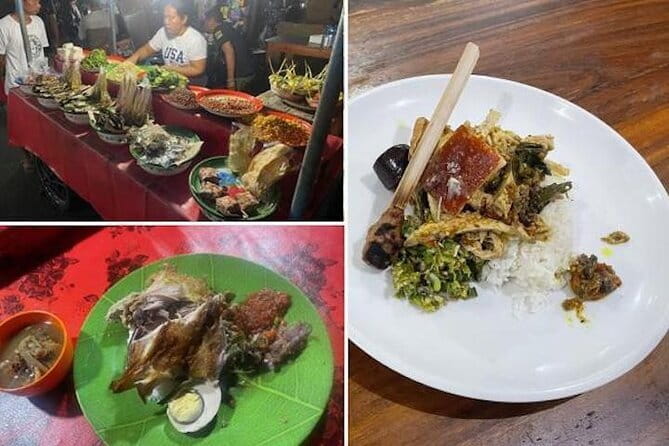
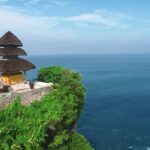
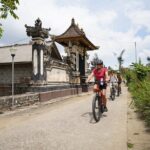
Next comes Jalan Pejengaji, where you visit a Balinese Hindu temple. This stop is also 30 minutes, and admission is free.
The best way to think about this segment is as a pause. After moving on the bike, you get a moment to slow down and see the worship space up close—architecture, tradition, and a feeling for the spiritual role temples play across Bali.
Because the tour is guided, you’re not left interpreting everything alone. The day’s flow is built so you don’t feel like you’re bouncing between random photo points. Instead, temple + rice terrace + coffee all connect to the local rhythm of land, belief, and daily work.
You can also read our reviews of more tours and experiences in Ubud

Stop 3 at Tegalalang Rice Terrace: The One-Hour Tegallalang Experience
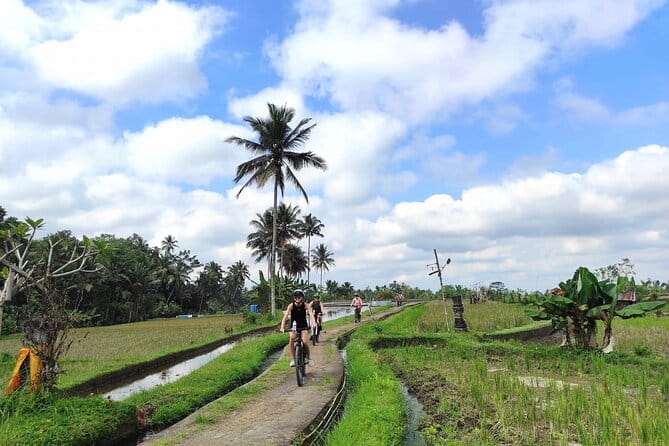
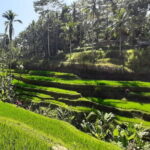
Now you get the headline scenery: Tegallalang Rice Terrace. This stop lasts about 1 hour, and the rice terrace ticket is included.
This is where you’ll likely spend the most time walking around, looking for angles, and taking photos. Tegalalang is famous for a reason—terraced fields, layered greens, and viewpoints that give you depth in every direction. Even if you’ve seen rice terraces before, this area still has that “how do they manage this?” feeling because the farmland looks carefully shaped and maintained.
One practical tip: treat this segment as your main viewing block. Don’t plan to rush through it, because the time is already timed. If you want photos, plan to take some at the start before you’re tired, then do a second pass after you’ve got your bearings.
Also note: this is the stop where the tour removes friction for you. Since the ticket is included, you’re not worrying about payment at the exact moment you want to focus on the view.
Stop 4 at Uma Pakel Agro Tourism: Coffee Plantation Time (Plus the Admission Note)
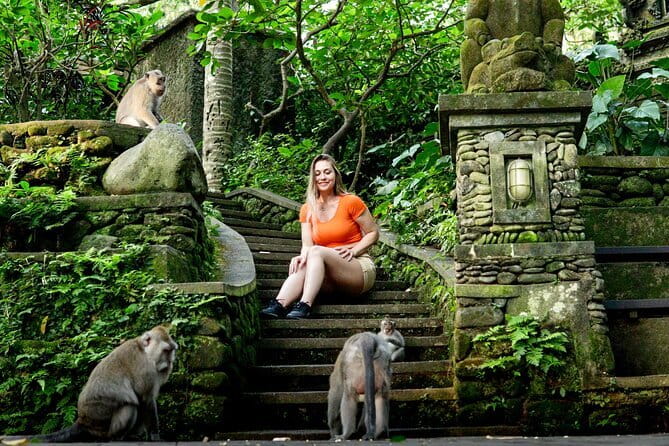
The final cultural-and-flavor stop is Uma Pakel Agro Tourism, described as a coffee plantation experience in the Ubud area. You spend about 1 hour here.
Important budget detail: coffee plantation admission isn’t included. That doesn’t mean you’ll be turned away—it just means you should expect a separate payment for entry, or at least a paid portion of the experience depending on how the plantation structures visits.
What makes this stop work well is that it often gives you a different angle on Bali’s daily life. Rice farming shows you how people work with land, and coffee culture shows you another side of how local agriculture becomes part of livelihoods and local hospitality.
If coffee isn’t your thing, don’t panic. You can still enjoy the walk through the plantation area and the general atmosphere. But if you care about tasting or a structured coffee program, budget for the extra admission.
Lunch, Water, and Photos: The Inclusions That Make the Day Feel Easy
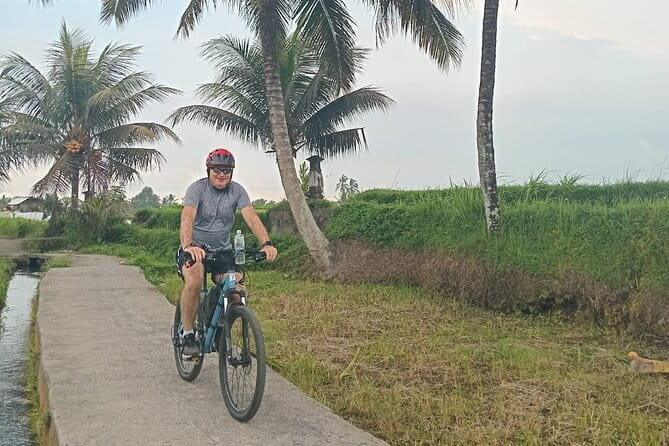
This is where the tour quietly wins points. You get delicious Balinese lunch and water, and you’re not stuck trying to locate snacks in between stops.
Even the photo service matters. The tour includes photos taken all along the way, and the vibe is that your guide helps you get the shots rather than just telling you where to stand. That’s especially helpful around rice terraces and temple areas where you want the photo without turning the day into an awkward self-photo production.
The day also includes personal guide attention. In Ubud, that can be the difference between feeling rushed and feeling supported. You can ask questions, get help with timing, and keep the pace comfortable—especially if you want to spend a little longer at a viewpoint.
Who This Tour Fits Best (and Who Might Want Something Different)
This Ubud e-bike tour is ideal if you want:
- a well-paced half-day plan (about 4 hours 30 minutes)
- major Ubud highlights in one route: Tegallalang rice terraces, a Balinese temple, a traditional home visit
- the ease of free pickup in the Ubud area
- a guide who actively helps with photos
It also makes sense for families or mixed groups, since the experience says most travelers can participate. And because it’s listed as private—only your group participates—you’re not competing with strangers for attention or photos.
Who might reconsider? If you dislike coffee experiences entirely and you don’t want any extra entry fee for the plantation, that stop could feel like a mismatch. Just keep in mind that it’s part of the itinerary structure, and you can decide on the day how much you want to pay into it.
Also, this is a riding + walking day. If you have mobility limits or you’re uncomfortable spending time off the bike, you’ll want to check with the operator before booking. The itinerary includes temple and rice terrace time plus a traditional home visit, so there’s time where you’ll be on your feet.
The Route’s Real Value: Small Stops That Actually Connect
Some tours throw big names at you—rice terraces, temples, coffee—and call it done. This one works better because it connects those dots.
- The Balinese house visit gives you context for daily life.
- The temple stop shows how belief shapes the environment.
- The rice terrace shows how land and labor create the scenery people come to see.
- The coffee plantation adds another layer of agriculture and local culture.
That sequence helps your brain stick the trip together. Instead of a bunch of separate photo moments, you end up with a story you can tell later. And the guide’s photo help means you won’t lose time “figuring it out” when it’s time to shoot.
Quick Practical Checklist Before You Book
Here’s what I’d plan for:
- Bring something comfortable for riding and walking.
- Bring a little cash/card for the coffee plantation admission since it’s not included.
- Expect a half-day schedule with multiple short stops and at least one main viewing block at the rice terraces.
- If you care about photos, arrive ready to follow your guide’s direction—this tour is built around photo moments.
Should You Book This Ubud E-Bike Tour?
Yes, if you want a practical Ubud experience that blends nature, religion, and everyday culture without turning the day into chaos. The value is strongest when you appreciate the included extras: the electric bike, safety equipment, pickup, lunch, water, and photo support. That turns a famous sights day into something more organized and more personal.
I’d book it especially if you like guided explanations and you want your rice terrace visit to feel planned rather than random. And if a coffee plantation stop is your idea of a fun finish, you’ll probably love the ending chapter too.
I’d think twice if you’re trying to minimize extra paid entries beyond what’s included, since the coffee plantation admission isn’t part of the base price. But even then, it can still be worth it—just budget for the added entry so you’re not surprised later.
FAQ
How long is the Ubud E-Bike tour?
It runs for about 4 hours 30 minutes.
How much does the tour cost?
The price is listed as $44.07 per person.
Does the tour include pickup in Ubud?
Yes, free pickup is offered in the Ubud area.
What’s included in the price?
You get an electric bike, safety equipment, photos taken along the way, a personal guide, water, and a Balinese lunch.
Are tickets included for all stops?
Tegalalang Rice Terrace admission is included. The coffee plantation admission is not included. The Balinese house visit and the temple stop list admission as free.
Is this tour private?
Yes, it’s a private tour/activity, and only your group participates.
Where does the tour start and end?
It starts at Ubud Cycling Tour – eBikes Ubud Tour (Jl. Raya Sapat, Tegallalang) and ends back at the meeting point.