REVIEW · UBUD
Munduk:authentic local Home cooking class
Book on Viator →Operated by Munduk danu bali tour · Bookable on Viator
Cooking in a Balinese home feels like visiting family. This Munduk class has home cooking plus organic garden ingredients, and you wrap it up with a visit to Banyumala Twin Waterfalls. The only catch is it’s a tight 4-hour format, so it’s not a slow, all-day hang.
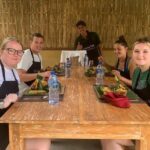
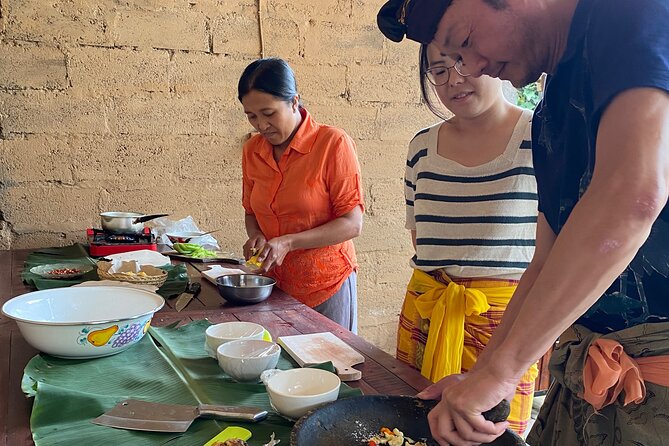
What I like most is the hands-on feel. You start in the garden, pick ingredients for the meal, then cook alongside a guide in a rural setting with the kind of welcome locals do best—names like Kadek and Edi show up in the kind of stories people share after this day.
One thing to consider: your day ties to the Wanagiri/Banyumala area. The meeting point is De Koffie – Wanagiri (Jalan Air Terjun Banyumala), so you’ll want to plan around that start point and any drive time from Ubud.
In This Review
- Key highlights worth knowing
- Why Munduk home cooking beats the usual Bali food stop
- The natural cooking program: what you’ll do, step by step
- Garden picking: the part that makes the meal taste different
- Cooking in a local home: how the lesson feels in real life
- Banyumala Twin Waterfalls: adding nature without turning it into a hike-fest
- Price and value: what $41.24 actually buys you
- Logistics that matter: pickup, meeting point, and timing
- Who this cooking class suits best (and who should rethink)
- Practical tips so your day runs smoothly
- Should you book this Munduk cooking + Banyumala day?
- FAQ
- Where does the tour start and end?
- How long is the cooking class and waterfall experience?
- Is pickup available?
- Is this tour private?
- What kind of ingredients are used?
- Can I cancel for free?
Key highlights worth knowing
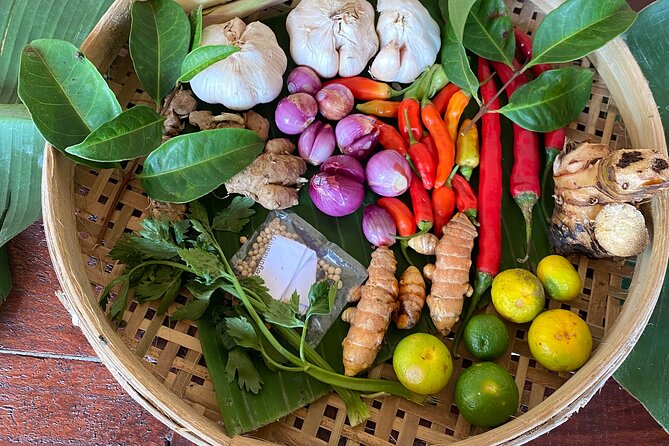
- Organic, chemical-free garden ingredients: you shop by hand first, then cook with what you picked
- Balinese cooking inside a real home: food lessons that feel local, not staged
- Warm hosts like Kadek or Edi: you’ll likely feel welcomed like you’re part of the routine
- Banyumala Twin Waterfalls stop: a nature reset after the kitchen work
- Private group experience: your group stays together, with only your party participating
Why Munduk home cooking beats the usual Bali food stop
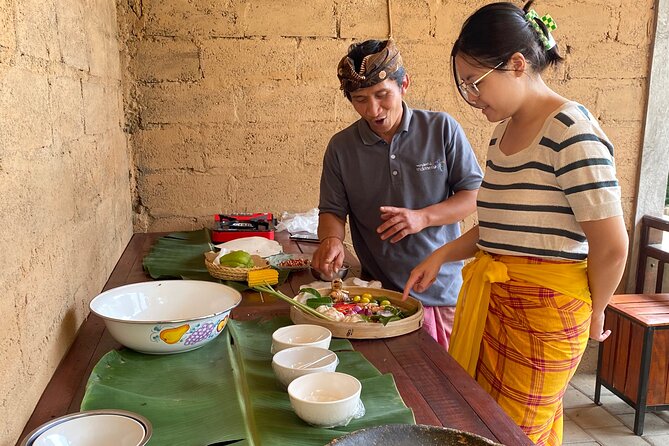
If you’ve done Bali classes that feel like a demo with cameras, this one aims for the opposite. The whole point is to cook in local homes using organic, chemical-free ingredients grown nearby. That changes the vibe fast. Instead of learning recipes in a classroom, you’re learning the logic behind Balinese flavors—what’s in season, what tastes right together, and how everyday cooking works when it’s part of village life.
I also like that it’s built around Munduk and the rural side of Bali, not the most crowded tourist strip. You get that quieter rhythm: gardens, fresh produce, and a calmer atmosphere that makes food feel less like a performance and more like something you actually could cook at home.
There’s one more practical upside. At $41.24 per person (about a half-day activity), you’re paying for a full experience: garden ingredient picking, instruction in a local setting, and a waterfall outing. You’re not just buying a recipe card.
You can also read our reviews of more cooking classes in Ubud
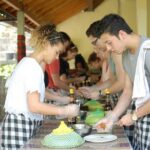
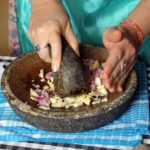
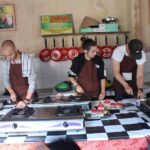
The natural cooking program: what you’ll do, step by step
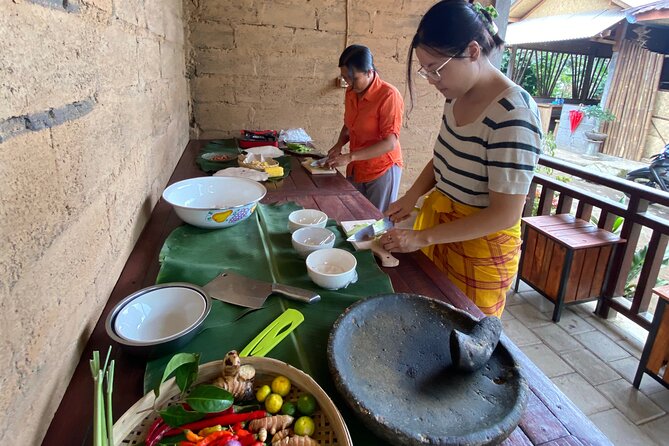
The day follows a simple flow: you start with ingredients, you cook with a guide, and you end with nature. The experience is called the Natural Cooking Program, and it’s designed so you’re not just watching someone else work.
Here’s what to expect:
- Garden time first: you go through the nearby garden area and select fresh ingredients for your meal.
- Cooking with an instructor/local guide: you work alongside them in the home kitchen environment.
- A rural setting that keeps it grounded: the experience is tied to village life and local routines, not a polished studio setup.
Then there’s the added bonus part: Banyumala Twin Waterfalls. The class isn’t only about food. It’s also about getting a breather after being in the kitchen—fresh air, movement, and that classic Bali water-and-rock contrast.
Because the total time is about 4 hours, you should treat it like an efficient, concentrated taste of Munduk life rather than a deep, hour-by-hour culinary workshop.
Garden picking: the part that makes the meal taste different
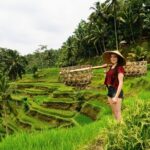
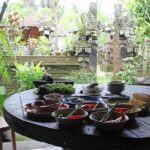
The “natural” part isn’t just marketing. You start by exploring the gardens of a local resident and handpicking fresh ingredients for what you’ll cook. That matters, because it changes how you think about the dish as you cook. You’re not guessing what went into your plate—you know.
It also helps you learn what local cooking really depends on:
- freshness
- seasonal availability
- simple ingredient swaps based on what’s growing nearby
Even if your cooking skills are rusty, picking the ingredients gives you confidence. You already have context. When your guide talks through flavor balance, you’ll understand what’s driving the taste, because you were literally there selecting the starting point.
This is also where the experience feels most “Munduk.” The area around Munduk is known for its cooler, greener feel, and the day leans into that. If you like experiences where your hands are part of the process, you’ll probably love this stage.
Cooking in a local home: how the lesson feels in real life
The class is hosted in the homes of local residents. That creates the difference between a tourist class and a community routine.
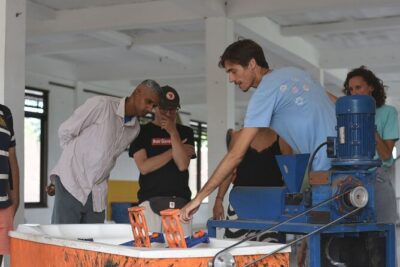
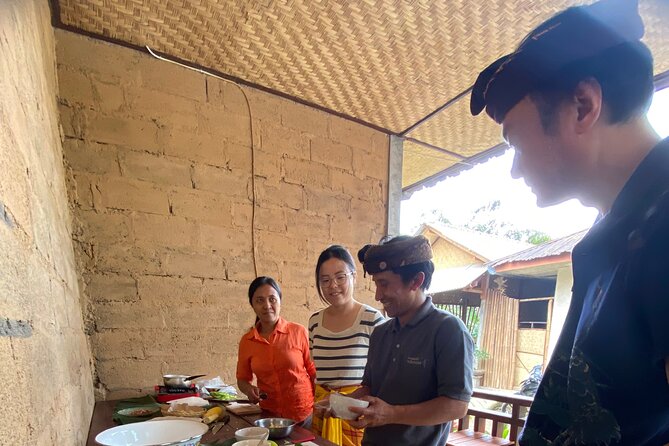
In the kitchen, you’ll cook authentic Balinese dishes with guidance from an instructor or local guide. The key detail is that you’re using organic, chemical-free ingredients, sourced from the nearby gardens. That’s not a small note. It affects what you notice—aroma, flavor clarity, and the overall “clean” taste people associate with fresh produce.
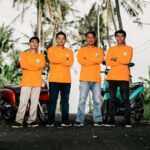
The welcome part shows up strongly in the feedback people share. Names like Kadek and Edi appear as hosts/owners in the stories. That usually means the experience is designed to make you feel comfortable fast: show up, get a warm greeting, and get working.
One thing you should be ready for: home-kitchen comfort standards can be more casual than what you expect from a restaurant. That’s not bad. It’s just reality. You’ll want to approach this like an invitation, not a hotel tour.
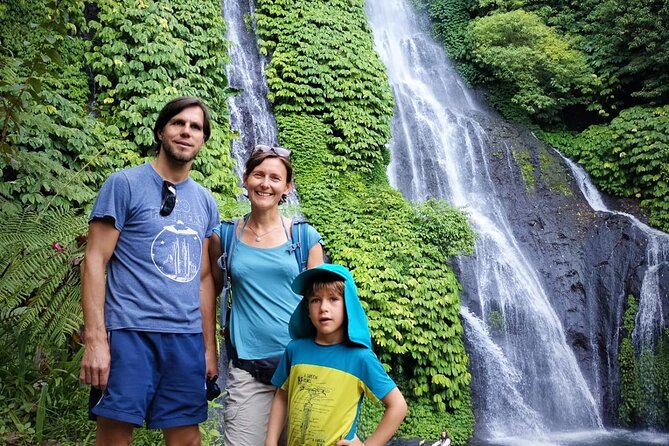
Banyumala Twin Waterfalls: adding nature without turning it into a hike-fest
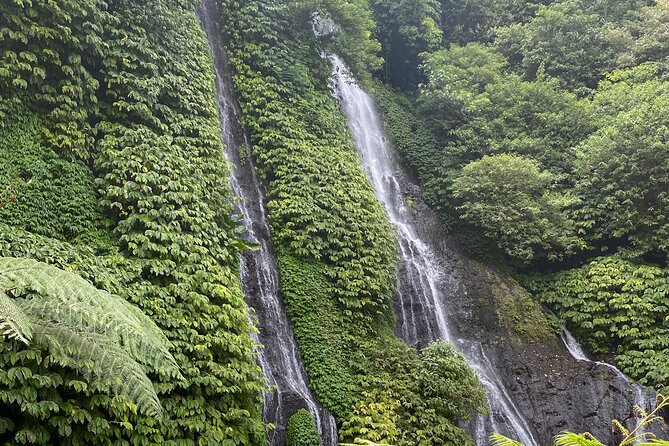
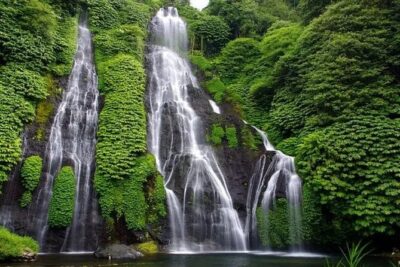
The day includes Banyumala Twin Waterfalls. This stop gives you the perfect contrast after cooking: you trade stove heat for cool mist and movement.
What you can count on from the structure:
- you start near the Banyumala area (meeting point is at De Koffie – Wanagiri on Jalan Air Terjun Banyumala)
- you’ll get to see the falls as part of the same half-day plan
Because the schedule is about 4 hours total, don’t expect a marathon trek. It’s more of a scenic break—short enough to keep the day moving, long enough to give you a real moment outside.
Practical mindset: bring the same energy you’d bring to any waterfall visit—solid shoes and attention to slippery surfaces. If you’re sensitive to wet, it’s worth bringing clothing you don’t mind getting damp around the edges.
You can also read our reviews of more tours and experiences in Ubud
Price and value: what $41.24 actually buys you
Let’s talk value without pretending it’s charity. At $41.24 per person, you’re paying for:
- ingredient picking in a garden setting
- hands-on instruction in a local home kitchen
- use of organic, chemical-free ingredients
- a connected outing to Banyumala Twin Waterfalls
- a format that can include pickup offered
For a 4-hour experience, it’s priced like a mid-range activity. The real value is that it’s not only a location change (Ubud to Munduk-area sights). You’re also getting a skill-based experience—cooking—that you can remember long after the photos.
Also note the small-but-real benefits:
- private tour/activity means only your group participates
- group discounts can make it even better if you’re traveling with friends or family
- mobile ticket helps keep things simple
If you hate paying for “watch someone else cook” tours, this one’s more likely to feel worth it because you’re actively involved and the ingredients come from a nearby garden.
Logistics that matter: pickup, meeting point, and timing
The experience lists a pickup option, and in practice that usually means you don’t have to manage every last turn on your own. Still, the start point is specific: De Koffie – Wanagiri near Jalan Air Terjun Banyumala, Wanagiri.
Because the tour duration is around 4 hours, timing is tight by design. You should aim to be ready a little early if you’re getting picked up, and plan for a smooth departure so you don’t feel rushed once you arrive.
The route also ends back at the meeting point. So don’t plan to wander far on your own right after the experience—your day closes where it starts.
You’ll also get confirmation at booking, and the tour uses a mobile ticket. That’s handy if you like fewer paper things.
Who this cooking class suits best (and who should rethink)
This is a great fit if you want:
- authentic local cooking rather than a performance-style class
- a hands-on ingredient-and-cook experience
- a day that mixes food with a meaningful nature stop (Banyumala Twin Waterfalls)
- a calmer, rural feel around Munduk rather than city-center hopping
It may be less ideal if:
- you’re looking for a very long, slow itinerary (this is about 4 hours)
- you want a big menu of multiple attractions with no cooking time (this is cooking-first, then waterfall)
- you’re uncomfortable with more casual home-kitchen settings
Most travelers can participate, so this is broadly approachable. Still, bring a reasonable expectation: you’ll be moving between garden, kitchen, and waterfall areas, and you’ll want shoes that work.
Practical tips so your day runs smoothly
A few small choices can make a big difference in a half-day cooking + waterfall plan:
- Wear grippy shoes. Waterfalls can mean damp rocks and slick steps.
- Bring a light layer. Weather can shift fast between garden areas and mist zones.
- Stay open to learning. The value here is the process—ingredient selection, cooking technique, and local logic—not just copying a recipe.
- Ask about ingredients during the garden walk. If your guide offers details, this is when you’ll get the most useful context.
- Plan to travel with the end point in mind. The activity ends back at De Koffie – Wanagiri, so coordinate your next move accordingly.
Finally, if you’re the type who likes thanking the people who host you, this is a great place to do it. One of the comments shared after the experience is about showing support to the local community in the village—totally aligned with the spirit of this kind of home-based visit.
Should you book this Munduk cooking + Banyumala day?
Yes, if you want a real Balinese home cooking experience tied to fresh, organic garden ingredients, and you also want a meaningful nature break at Banyumala Twin Waterfalls. At $41.24 for about 4 hours, it’s a strong value when you care about authenticity, not just ticking off another spot.
Skip it if you’re chasing a long, multi-stop sightseeing day or you prefer structured, restaurant-style cooking classes. This one is personal, rural, and hands-on—and it’s designed to feel like you’ve joined a local routine for a few hours.
If your ideal Bali day includes fresh food, a garden first step, and a waterfall moment right after, this should fit nicely.
FAQ
Where does the tour start and end?
The tour starts at De Koffie – Wanagiri on Jalan Air Terjun Banyumala, Wanagiri, Bali. It ends back at the same meeting point.
How long is the cooking class and waterfall experience?
The duration is about 4 hours.
Is pickup available?
Pickup is offered.
Is this tour private?
Yes. It’s listed as a private tour/activity, and only your group participates.
What kind of ingredients are used?
The cooking uses organic, chemical-free ingredients sourced from nearby gardens.
Can I cancel for free?
Yes. Free cancellation is available if you cancel up to 24 hours in advance for a full refund.