REVIEW · UBUD
Private Balinese Cooking Class in Ubud at Santika’s Home
Book on Viator →Operated by Traveling Spoon · Bookable on Viator
Cooking Bali beats restaurant hopping. This private Ubud class is run in Santika’s home kitchen in Pesalakan village, surrounded by rice paddies, with a real chef showing you how Balinese daily meals come together. I like that it’s truly hands-on—you cook alongside Santika with your own station—so you leave understanding the spice logic, not just the final plate. One thing to plan for: pickup and round-trip transport are included only for central Ubud hotels within about a 10 km radius, and farther hotels may pay an extra transport charge.
You can add a market stop if you choose the market + cooking option, which is a smart way to connect ingredients to flavor before you start chopping. The other big win is flexibility: vegetarian, vegan, lactose-free, and gluten-free options are available if you request them in advance. If you’re traveling with strict allergies or preferences, send details early so Santika can adjust the menu for your group.
In This Review
- Key takeaways
- Santika’s Pesalakan home kitchen: why this feels real
- The pickup and the drive to Ubud’s food countryside
- Market tour option: how to use the market to level up your cooking
- Inside the open kitchen: what hands-on cooking actually looks like
- The flavors you’ll learn: spices, technique, and Balinese daily dishes
- Your meal: homecooked Balinese food you actually made
- Price and value: what $68 buys you in real terms
- Who should book this cooking class (and who might skip it)
- Should you book the Private Balinese Cooking Class in Ubud?
- FAQ
- How long is the cooking class in Ubud?
- Does this experience include hotel pickup and drop-off?
- Is there a market visit?
- Is the class private or shared?
- Can I request vegetarian, vegan, or gluten-free meals?
- What ingredients and dishes does the class focus on?
- When can I cancel?
Key takeaways
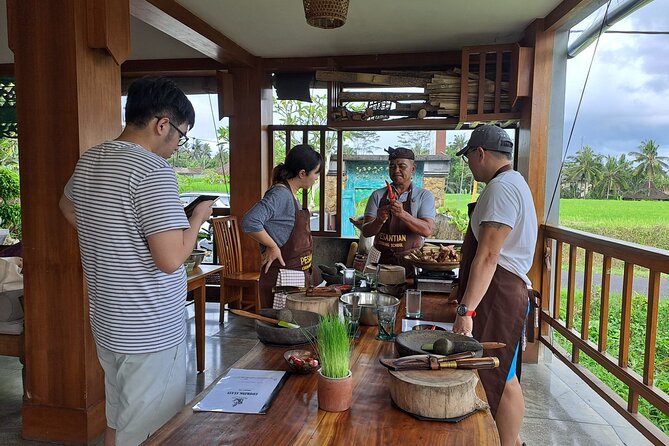
- Chef Santika cooks with you in an open home kitchen, using local ingredients and spices.
- Market option (for market + cooking) helps you spot produce and aromatics before class starts.
- Your own setup includes a work area with tools like a chopping board and mortar and pestle.
- Dietary flexibility is available for vegetarian, vegan, lactose-free, and gluten-free diets (request ahead).
- Private means private: only your group participates, even if other homestay guests are on the property.
Santika’s Pesalakan home kitchen: why this feels real
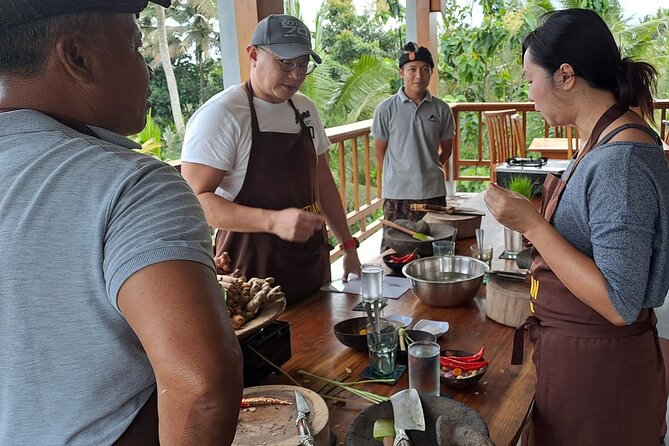
This experience is built around one simple idea: learn Balinese cooking at home, not behind a restaurant wall. Santika and his wife opened a homestay for travelers, and the cooking class takes place in their property kitchen in Pesalakan village, about a 20-minute drive from Ubud center. You’ll feel the slower rhythm of village life—especially because the setting is surrounded by rice fields instead of city traffic and storefront noise.
The private format matters. Even though the property can have other homestay guests, your cooking session is private and only your group participates. That gives you room to ask questions, get hands-on help, and avoid the awkward feeling of being herded through a scripted demo.
You can also read our reviews of more private tours in Ubud



The pickup and the drive to Ubud’s food countryside
Most classes start with hotel pickup in central Ubud. If your hotel is within roughly 10 km of Santika’s home, round-trip transport is included; beyond that, you should expect an extra transportation cost. This is worth factoring in, because the class is designed for a specific location—Pesalakan—rather than being staged at a central cooking school.
Once you’re in the car, you’re really going somewhere. The drive itself is part of the setup: you’re heading away from Ubud’s center and toward a more rural feel, where the ingredients you’ll buy (if you choose the market tour) are more connected to daily life. It’s also a practical consideration if you’re short on time in Ubud. The total experience is about 3 hours, so you’ll want to keep that morning or afternoon block clean.
Market tour option: how to use the market to level up your cooking
If you book the market + cooking option, your class begins with a visit to a local market. The goal isn’t to “shop for souvenirs.” It’s to understand what Balinese cooks actually use, and why certain items matter.
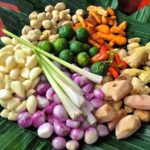
You’ll get a guided look at vegetables and ingredients that are common in the region, including things like cassava, ferns, lemongrass, and seasonal bananas. You may also have the chance to buy spices or a few vegetables that are in season—items you’ll later use in your cooking lesson. That sequence is helpful: seeing ingredients first makes the later chopping and cooking feel logical instead of random.
If you’re a visual learner, this part is a big advantage. You’ll leave the market with a mental map for flavors—aromatics here, greens there, sweet notes somewhere else—so when you’re at the stove, you know what you’re aiming for.
One consideration: the menu and ingredients can vary by season. That’s normal for a cooking class tied to local sourcing, but it does mean your final dishes won’t be identical to someone else’s class on a different month.
Inside the open kitchen: what hands-on cooking actually looks like
After the market (or after the drive, if you choose cooking-only), you’ll head to Santika’s home amid the rice fields. The cooking takes place in an open kitchen where you join your host and work directly with the ingredients. The class is about 1.5 hours of hands-on cooking, plus time for the meal you prepare afterward.
Here’s what you can expect from the structure:
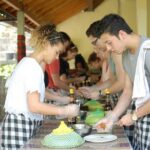
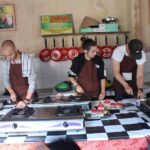
- You get your own work area with a chopping board, a mortar and pestle, and access to a stove.
- You cook along with Santika, not just watch.
- The focus is on traditional Balinese daily dishes, using local spices and ingredients.
This setup is great for first-timers. Balinese cooking can sound intimidating because of the number of ingredients in spice pastes and marinades. But a hands-on pace helps you learn fundamentals: how herbs smell when bruised, how paste textures change, and how flavors build step-by-step.
It’s also a class format that can work well for families. In the reviews, kids enjoyed it when the session turned into real cooking rather than passive sitting. If you’re traveling with children, it’s a good sign when the class is active and supervised.
The flavors you’ll learn: spices, technique, and Balinese daily dishes
The menu depends on the season, but the teaching approach is consistent. Santika introduces Balinese ingredients, explains how the cuisine works, and then guides you through cooking a traditional meal using local spices.
What’s valuable here isn’t just the final food. It’s the technique behind the flavors:
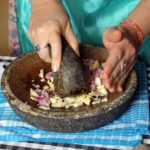
- How aromatics are handled (especially with tools like the mortar and pestle).
- How spice blends are built and adjusted.
- How daily dishes balance bold, earthy spice with other tastes in the meal.
One review put it well: even if you’ve eaten Indonesian food before, Balinese spice flavor can feel different, and learning the basics from a master chef changes how you see the food. I think that’s the real payoff. Instead of relying on restaurant familiarity, you start connecting what you taste with what you did in the kitchen.
And because it’s private, you can ask practical questions as you cook. If something tastes too sharp, too salty, or not fragrant enough, you’re not waiting until the end to ask. You can correct along the way, which is how you build real cooking confidence.
You can also read our reviews of more cooking classes in Ubud
Your meal: homecooked Balinese food you actually made
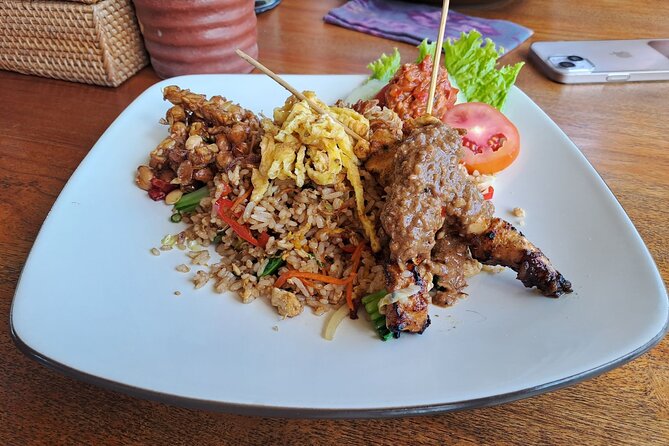
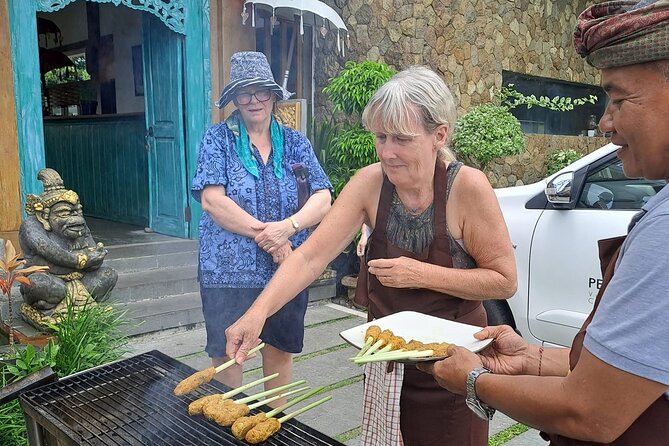
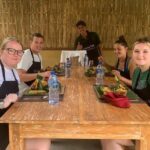
After about 1.5 hours of cooking, you eat the meal you helped prepare. The included homecooked Balinese meal is part celebration, part learning check: you get to taste how the techniques you practiced translate into real food on a plate.
Expect daily-style Balinese cooking rather than a fancy showplate menu. That’s a plus if you want food you can picture eating again at a family table, not just dishes designed for photos. It’s also a practical way to carry the lesson forward—you can recreate your memories of the flavors later when you buy similar ingredients at home.
If you requested dietary needs—vegetarian, vegan, lactose-free, or gluten-free—Santika will tailor the menu. Just remember that “adapted” still means you’ll be learning Balinese principles, not switching to a generic international substitute.
Price and value: what $68 buys you in real terms
At $68 per person, this class isn’t a budget cooking workshop, but it also isn’t priced like a luxury food tour. What you’re paying for is the private setup: a chef host (Santika), a home-kitchen environment, hands-on instruction, hotel pickup within central Ubud, and a meal that comes from what you cook.
The math gets easier when you consider what’s included:
- Private, personalized cooking class with Santika
- Your own cooking station and guided cooking time
- The meal you prepare
- Homecooked Balinese meal (not just snacks)
- Hotel pick-up and drop-off for central Ubud hotels within the included radius
It’s also easier to justify if you plan to do more than one “activity” in a day. A 3-hour class with pickup and a full meal means you’re combining transport + instruction + food in one block.
If your hotel is outside central Ubud and transportation costs increase, the value will depend on your budget. But if you want a genuine home-based lesson, the setting is part of the price.
Who should book this cooking class (and who might skip it)
This is a strong match if you want:
- A hands-on Balinese cooking lesson rather than a passive tasting tour
- A private class with space to ask questions
- A market connection (if you choose market + cooking)
- Dietary flexibility with vegetarian, vegan, lactose-free, and gluten-free options available on request
It may be less ideal if:
- You’re looking for a multi-stop tour with lots of landmarks, because this experience centers on the home kitchen and (optionally) one market.
- You’re tight on time outside central Ubud, since transport inclusion is limited to hotels within about a 10 km radius from Santika’s home.
If you’re the type of traveler who likes to understand how food is made, you’ll get more out of this than a simple meal. The best part is learning the spice logic you can actually reuse later.
Should you book the Private Balinese Cooking Class in Ubud?
Book it if you want an authentic Ubud food experience that doesn’t feel like a canned show. The biggest strengths are the private format, the home-kitchen setting in Pesalakan village, and the fact that you cook alongside Chef Santika with your own work area. Add the market option if you love learning by seeing ingredients first—cassava, ferns, lemongrass, and seasonal produce make a difference when you later taste what you chose.
Skip it only if you prefer restaurant-style meals with no cooking involvement, or if the extra transport cost (for hotels outside central Ubud) would make the price feel too steep. Otherwise, this is the kind of class that gives you both a great meal and a real skill you can repeat at home.
FAQ
How long is the cooking class in Ubud?
The experience lasts about 3 hours total, including roughly 1.5 hours of hands-on cooking.
Does this experience include hotel pickup and drop-off?
Yes, hotel pickup and drop-off are included for central Ubud hotels within about a 10 km radius of Santika’s home. If your hotel is outside that area, there may be an additional transportation charge.
Is there a market visit?
That depends on which option you choose. If you select the market + cooking option, you’ll visit a local market before heading to the home kitchen.
Is the class private or shared?
It’s private. Only your group participates, even though Santika also runs a homestay property.
Can I request vegetarian, vegan, or gluten-free meals?
Yes. Vegetarian, vegan, lactose-free, and gluten-free options are available on request—let Santika know your needs at booking, especially if you have allergies or strong preferences.
What ingredients and dishes does the class focus on?
You’ll learn traditional Balinese dishes using local ingredients and spices. The menu can vary depending on the season.
When can I cancel?
You can cancel for a full refund if you cancel at least 24 hours before the experience start time.