REVIEW · KUTA
Traditional Balinese Cooking Class with Ubud Tour
Book on Viator →Operated by PT.WAHYU MANDIRI TOUR · Bookable on Viator
Cooking first, temples after, at 7 a.m.
This is a full-day Bali plan built around hands-on cooking and a relaxed family-style meal, with an added culture hit from temple visits. I love how the morning starts with you choosing fresh produce and then cooking real Balinese dishes step-by-step. I also like the photo side of the day: you get dressed in Balinese costume for classic, memorable shots.
One thing to consider: it’s an early start and a long day (about 8 hours) with driving breaks in between, so don’t book this if you want a slow, late-morning pace.
In This Review
- Key highlights worth knowing
- A 7:00 am start that makes the day feel longer (and better)
- Fresh produce picking: where cooking stops being “a class”
- The cooking lesson: chicken, satay, banana leaf chicken, and fruit salad
- Lunch you actually made: why this meal feels different
- Temple stop one: Taman Mumbul and why it’s more than a photo
- Tanah Lot: the classic sea temple moment
- Ubud Palace and the Traditional Art Market: a quick culture bonus
- Price and value: what $65.65 gets you in real terms
- Logistics that actually matter: group size, tickets, and time
- Who should book this cooking-and-temple day?
- Tips to make the day smoother
- Should you book this tour or skip it?
- FAQ
- How long is the Balinese cooking class with Ubud tour?
- What does the tour include for meals and drinks?
- Which temples do you visit during the day?
- How many people are in the group?
- Do you offer hotel pickup and drop-off?
- Is the tour suitable for young children?
Key highlights worth knowing

- Small-group size (max 6): easier conversation, quicker help while you chop and mix.
- Fresh produce selection: you pick herbs and vegetables before you cook, not just after.
- Cook a full Bali lunch: you eat what you make, plus coffee/tea and sweets.
- Temple photography stops: Taman Mumbul and Tanah Lot are both on the plan.
- Village-to-market storytelling: you learn how local ingredients and daily life connect to food.
- Weather and timing matter: you start at 7:00 am, so bring sunscreen and plan your energy.
A 7:00 am start that makes the day feel longer (and better)
The day starts early, with pickup around 7:00 am, depending on where you’re staying. The tour includes transport in an air-conditioned minivan, and it can pick you up from a wide range of places (including Ubud, Canggu, Kuta, Seminyak, Sanur, Nusa Dua, Jimbaran, and Uluwatu), as long as your hotel is in the selected pickup list.
Why start so early? Two reasons: you’re in the village before the heat really ramps up, and it gives you time for everything—cooking, lunch, and two major temple visits—without feeling rushed later at the day. The downside is simple: if you’re not a morning person, set an alarm and hydrate right away. You’ll be busy most of the day, so you might as well beat the clock.
I also like that the tour keeps the group small (up to 6). That matters when someone is showing you how to season, when to blend sauces, and how to assemble dishes like banana leaf chicken. In a larger crowd, you’d spend your time waiting. Here, you can actually participate.
You can also read our reviews of more cooking classes in Kuta

Fresh produce picking: where cooking stops being “a class”
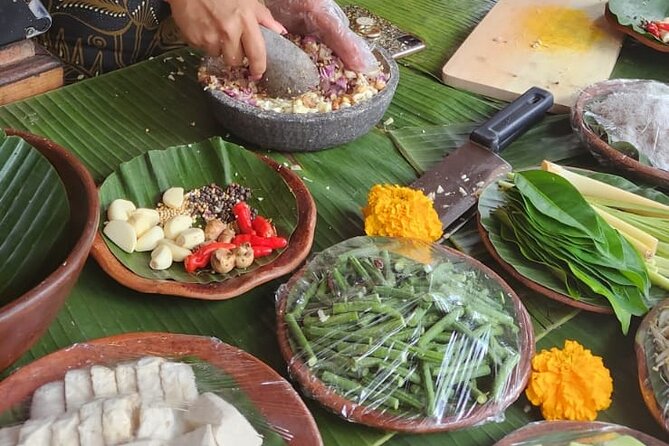
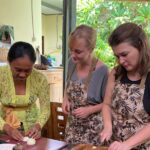
Before you cook, you’ll head out by bicycle with your host/guide to a nearby plantation area. This is where the experience turns from learn-to-cook to actually understand Bali flavors.
You get to select ingredients to use during your session—think herbs, vegetables, and other fresh produce. It’s not complicated, but it’s smart. When you later chop and season with your own chosen ingredients, everything tastes more intentional. You’re not just following steps. You’re connecting the plant to the dish.
Practical note: you don’t need to be a gardener to enjoy this part. But comfortable shoes help if the path is uneven, and loose clothing is nice if it’s humid.
After the produce picking, you return to the village kitchen area with your ingredients. Then comes the fun part: you change into traditional Balinese clothing. It’s not just for looks. It helps the day feel like cultural participation instead of a quick tourist stop.
The cooking lesson: chicken, satay, banana leaf chicken, and fruit salad
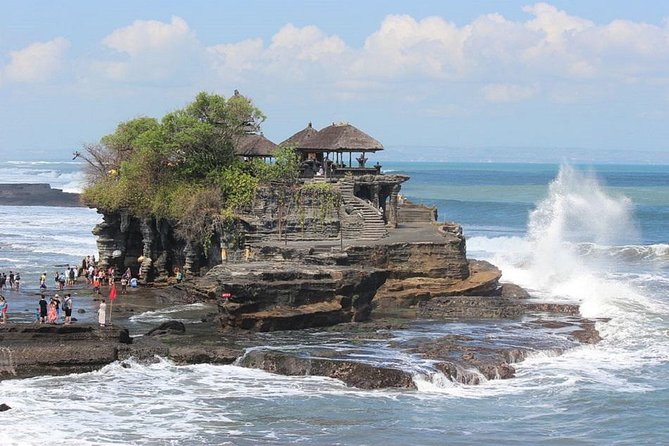
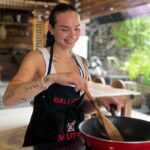
Now you’re in the kitchen for real cooking. Your host explains the menu and the process for each dish, and you work hands-on: chopping vegetables, seasoning meat, and blending sauces. This is the core of the value here—you cook, you don’t just watch.
The tour’s menu includes dishes like:
- chicken soup
- mixed vegetables with fresh coconut satay
- banana leaf chicken
- tropical fruit salad
You’ll also experience the rhythm of Balinese flavors: spice layered in multiple steps, and ingredients handled in a way that respects both taste and texture. Even if you’re not an experienced cook, the format helps. You’ll have guidance as you go, and the pace is set for learning rather than speed.
From the tone of the instruction style shared by previous participants, the teaching approach tends to be patient and encouraging. One instructor name that comes up is Yanti, praised for being calm with the group and giving clear direction. That kind of energy matters. Cooking takes coordination. You want someone who helps you fix a mistake fast, not someone who rushes you through it.
Also, the day includes a food photo moment in costume. It sounds minor, but it adds a satisfying “I did this for real” memory. You’ll leave with pictures that look like a story, not a random selfie next to a dish.
Lunch you actually made: why this meal feels different
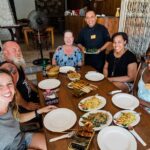
After cooking, you sit down with your intimate group and eat the results. The tour includes lunch, and it’s specifically the food you cooked during the class. That’s a big difference versus many cultural tours where lunch is just an included add-on.
The meal doesn’t stop at lunch either. You also get dessert and coffee or tea with Balinese sweets at the venue. So you’re not hungry two hours later wondering where to go next.
What makes this lunch work for your day is how it closes the loop. You picked ingredients, you handled them, and then you taste the final dish. If you like food as a travel souvenir, this is one of the best ways to do it without buying anything.
Two practical tips:
- Eat slowly at the meal. Balinese dishes can include several components and spices, and it’s worth noticing what tastes different between dishes.
- Plan for at least a small appetite before lunch. You’ll be working in the morning, and you’ll want to enjoy every plate instead of eating just to survive the heat.
Temple stop one: Taman Mumbul and why it’s more than a photo
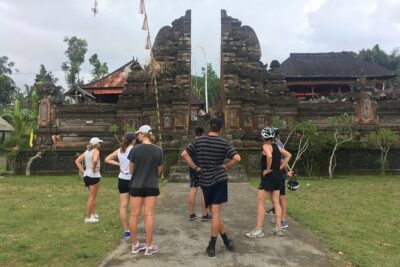
After lunch, you head to Taman Mumbul. This is one of the tour’s temple stops, and it’s a key part of the cultural arc of the day.
Temple visits are never only about sightseeing. They’re where you see daily Bali belief reflected in architecture, offerings, and how people move through sacred spaces. At Taman Mumbul, you’ll get a chance to take in the setting and understand why these places matter to locals—not just as landmarks.
There’s also a practical benefit: you get a change of pace from cooking. Your body has spent the morning chopping and stirring. Now you’ll do slower walking, looking, and photographing.
Keep in mind that temple visits usually come with etiquette: dress appropriately and follow the guide’s instructions. The tour includes an English-speaking driver/guide during the temple touring portion (as listed for Taman Mumbul and Tanah Lot), so you should be able to get help on what’s expected.
You can also read our reviews of more tours and experiences in Kuta




Tanah Lot: the classic sea temple moment
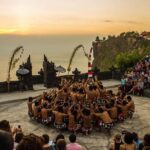
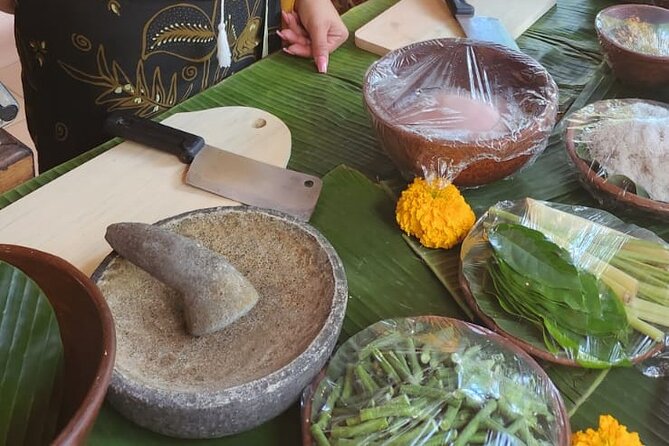
Next up is Tanah Lot, Bali’s famous sea temple. If you’ve seen photos online, you already know the vibe: dramatic coastal views, and that iconic temple silhouette.
Why this stop is worth including on a cooking day: it balances the day. You start in a village kitchen with spices and hands-on food. Then you finish at a coastal sacred site where the atmosphere is open and wide. It gives your trip a “full circle” feeling—ingredients and land, then sea and spirituality.
Photo tip: plan to take your shots without sprinting. Coastal areas can have wind, and walking surfaces can be uneven. If you dress for the morning and it warms up, you might want a light layer for comfort later.
Ubud Palace and the Traditional Art Market: a quick culture bonus
The day also includes stops tied to Ubud: Ubud Palace and the Traditional Art Market.
This is a useful add-on if you want more than just the cooking and temples. It gives you a sense of where art, crafts, and everyday culture sit in the same general region. The art market stop also helps you understand how the visual side of Balinese culture connects to the social life around it.
Just set expectations: this is not a full shopping marathon. It’s a cultural check-in. If you’re looking for a deep dive into Ubud arts, you’ll still want an extra day on your own. But as part of a single day tour, it makes the overall experience feel more rounded.
Price and value: what $65.65 gets you in real terms
At about $65.65 per person, the price lands in the mid-range for Bali experiences. It’s not the cheapest option. But it includes several things that raise the value:
- hotel pickup and drop-off from select hotels
- air-conditioned transport
- the cooking host/guide for the class
- lunch made from what you cook
- coffee or tea with Balinese sweets
- temple touring support with an English-speaking driver/guide for Taman Mumbul and Tanah Lot
That combination is what you’re paying for: instruction + ingredients-to-plate lunch + major cultural stops in one day. For me, that’s the real selling point. You’re not just buying a ticket to a dish. You’re buying a schedule that would take planning and driving time to replicate.
Also, group size helps value. With up to 6 travelers, you’re paying for a more personal ratio, which makes the cooking portion feel less like a factory class.
Not included are alcohol (available to purchase) and dinner. So if you’re prone to getting hungry after a long day, plan for a casual dinner after your hotel drop-off.
Logistics that actually matter: group size, tickets, and time
This tour runs roughly 8 hours. With a 7:00 am start, it’s a full day, so choose it on a day you don’t plan to cram in other activities.
A few practical notes:
- Mobile ticket: you’ll receive a mobile ticket, which makes check-in simpler.
- Max 6 travelers: smaller group means more attention during the cooking steps.
- Minimum 2 people per booking: it requires at least two people for it to run, which is usually fine for couples or small groups.
- Hotel pickup: only select hotels are eligible, so confirm your exact pickup location when booking.
If your plans are uncertain, cancellation is listed as free with a deadline of 24 hours before the experience start time, so you have some breathing room if weather or timing shifts.
Who should book this cooking-and-temple day?
This is a great fit if you:
- love cooking and want to learn techniques you can repeat at home
- enjoy cultural stops that connect to food, not just stand alone
- like small groups where you can ask questions while you cook
- want an efficient Bali day that mixes village life, temple beauty, and Ubud culture
It may be less ideal if you:
- hate early mornings and long days
- want a very relaxed, slow sightseeing pace (this is structured and time-based)
For families: child participation has conditions. The tour notes it’s not recommended for children under 5. Child pricing applies only when sharing with 2 paying adults.
Tips to make the day smoother
You can’t control the humidity, but you can control your comfort.
- Wear breathable clothes for the morning cooking session, then bring something light for later.
- Wear shoes you can handle around a village/plantation area.
- Bring sunscreen and water habits early. You’ll start at 7:00 am and still work up a sweat.
- If you want the best photos, try to plan your timing at costume moments and at Tanah Lot without rushing every second. Wind and crowds can mess with your shot if you’re sprinting.
And one more mindset tip: treat this like a shared meal, not like a performance. If your energy is friendly and curious, the whole day tends to feel warmer.
Should you book this tour or skip it?
Book it if you want a day where your hands do the learning and your plate seals the deal. The combination of fresh produce picking, a cooking class that leads to lunch you make yourself, and then temple stops like Taman Mumbul and Tanah Lot gives you a lot of meaningful variety for one ticket price.
Skip it if you’re searching for a purely sightseeing-focused day or you only want a quick food taste. This is built around cooking time and structured stops, so it rewards people who actually want to participate.
If you’re deciding between this and a simpler food tour, I’d choose this when your main goal is skills and a real lunch. If you’d rather sleep in and move at your own pace, you’ll likely feel happier picking a later-time activity.
FAQ
How long is the Balinese cooking class with Ubud tour?
The tour duration is approximately 8 hours.
What does the tour include for meals and drinks?
You get lunch, which is the food you cook during the experience, plus coffee or tea with Balinese sweets at the venue. Alcoholic drinks are available to purchase, but dinner is not included.
Which temples do you visit during the day?
The tour includes a visit to Taman Mumbul Temple and Tanah Lot sea temple.
How many people are in the group?
This tour has a maximum of 6 travelers.
Do you offer hotel pickup and drop-off?
Pickup and drop-off are offered from select hotels. The pickup area can include Ubud, Canggu, Kuta, Legian, Seminyak, Sanur, Nusa Dua, Jimbaran, and Uluwatu.
Is the tour suitable for young children?
The tour is not recommended for children under 5. Child rate applies only when sharing with 2 paying adults.
If you tell me your exact hotel area (Kuta vs Ubud vs Seminyak, etc.) and travel dates, I can help you decide whether the 7:00 am start fits your schedule and which time of day to plan for dinner afterward.