REVIEW · UBUD
Afternoon Cooking Class & Making Bali Offering with Dinner
Book on Viator →Operated by Wayan Aris · Bookable on Viator
Nine dishes, one family, and real Balinese flavor. In this Ubud afternoon class run by Wayan Aris, you start with a canang offering ritual, then move into grinding and cooking your own Balinese spice paste, the base for many dishes. The pace stays relaxed, and you get to taste what you’re making as the meal comes together.
I also like the setup: hotel pickup in the Ubud center, a welcome drink of cold ginger tea, and a sit-down meal made from scratch by your own hands, plus a PDF copy of the nine recipes. The main drawback to consider is that the afternoon option does not include a market visit, so if ingredient shopping is a big part of the appeal for you, you’ll want to plan around that.
In This Review
- Key things to know before you go
- Why this Ubud class feels different from a typical cooking tour
- Timing and pickup: what the 2:00 pm afternoon slot means
- Welcome drink and the canang offering ritual
- The spice paste lesson: why this base ingredient is the real skill
- Cooking up to nine recipes: how the class moves step by step
- The meal at the family house: lunch or dinner, same idea
- Ingredient shopping: what to expect for the afternoon (and what’s not included)
- Price and value: is $46 actually fair?
- What to bring (and how to avoid small-day annoyances)
- Who should book this, and who might skip it
- The name behind the class: Wayan Aris and a family-run feel
- Should you book this Ubud cooking class?
- FAQ
- How long is the afternoon cooking class?
- What is the price for the experience?
- Is hotel pickup included?
- Is there a market visit in the afternoon session?
- What will I be making during the class?
- Do I get to eat what I cook?
- Are recipes provided to take home?
- What is the group size?
- Can I cancel for a refund?
Key things to know before you go
- Canang offering included: you’ll learn how this daily Balinese prayer offering is made.
- Spice paste is the heart: you focus on the base ingredient that powers many dishes.
- Up to nine dishes: you cook and sample along the way, then eat a big meal you made.
- Family-house dining: the dinner happens at the host’s home, not a staged restaurant room.
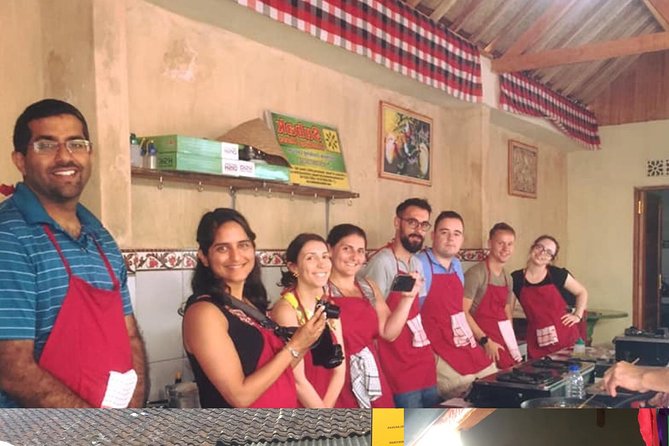
- Small group size (max 12): easier to get help while you’re chopping, grinding, and cooking.
- Pickup/drop-off is limited to Ubud center: outside the area usually needs extra charges.
Why this Ubud class feels different from a typical cooking tour
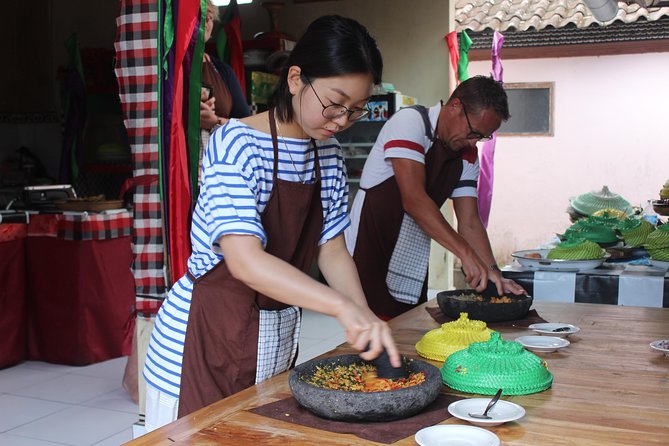
This isn’t just about following a recipe. It’s about learning the rhythm of Balinese cooking in a real household setting, with a local host guiding you step by step. You’ll start with a canang offering, which sets the cultural tone before you touch ingredients. Then the class shifts to the work that actually makes the food taste like Bali: the spice paste.
What I like most is that the class structure keeps you busy, but not rushed. You’re not just watching someone else cook for hours. You’re making dishes yourself, tasting your own results, and ending with a meal that feels earned. At the same time, you’re in a small group, so questions aren’t a problem.
One more practical detail that matters: you’re also given a PDF with the nine recipes. That’s huge if you want to repeat the dishes at home without trying to remember everything while your brain is still full of spices.
You can also read our reviews of more cooking classes in Ubud
Timing and pickup: what the 2:00 pm afternoon slot means
The session starts at 2:00 pm. Pickup is arranged from hotels in the Ubud center area, and you’ll return to your pickup point afterward. If you’re staying outside Ubud center, you should expect additional charges for pickup, unless you request it.
This matters for your planning. A 5-hour afternoon experience is a great fit if you want something hands-on without eating up your whole day. But it also means you’re likely cooking and then eating around dinnertime. Wear comfortable clothes and expect you might get a little sticky from spice paste work.
Also, you’ll get a mobile ticket, so you’re not juggling paper vouchers. That’s a small thing, but it makes check-in easier after a day of walking in Ubud.
Welcome drink and the canang offering ritual
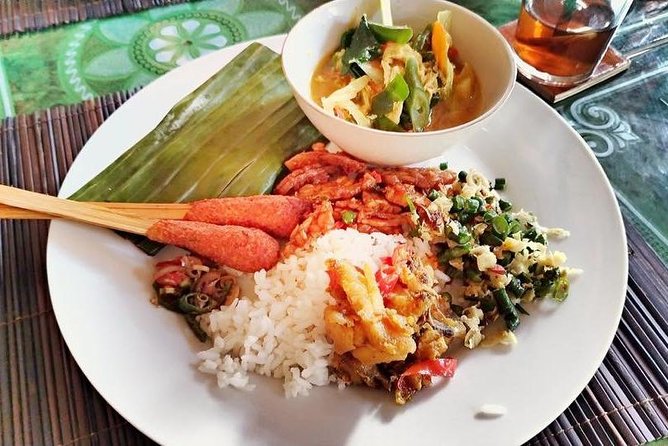
Before the cooking starts, you’re welcomed with cold ginger tea. It’s a simple comfort after travel time and heat, and it’s also a nice cue that this is a family-run flow, not a factory schedule.
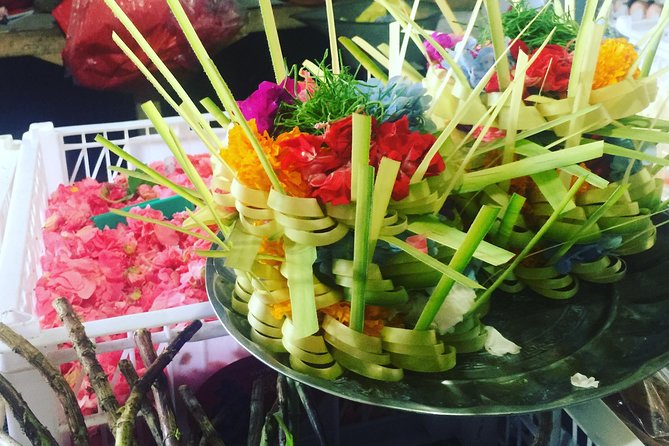
Then comes the part that many cooking classes skip: making a canang Bali offering. This is a small daily offering used in Balinese Hindu practice. You’ll learn the making steps as part of the experience, and the timing is smart. You’re focused and calm at the start, so it feels like you’re joining the household routine—before the kitchen gets busy.
If you’re the type who likes travel moments that go beyond food, this ritual is one of the best value pieces of the day. It adds meaning and context, without turning the class into a lecture.
The spice paste lesson: why this base ingredient is the real skill
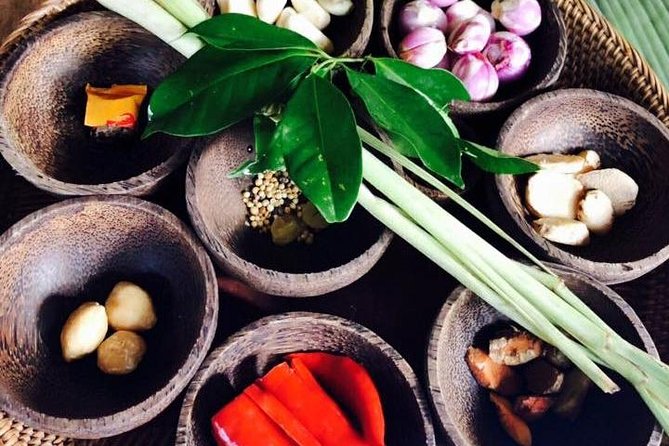
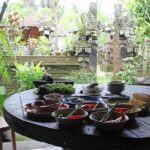
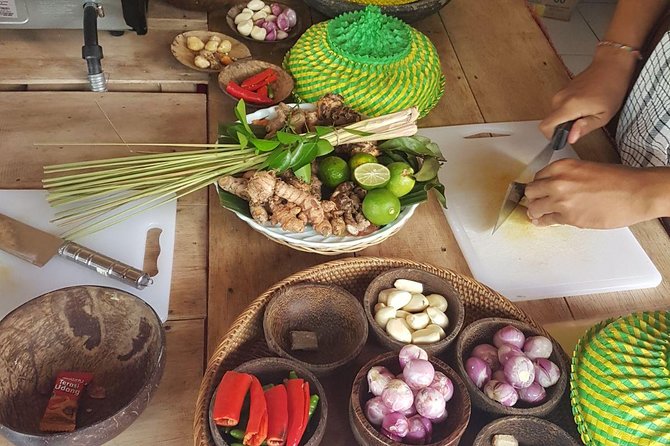
The backbone of Balinese flavor here is the Balinese spice paste. You’ll make it early in the class, and you’ll learn how it becomes the base for multiple dishes.
Even if you cook a lot at home, paste-based cooking is its own skill set. You’re not just seasoning at the end—you’re building flavor from the start. That’s why this lesson pays off: once you understand how the paste works, you can get closer to the taste even when you’re cooking something new later.
A practical note: the class flow is designed so you can keep moving through the meal. Some ingredients may be partially prepared already, which helps you finish all the recipes within the time window. That pacing is one reason people often say the day feels smooth.
Cooking up to nine recipes: how the class moves step by step
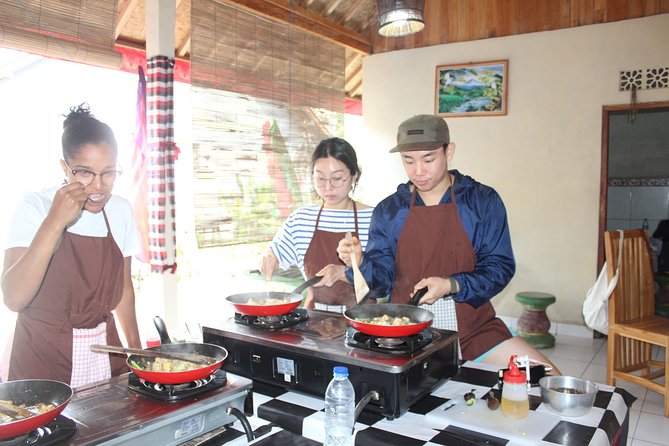
This is where the afternoon class earns its keep. You’ll make up to nine Balinese recipes during the session, and you’ll taste as you cook. The goal is not only to finish dishes, but to learn what’s happening so you can recognize flavor and texture.
Here’s what that feels like in real life:
- You start with foundational work connected to the spice paste.
- Then you move dish by dish, with guidance as you chop, mix, cook, and adjust.
- You’re able to taste your creations along the way, so you’re not waiting until the end to find out if something worked.
One detail that helps expectations: some key prep may be done for you ahead of time (like cutting or pre-cooking certain items). That keeps the class from becoming a marathon of knife work. It also means you’ll spend more time learning technique and less time getting stuck on tedious steps that don’t teach much.
And because the group is capped at 12 travelers, you’re less likely to feel lost. You can ask for help, and your host can guide you without rushing everyone.
You can also read our reviews of more tours and experiences in Ubud


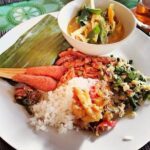
The meal at the family house: lunch or dinner, same idea
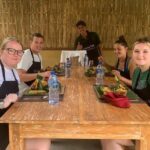
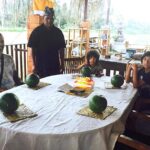
After you cook, you eat what you made at the host’s home. The experience is built around a big meal and the idea that you’ll savor the results together in the same setting where you cooked.
This is one of the strongest parts of the day for value. At $46, you’re paying for more than a class—you’re paying for ingredients, instruction, transfers (for the Ubud center), and a full meal you cooked yourself. For many people, the satisfaction comes from that moment when you realize you finished nine dishes and you actually get to eat them while they’re at their best.
You’ll also have mineral water and bottled water included. That’s not just convenient—it’s practical when your hands are in warm kitchens and you’re working with spice-heavy food.
You may even be able to take some food home if there’s extra, since this day is set up for home-style serving. If that’s important to you, ask your host during the session.
Ingredient shopping: what to expect for the afternoon (and what’s not included)
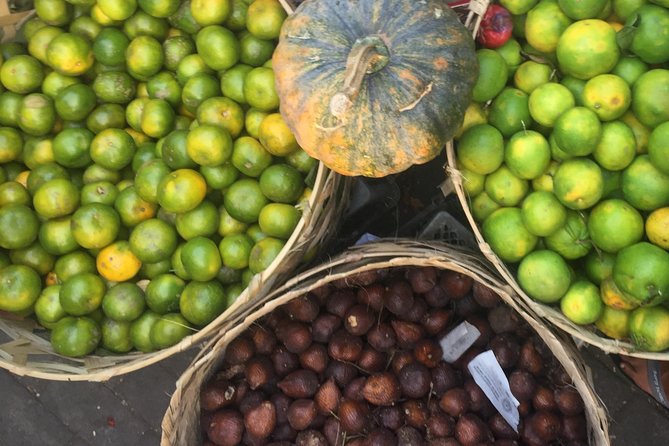
Here’s the one snag to plan around: the afternoon version does not include a market visit. The experience description talks about shopping for ingredients in a local market, but the afternoon format specifically doesn’t do that.
So for the afternoon class, don’t count on an ingredient-shopping stop as part of your 5-hour schedule. You will still cook with local ingredients, but you’re not necessarily going out to pick them yourself.
If you want a market walk as part of your Bali “food day,” you’ll want to look for a morning session instead, or at least build in time elsewhere in Ubud. Ubud’s markets are part of the fun, and it’s worth seeing them if that’s your thing.
Price and value: is $46 actually fair?
At $46 for about 5 hours, this is good value when you compare what’s included.
You’re getting:
- Round-trip transfers from Ubud center hotels
- A cooking class with up to nine dishes
- A canang offering activity
- Dinner made from your own cooking (or a meal served from that cooking session)
- Cold ginger tea
- Mineral water/bottled water
- A PDF with nine recipe copies
The real value isn’t only the meal. It’s the skill transfer. Learning spice paste isn’t a one-time trick—it’s a technique you can use later. And tasting while you cook helps you understand whether you’re on track.
Is it a luxury experience? No. It’s not a polished show. It’s a real household lesson. But for most people, that’s the point, and it’s why the class tends to be seen as a must-do rather than a forgettable activity.
What to bring (and how to avoid small-day annoyances)
This class is hands-on, so prepare like you’re joining a kitchen. A few practical things from the experience info:
- Bring cash money if you want to buy anything during the day.
- If you’re outside Ubud center and you request pickup, be ready for additional charges.
- Wear comfortable clothes you don’t mind getting splashed or smelling a bit like spice paste later.
- Bring a basic sense of humor about the mess. Cooking classes are always a little chaotic, and that’s part of the charm.
Also, since you’re starting at 2:00 pm, plan your morning accordingly. If you try to pack in heavy activities right before, you might feel tired halfway through the cooking.
Who should book this, and who might skip it
You’ll love this experience if you:
- Want to cook multiple dishes rather than learning just one or two.
- Like classes with a family setting where you can ask questions.
- Care about learning the backbone ingredient, especially Balinese spice paste.
- Prefer smaller groups and a calmer pace.
You might skip it (or plan differently) if:
- You strongly want a market tour as part of the afternoon itinerary, since that portion isn’t included for this time slot.
- You’re looking for a high-end, restaurant-style experience. This is home cooking instruction.
The name behind the class: Wayan Aris and a family-run feel
The experience is run by Wayan Aris, and the day has the feel of a small, family-run operation. You’ll cook with a Balinese local family, and the class is structured around that household flow: welcoming drink, offering ritual, spice paste base work, then the dishes and meal.
Even when you’re in a group, it still tends to feel personal because there are only up to 12 travelers. That helps with timing, attention, and the feeling that you’re learning rather than just being processed.
Should you book this Ubud cooking class?
If you want a real Balinese food day without the stress of planning ingredients or recipes, this is a solid choice. The combination of canang offering, spice paste technique, and up to nine dishes you actually cook and eat makes it worth your afternoon.
I’d book it if you’re staying in Ubud center and you like the idea of transfers included. I’d reconsider if you’re specifically chasing a market tour during the afternoon, since that part isn’t part of the session.
If you want a hands-on cultural and culinary activity that ends with a full meal you made yourself, this is a strong match.
FAQ
How long is the afternoon cooking class?
The experience runs about 5 hours.
What is the price for the experience?
The price is $46.
Is hotel pickup included?
Yes, round-trip transfers are included from hotels in the Ubud center area. Pickup outside Ubud center may require additional charges, and you need to request it.
Is there a market visit in the afternoon session?
For the afternoon class, a market visit is not included.
What will I be making during the class?
You’ll learn to make a canang Bali offering, create Balinese spice paste, and then cook up to nine Balinese recipes.
Do I get to eat what I cook?
Yes. You’ll enjoy your dishes at the family house as a lunch or dinner experience.
Are recipes provided to take home?
Yes. You’ll get a PDF copy of the nine recipe instructions.
What is the group size?
The class has a maximum of 12 travelers.
Can I cancel for a refund?
Yes. Free cancellation is available. You can cancel up to 24 hours in advance for a full refund; within 24 hours, the amount paid is not refunded.