REVIEW · UBUD
Keliki Village Tour And Rice Field Walk Including Lunch Or Dinner
Book on Viator →Operated by Keliki Eco Tourism · Bookable on Viator
Want quieter Bali than central Ubud? This Keliki Village trek leads you from Ubud area into jungle footpaths and working rice fields, with a personal guide who explains what you’re seeing as you go. I love the slow, comfortable rhythm of the walk and how the stop at Keliki lets you connect with Balinese farmers and everyday island life. One thing to plan for: you’re walking most of the time, and this experience is weather-dependent—so good footwear and a realistic pace matter.
In This Review
- Key highlights you’ll actually feel on this walk
- Keliki’s jungle-to-rice walk feels different from busy Ubud
- Price and value: what $41 covers (and what it doesn’t)
- Getting there smoothly: pickup, meeting point, and the walk pace
- Stop 1 in Keliki: jungle footpaths, working farms, and water systems
- Rice field and temple time: learning while you pause
- What the guide does for you (and why it matters on a short tour)
- Lunch or dinner included: where you refuel and what to expect
- Practical advice for your best day in Keliki
- Who this tour suits best (and who should reconsider)
- Should you book Keliki Eco Tourism’s Keliki walk?
- FAQ
- How long is the Keliki Village Tour and Rice Field Walk?
- Where does the tour start and end?
- Is pickup included?
- What does the tour cost?
- What’s included in the price?
- Is air-conditioning part of the experience?
- What fitness level do I need?
Key highlights you’ll actually feel on this walk
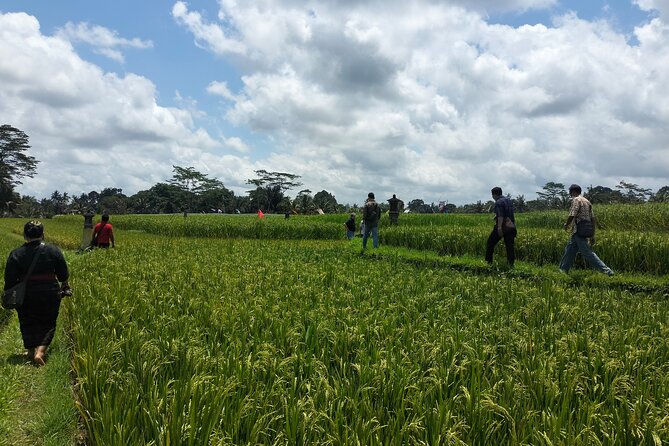
- Private guide experience: you get one-on-one guidance instead of a crowd herding
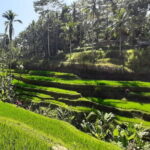
- Working rice fields: you’re not just looking at terraces—you can see farmers in action
- Traditional irrigation system: your guide points out how water and rice cultivation are linked
- Temple + rice field viewing time: you’ll pause long enough to understand the setting
- Lunch or dinner included: food, plus coffee/tea and mineral water, comes with the outing
- Small group size: capped at 10 people, which keeps the pace calm
Keliki’s jungle-to-rice walk feels different from busy Ubud
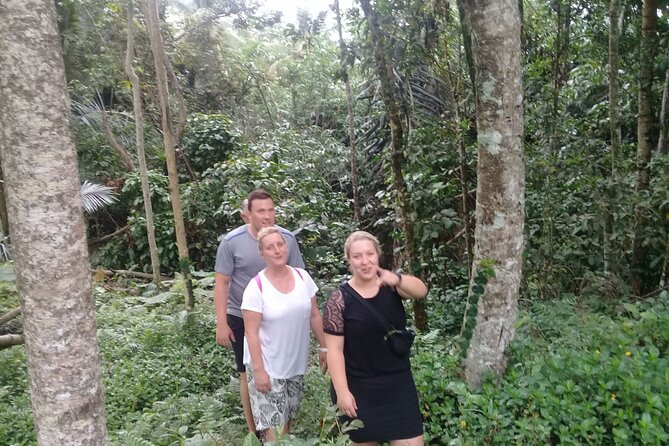
Ubud is great, but it can also feel like you’re bouncing between attractions with the same crowds. This tour is built for something calmer: stepping onto footpaths that reach the forest edge or drop you into the middle of rice areas. You spend your time moving through the same kind of paths locals use, which changes the whole mood of the day.
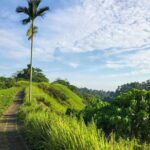
You’ll start from the Ubud area and head toward Keliki, where the scenery shifts from green jungle sections to open rice paddies. The appeal here is simple: you’re trading busy stops for a walk that feels lived-in. And because you’re with a guide for the whole half-day, you’re not just taking photos—you’re learning what those plants, fields, and water channels mean.
You can also read our reviews of more walking tours in Ubud


Price and value: what $41 covers (and what it doesn’t)
At about $41 for a 3–4 hour outing, the value comes from a few clear pieces. You get pickup offered, a personal guide, and a full walk experience that includes lunch or dinner (plus coffee/tea and mineral water). There’s also an admission ticket noted as free, which helps keep the all-in cost reasonable.
What you don’t get is an air-conditioned vehicle at the tour level. That’s not a deal-breaker, but it matters in Bali when the heat hits. Plan for walking in warm conditions and treat the vehicle as simply a way to start and return, not as part of your comfort routine.
For your money, the biggest win is time with a guide in places that aren’t centered on mainstream sightseeing. If that’s your style—slow walking, nature, and real-world village rhythm—this price starts to feel fair fast.
Getting there smoothly: pickup, meeting point, and the walk pace
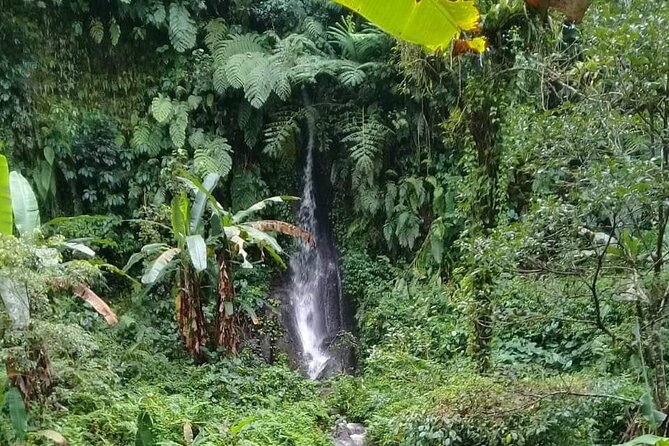
The meeting point is Bintang Supermarket Ubud, on Jl. Raya Sanggingan No.45, Sayan (Ubud). The tour ends back at the same meeting point, so you’re not dealing with complicated drop-offs.
Pickup is offered, but not everything is spelled out in your booking details here. If you’re booking, I’d confirm your pickup time and pick-up location so you’re not arriving early for an unclear wait. The tour is also limited to a maximum of 10 travelers, which usually makes coordination easier and keeps the route from turning into a line.
Physical pace is another key detail. The tour asks for moderate physical fitness. That doesn’t mean it’s a rugged trek, but it does mean you should expect uneven ground and enough walking that comfortable shoes matter. If you have knee or balance issues, you’ll want to think carefully before signing up.
And one more real-world tip: this experience depends on good weather. If the forecast looks messy, don’t be surprised if it gets rescheduled or adjusted. In Bali, that can change the trail experience quickly.
Stop 1 in Keliki: jungle footpaths, working farms, and water systems
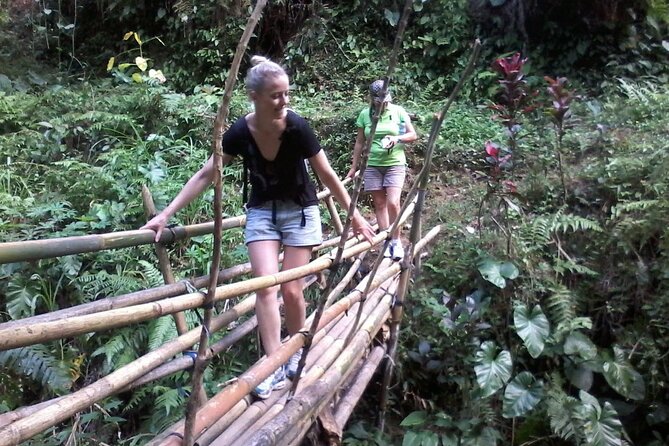
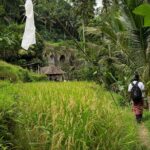
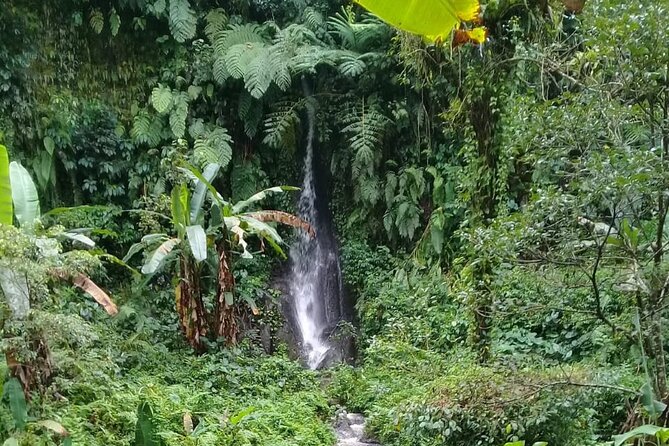
Keliki is where the tour’s “why” becomes obvious. You start in the Ubud area and work your way toward Keliki through a mix of jungle pathways and rice field areas. The guide keeps you moving at a comfortable pace, and you’ll stop often enough to look closely rather than rushing through.
In Keliki, you’ll see Balinese farmers working in the rice areas. That’s an important difference from many “viewpoint” tours. When people are actually tending fields, you get a sense of how the landscape is used—how daily work and seasonal cycles shape what you see.
You’ll also get a look at the traditional irrigation system. Even without technical detail, it helps you understand why rice farming in Bali is so tied to water management. Your guide explains how the system supports the fields, and you’ll likely pick up practical context as you walk alongside channels and cultivation areas.
On the way, you may spot different plants and crops mentioned on the route. The guide may point out things like cocoa, coffee, and tamarind soursop (as referenced in the tour description). This kind of plant ID sounds small, but it changes your walk. Instead of generic greenery, you start noticing what each plant is and why it shows up here.
Rice field and temple time: learning while you pause
After the early walking sections, the tour includes time to discover the rice field and temple. This is where your guide’s job turns from “showing you paths” into “helping you read the place.”
I like this structure because it avoids the common pattern: see something, move on instantly, forget it later. Here, you pause where the rice and temple setting overlap, so you can connect the farming world with the spiritual and cultural world. Even if you’re not a deep cultural history person, your guide’s explanations make it easier to understand the role of the temple in the daily rhythm around agriculture and water.
One practical note: temples and religious areas are places where respect matters more than opinion. Dress appropriately, keep your tone calm, and follow any guidance from your host. Your guide will set expectations, and that’s part of the value of booking a guided walk instead of going alone.
You can also read our reviews of more tours and experiences in Ubud



What the guide does for you (and why it matters on a short tour)
This tour is built around a personal guide, and that’s the heart of the experience. A private or small-guide format changes everything on a 3–4 hour schedule. You’re not waiting for someone to catch up, and you’re not stuck with questions you can’t ask.
Your guide provides context along the way, including names of plants and trees you pass. They also explain the rice plantation systems and how irrigation supports growing conditions. Based on what the experience is described to include, you’re getting an education-by-walking style—light, practical, and directly tied to what you can see outside your eyes.
If you’ve ever done nature tours where you feel like you’re just looking at pretty greenery, this is a good antidote. The point isn’t to memorize facts. The point is to leave with the ability to recognize what you saw and understand why it exists here.
Lunch or dinner included: where you refuel and what to expect
This is not a bring-your-own-snacks situation. The tour includes lunch or dinner, plus coffee/tea and mineral water. In practice, that matters because your energy doesn’t just reset after a couple bites—you’re out walking in the daytime and then you actually need a full meal.
One detail from the experience setup that I find smart: the meal is served in a setting connected to local artists, described as an atelier-like workshop environment. That means food isn’t just a stop-and-go refuel. It’s part of the overall “slow experience” feel—something to savor after the walk, not something you rush through.
Because the tour length is about half a day, eating is also part of the timing plan. If you have dietary restrictions, you’ll want to check with the provider when booking, since the information given here doesn’t list specific alternatives.
Practical advice for your best day in Keliki
A few things will make the difference between a pleasant walk and an annoying one.
- Wear comfortable walking shoes with grip. Paths can be uneven and slick depending on the weather.
- Bring a light layer. Jungle air can feel warm, but shaded areas can be cooler.
- Use sunscreen and consider insect repellent. You’ll be outside much of the time.
- Plan to move at a moderate pace. This tour assumes you’re comfortable walking for several hours.
Also, if you’re doing this during Bali’s busier periods, choose this kind of tour on purpose. It’s structured to get you away from the main tourist rhythm, and you’ll feel that immediately when the group size stays small and the paths turn quiet.
Who this tour suits best (and who should reconsider)
This experience fits you if you want more than a checklist. It’s ideal for people who like walking, want nature and agriculture without a heavy fitness challenge, and enjoy learning in a practical way as you go.
You’ll probably love it if:
- you’re staying near Ubud and want a half-day activity
- you like small-group or personal-guide formats
- you’re curious about rice farming, water systems, and local plants
You should reconsider if:
- you’re expecting a mostly seated, minimal-walking tour
- your mobility is limited and moderate walking is hard for you
- you hate weather-related uncertainty (good conditions matter here)
Should you book Keliki Eco Tourism’s Keliki walk?
If your Bali style is calm, curious, and grounded in real daily life, I’d say yes. The combination of rice fields with working farmers, a guide who explains the systems and plant names, and a included lunch or dinner makes this a strong value for the time. The small group size also supports the relaxed vibe, which is exactly what you want from a short half-day.
Just go in with the right expectations: you’re walking, not sightseeing from a bus window. If you bring sturdy shoes, dress for heat, and give the guide your full attention at the rice field and temple stops, you’ll get far more than a pretty photo route.
FAQ
How long is the Keliki Village Tour and Rice Field Walk?
It runs about 3 to 4 hours.
Where does the tour start and end?
It starts at Bintang Supermarket Ubud and ends back at the same meeting point.
Is pickup included?
Pickup is offered.
What does the tour cost?
The price is $41.
What’s included in the price?
Included are a personal guide, lunch or dinner, and coffee/tea/mineral water. An admission ticket is listed as free.
Is air-conditioning part of the experience?
No, air-conditioned vehicle is listed as not included.
What fitness level do I need?
The tour recommends a moderate physical fitness level.