REVIEW · UBUD
Farm-to-Table Balinese Cooking Experience
Book on Viator →Operated by Genuine Bali Experience · Bookable on Viator
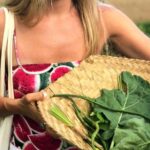
Bali starts at the market stall. You begin with a guided market tour where you select fresh ingredients, then you move straight into a hands-on Balinese cooking class using organic, farm-fresh produce, with countryside views and a local family visit built in. I love the market picking part because it makes the cooking feel practical, not just performative.
One thing to watch: the price. At $47.31 per person, it sounds straightforward, but the feedback I saw still flagged this as feeling expensive in Bali if you compare it to cheaper cooking options.
In This Review
- Key Highlights You’ll Actually Care About
- Market-to-Meal: The Part That Makes This Worth Your Time
- Choosing Ingredients at the Ubud Market (and Why It’s More Than Shopping)
- Farm-Fresh Cooking: The Organic Promise and What It Means for You
- The Hands-On Cooking Class: Learn, Cook, and Don’t Feel Like a Tourist
- Countryside Views While You Cook: Nice, But Useful Too
- Visiting a Local Balinese Family: Daily Life Context, Not a Performance
- Lunch Included: The Real Test of a Cooking Class
- Pickup, Drop-Off, and the 3.5-Hour Rhythm in Ubud
- Price in Ubud: Is $47.31 Fair Value for Farm-to-Table Cooking?
- Who This Experience Fits Best (and Who Might Skip It)
- Weather and Real-World Practicalities
- Should You Book This Farm-to-Table Balinese Cooking Experience?
- FAQ
- Where is this cooking experience located?
- How long does the experience last?
- What is included in the price?
- Is pickup offered?
- What is the maximum group size?
- Does it include a lunch?
- What happens if the weather is poor?
- What is the cancellation window?
- What do I do during the tour?
Key Highlights You’ll Actually Care About
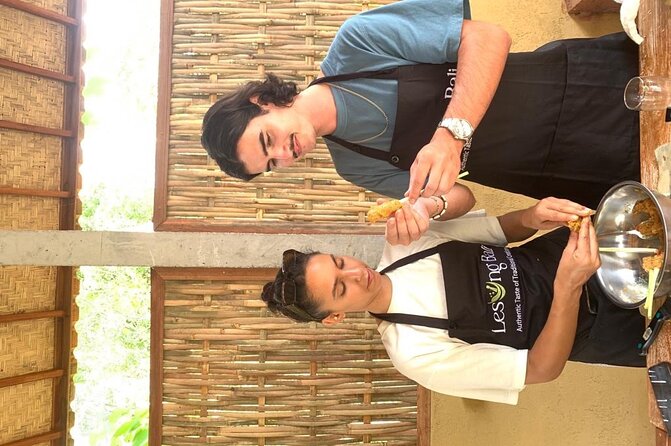
- You pick ingredients first on a guided market tour, so your class starts with real choices.
- Organic, farm-fresh cooking ties the food to the place, not just the recipe.
- Small group size (max 15) helps the experience feel less rushed.
- A local family home visit gives you context for how Balinese daily life works.
- Lunch is included and you eat what you prepared.
- Ubud pickup and drop-off means less hassle before and after.
Market-to-Meal: The Part That Makes This Worth Your Time
In Ubud, it’s easy to find a cooking class. It’s harder to find one that starts with food procurement, not just chopping. This experience begins with a guided market tour, and that first step matters because it changes how you cook.
Instead of being handed ingredients and told what to do, you’re choosing what goes into your meal with local vendors. That gives you a better feel for what’s available, what looks good, and what the ingredients are used for in everyday Balinese cooking. If you want to take home more than photos, this is the start that helps.
Also, the timing is built around a full half-day rhythm: you’re not dragged across the island, but you still get multiple parts of the experience in one go. The whole thing runs about 3 hours 30 minutes, which is a comfortable length for most people in Ubud without eating the day.
You can also read our reviews of more cooking classes in Ubud
Choosing Ingredients at the Ubud Market (and Why It’s More Than Shopping)
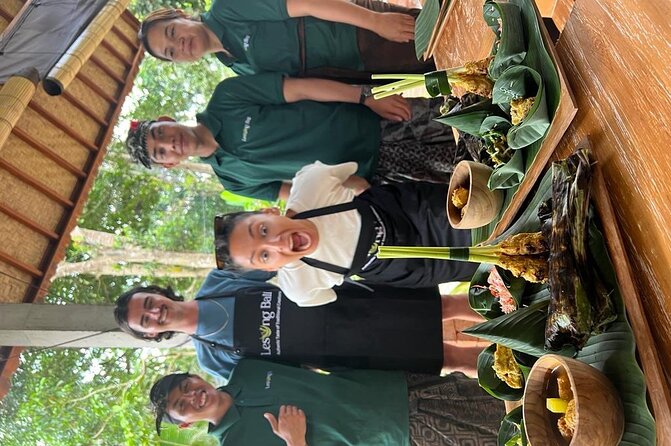
The market portion is where this tour earns its farm-to-table label. You’ll head out with a guide for a guided market tour, then you select fresh ingredients directly from local sellers. From a value point of view, this step is what differentiates the experience from a basic cooking demo.
Here’s what you’re really buying with this part:
- You learn how to think about ingredients, not just follow instructions.
- You see the ingredient supply chain in miniature: what’s sold, what’s fresh, and what people cook with.
- You get a sense of local tastes before you cook, which helps the final meal make sense.
Even if you don’t consider yourself a foodie, markets can be surprisingly useful. You walk away with practical knowledge you can use later when ordering similar dishes in Bali, or when you’re trying to recreate flavors at home.
Farm-Fresh Cooking: The Organic Promise and What It Means for You
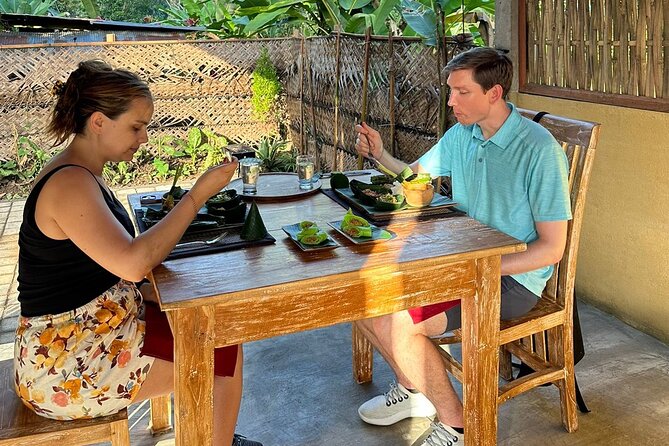
After the market, the experience shifts to cooking with organic, farm-fresh produce harvested from the farm. The tour description is clear about the farm-to-table angle, and I like that the class isn’t just using “ingredients that came from somewhere.” It’s trying to connect the meal to the land.
In real terms, that connection tends to show up in three ways:
- Flavor and texture often feel more alive when produce is fresh.
- You understand what ingredients are important in Balinese dishes because you handled them earlier.
- You’re more likely to remember what you learned, since you made the ingredient choices.
One practical note: organic ingredients are not just a buzzword here. Your job is to cook traditional dishes using what you selected and what you’re told is farm-fresh. If you’re the type who likes to learn by doing, this format fits.
The Hands-On Cooking Class: Learn, Cook, and Don’t Feel Like a Tourist
The core of the experience is a hands-on cooking class led by a local expert. This is the part you should pay attention to when deciding if it’s for you, because class quality is where cooking tours can vary wildly.
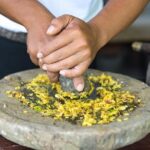
A hands-on setup usually means you’re actively working: preparing ingredients, cooking dishes, and learning technique rather than watching from the sidelines. It’s the most direct way to pick up Balinese cooking skills you can repeat later.
What I find especially helpful is the combination of structure and simplicity:
- You follow guided instructions.
- You use real ingredients you chose earlier.
- You get the payoff quickly, since lunch is included.
And because the group is capped at 15 travelers, it’s more likely you’ll get actual attention while cooking. Larger groups often turn hands-on classes into a conveyor belt. A smaller max group helps keep the pace human.
Countryside Views While You Cook: Nice, But Useful Too
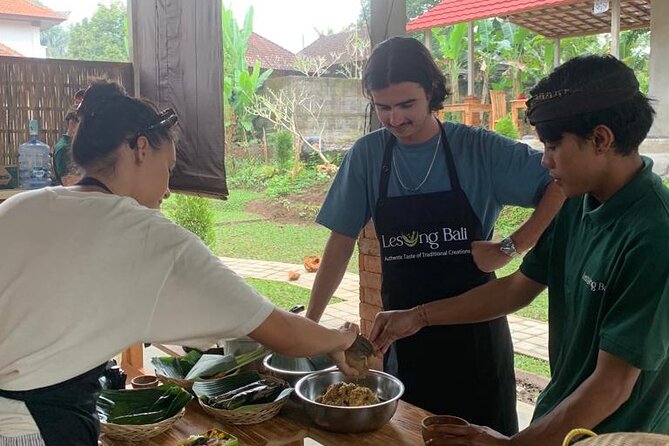
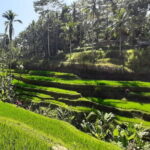
The tour promises views of the lush countryside while you cook. I’m not going to pretend scenery is the main reason to pay for a class, but it does change the whole feel of the experience.
When you’re cooking outdoors or in a visually open setting, your attention stays where it should be: on the food and the process. It also makes the break between activities less stressful. Instead of traveling from one crowded stop to the next, you’re working in a calmer setting that matches the farm-to-table theme.
Think of it as a low-pressure way to learn. You can focus on technique without feeling like you’re squeezing one more attraction into a jammed schedule.
You can also read our reviews of more tours and experiences in Ubud

Visiting a Local Balinese Family: Daily Life Context, Not a Performance
One of the most meaningful segments is the visit to a local Balinese family in their home. That’s not just a photo stop. You’ll get insight into daily life and the island’s way of living.
Why this matters: cooking classes can sometimes become a bubble. You learn recipes, then you leave without really understanding the culture those recipes come from. A family home visit helps bridge that gap. Even if you only pick up small pieces of insight, they add texture to everything you learned in the kitchen.
Keep in mind what this segment is likely designed to do: show normal life, not stage a spectacle. If you go in with a respectful, curious mindset, this part can be the most memorable.
Lunch Included: The Real Test of a Cooking Class
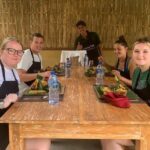
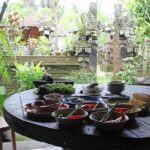
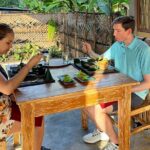
After all that work, the tour ends with lunch, and you’ll eat the dishes you helped prepare. This is the big litmus test for cooking tours.
If the class is well run, lunch should feel like a reward, not a random meal someone arranged on the side. Since lunch is included, you’re also not hit with decision fatigue. You don’t need to hunt for food afterward, and you don’t need to plan around your hunger level.
Practical tip: you’ll likely want to pace yourself during cooking, so you’re genuinely hungry by lunch. If you snack too much early in the market portion, the payoff can feel smaller.
Another nice touch: you’ll receive a recipe (PDF). That’s useful if you want to recreate flavors later without relying on memory. It also makes the whole experience feel more “keepable,” not just something you did once.
Pickup, Drop-Off, and the 3.5-Hour Rhythm in Ubud
This experience offers pickup and drop-off in the Ubud area, which is a big deal for comfort and timing. In Ubud, traffic and short distances can still add up, and an organized pickup removes a layer of planning.
The duration is about 3 hours 30 minutes. That’s long enough to feel like a full activity, but short enough that you can stack it with other Ubud plans the same day. If you’re balancing temple visits, waterfalls, and downtime, this length tends to fit nicely.
Small group size also plays into the rhythm. With a maximum of 15 travelers, the tour can move with less chaos. You still might experience some waiting at transitions (that’s normal in any group activity), but the pacing should feel steady rather than frantic.
Price in Ubud: Is $47.31 Fair Value for Farm-to-Table Cooking?
Let’s talk money honestly. The listed price is $47.31 per person, and it includes lunch, bottled water, Ubud pickup/drop-off, and a recipe PDF.
On paper, that bundle can be good value. You’re not just paying for instruction; you’re paying for:
- guided market time
- a hands-on cooking class
- ingredient selection
- lunch you prepare
- local family visit
- transportation within Ubud
- written recipes
However, I also get the concern that the experience can feel expensive compared with cheaper cooking classes in Bali. One piece of feedback I saw said the trip was good, but that it ended up costing around $AUD180, and there are cheaper alternatives offering a similar general idea.
Here’s how to think about that without getting stuck:
- Exchange rates matter. What looks affordable in one currency can feel different after conversion.
- “Similar” doesn’t mean equal. Cheaper options might skip the market portion, the family visit, or the included meal.
- The real value question is whether you want the full farm-to-table flow or a basic class.
If your priority is simply learning a couple of dishes quickly, a lower-cost class might satisfy you. If your priority is the complete meal journey—from market selection to cooking to lunch—this package has a stronger case.
Who This Experience Fits Best (and Who Might Skip It)
This tour is a strong match if you:
- want a Balinese cooking class that includes a market component
- like learning by doing, not watching
- care about connecting food to the place (farm-fresh ingredients and local context)
- prefer smaller groups (max 15) and organized pickup
It might be less satisfying if you:
- are hunting for the lowest price cooking option
- only want a short class with no additional cultural stops
- get overwhelmed by group structure and want total freedom
Also, if you’re traveling with a very tight schedule, the 3.5-hour block is manageable, but you’ll still want to plan your day around the pickup timing.
Weather and Real-World Practicalities
The experience requires good weather. If it’s canceled due to poor weather, you’ll either be offered a different date or receive a full refund. That’s important in Bali, where conditions can change fast.
If weather is a concern in your travel week, I’d treat this as something you schedule when you have flexibility. That way, rescheduling doesn’t derail your itinerary.
Should You Book This Farm-to-Table Balinese Cooking Experience?
I think this is a good booking choice if you want the full story behind your lunch: market ingredients, farm-fresh cooking, a local family visit, and the satisfaction of eating what you made. The included lunch, recipe PDF, and Ubud pickup make it more complete than many stand-alone cooking classes.
But if the main factor for you is price above all else, you should compare alternatives carefully. The one clear downside signal is cost sensitivity, and it makes sense. This experience is priced like a bundled cultural-food day, not just a cooking workshop.
My rule of thumb: if the idea of starting at the market and finishing at lunch appeals to you, book it. If you’d be equally happy with a cheaper class that trims the cultural extras, you may prefer saving the money.
FAQ
Where is this cooking experience located?
It’s in Ubud, Indonesia.
How long does the experience last?
The duration is approximately 3 hours 30 minutes.
What is included in the price?
Included are lunch, bottled water, pickup & drop-off in the Ubud area, and a recipe in PDF form.
Is pickup offered?
Yes. Pickup and drop-off are offered in the Ubud area.
What is the maximum group size?
The tour has a maximum of 15 travelers.
Does it include a lunch?
Yes. You’ll sit down to enjoy the lunch you prepared.
What happens if the weather is poor?
The experience requires good weather. If it’s canceled due to poor weather, you’ll be offered a different date or a full refund.
What is the cancellation window?
You can cancel up to 24 hours in advance for a full refund. Canceling less than 24 hours before the start time isn’t refunded.
What do I do during the tour?
You’ll take a guided market tour to pick ingredients, join a hands-on Balinese cooking class using organic farm-fresh produce, visit a local Balinese family’s home, and then enjoy lunch prepared by you.